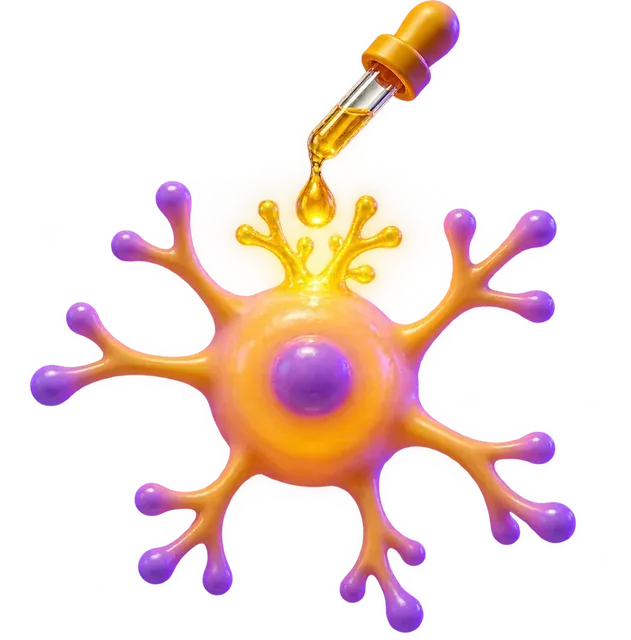
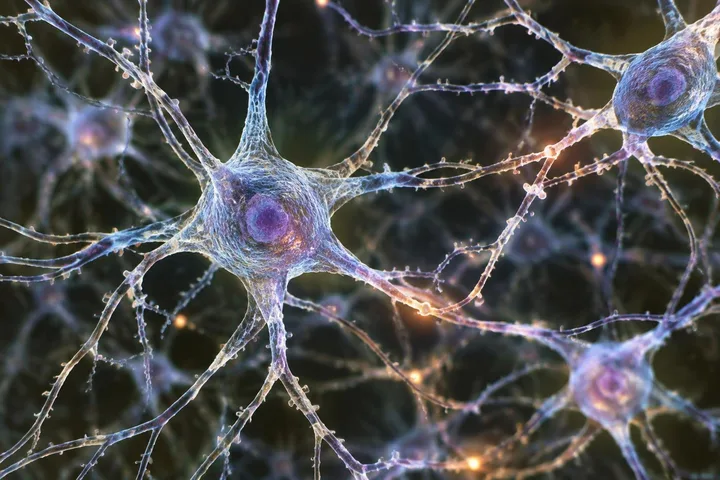
Brain-derived neurotrophic factor, or BDNF, is a protein that acts as a growth factor for nerve cells in the brain and body. It binds to specialized cell receptors to keep existing neurons alive, spark the birth of new neurons, and build fresh connections. Certain forms of physical exercise can increase BDNF synthesis in the human brain threefold, driving new brain cell growth and sharper cognitive performance.
By the edgi team We find the most surprising true thing about an idea and build a 60-second lesson around it.
In 1982, researchers Yves-Alain Barde and Hans Thoenen were hunting for the secret to nerve survival. They found it in the unlikeliest of places: the brain of a pig.
They isolated a protein that didn't just maintain neurons, it helped them grow and thrive. They named it BDNF.
The mechanism
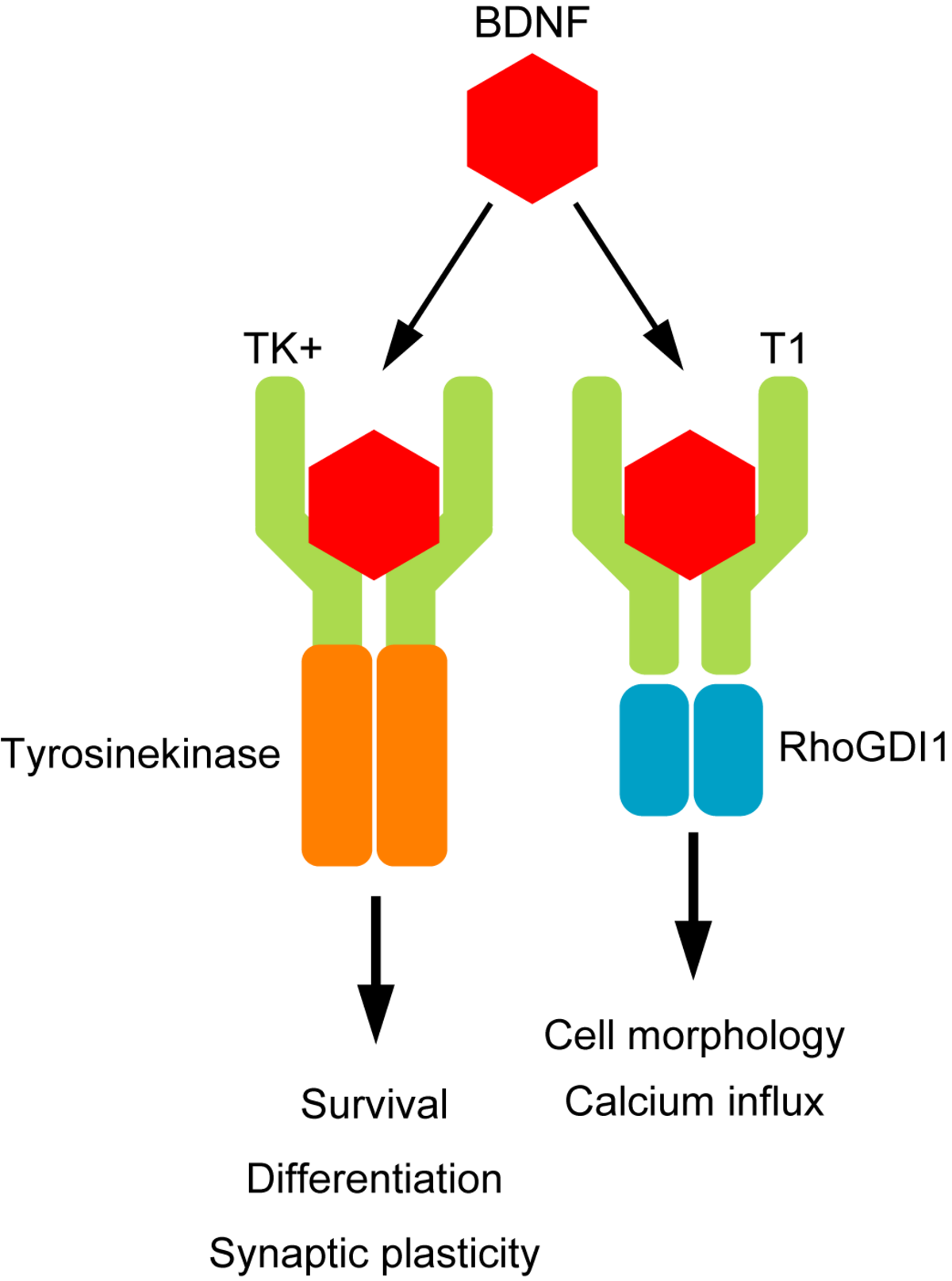
Think of BDNF as fertilizer for your mind. It travels to your neurons and docks into a specific gatekeeper, the TrkB receptor.
A diagram illustrating TrkB signaling pathways initiated by BDNF binding. Blend, Public domain, via Wikimedia Commons
Once attached, it signals the cell to build new connections, essentially rewiring your brain's hardware in real-time.
The practical application
This protein is the biological reason why exercise is so good for your mental health. Aerobic activity triggers a surge of BDNF, literally helping your brain grow and repair itself.
A black and white photograph of a person running on a treadmill, with their motion blurred to convey movement, suggesting aerobic exercise. Larry D. Moore, CC BY 4.0, via Wikimedia Commons
It is the difference between a static circuit board and a living, changing network.
How BDNF rewires neurons
BDNF is produced in the cell endoplasmic reticulum and released from dense-core vesicles to attach to specific surface receptors. Its main partner is the TrkB receptor, pronounced Track B. When BDNF locks into TrkB, it triggers an internal chemical cascade that encourages cell survival, directs the growth of new synapses, and drives the development of short-term and long-term memory.
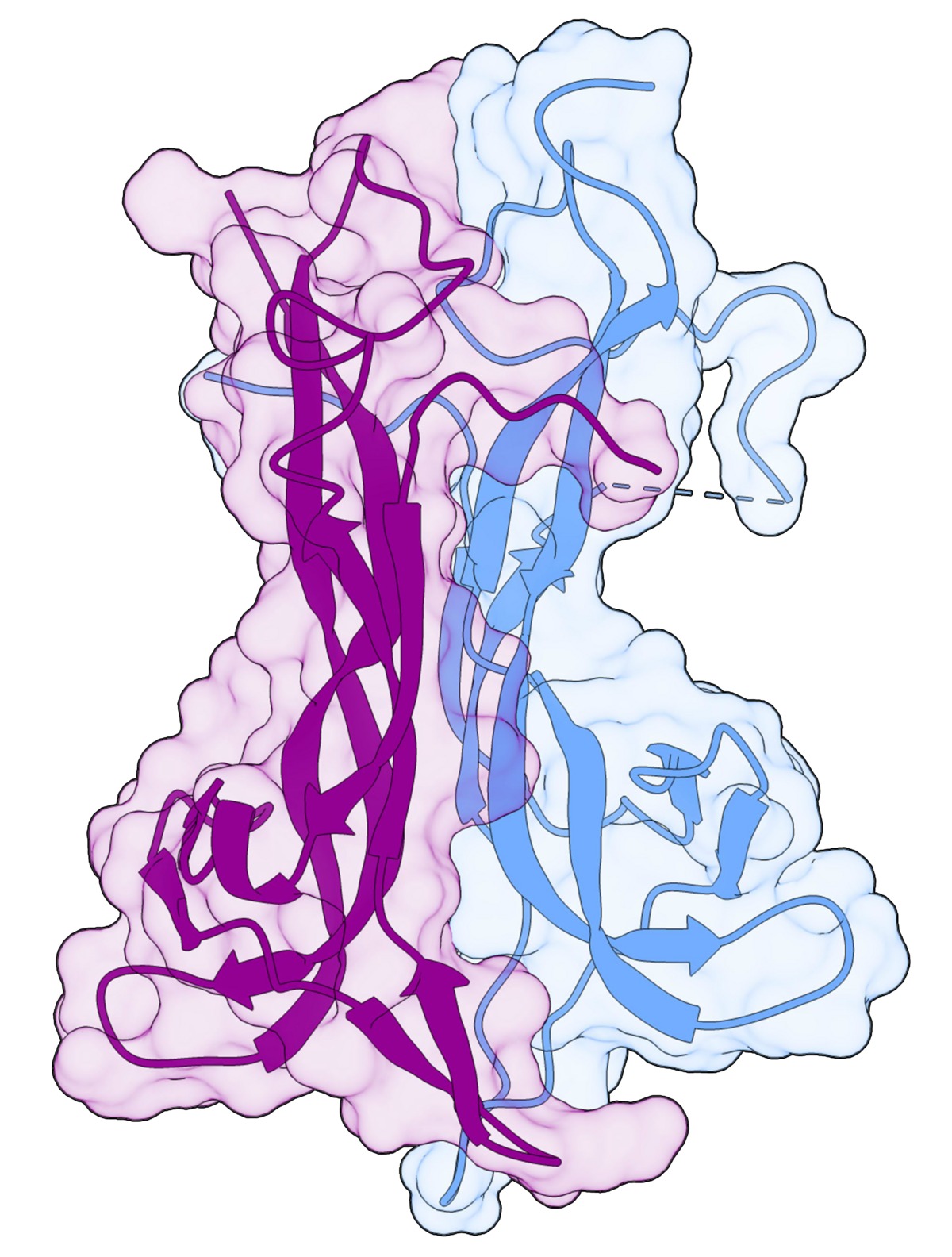
This molecular model highlights the protein structure of BDNF intertwined with related neurotrophin chains. ·Solembum·, CC0, via Wikimedia Commons
BDNF also interacts with a secondary receptor named p75. While TrkB signals cells to thrive and adapt, activating p75 in the absence of Trk receptors can lead to programmed cell death instead. Cells protect themselves through truncated forms of TrkB that block excess p75 signaling, ensuring BDNF acts as a growth builder rather than a destructive trigger.
Where BDNF operates in the body
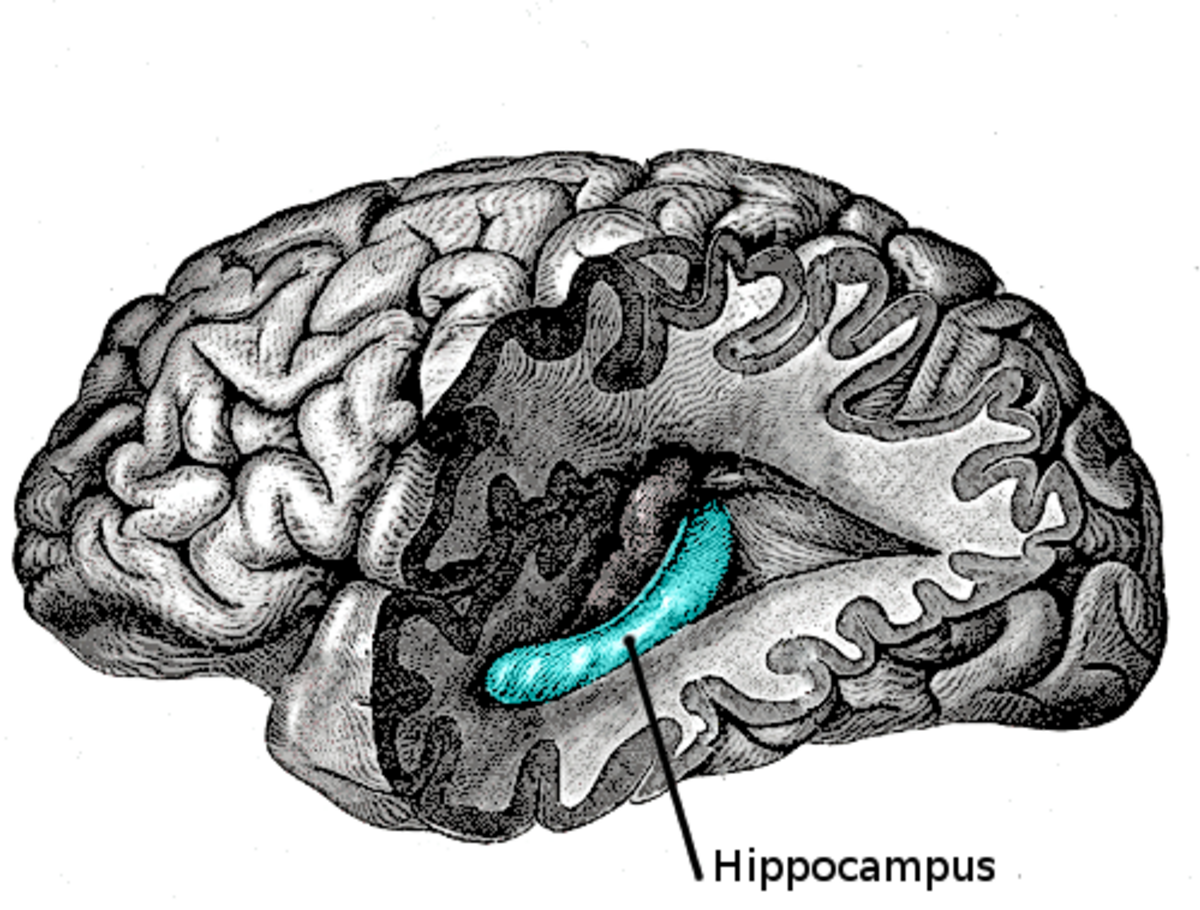
While BDNF operates heavily in brain regions like the hippocampus, cortex, and basal forebrain, it also functions outside the central nervous system. The protein is expressed in the retina, motor neurons, skeletal muscle, kidneys, prostate, and saliva.
The human BDNF protein is encoded by a gene located on chromosome 11, shown in this genetic ideogram. Own work, Public domain, via Wikimedia Commons
The gene that provides instructions for BDNF sits on human chromosome 11. Mice engineered without this gene suffer loss of sensory neurons, cerebellar defects, and balance issues, and they typically die shortly after birth, proving BDNF is essential for baseline nervous system architecture.
Claim the BDNF (Brain-Derived Neurotrophic Factor) card
Play the lesson in edgi and the card is yours. It lands on your Map next to the ideas it connects to, and turns from matte to foil to gold as you learn more around it.
Physical exercise can boost BDNF production in the brain threefold, stimulating neurogenesis. Conversely, short sleep duration is linked to reduced BDNF levels, while getting enough sleep supports the protein, which in turn helps regulate REM sleep.
What other molecules belong to the same protein family?
BDNF belongs to the neurotrophin family of growth factors. Structurally related family members include nerve growth factor (NGF), neurotrophin-3 (NT-3), and NT-4/NT-5.