The fire-wire rule
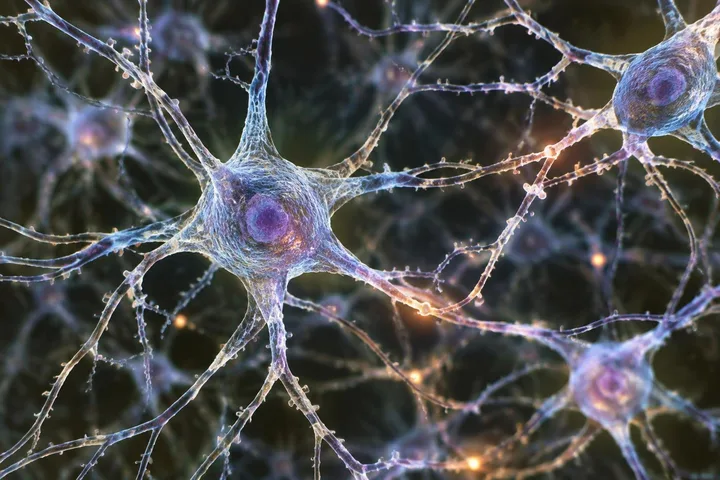
You don't just store memories; you build them. When two neurons fire in sync, the connection between them physically strengthens.
Neuroscientists call this Hebbian theory: neurons that fire together, wire together.
Long-term potentiation is a long-lasting increase in signal strength between two neurons after they fire together repeatedly. It serves as a primary biological mechanism by which the brain stores memories without growing new brain cells. By reinforcing these active connections, the brain physically preserves patterns of past experience.

By the edgi team We find the most surprising true thing about an idea and build a 60-second lesson around it.
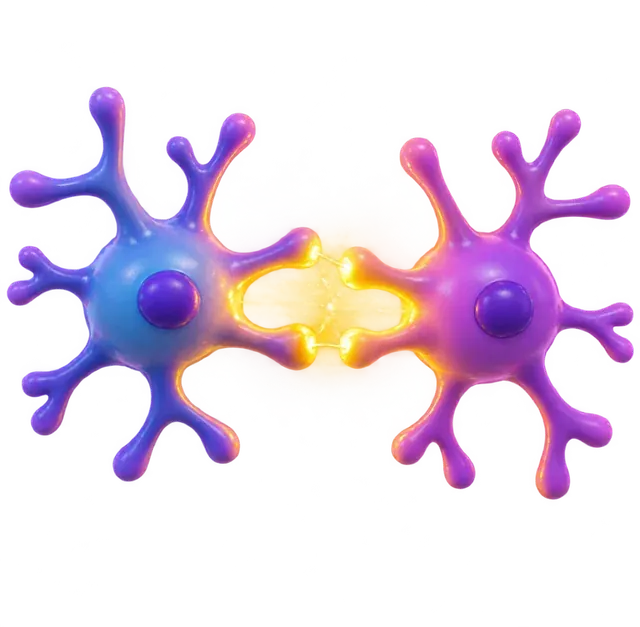
You don't just store memories; you build them. When two neurons fire in sync, the connection between them physically strengthens.
Neuroscientists call this Hebbian theory: neurons that fire together, wire together.
In 1966, researcher Terje Lomo was studying a rabbit's hippocampus. He hit a synapse with a high-frequency burst of electricity.
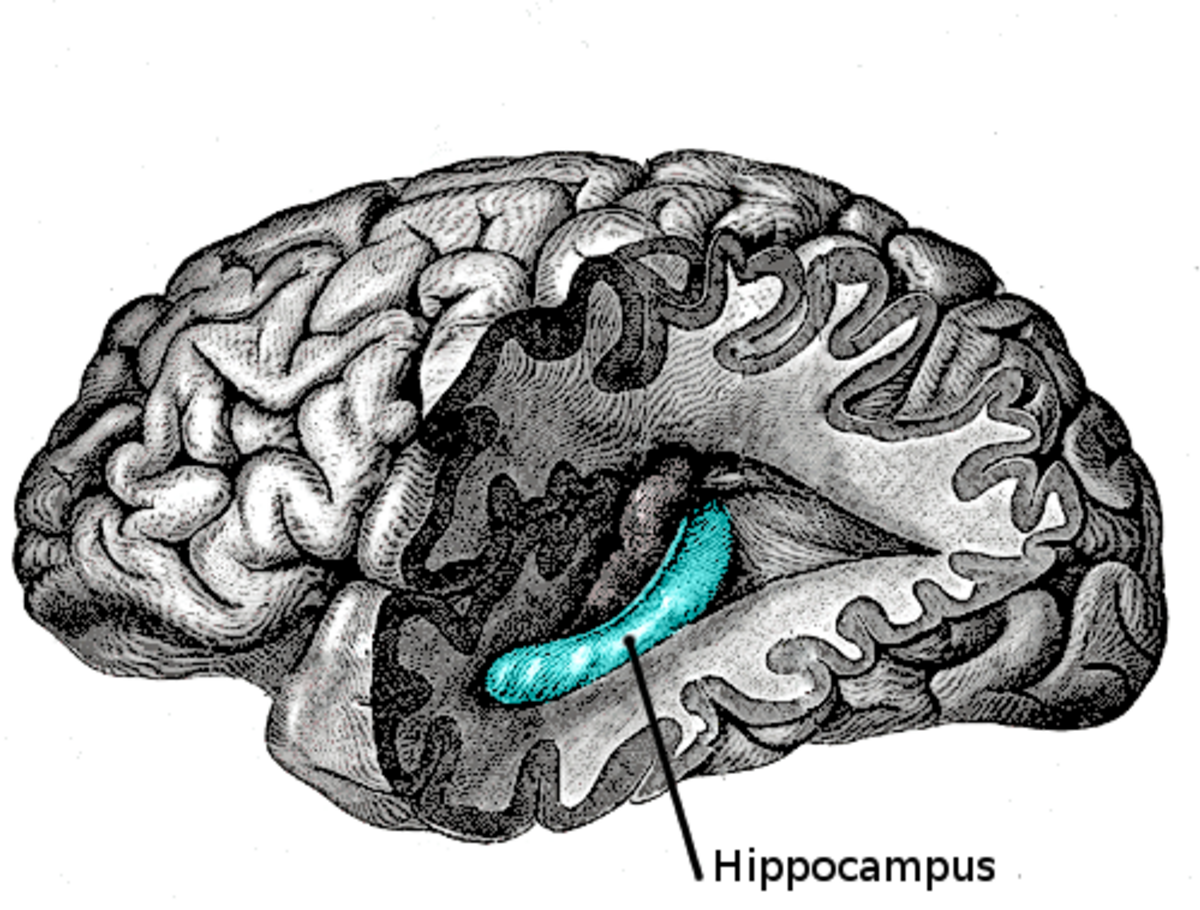
He expected the effect to fade, but the synapse stayed hypersensitive for hours. He had accidentally caught the brain in the act of upgrading its own hardware.
This phenomenon is called long-term potentiation. It is a form of synaptic plasticity, the ability of your brain to change its structure in response to experience.
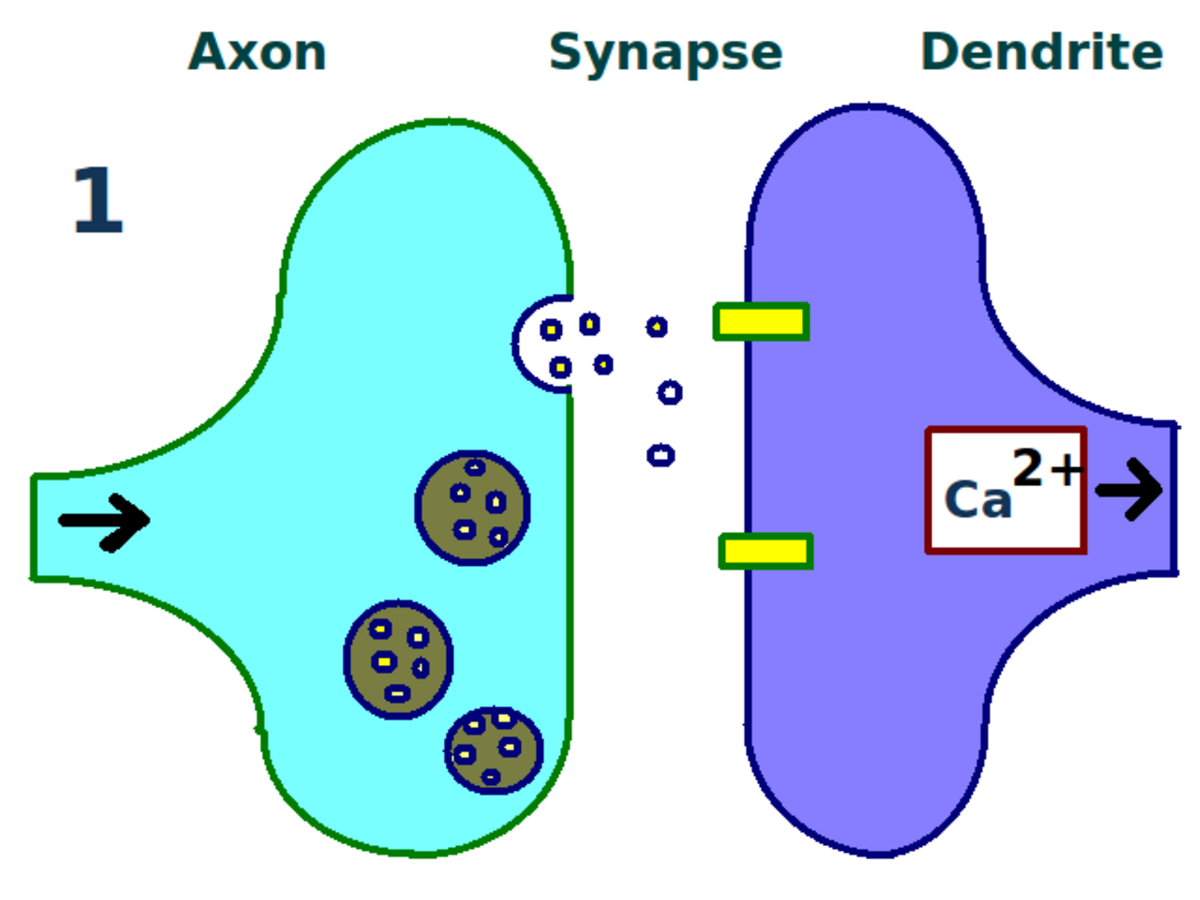
It is the biological engine of memory, allowing you to hold onto information that would otherwise vanish.
Adult brains hold roughly 100 billion neurons, a count that remains relatively stable throughout life. Because the brain does not routinely generate new neurons to record new experiences, memory formation relies on modifying existing junctions called synapses.
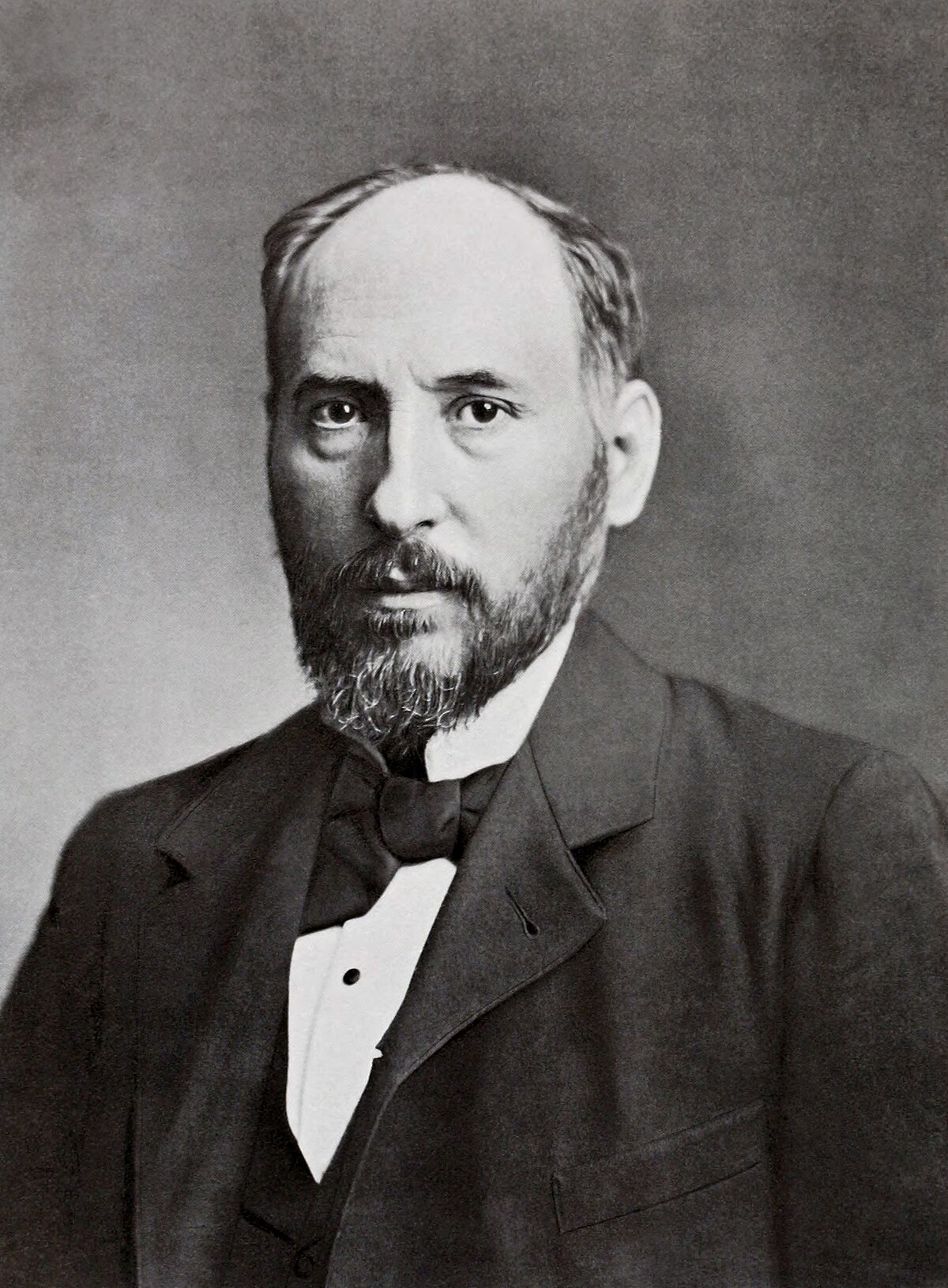
In 1894, Spanish neuroanatomist Santiago Ramón y Cajal suggested that learning occurs by strengthening communication channels between existing cells. Donald Hebb refined this in 1949, proposing that repeated firing across a synapse leads to cellular changes that make future signaling more efficient. Long-term potentiation provides the physical proof of this process.
Terje Lømo observed long-term potentiation in 1966 while testing the hippocampus in anesthetized rabbits. When he delivered high-frequency trains of electrical stimulation along the perforant pathway to the dentate gyrus, the target cells stayed hypersensitive to future single pulses for extended periods.
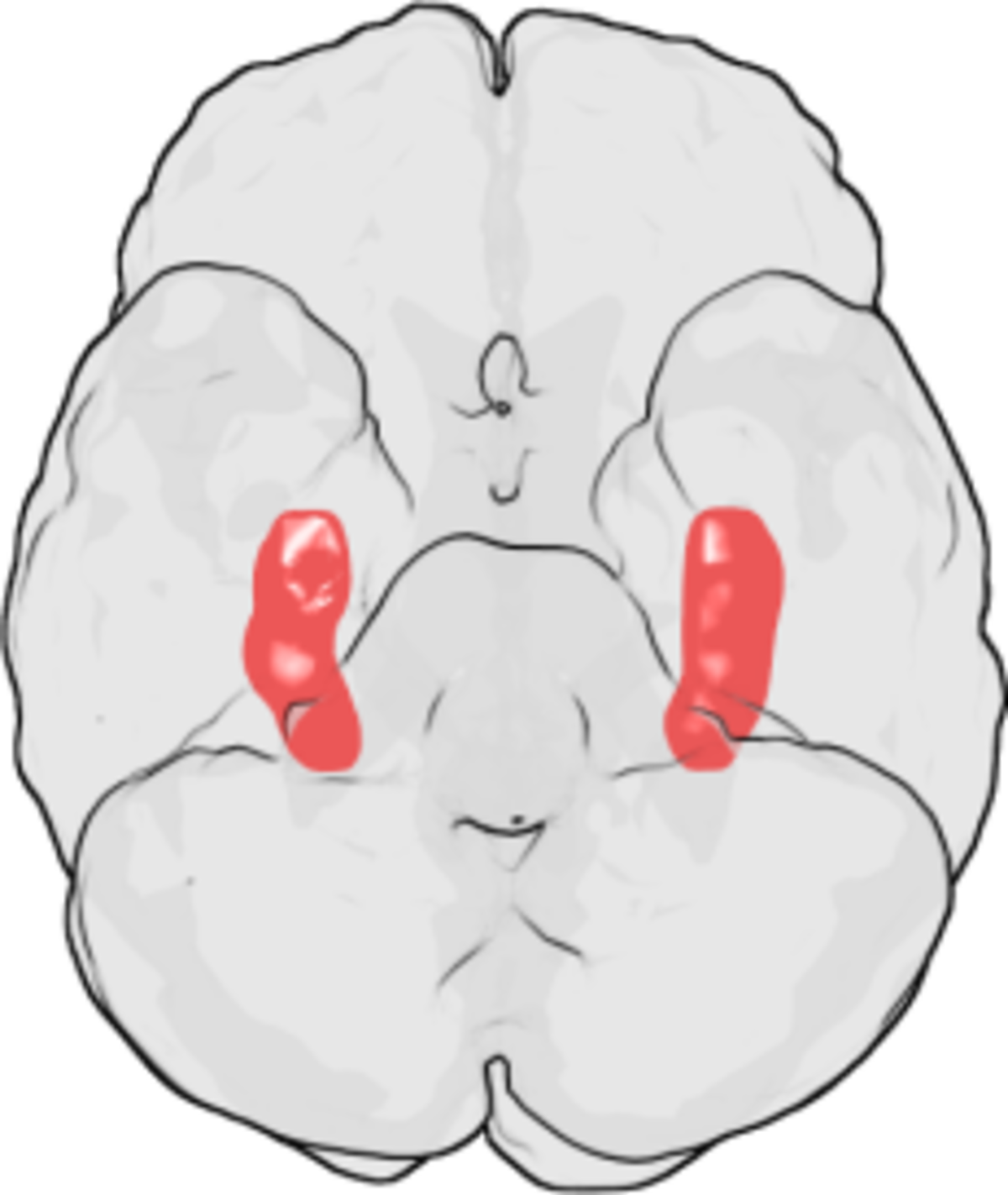
Lømo and Timothy Bliss published the first formal characterization of this long-lasting potentiation in 1973. Researchers Douglas and Goddard introduced the term long-term potentiation in 1975, partly because it yielded the convenient acronym LTP.
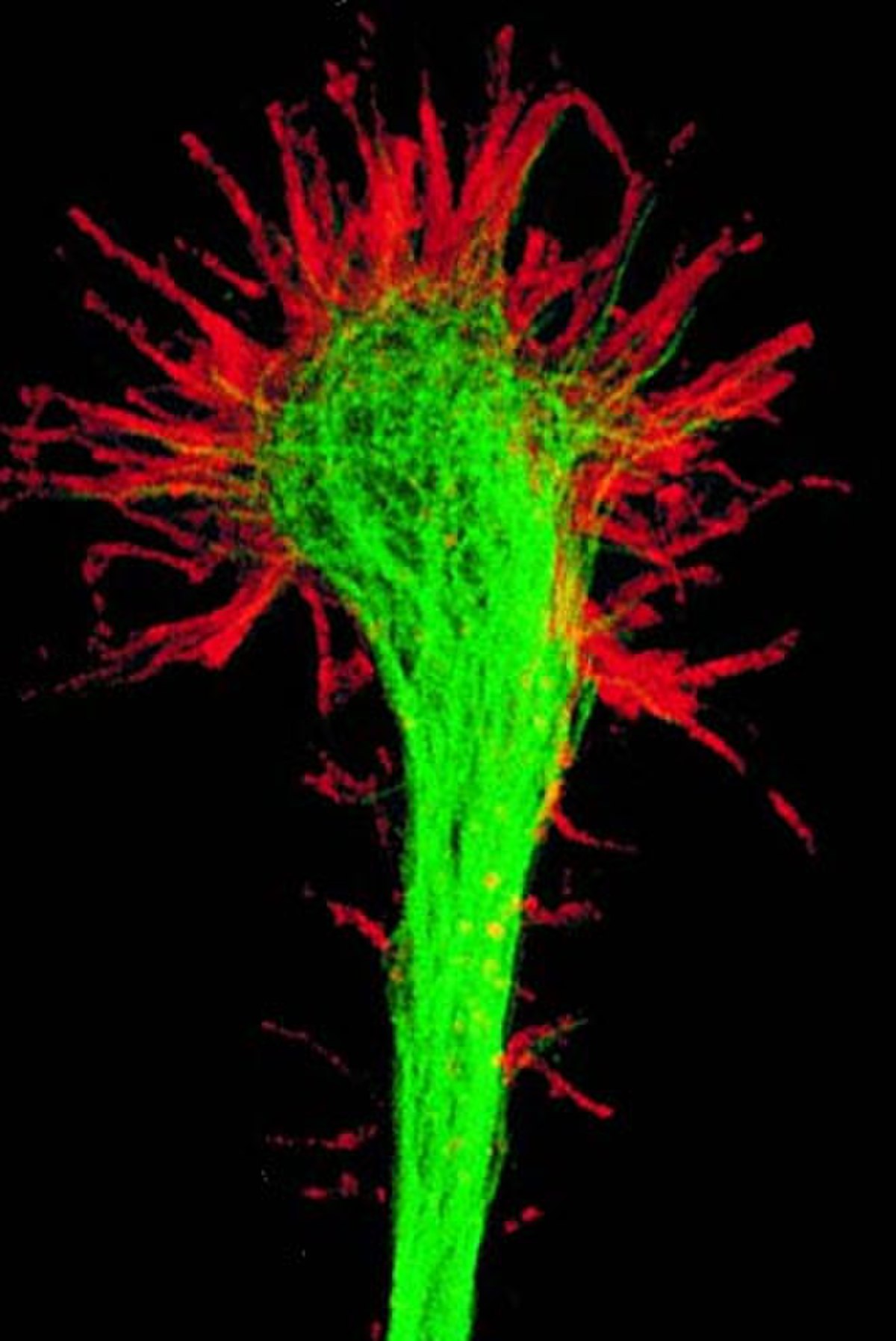
While first identified in the hippocampus, LTP takes place across many brain regions, including the cerebral cortex, cerebellum, and amygdala. The structural changes often involve dendritic spines, tiny protrusions on dendrites that expand or retract over minutes or hours.
Modern research links LTP directly to behavioral learning and clinical medicine. Disruptions in LTP are studied in conditions like Alzheimer's disease, while other research explores its role in addiction and the development of drugs to enhance memory.
What is the primary physical effect of long-term potentiation on neural pathways?
Strengthens active synaptic connections. Long-term potentiation does not grow new brain cells; it physically strengthens the efficiency of existing synaptic connections that fire together.
In long-term potentiation, are memory connections physical or conceptual?
Physical connections. Long-term potentiation is a process of synaptic plasticity where the brain physically rebuilds its wiring, rather than merely creating abstract associations.
Collectible card
Play the lesson in edgi and the card is yours. It lands on your Map next to the ideas it connects to, and turns from matte to foil to gold as you learn more around it.
The opposite process is long-term depression. Instead of strengthening connections, long-term depression produces a persistent decrease in synaptic strength between neurons.
Early research also examined invertebrates. In 1964, Eric Kandel and his colleagues observed synaptic strength changes in the neural networks of the sea slug Aplysia during behavioral conditioning experiments.
Part of the Set · 7 cards
The brain you have right now is not the one you were issued. It's still being built.
Lesson complete
You finished the lesson. In edgi, the card goes on your Map next to everything else you learn.