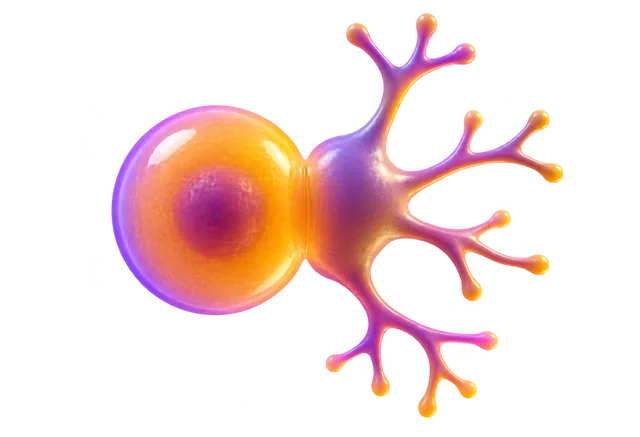
Neurogenesis is the biological process where neural stem cells divide and create new neurons, the signaling cells of the nervous system. While most neurons are generated before birth, the brain continues producing new nerve cells throughout adulthood in specific regions. These new cells migrate, grow connections, and integrate directly into working neural circuits.
By the edgi team We find the most surprising true thing about an idea and build a 60-second lesson around it.
For decades, the medical establishment held a firm belief: you were born with every brain cell you would ever have. In 1962, Joseph Altman shattered this dogma. He injected radioactive markers into adult rats and watched them appear in brand-new brain cells.
A Zucker rat, a laboratory strain genetically prone to diabetes, looking out from its cage. Joanna Servaes, CC BY-SA 3.0, via Wikimedia Commons
The scientific community ignored his work for thirty years. They could not accept that the adult brain was capable of growth.
The living garden
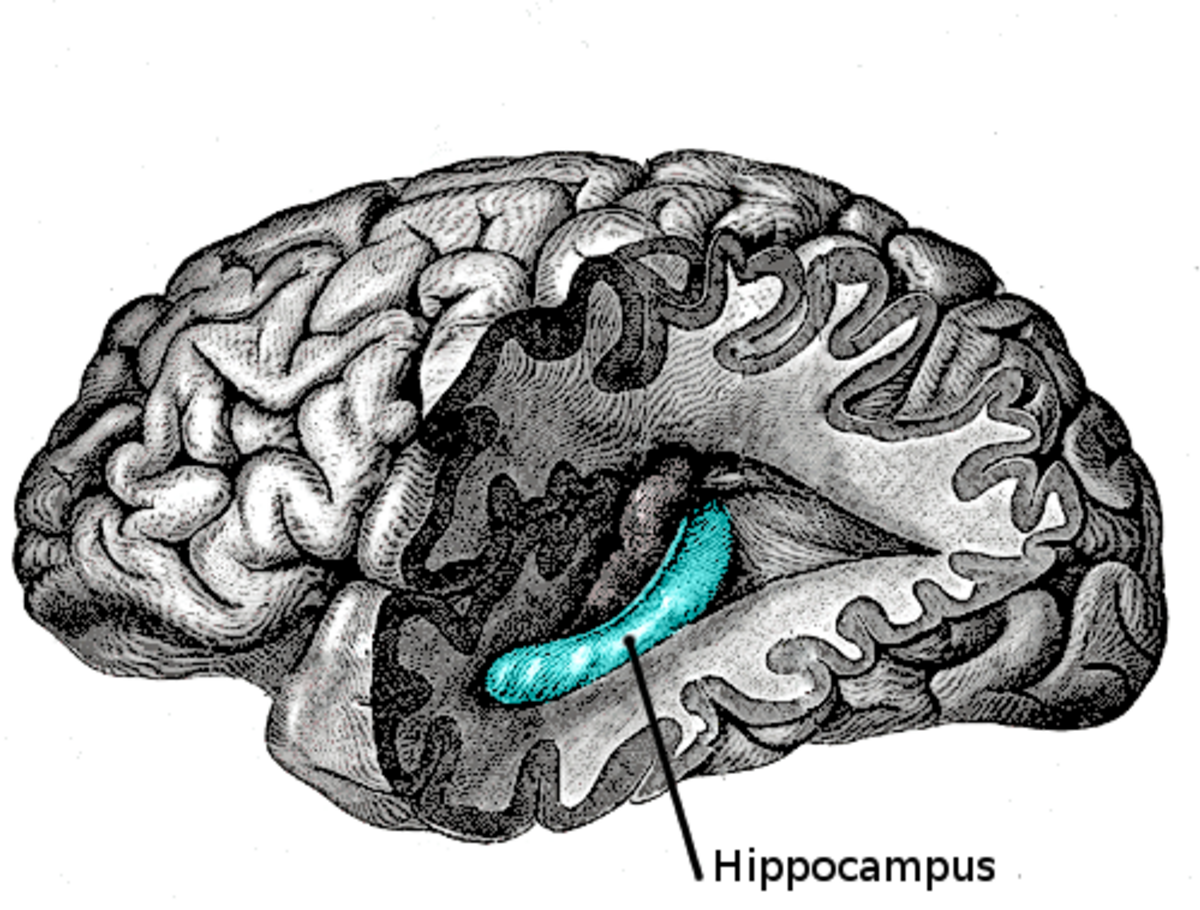
We now know this process is called neurogenesis. It happens primarily in the hippocampus, the critical region responsible for forming new memories and navigating the world.
The brain maintains a reservoir of neural stem cells, waiting to be activated.
The biology of habit
These newborn neurons are not just spare parts; they must undergo synaptogenesis to integrate into existing circuits. If they fail to connect, they wither away.
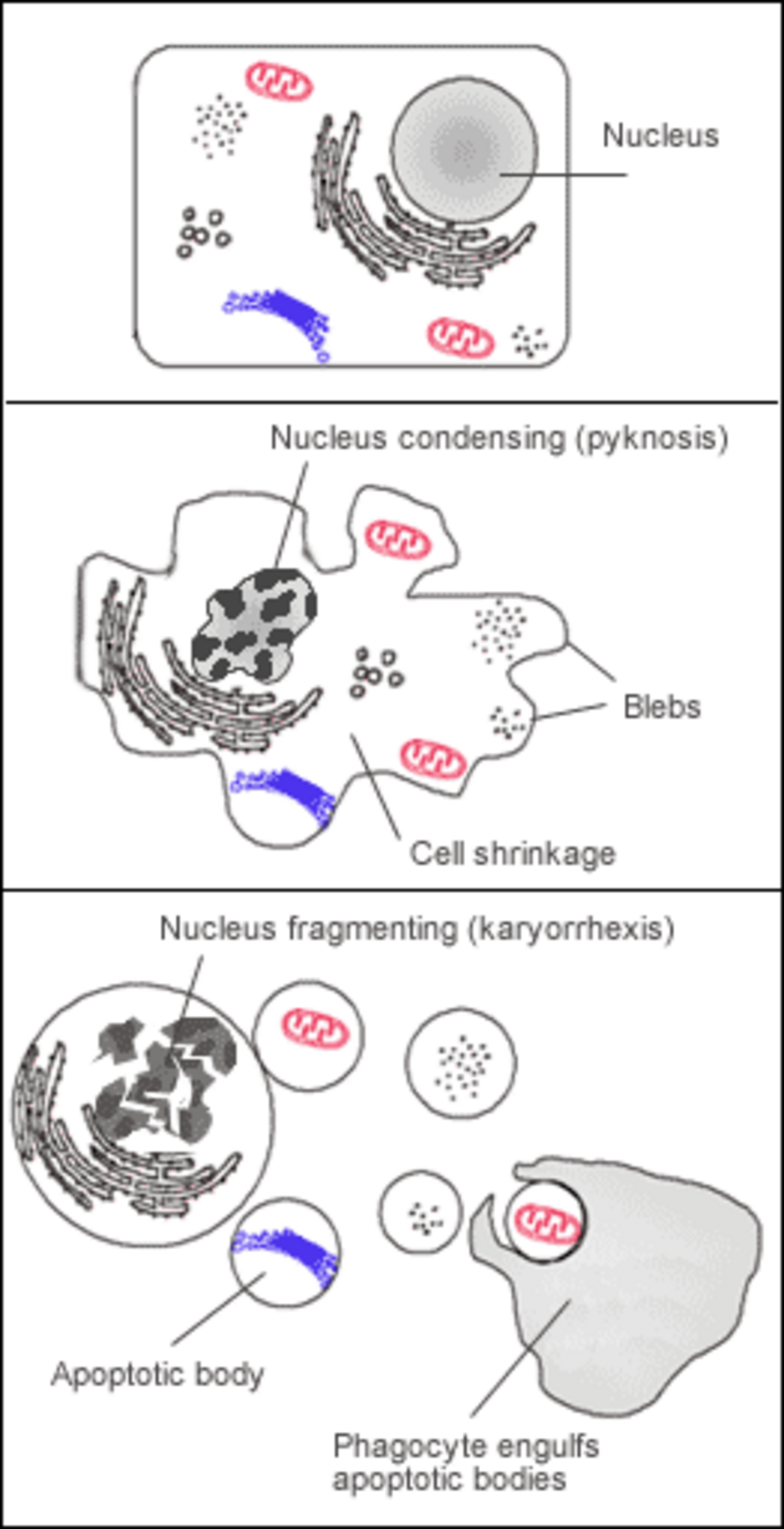
Diagram illustrating the process of apoptosis, or programmed cell death, in three stages. Emma Farmer, Public domain, via Wikimedia Commons
The rate of this growth is boosted by exercise and learning, meaning your daily habits literally dictate the birth of your future thoughts.
How the brain builds neurons from stem cells
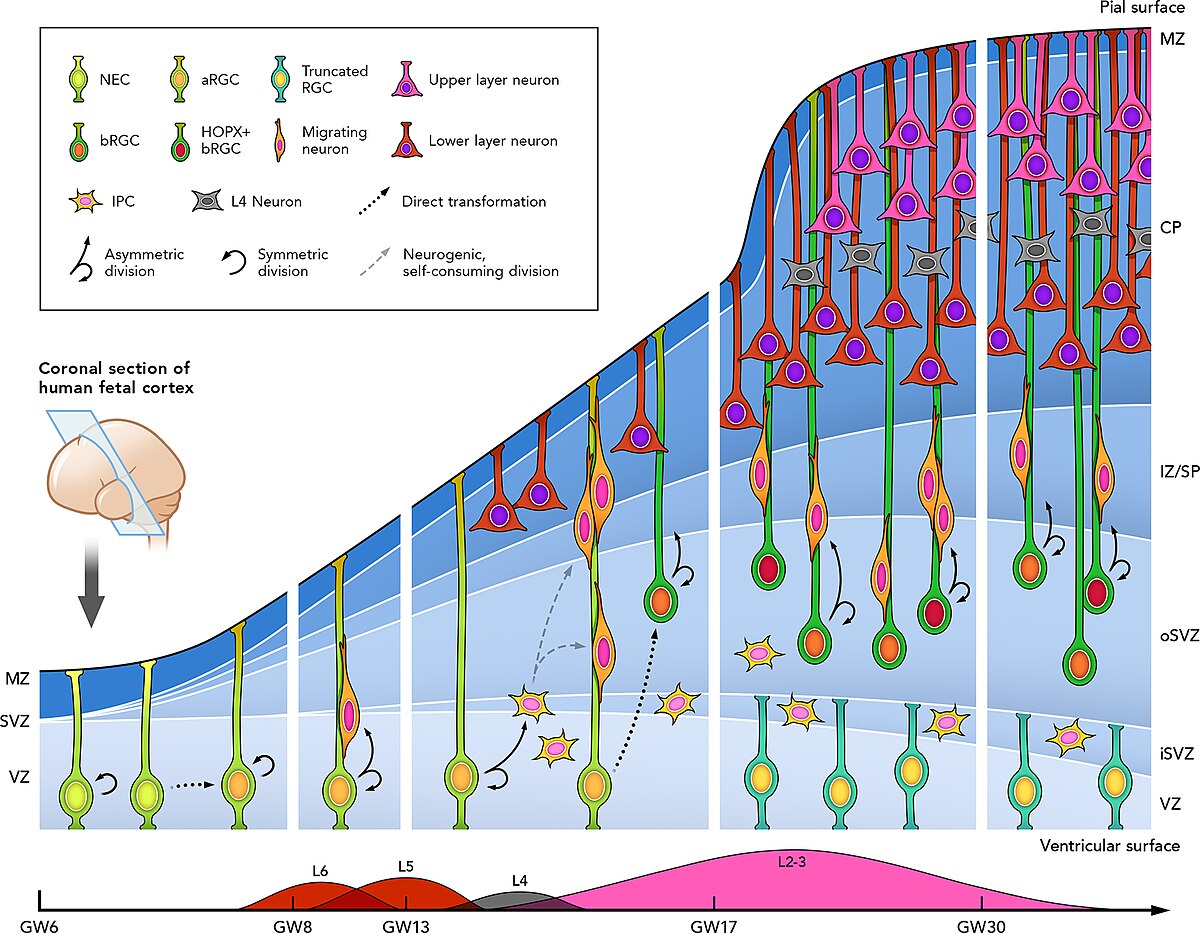
In the developing central nervous system, all neurons originate from the neural tube. Early stem cells called neuroepithelial cells multiply and transform into radial glial cells, the primary stem cells of the mammalian brain. These cells divide either to produce neurons directly or to yield intermediate neuronal precursors that divide again to form neurons.
This diagram tracks how stem cells in the ventricular zone divide, migrate outward, and establish the distinct layers of the cerebral cortex. Shyam K Akula , David Exposito-Alonso , Christopher A Walsh, CC BY 4.0, via Wikimedia Commons
Newborn neurons do not immediately wire into circuits. They migrate long distances from their birthplace, such as moving from the fluid-adjacent ventricular zone to the cortical plate to form the cerebral cortex. Molecular cues, genetic switches like the Notch signaling pathway, and chemical DNA modifications direct this entire sequence of migration and cell specialization.
Where adult neurogenesis happens
Adult neurogenesis occurs at much lower levels than embryonic development and is restricted to select brain regions. In humans, new neurons appear in the subventricular zone of the lateral ventricles, the amygdala, and the dentate gyrus of the hippocampus.
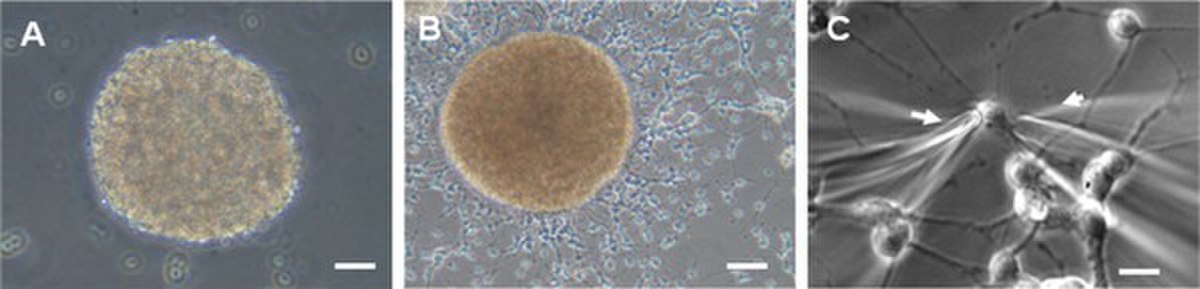
Microscopic panels show neural stem cells as a clustered neurosphere, migrating outwards, and extending branch-like processes to mature into functional neurons. derivative work: CopperKettle (talk) Neural progenitor cells.png: Smith DO et al., CC BY 2.5, via Wikimedia Commons
In the subventricular zone, dormant astrocyte stem cells activate to create intermediate proliferating cells, which then generate migrating neuroblasts. In rodents, these cells travel along the rostral migratory stream into the olfactory bulb to become inhibitory interneurons. In the hippocampus, adult-born neurons support memory formation and spatial navigation, surviving only if they form functional synaptic connections with surrounding circuits.
Test yourself
What was the medical establishment's prevailing belief about adult brain cells before Joseph Altman's discovery?
You were born with all your brain cells. For decades, science firmly believed the adult brain was fixed and could never grow new cells.
What happens to newly generated neurons during neurogenesis if they fail to integrate into existing circuits?
They wither away without connecting. New neurons must undergo synaptogenesis to survive. Unintegrated cells simply wither away.
How do daily habits directly influence the process of neurogenesis in the adult brain?
Exercise and learning boost the growth rate. Engaging in exercise and learning actively boosts the rate at which new neurons are born.
Play the lesson in edgi and the card is yours. It lands on your Map next to the ideas it connects to, and turns from matte to foil to gold as you learn more around it.
Neurogenesis occurs across almost all animal species. The only known exceptions without neuron production are sponges (porifera) and placozoans.
When does human embryonic neurogenesis start and end?
In humans, developmental neurogenesis begins around gestational week 10. It largely concludes around gestational week 25, well before full-term birth at 38 to 40 weeks.
Can mature neurons divide to make more brain cells?
No, mature neurons do not undergo mitosis. Once a neuron is fully formed, it stops dividing and typically survives for the entire lifespan of the organism.