SynaptogenesisWhy a toddler has twice your synapses
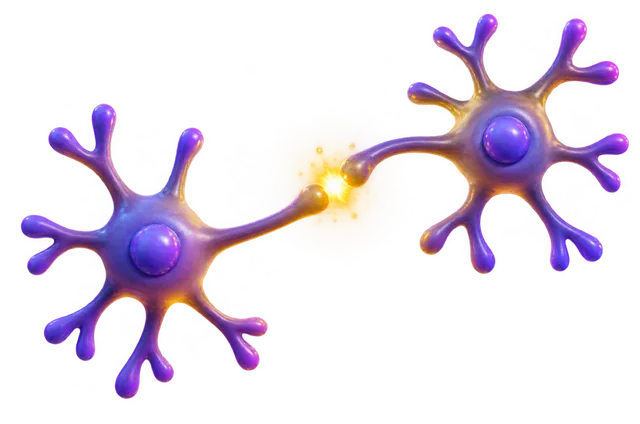
Synaptogenesis is the process where neurons form synapses, which are the specialized communication junctions between nerve cells. While it continues throughout life, an explosion of new connections occurs during early development, building a massive surplus of neural pathways. This overproduction gives young brains the flexibility to adapt to their environment before unused connections are trimmed away.
By the edgi team We find the most surprising true thing about an idea and build a 60-second lesson around it.
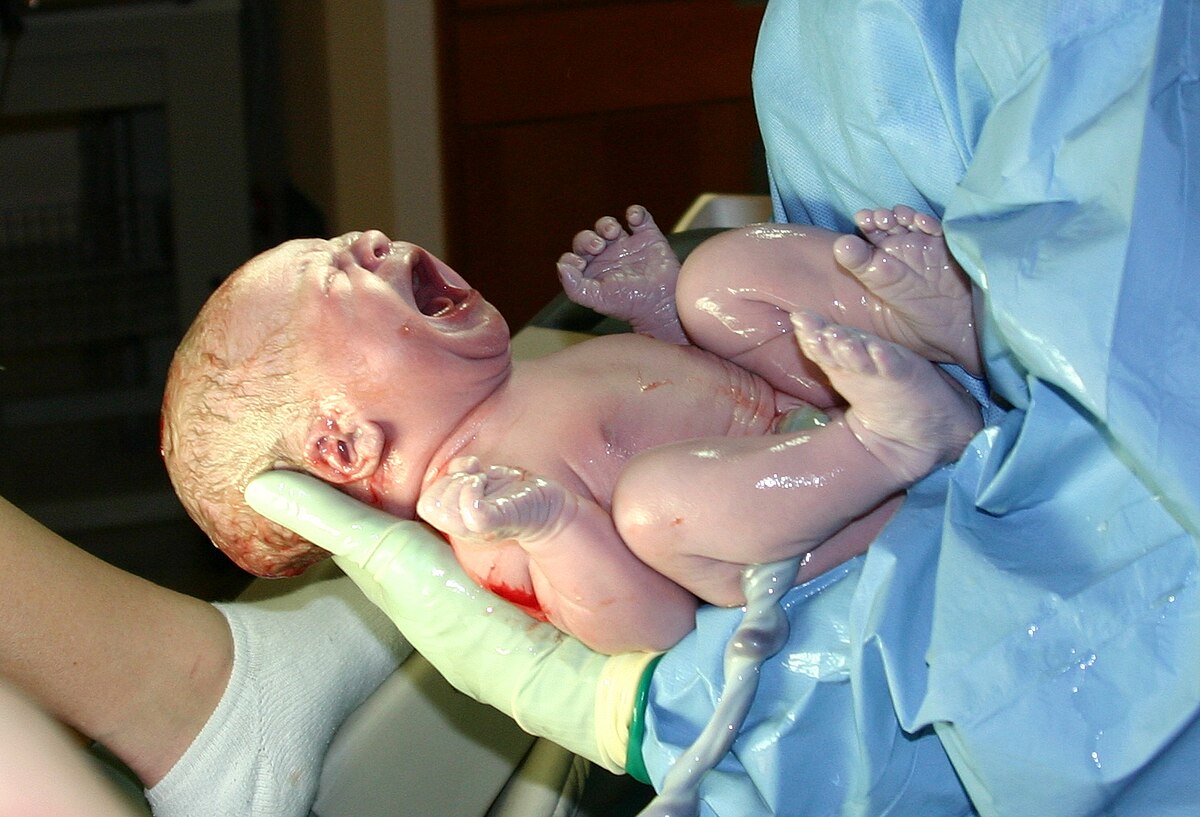
Your infant brain builds a massive surplus of neural pathways to help you learn any language or skill your environment demands. This explosive growth is called synaptogenesis, creating a dense web of over a hundred trillion junctions between neurons.
A newborn baby is shown crying immediately after birth, being held by medical personnel in blue scrubs and green gloves. Ernest F, CC BY-SA 3.0, via Wikimedia Commons
Counting the connections
In the 1970s, neuroscientist Peter Huttenlocher began counting microscopic synapses in human brain tissue across different ages. He discovered that by age two, a child has roughly double the number of synapses of an adult, a state called exuberant synaptogenesis.
Sculpting the mind
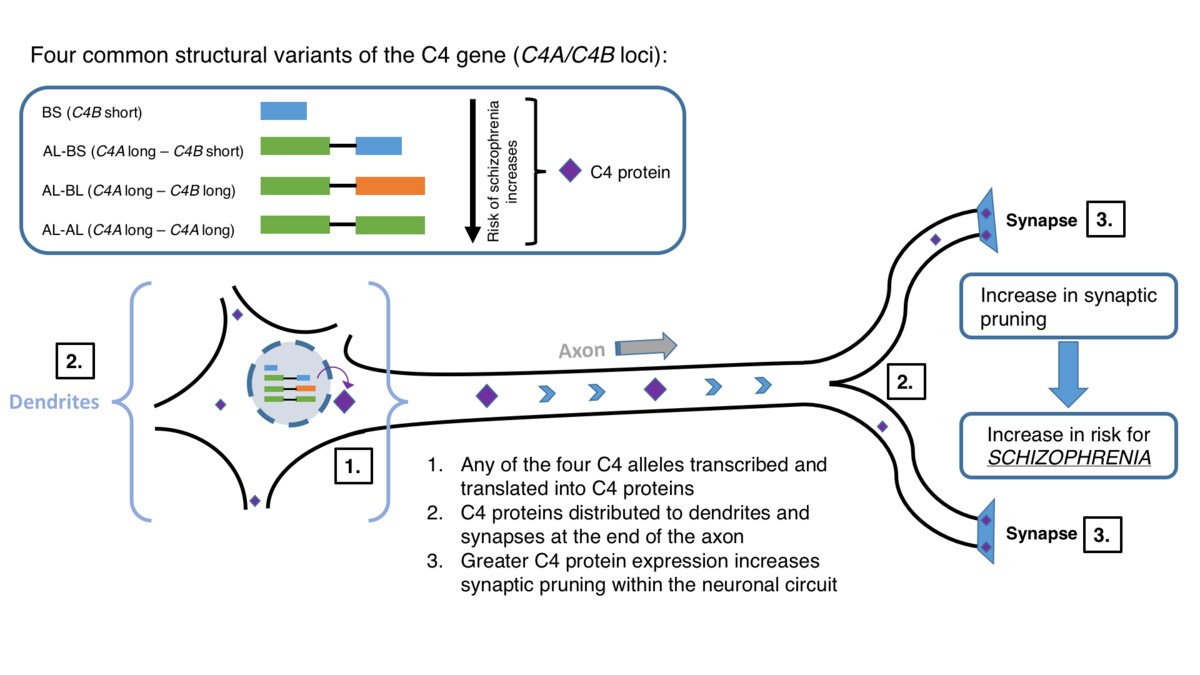
This peak density creates a critical window where the brain is hyper-plastic, waiting for the world to shape its circuits. If a connection is not used, it is systematically deleted through synaptic pruning, leaving behind a streamlined, efficient mind.
How neurons find each other and build connections
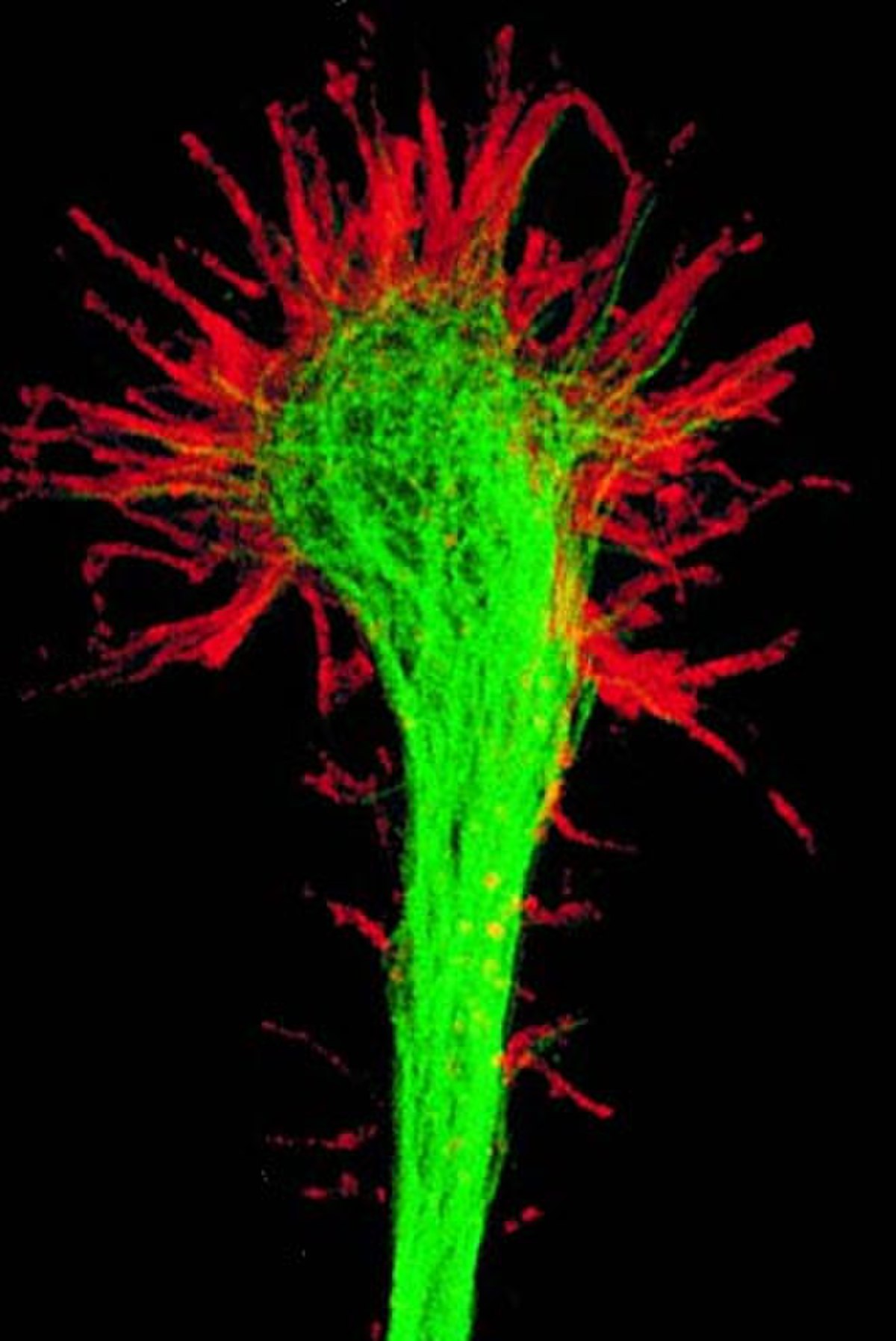
Developing axons steer through the brain using specialized structures at their tips called growth cones. These growth cones detect attractive and repulsive chemical guidance cues, including netrins, semaphorins, ephrins, and Slit family proteins, which signal whether the axon should advance, turn, or stop.
Axonal growth cones extend from developing neurons to detect guidance cues and form new synapses. Public domain, via Wikimedia Commons
Once a growth cone reaches its target, synaptic adhesion molecules lock the two sides of the junction together. Proteins such as neurexins and neuroligins connect across the synaptic space, organizing both the sending and receiving machinery for excitatory or inhibitory signals.
Why the infant brain overproduces synapses
In humans, exuberant synaptogenesis begins during the third trimester of pregnancy and peaks within the first two years after birth. Neuroscientist Peter Huttenlocher discovered that two-year-old children have roughly double the synaptic density of adults, creating over a hundred trillion junctions.
This dense network creates a critical period of high plasticity where external input shapes brain circuits. Synaptic pruning later removes excess connections through selective deletion and axon retraction, while synapses that are not used or are inhibited during this window fail to develop normally later in life.
Test yourself
Does synaptogenesis build a permanent wiring network or a temporary surplus?
A temporary surplus waiting for pruning. Infant brains create an overabundance of synapses that are later sculpted through pruning, keeping only the used pathways.
Why does a two-year-old brain have roughly double the synapses of an adult?
Due to exuberant synaptogenesis before pruning. The infant brain builds a massive surplus of pathways which are later trimmed down to form the adult neural structure.
What role does synaptic pruning play in early brain development?
It removes unused connections to streamline circuits. Pruning systematically deletes connections that are not used, leaving behind an efficient and streamlined mind.
Play the lesson in edgi and the card is yours. It lands on your Map next to the ideas it connects to, and turns from matte to foil to gold as you learn more around it.
No, synaptogenesis occurs throughout a person's lifespan. However, the most intense burst, known as exuberant synaptogenesis, is concentrated between the third trimester of pregnancy and age two.
What happens to the extra synapses after early childhood?
Excess synapses are eliminated through synaptic pruning. Neurons compete for neural growth factors, causing unused branches to retract or degenerate while active, reinforced pathways are preserved.