A critical period is a developmental window in an organism's life when the nervous system requires specific sensory experiences to form proper neural connections. Without the right input during this stage, the brain permanently fails to develop functions like normal vision or fluent first-language acquisition. Once the window closes, high plasticity declines, making missed wiring difficult or impossible to reconstruct later.
By the edgi team We find the most surprising true thing about an idea and build a 60-second lesson around it.
In the 1930s, ethologist Konrad Lorenz found that newly hatched goslings would follow the first moving object they saw. Whether it was their mother or his own rubber boots, they imprinted on it within the first few hours of life.
Portrait of Konrad Lorenz, an Austrian zoologist, ethologist, and ornithologist, known for his work on imprinting. Max Planck Gesellschaft (Eurobas), CC BY-SA 3.0, via Wikimedia Commons
Miss that fleeting window, and the bond could never be formed.
The wet clay of the brain
These windows are called critical periods: times when the nervous system is intensely sensitive to environmental stimuli. Driven by high neuroplasticity, the brain acts like wet clay, molding itself to whatever input it receives.
A kitten raised in a room with only vertical stripes will literally fail to develop the brain cells needed to see horizontal lines.
The human window
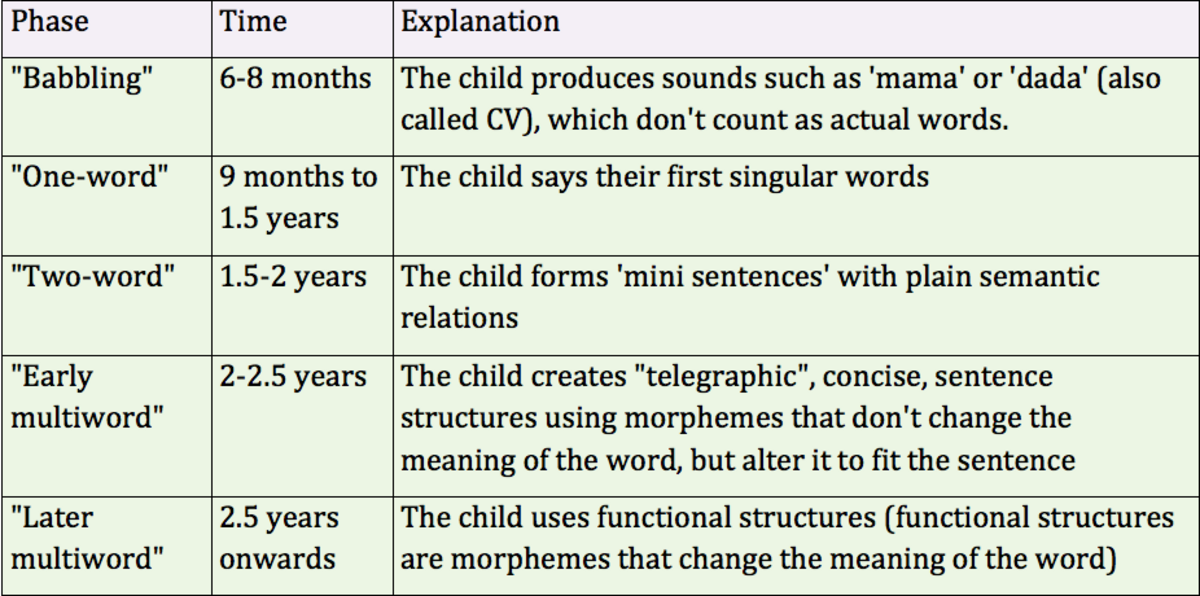
This biological timer applies to humans, too, most famously in language acquisition. Children who are not exposed to human speech before puberty often lose the ability to ever learn language fluently.
A table outlines the phases of language acquisition in children, detailing the timeframes and explanations for each stage. Dinglebrob, CC BY-SA 4.0, via Wikimedia Commons
The brain's ability to wire itself isn't a permanent gift. It is a strictly timed offer.
How neurons compete to wire the brain
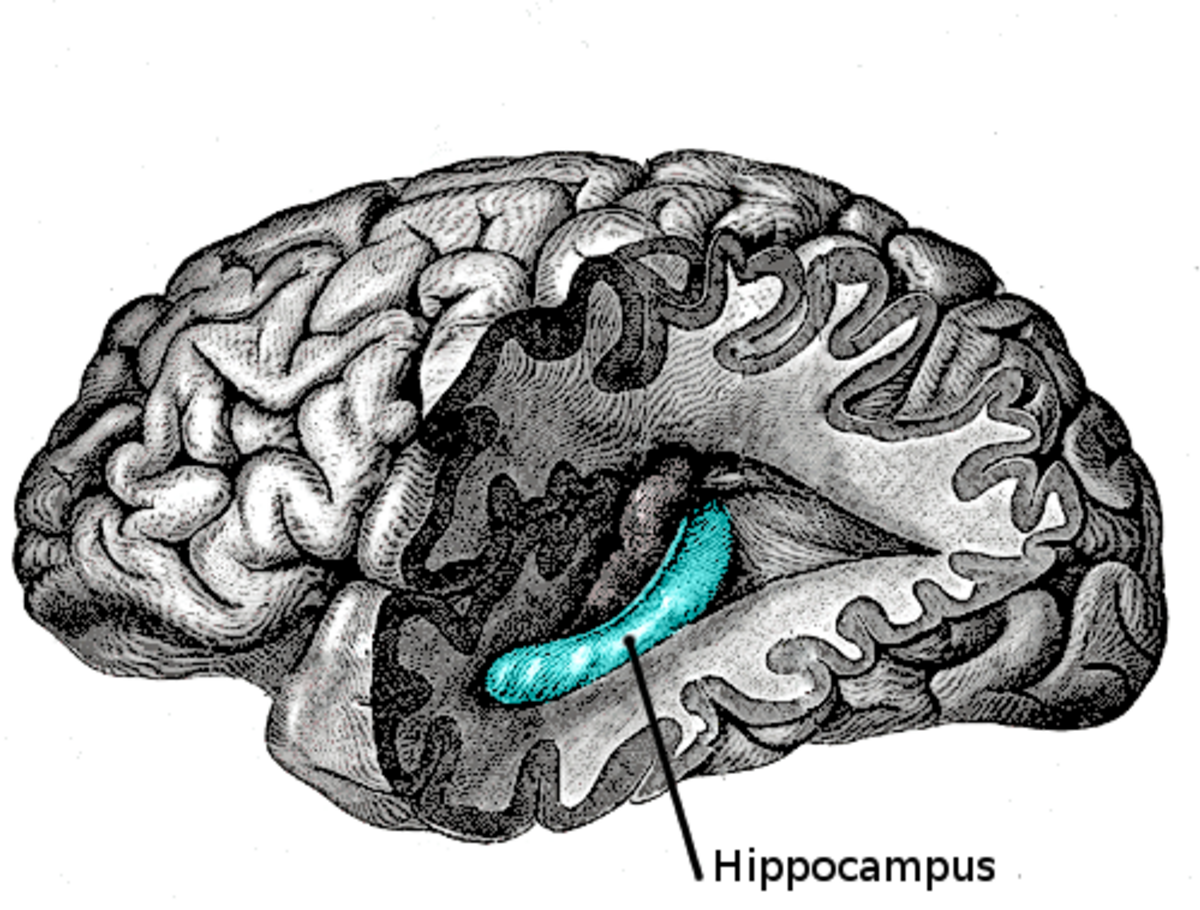
Critical periods rely on activity-dependent competition between neighboring neurons. When multiple cells attempt to connect to the same target, the neuron that fires more electrical signals wins and retains the connection. This rule governs the visual cortex, where cells receiving input from both eyes eventually segregate into columns dedicated to one eye or the other.
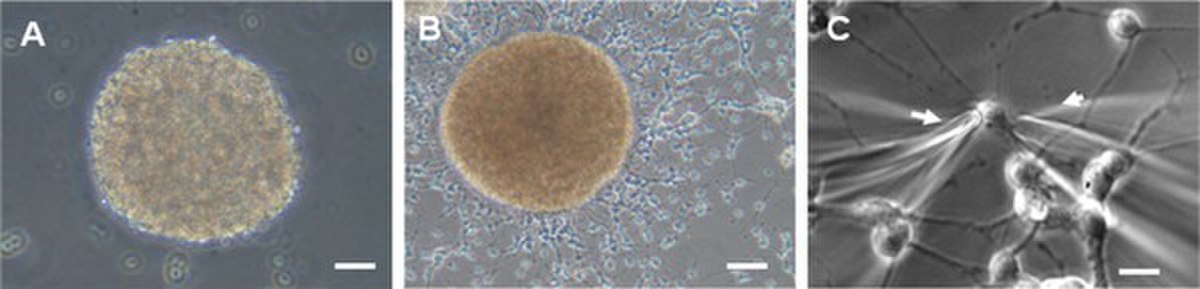
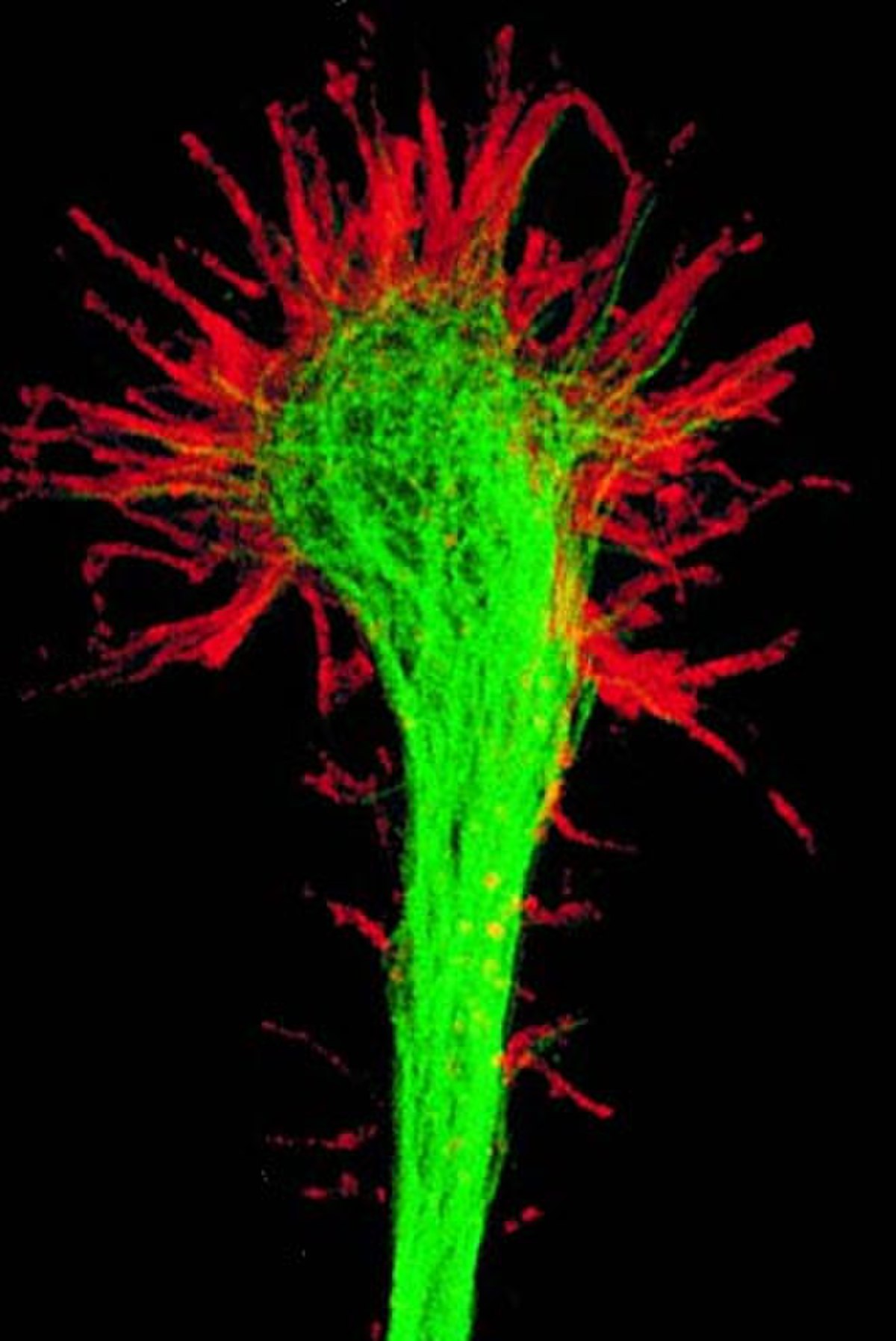
If an eye is covered or deprived of sensory input during its window, active inputs from the open eye claim the neural territory. Resident immune cells in the brain, called microglia, prune away the weaker, less active synapses through engulfment. Axons also branch and grow based on this local rivalry, slowing down if nearby neighbors fire more actively.
What triggers the window to open
Opening a critical period requires both molecular signals and real-world sensory experience. At the cellular level, the onset depends on the maturation of inhibitory circuits, specifically parvalbumin-positive interneurons known as PV cells. Factors such as brain-derived neurotrophic factor (BDNF) and orthodenticle homeobox 2 (Otx2) drive this maturation process.
Early in life, a molecule called polysialic acid (PSA) prevents Otx2 from interacting with PV cells. As PSA levels drop, PV cells mature, activating GABAa receptors that remodel local inhibitory circuits. Artificially removing PSA or altering inhibitory transmission forces the critical period to open ahead of schedule.
Strong vs weak critical periods
Scientists separate these developmental phases into strong critical periods and weak critical periods, which are also called sensitive periods. Strong critical periods apply to traits that cannot be learned after the window shuts, such as filial imprinting, monocular vision development, and Prefrontal Synthesis acquisition.
Weak critical periods apply to skills that can still improve with practice at any age, even if peak sensitivity occurs early. Vocabulary acquisition, grammar processing, phoneme tuning, articulation, musical training, and athletic coordination all belong to this more flexible category.
Test yourself
In a critical period, what makes experience especially influential?
The brain is unusually ready to form specific circuits. High neuroplasticity lets certain experiences shape developing circuits. The window is specific and temporary, not a general lifelong flexibility.
During a kitten’s critical period for vision, it sees only vertical stripes. What may follow?
Circuits for seeing horizontal lines may not form. During a critical period, input helps build particular neural circuits. Missing the relevant input can leave a lasting gap that later practice may not repair.
Does a critical period require ongoing stimulation to maintain its high neuroplasticity?
No, it operates on a biological timer. Critical periods are strictly timed developmental windows driven by biological timers rather than ongoing environmental feedback. Once the window closes, high neuroplasticity for that function ends.
Play the lesson in edgi and the card is yours. It lands on your Map next to the ideas it connects to, and turns from matte to foil to gold as you learn more around it.
When is the human critical period for binocular vision?
The critical period for human binocular vision occurs between three and eight months of age. Sensitivity to visual damage remains present up to at least three years of age.
Can sensory deprivation alter critical period timing?
Yes. While internal clock genes help regulate molecular timing, real-world sensory input is required to trigger the window properly. Depriving an animal of sensory experience interferes with the normal schedule of critical periods.
Can adults recover lost sensory functions after a critical period closes?
Plasticity is very limited in adulthood compared to early life. Some recovery outside defined developmental periods has been observed in recent visual deprivation studies, but most strong critical period traits remain permanently fixed once closed.