Burnout is a state of chronic workplace stress that leads to energy depletion, mental distancing from your job, and reduced professional performance. It is not ordinary tiredness that clears up after a weekend off, but an emotional collapse that occurs when work demands exceed coping capacity. The World Health Organization classifies it as an occupational phenomenon rather than a psychiatric illness, though its symptoms heavily overlap with depression.
By the edgi team We find the most surprising true thing about an idea and build a 60-second lesson around it.
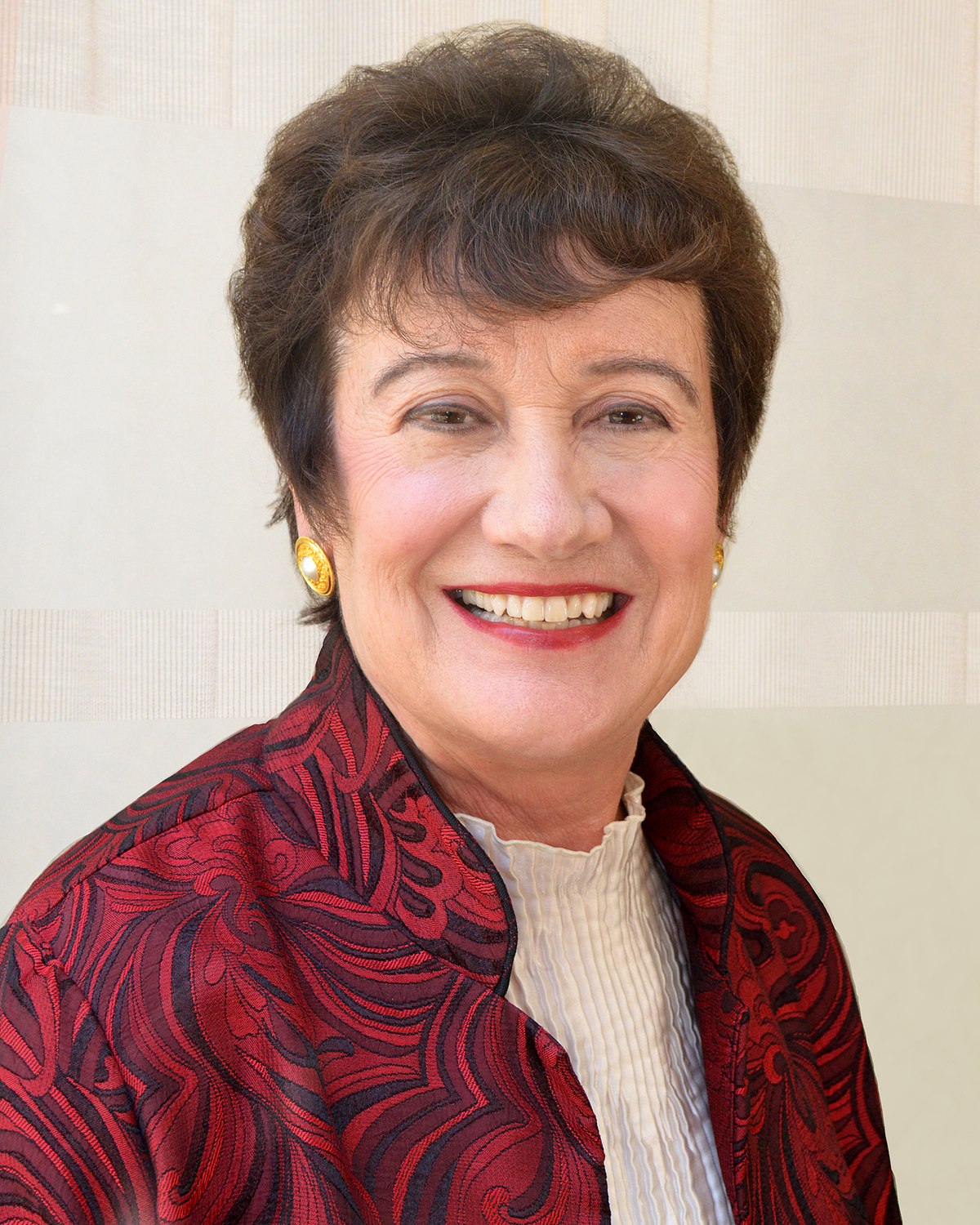
Psychologist Christina Maslach didn't invent the word, but she turned it into a scientific reality in the 1970s. While interviewing stressed social workers, she heard one describe themselves as a lightbulb left on too long.
Portrait of Christina Maslach smiling, wearing a red and black patterned jacket over a white top, and gold earrings. Philip Zimbardo, CC BY-SA 4.0, via Wikimedia Commons
It was a perfect metaphor: the energy is gone, the filament is burnt, and the light simply stops shining.
The brain's defense
Burnout isn't just fatigue. You can sleep for a week and still wake up feeling just as empty. It is a state of Emotional depletion where the brain’s stress response stays on until it effectively breaks.
To survive the constant Emotional labor, the brain creates distance, turning people into objects and tasks into chores. It is a defense mechanism, not a character flaw.
An overhead view of a person with their head in their hands, sitting at a wooden desk with a laptop, notebook, pens, a coffee cup, and a small plant. Ciphr.com, CC BY 2.0, via Wikimedia Commons
The real cost
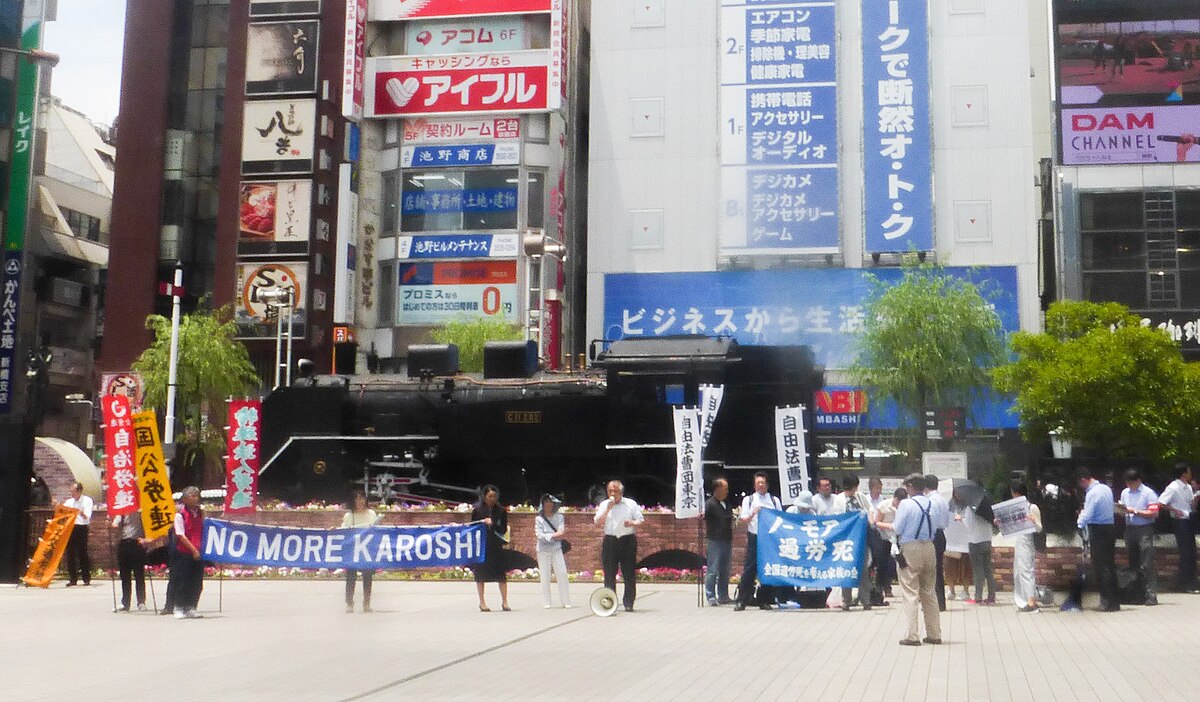
In Japan, this phenomenon has a darker name: Karōshi, or death by overwork. It highlights that burnout isn't just a mood; it is a physical collapse.
A "No More Karoshi" protest in Tokyo, Japan, on June 13, 2018, with people holding banners and signs in front of a black steam locomotive. Nesnad, CC BY-SA 4.0, via Wikimedia Commons
When Quiet quitting becomes the only way to hold onto your sanity, the system itself, not the worker, is the one that is broken.
What are the three main signs of burnout?
The World Health Organization identifies three specific dimensions in its ICD-11 classification. The first is energy depletion or deep exhaustion. The second is an increased mental distance from one's work, which often manifests as cynicism, negativity, or viewing clients and coworkers as impersonal objects. The third is a distinct drop in professional efficacy, where completing everyday responsibilities feels impossible.
An overwhelmed worker clutches his head as competing demands crowd his desk, illustrating the chronic overload that triggers occupational exhaustion. CIPHR Connect, CC BY 2.0, via Wikimedia Commons
Psychologist Herbert Freudenberger also noted physical and behavioral signals in his early 1974 research on free clinic workers. These included persistent headaches, insomnia, closed thinking, and a sudden quickness to anger. Research indicates that burnout rarely looks like a single symptom; instead, it combines systemic fatigue with emotional detachment.
How did burnout become a recognized concept?
Before modern psychology adopted the word, similar workplace exhaustion appeared under different names across history. In 1869, neurologist George Beard introduced neurasthenia, or nervous exhaustion, to describe workers depleted by the demands of civilized communities. European physicians later used terms like Berufskrankheiten for occupational illnesses and Erschöpfungsdepression for exhaustion-induced depression.
The specific term burnout entered academic literature in 1969 when Harold B. Bradley used it to describe overworked prison staff. In the 1970s, Herbert Freudenberger and Christina Maslach formalized the concept by studying human service workers, including social workers and free clinic volunteers, who developed cynicism and severe fatigue while dealing with demanding interpersonal stress.
Test yourself
Is burnout in psychology best resolved by simply taking a long weekend of uninterrupted sleep?
No, it requires fixing chronic stress. Burnout is not ordinary physical fatigue. Even a week of sleep leaves emotional depletion untouched if the underlying workplace stress remains.
When an employee experiences psychological burnout, why does emotional detachment typically occur?
As a defense mechanism to save energy. Detachment acts as a protective circuit breaker when emotional labor outstrips internal resources, rather than being a conscious disciplinary issue.
Is burnout primarily caused by a simple lack of physical sleep?
No, it is emotional depletion. Sleeping for a week won't fix burnout because the issue isn't tired muscles; it's a profound emotional detachment protecting an overwhelmed brain.
Play the lesson in edgi and the card is yours. It lands on your Map next to the ideas it connects to, and turns from matte to foil to gold as you learn more around it.
The World Health Organization classifies occupational burnout as a work-related phenomenon in the ICD-11, not as an independent medical or mental health disorder. However, several European national health bodies do recognize it, and many researchers note that its features strongly overlap with clinical depression.
What is the Japanese concept of karōshi?
Karōshi translates directly to death by overwork. It refers to severe, fatal physical collapses triggered by excessive and unrelenting working hours.