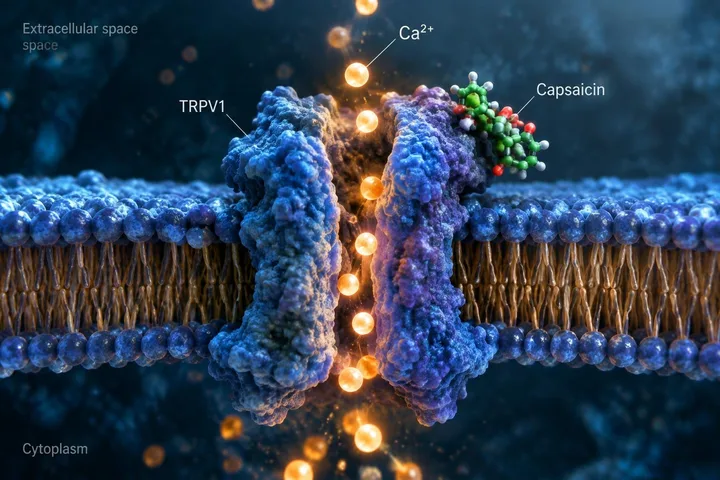
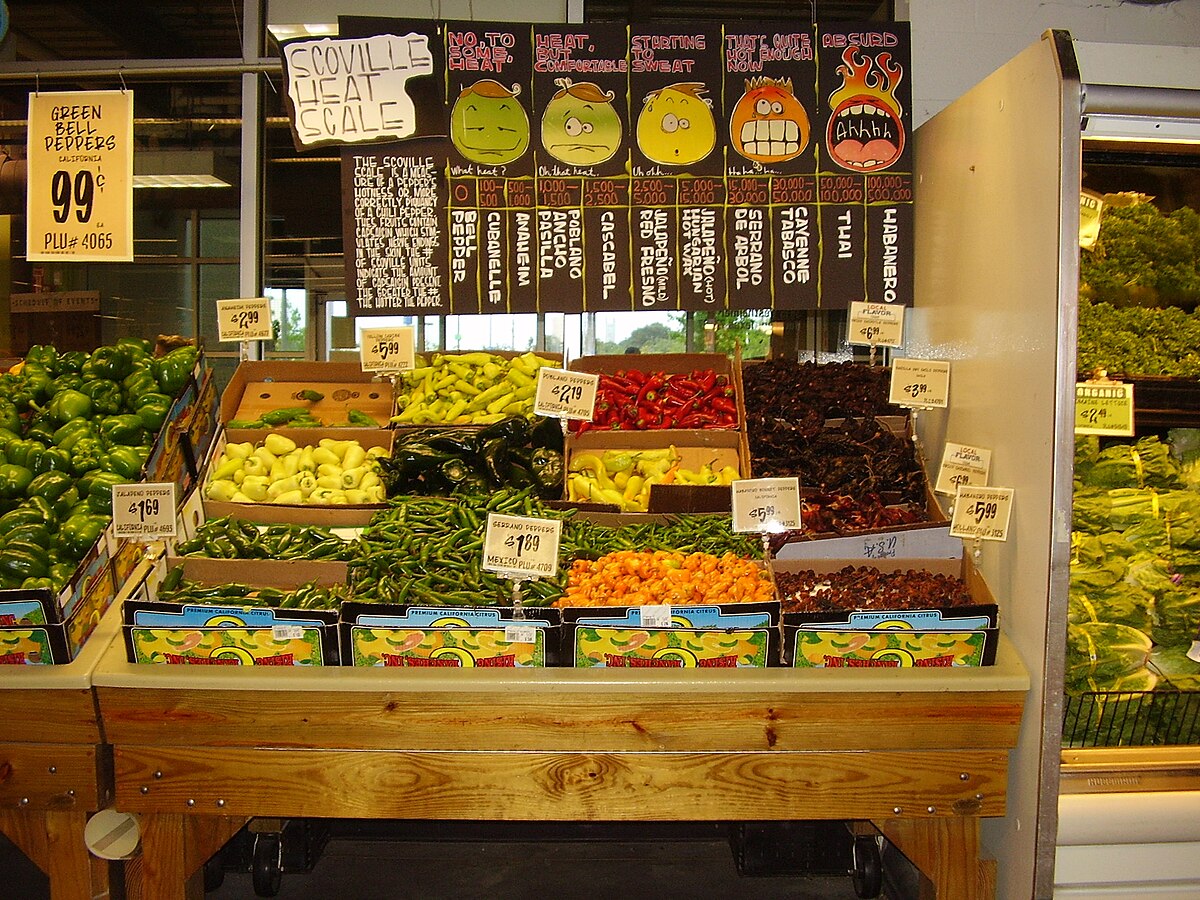
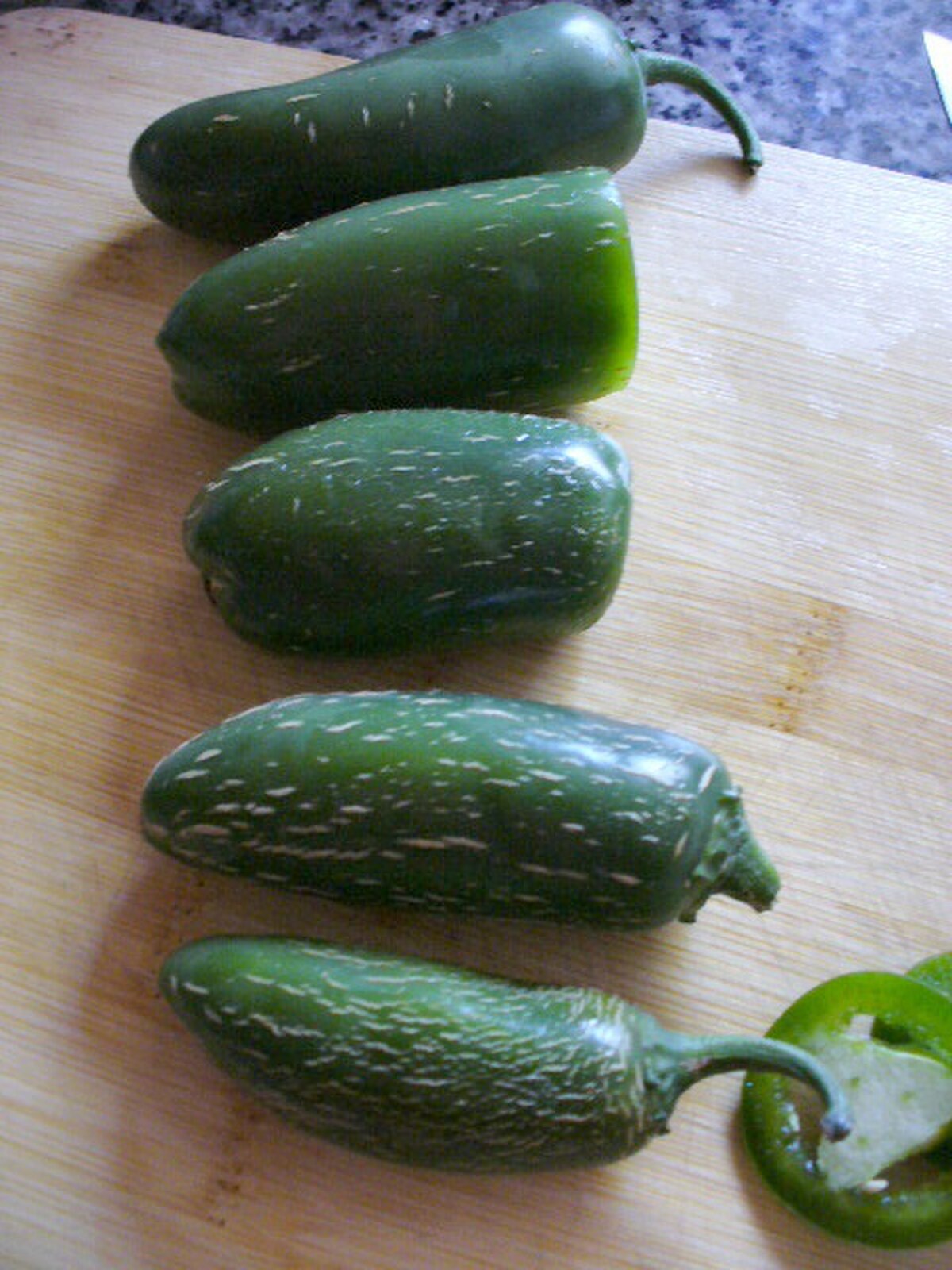
Chili peppers are the berry fruits of plants in the genus Capsicum, part of the nightshade family. They produce capsaicin, a chemical compound that binds directly to heat and pain sensors in our mouths. This interaction tricks the brain into believing the tongue is physically burning, even though no actual burn or tissue damage occurs.
By the edgi team We find the most surprising true thing about an idea and build a 60-second lesson around it.
The heat of a chili pepper isn't a taste; it is a security system. Plants evolved capsaicin to trigger pain receptors in mammals, hoping to stop us from chewing and destroying their seeds.
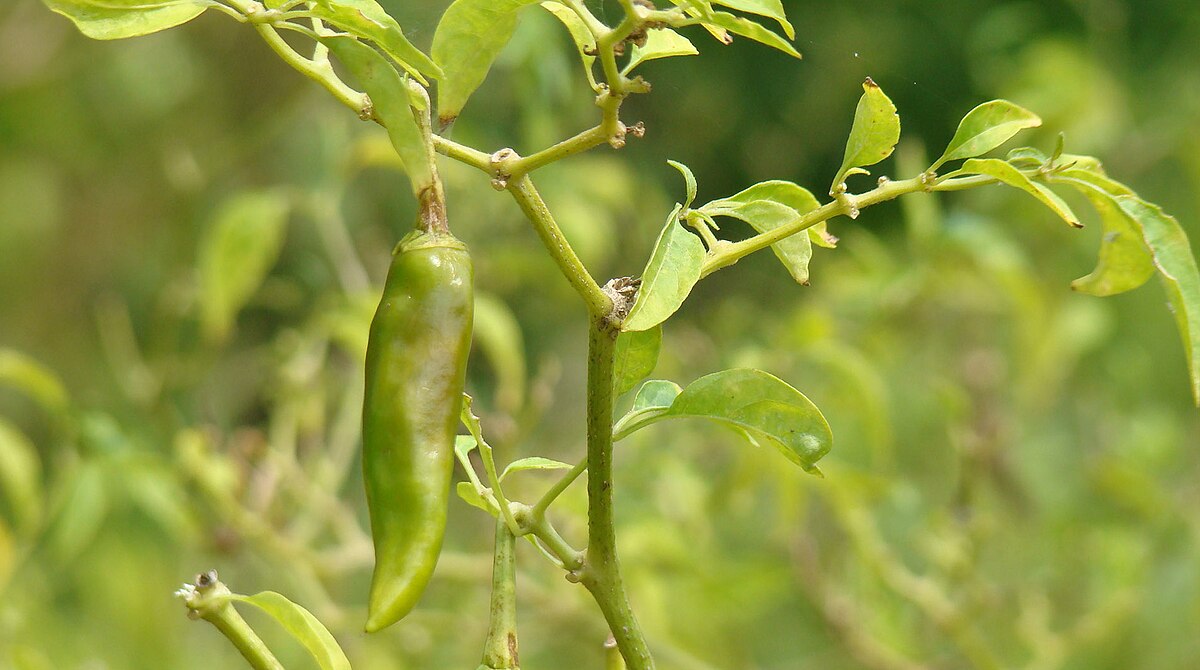
A single green chili pepper hangs from a plant stem, surrounded by green leaves, against a blurred natural background. Rrinsindika (Indika Kumara), CC BY-SA 3.0, via Wikimedia Commons
Birds, however, don't feel the burn. The plant 'wants' birds to eat them because they swallow seeds whole and spread them far away.
The brain hack
When you eat a pepper, Capaicin binds to the sensors in your mouth that detect physical heat, like a hot stove. Your brain gets a false alarm: it thinks your tongue is literally on fire.
It floods your system with sweat and endorphins to cope, which is why spicy food can actually trigger a chemical high.
Measuring the pain
In 1912, pharmacist Wilbur Scoville needed a way to quantify this 'pain' scientifically. He mixed pepper extract with sugar water until a panel of tasters could no longer feel the heat.
A black and white photograph from approximately 1923, showing a male pharmacist compounding a medication using a mortar and pestle in a drug store. Miscellaneous Items in High Demand, PPOC, Library of Congress, Public domain, via Wikimedia Commons
A pepper that required 5,000 cups of water to neutralize earned a 5,000 rating on the Scoville Scale.
How Capsicum plants grow and produce heat
Botanically, chili peppers are berries that grow on small perennial bushes ranging from 20 to 60 centimetres tall. The plants thrive in warm, loamy soil between 21 and 29 degrees Celsius, relying on self-pollinating flowers to produce fruit. Extremely high temperatures between 30 and 38 degrees Celsius can destroy pollen viability and prevent fruiting.
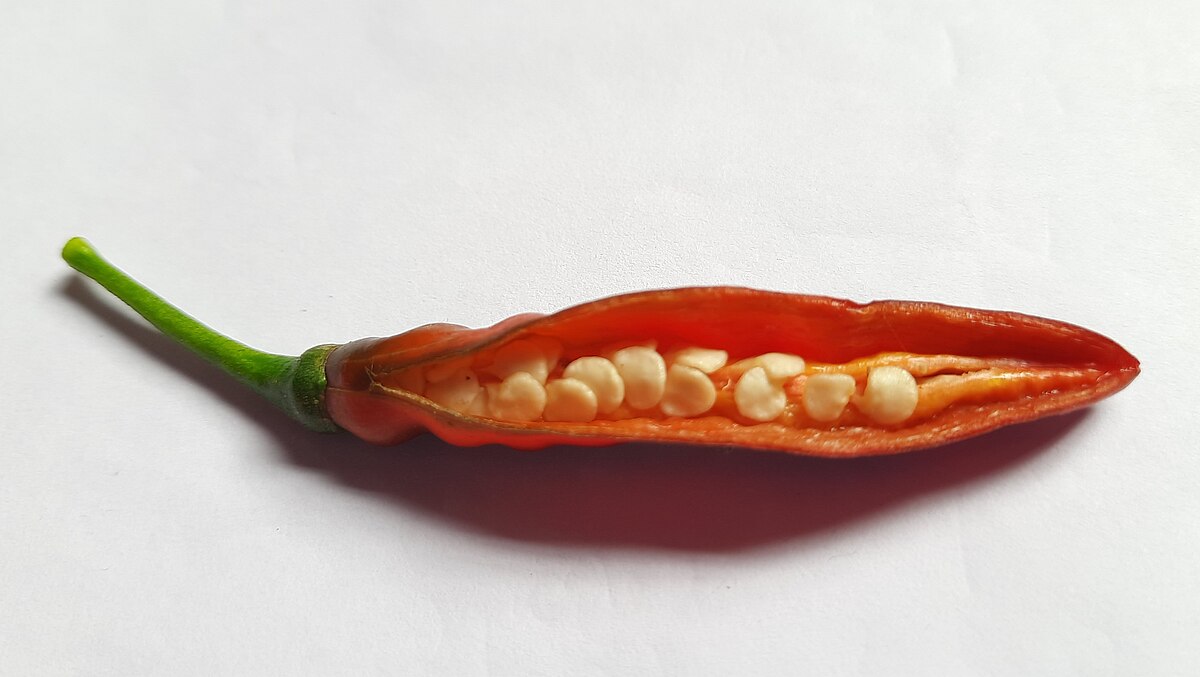
A sliced red chili pepper exposes the seeds and inner structure where heat-producing capsaicin is concentrated. Plague, CC BY-SA 4.0, via Wikimedia Commons
A pepper left on the plant to ripen turns from green to colors like red, orange, or purple. Leaving the fruit to mature yields hotter peppers with intense capsaicinoid levels, though it reduces the plant's overall fruit harvest compared to picking green peppers early.
How chili peppers spread around the world
Chili peppers originated in modern-day Peru and Bolivia, with archaeological evidence showing human diets included them as early as 7,500 BC. Five species were domesticated across the Americas: annuum, baccatum, chinense, frutescens, and pubescens. Peru maintains the highest diversity of these cultivated species, while Bolivia holds the largest diversity of wild forms.
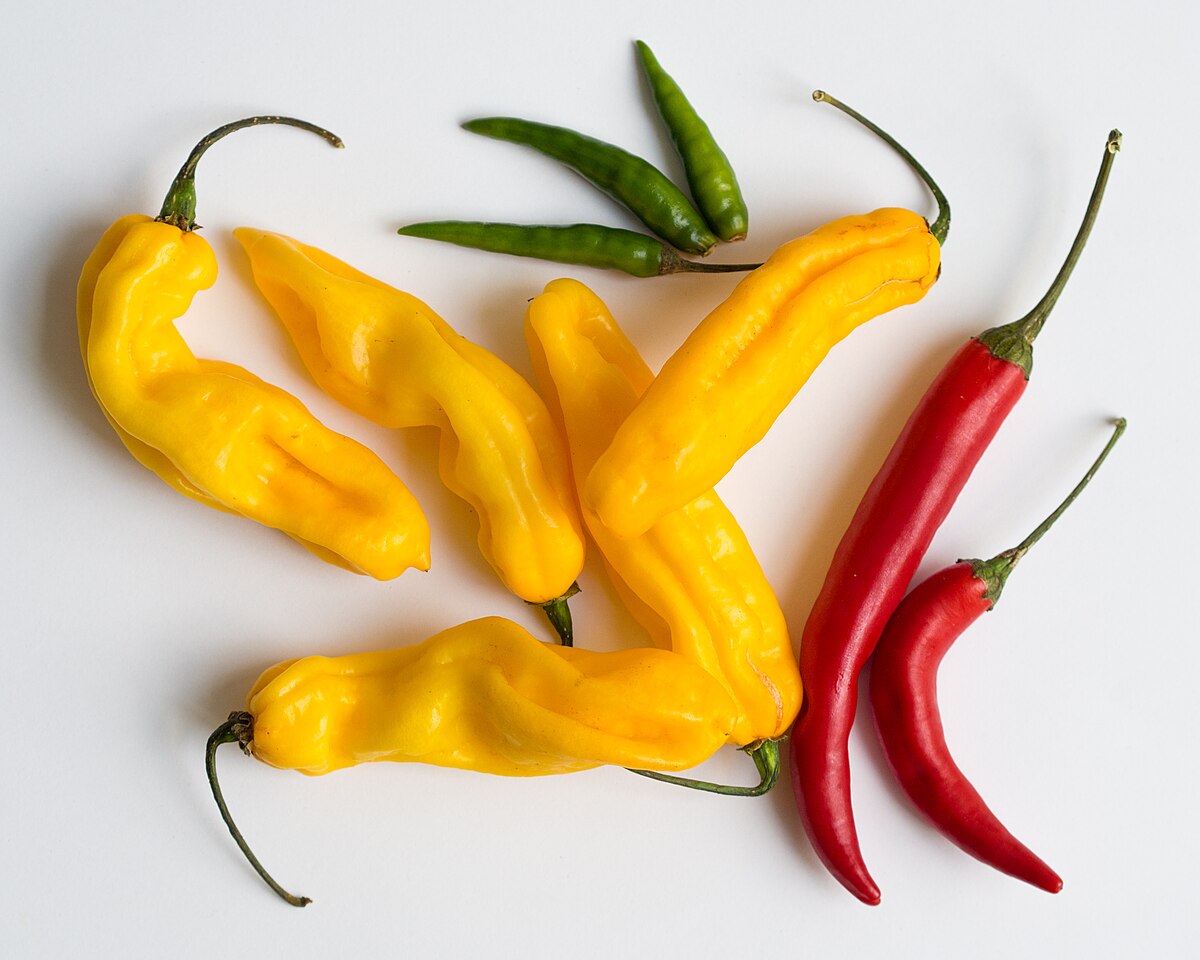
A display of Capsicum berries shows the diverse colors, shapes, and sizes developed across different cultivated varieties. Takeaway, CC BY-SA 4.0, via Wikimedia Commons
Christopher Columbus encountered the crop in the West Indies, naming it pepper because its spiciness resembled black pepper. Unlike black pepper vines, chili plants easily adapted to temperate European climates. Spanish and Portuguese trade routes rapidly dispersed chili varieties across Africa, India, and East Asia during the 16th century.
Harvesting and drying chili peppers
Harvested peppers are used fresh or dried for long-term storage and processing into spices like paprika or chili powder. In warm climates, growers typically spread whole chilies on the ground or mats in the sun to dry out moisture.
Harvested red chilies are laid out across outdoor mats to dry in the sun for preservation and trade. The original uploader was John Hill at English Wikipedia., CC BY-SA 3.0, via Wikimedia Commons
For home preparation, peppers can be threaded with cotton and suspended in warm, dry spots. Growers must watch for pests like sap-feeding aphids and spider mites, as well as grey mould, which rots plant tissue.
Test yourself
Why do birds eat fiery chili peppers without experiencing any burning sensation?
They lack the specific receptors. Birds lack the specific sensory receptors that capsaicin binds to, meaning they never receive the false alarm of physical heat.
Is capsaicin in chili peppers meant to attract animals or repel them?
Repel mammals. Plants evolved capsaicin as a chemical defense to deter mammals from destroying their seeds, while allowing birds to spread them intact.
Birds are immune to the spicy burn of capsaicinoids.
True. Birds lack the specific pain receptors that respond to capsaicin, allowing them to eat the peppers and spread the seeds far and wide.
Play the lesson in edgi and the card is yours. It lands on your Map next to the ideas it connects to, and turns from matte to foil to gold as you learn more around it.
Is the name chili related to the country of Chile?
No, the name is unrelated to the South American country. The word chili comes from the Classical Nahuatl word chilli, which refers directly to the Capsicum plant.
How does the Scoville scale measure heat?
Created in 1912 by Wilbur Scoville, the test dilutes pepper extract in sugar water until a human panel can no longer detect the heat. The numerical score reflects the dilution ratio required to neutralize the sensation.
Why do birds eat hot peppers without discomfort?
Birds lack the specific pain receptors that capsaicin triggers in mammals. They eat peppers and swallow the seeds whole, helping the plant disperse its seeds undamaged over long distances.