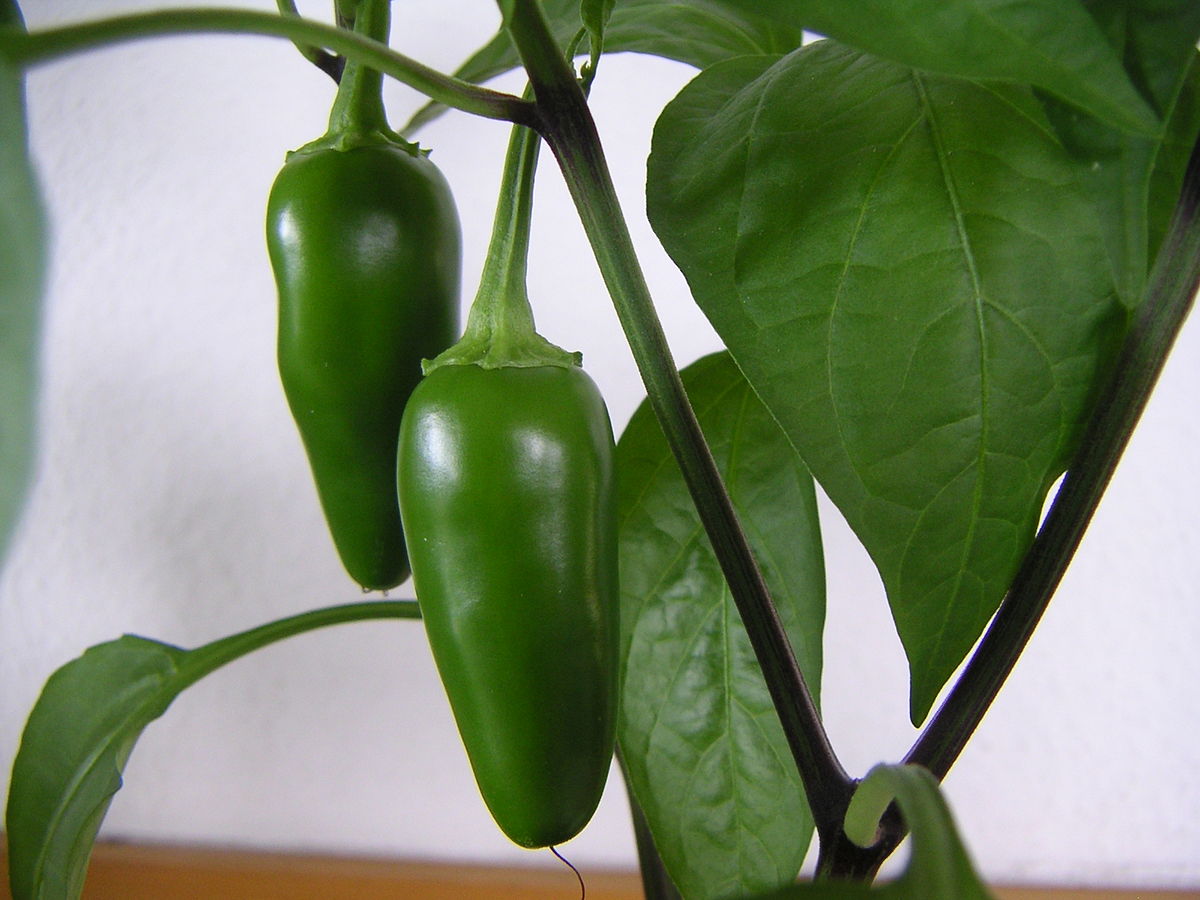
A jalapeño is a medium-sized chili pepper cultivar of the species Capsicum annuum, typically measuring 5 to 10 centimeters long. It gets its signature moderate heat from capsaicin, a chemical evolved to deter mammals while letting birds disperse its seeds unharmed. Although widely consumed fresh and green, ripe red jalapeños are also smoked over wood fires to create chipotles.
By the edgi team We find the most surprising true thing about an idea and build a 60-second lesson around it.
The jalapeño is a thick-walled pepper, which makes it perfect for salsas but terrible for drying. If you leave them out to dry, they just rot.
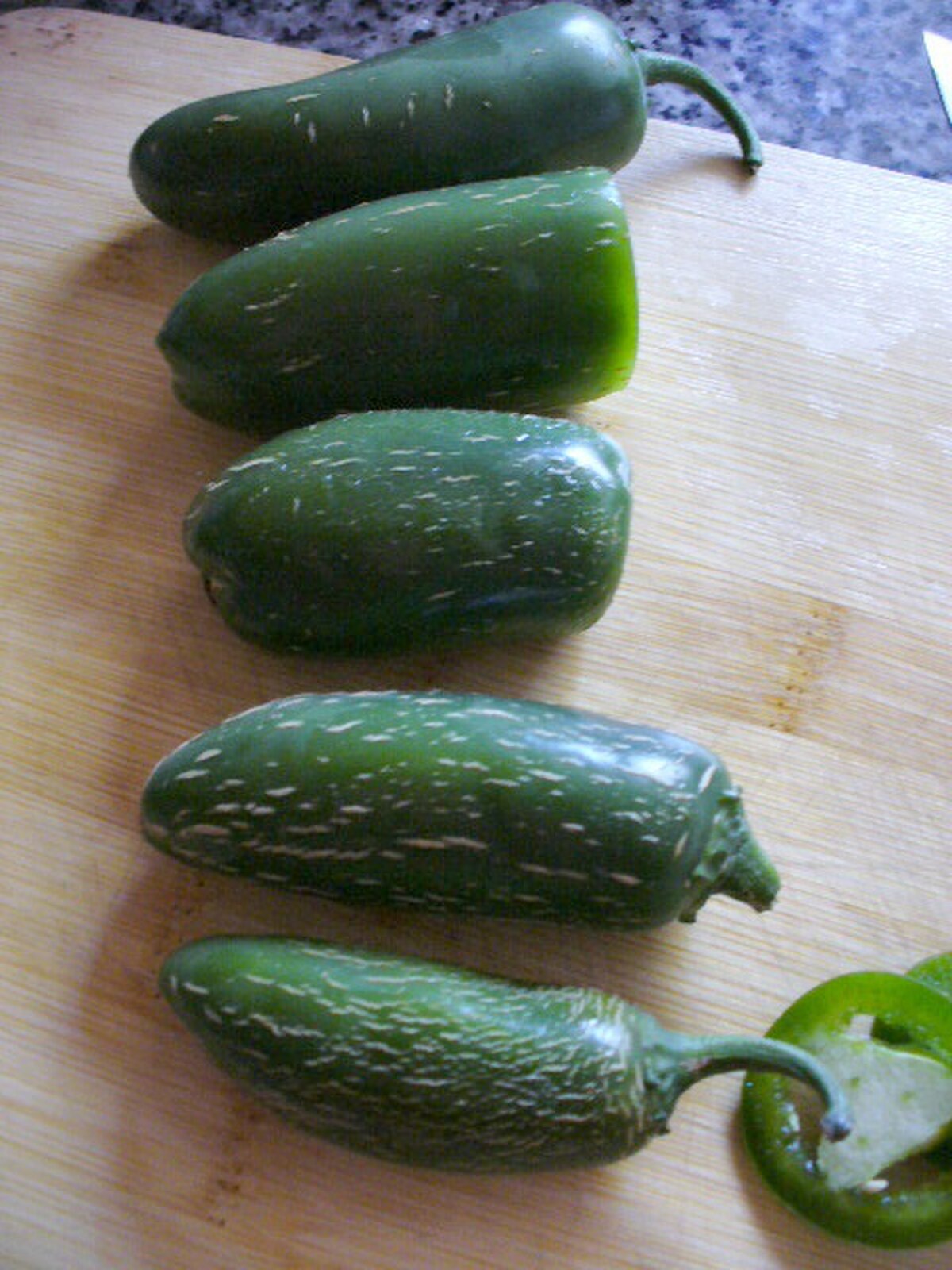
Five whole green jalapeño peppers are arranged in a row on a wooden cutting board, with one sliced jalapeño visible at the bottom right. Auno3 at English Wikipedia, Public domain, via Wikimedia Commons
Ancient farmers solved this by smoking them over wood fires. This transformed the fresh, green pepper into the dark, wrinkled, smoky Chipotle we use today.
The evolutionary defense
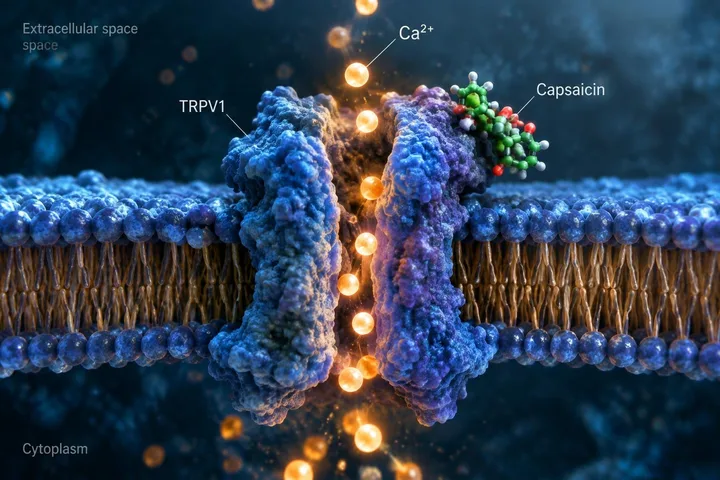
That signature heat comes from a chemical called capsaicin. It evolved as a defense mechanism to stop mammals from eating the fruit.
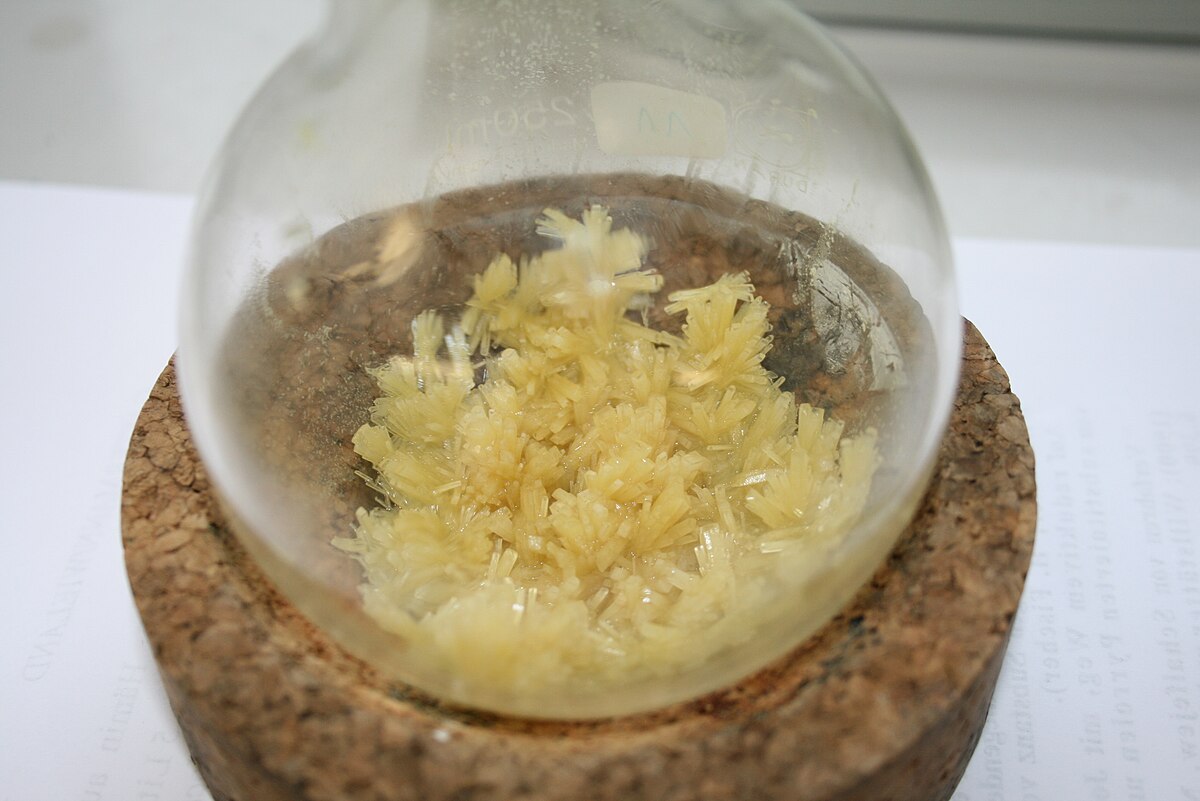
Chemical structure of capsaicin, showing its molecular formula with a methoxy group, a hydroxyl group, an amide linkage, and an unsaturated alkyl chain. Pyrovalerone, CC0, via Wikimedia Commons
Birds, however, don't feel the heat, which is exactly what the plant wants. They eat the fruit and spread the seeds far and wide.
The sweet spot
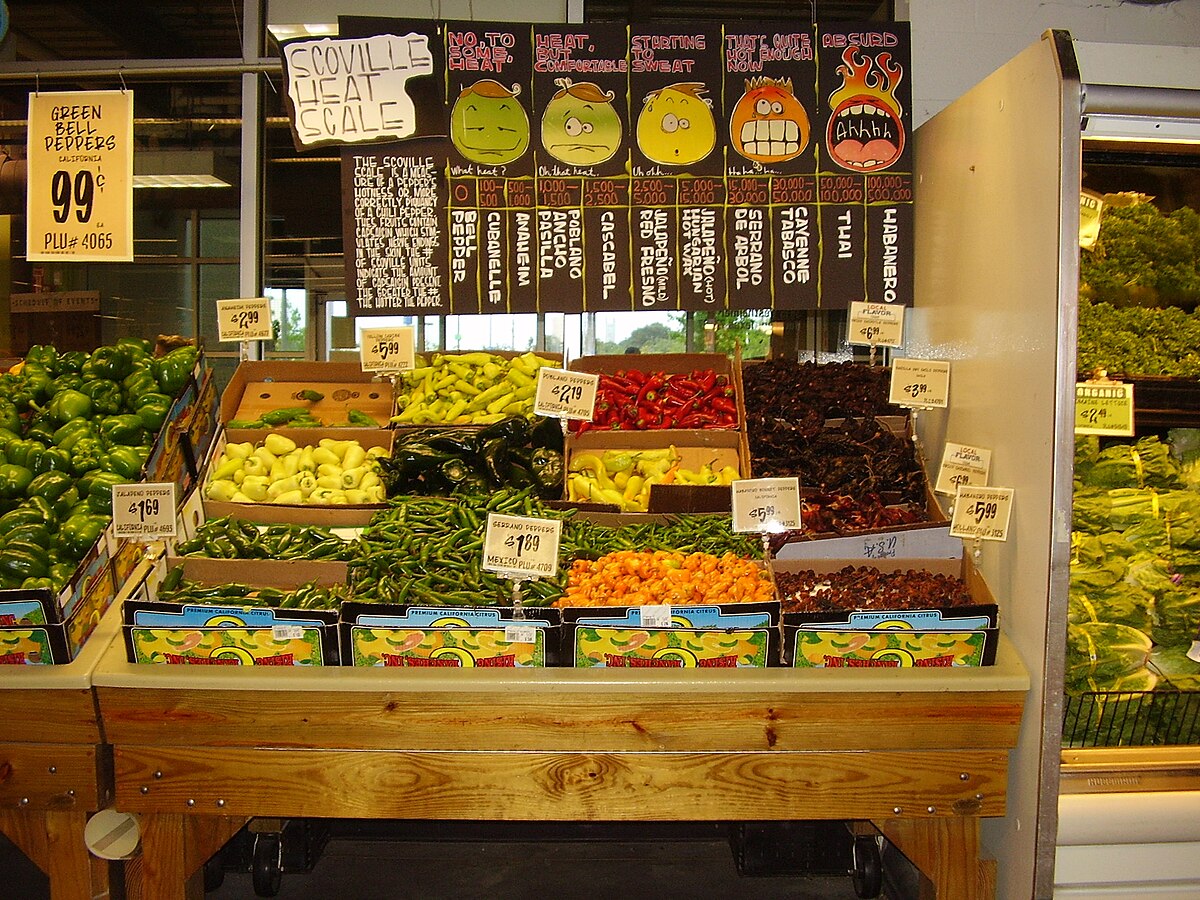
Belonging to the species Capsicum annuum, the jalapeño sits at about 4,000 to 8,500 units on the Scoville Scale. It is a sweet spot of heat, noticeable, but rarely overwhelming.
A display of various chili peppers at Central Market in Houston, Texas, with a prominent sign titled "SCOVILLE HEAT SCALE" featuring cartoon faces depicting increasing levels of heat. WhisperToMe, Public domain, via Wikimedia Commons
This makes it the world’s most versatile chili, providing a sharp, grassy kick that doesn't ruin the dish.
What is a jalapeño pepper?
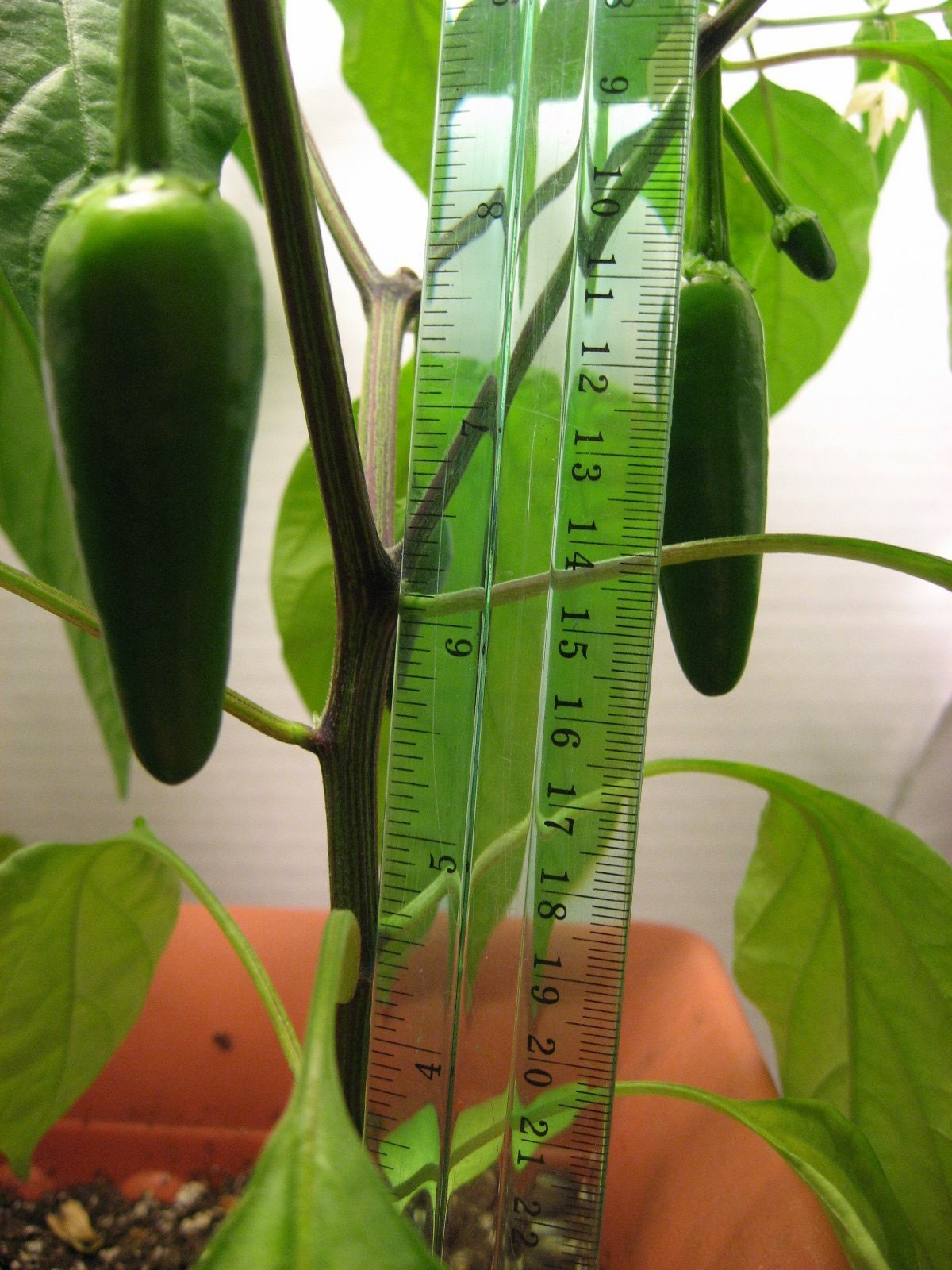
The jalapeño is a distinct genetic clade of chili pepper within Capsicum annuum with no close sister varieties that are not directly derived from it. When mature, the pepper hangs downward from a plant that reaches 70 to 90 centimeters tall. A single plant typically produces 25 to 35 pods across a 70 to 80-day growing cycle.
A ruler shows a typical mature green jalapeño measuring around 7 to 8 centimeters long. Secretservgy at English Wikipedia, CC BY-SA 3.0, via Wikimedia Commons
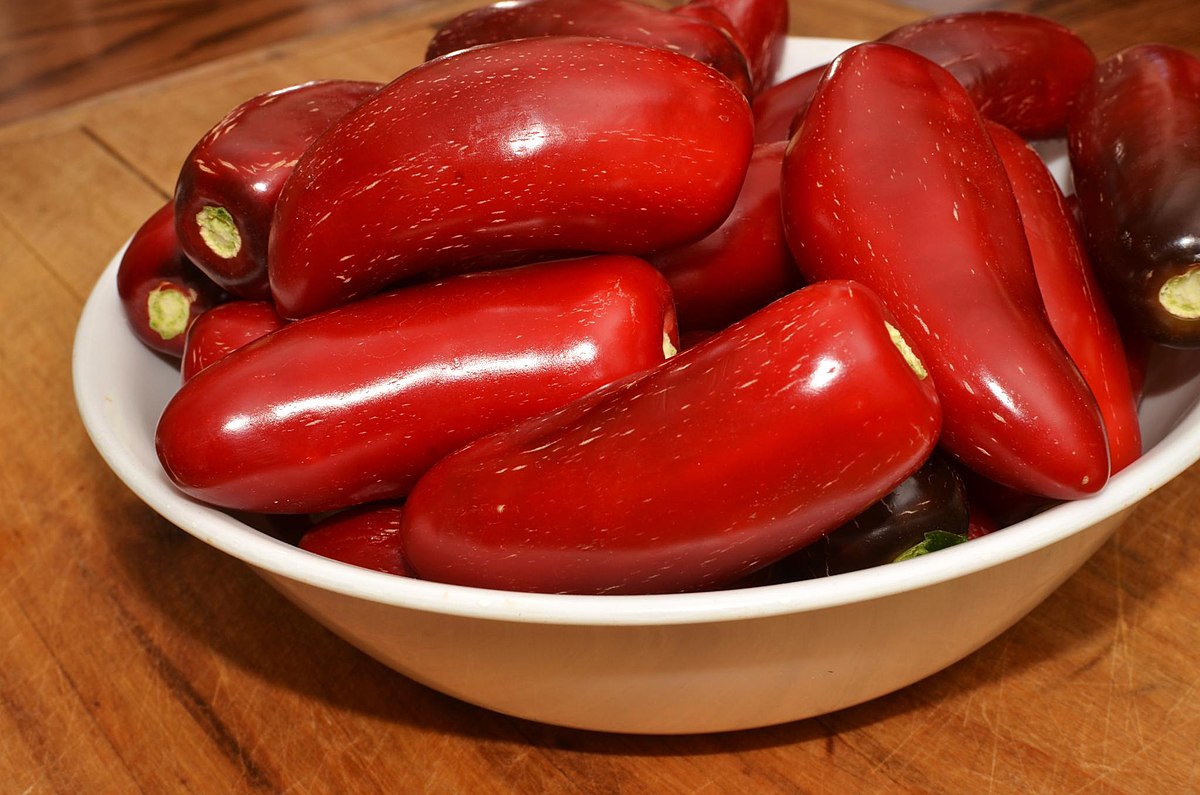
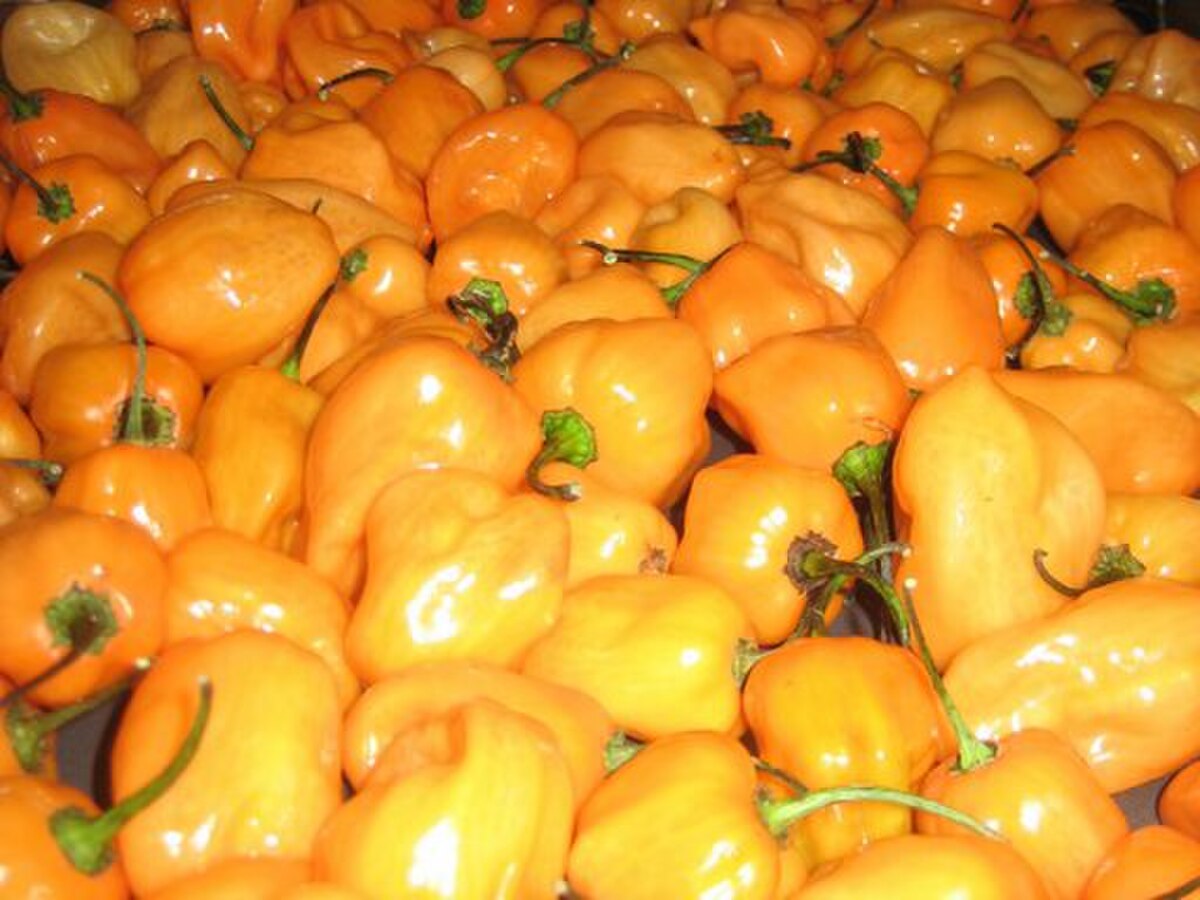
While commonly harvested green, jalapeños ripen to red, orange, or yellow as the season ends. Fully ripened red pods are traditionally called huachinango and are used in products like sriracha sauce. On the Scoville scale, jalapeños register between 4,000 and 8,500 units, making them wider and milder than Serrano peppers.
History and naming
The word jalapeño means 'from Xalapa', the capital city of Veracruz, Mexico. Despite the name, the peppers were not historically grown there; the association comes from Vicente Jiménez, who invented the commercial pickling and canning process in Xalapa.
Fully ripe red jalapeño peppers, known historically as huachinango before processing or smoking. jeffreyw, CC BY 2.0, via Wikimedia Commons
Aztec populations used the pepper long before the Spanish conquest. The Florentine Codex, compiled by Bernardino de Sahagún, notes that Aztec markets sold fresh chilies alongside chipotles (smoked jalapeños) and chipotle-based moles. Because jalapeño pods have thick walls that rot rather than dry in open air, smoke preservation became the standard historical method for curing them.
How jalapeños are cultivated and processed
Jalapeño seeds germinate best at 29 degrees Celsius, taking only 4 to 5 days to reach a 50 percent germination rate. The plants require full sun, well-drained soil with a pH between 4.5 and 7.0, and high nitrogen levels between 15 and 22 millimolar to yield both lush foliage and abundant fruit. Although grown commercially as annuals, the plants are perennials that can produce for multiple years if sheltered from frost.
Once harvested, jalapeños produce very little ethylene gas and do not respond to ethylene ripening treatments. Dipping picked peppers into 55-degree Celsius water for 4 minutes eliminates surface molds without injuring the fruit. Stored at 7.5 degrees Celsius, fresh pods retain their quality for 3 to 5 weeks, though the majority of commercial harvests are pickled, canned, or pureed into salsas.
Test yourself
Why are jalapeños traditionally preserved by smoking rather than air-drying?
Their thick walls cause them to rot. Jalapeño walls are too thick for natural air-drying to remove moisture quickly enough, causing the peppers to rot before preservation is complete.
What is the primary reason jalapeños are smoked to become chipotles?
To prevent the peppers from rotting.. Because jalapeños have thick walls, they hold too much moisture to air-dry safely and would rot instead, making smoking a necessary preservation technique rather than a heat-boosting one.
Play the lesson in edgi and the card is yours. It lands on your Map next to the ideas it connects to, and turns from matte to foil to gold as you learn more around it.
In Mexico, the state of Chihuahua produces 42 percent of the national crop, followed by Sinaloa, Jalisco, and Michoacán. In the United States, California leads production, followed by New Mexico and Texas.
What diseases threaten jalapeño crops?
Jalapeños are vulnerable to root rot and foliar blight caused by the fungus Phytophthora capsici, especially in over-watered fields. Other common threats include Verticillium wilt, Powdery mildew, Soft Rot, and Tomato spotted wilt virus.
What is the difference between a jalapeño and a chipotle?
A chipotle is simply a jalapeño that has been preserved by smoking over wood fires. This method prevents the thick-walled peppers from rotting during the drying process.