TRPV1 ReceptorsThe proteins tricked by chili peppers
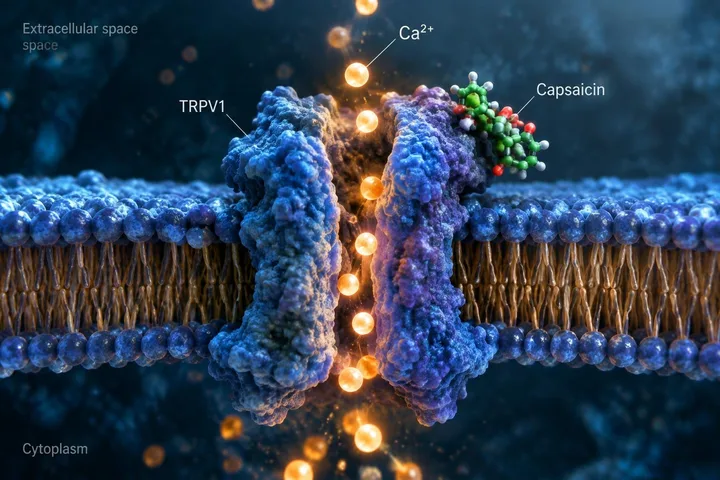
A TRPV1 receptor is a protein pore in sensory nerve cells that opens to let charged particles pass when temperatures exceed 109 degrees Fahrenheit. It acts as an alarm sensor for scalding heat, tissue damage, and chemical irritants. Compounds like capsaicin in chili peppers physically force this channel open, tricking the brain into sensing scorching heat.
By the edgi team We find the most surprising true thing about an idea and build a 60-second lesson around it.
Your body relies on specific protein channels to detect dangerous temperatures and tissue damage. One major sensor is the TRPV1 receptor, which normally stays closed until local heat exceeds 109 degrees Fahrenheit.
When triggered, it lets calcium ions flood the nerve cell, firing an alarm signal straight to the brain.
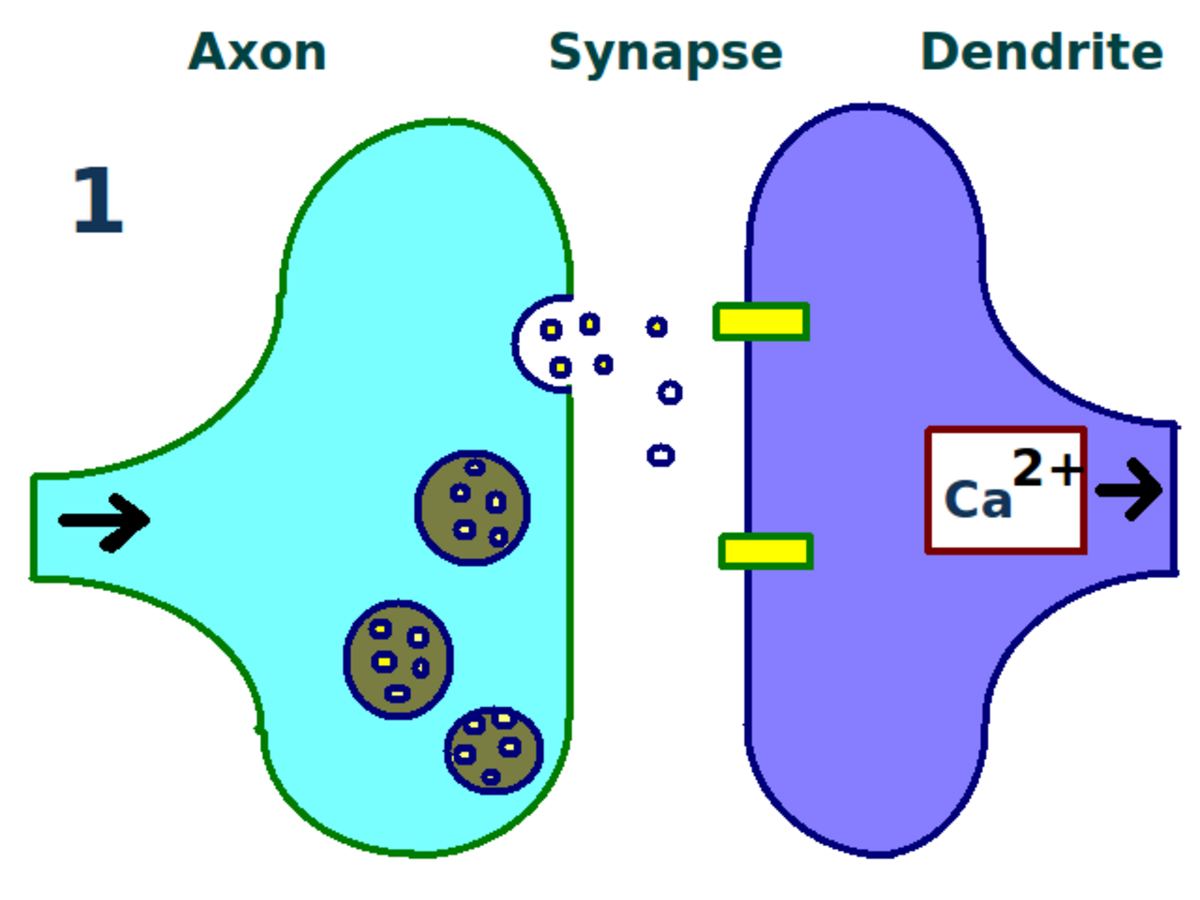
Diagram illustrating the first stage of long-term potentiation (LTP), where a synapse is repeatedly stimulated. Tomwsulcer, CC0, via Wikimedia Commons
The chemical hack
Capsaicin, the active compound in chili peppers, has a shape that physically forces these receptors to pop open. Your brain receives the exact same neural message it would get if you had just touched a hot stove.
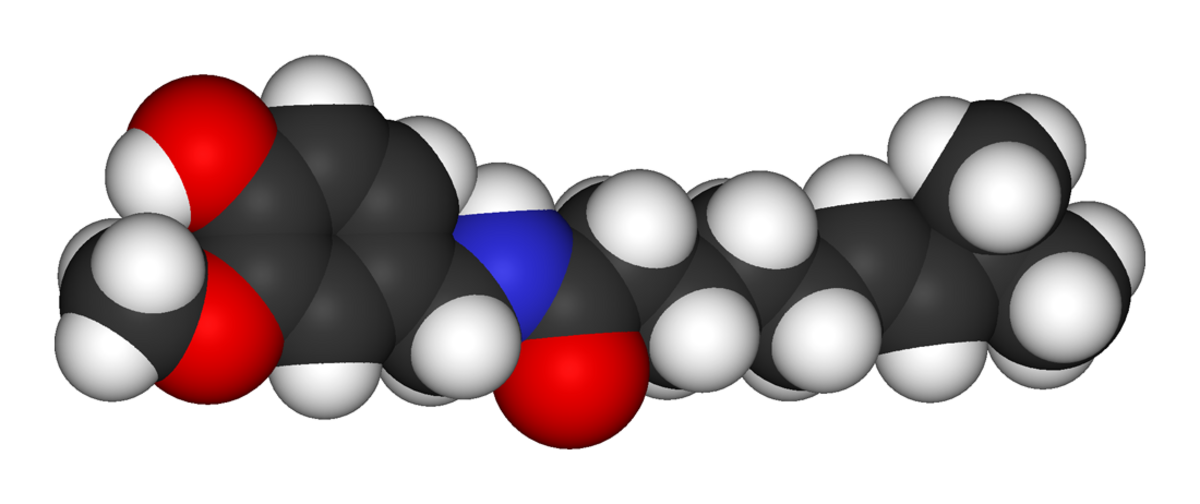
A 3D van der Waals representation of the capsaicin molecule, showing its atomic structure with carbon (black), oxygen (red), nitrogen (blue), and hydrogen (white) atoms. Public domain, via Wikimedia Commons
This proves that spiciness is not actually a taste, but a direct hijacking of your pain and temperature pathways.
Why birds laugh
Because birds lack the specific receptor sensitivity mammals have, they can swallow fiery chili peppers whole. This evolutionary quirk helps plants: mammals crush and destroy seeds with their teeth, while birds pass them unharmed.
A close-up view of dried red chili pepper flakes, identified as Capsicum annuum, with a metal scoop partially submerged in the flakes. Vyacheslav Argenberg, CC BY 4.0, via Wikimedia Commons
In 1997, researcher David Julius won a Nobel Prize for discovering how these heat-gated ion channels operate.
What activates the TRPV1 channel?
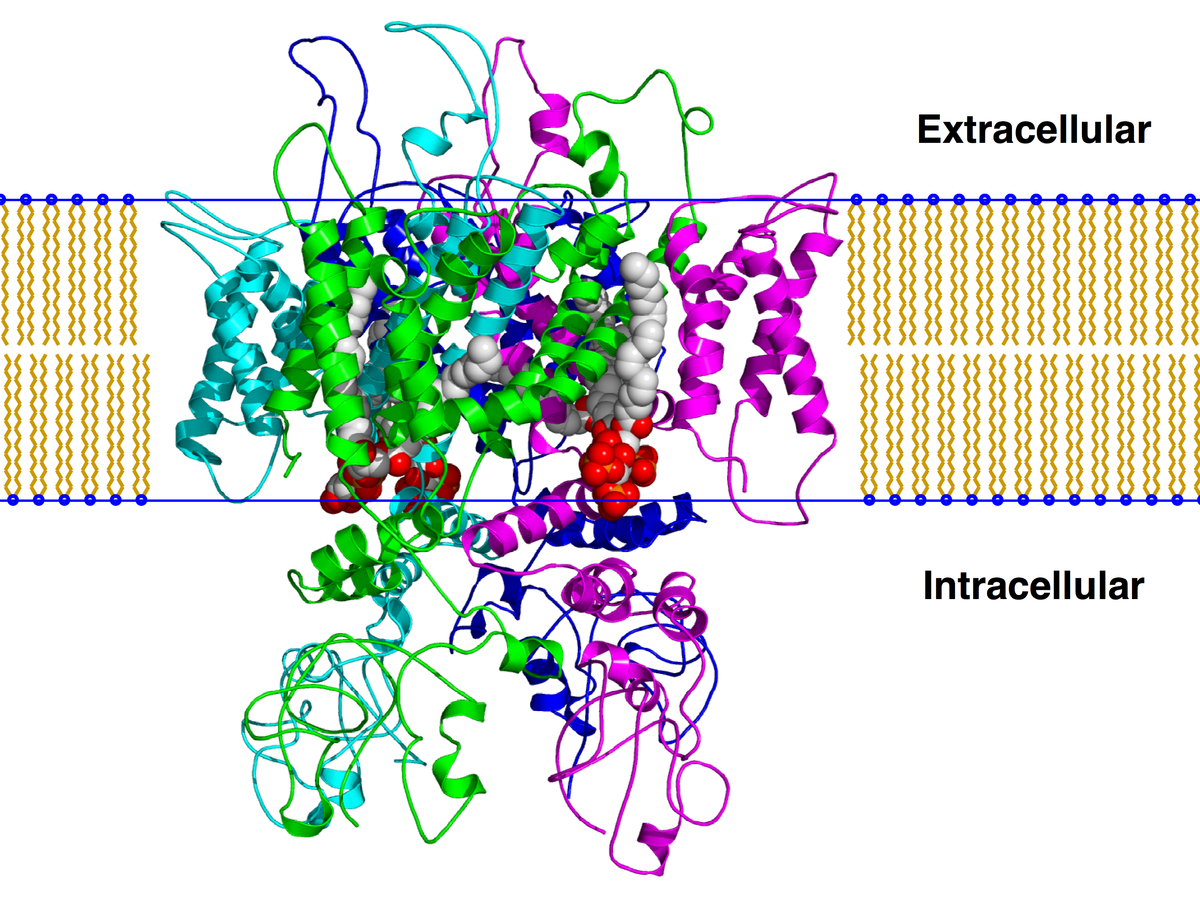
TRPV1 acts as a nonselective cation channel, meaning it allows positively charged ions like calcium to rush into the nerve cell when activated. Physical heat above 43 degrees Celsius (109 degrees Fahrenheit) causes the channel to open. Acidic conditions with low pH also trigger the channel directly.
The TRPV1 channel spans the cell membrane, forming a pore between the extracellular space and the cell interior that opens in response to heat and chemicals. Boghog2, Public domain, via Wikimedia Commons
Chemicals from plants can hijack the same pore. Capsaicin from hot chilis and allyl isothiocyanate from mustard and wasabi directly activate TRPV1. The body also produces its own endogenous activators, including the endocannabinoid anandamide, N-oleyl-dopamine, and N-arachidonoyl dopamine.
When tissue suffers injury, the sensitivity of TRPV1 increases. Inflammatory substances like prostaglandins and bradykinin activate cellular pathways involving protein kinase C and the cleavage of PIP2, causing the channel to fire even during mild, non-painful stimulation.
Why prolonged heat or spice relieves pain
Continuous exposure to capsaicin causes TRPV1 activity to drop sharply, a process known as desensitization. When the channel opens for an extended period, the sustained flood of extracellular calcium triggers cellular feedback mechanisms, including interactions with calmodulin and dephosphorylation by calcineurin.
This desensitization explains why capsaicin works paradoxically as a pain reliever in clinical medicine. By temporarily exhausting the receptor and halting further ion flow, the nerve cell stops sending burning pain messages to the central nervous system.
Researchers test these pathways by removing the TRPV1 receptor in laboratory mice. Mice without the channel lose the ability to detect shifts in ambient temperature, helping scientists study pain relief drugs for inflammatory conditions and severe burn injuries.
TRPV1 beyond sensory nerves
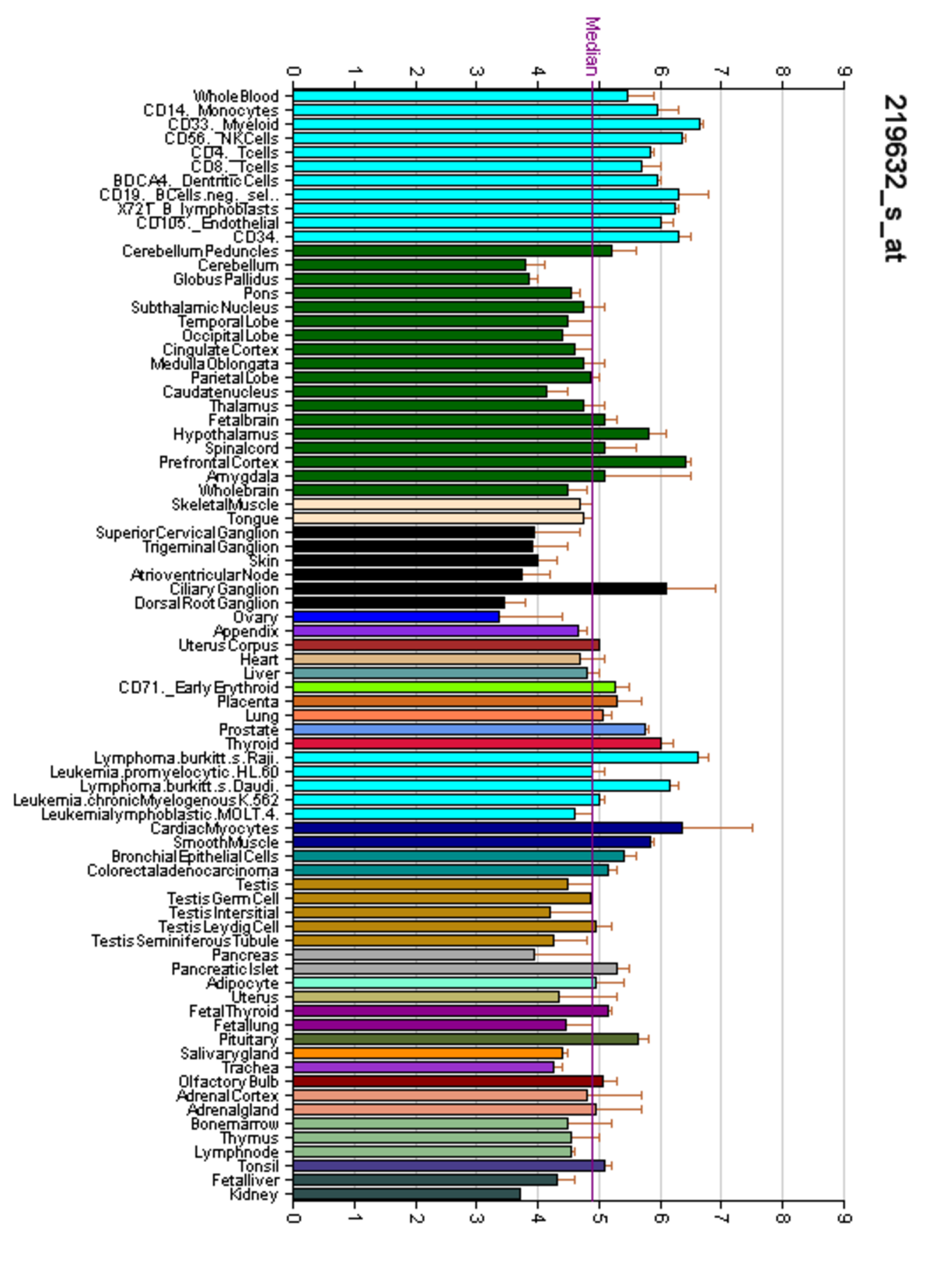
While found primarily in peripheral nociceptive neurons, TRPV1 also operates across the mammalian immune system. Both innate and adaptive immune cells rely on TRPV1 channels, including macrophages, dendritic cells, T lymphocytes, natural killer cells, and neutrophils.
Gene expression measurements show TRPV1 presence across sensory nerve tissues as well as various cell types throughout the body. AndrewGNF at English Wikipedia, CC BY-SA 3.0, via Wikimedia Commons
In T cells, TRPV1 regulates the calcium influx necessary for T cell receptor signaling and cytokine production. In macrophages, activating TRPV1 with capsaicin suppresses the production of reactive molecules like superoxide anions and hydrogen peroxide.
Test yourself
What causes the burning sensation of chili peppers?
hijacking thermal receptors. Capsaicin does not actually burn or damage tissue; it simply mimics high heat by physically forcing open the TRPV1 receptors that your body uses to detect thermal danger.
Is spiciness a distinct taste bud sensation or a pain response?
a pain response. Spiciness is not detected by taste buds at all, but rather by the body's somatosensory pain and temperature pathways being chemically triggered.
Why do many chili pepper species produce compounds that trigger pain pathways in mammals?
To deter seed-destroying animals. Spiciness evolved as a defense mechanism against mammals that crush seeds with their teeth, whereas birds lack the targeted receptor sensitivity and pass seeds unharmed.
Play the lesson in edgi and the card is yours. It lands on your Map next to the ideas it connects to, and turns from matte to foil to gold as you learn more around it.
TRPV1 stands for transient receptor potential cation channel subfamily V member 1. It is also referred to as the capsaicin receptor or vanilloid receptor 1.
Which other receptors work alongside TRPV1?
TRPV1 cooperates with TRPA1, a chemical irritant receptor, in sensory neurons to detect harmful environmental threats. Immune cells also express related channels such as TRPM8 and TRPV4.
Who discovered the operation of TRPV1?
Researcher David Julius isolated the receptor and uncovered how heat-gated ion channels operate. His work on this mechanism earned a Nobel Prize.