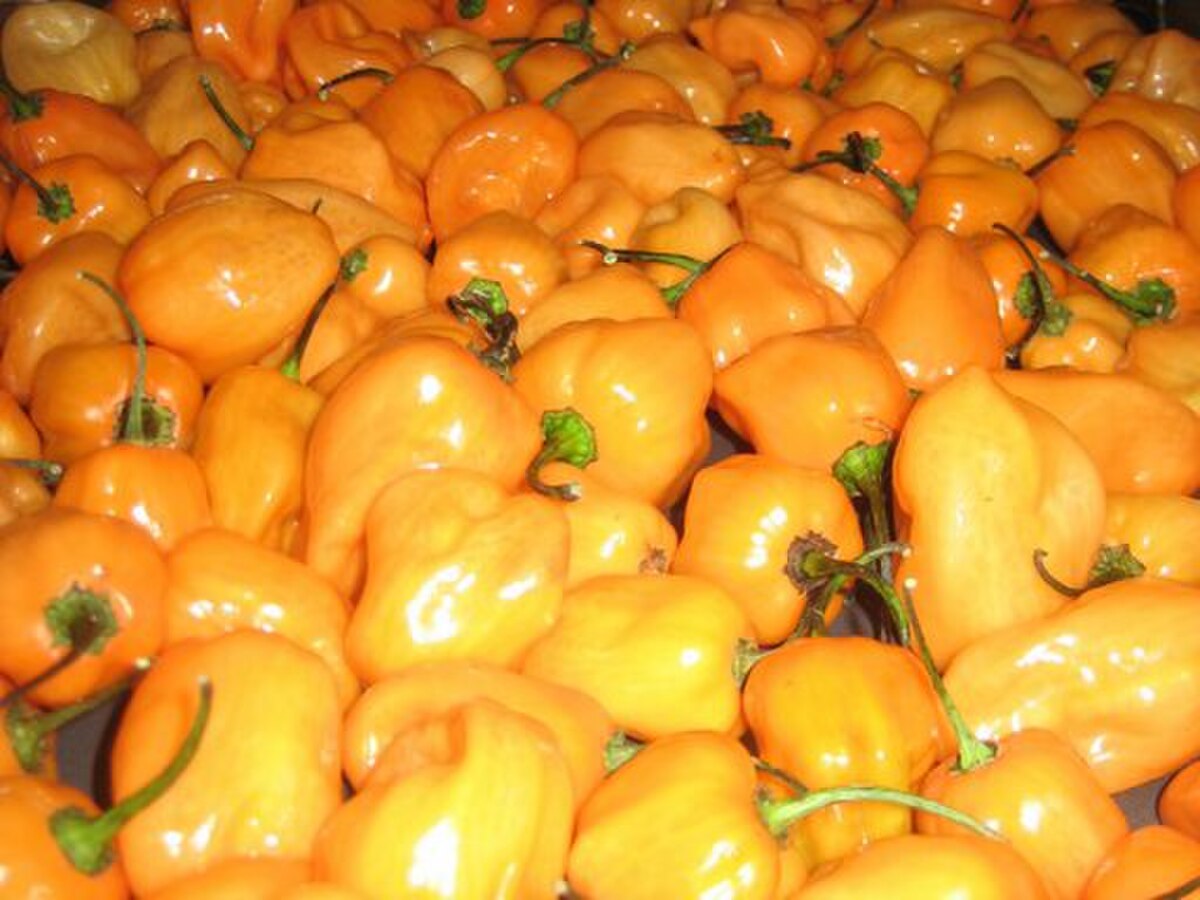
A habanero is an intensely hot chili pepper belonging to the species Capsicum chinense, typically measuring between two and six centimeters long. It contains high amounts of capsaicin, a defensive chemical that tricks mammalian nerve cells into feeling the burning sensation of boiling water. Because birds lack the nerve receptors that respond to capsaicin, they can eat the fruit unharmed and spread the seeds across new territory.
By the edgi team We find the most surprising true thing about an idea and build a 60-second lesson around it.
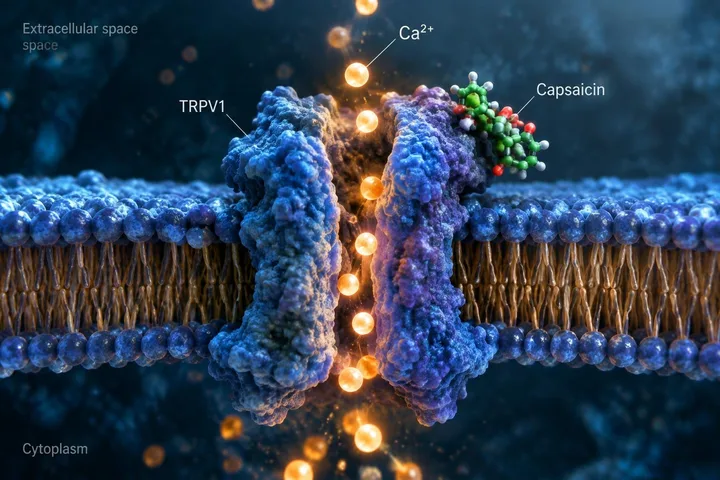
The habanero contains high concentrations of capsaicin, a chemical that triggers the exact same heat-sensing nerves as boiling water. This isn't a mistake. It is a defense system.
Chemical structure of capsaicin, showing its molecular formula with a methoxy group, a hydroxyl group, an amide linkage, and an unsaturated alkyl chain. Pyrovalerone, CC0, via Wikimedia Commons
Mammals have receptors that detect this chemical, causing a searing pain that discourages them from eating the fruit.
The bird exception
Birds are the habanero's ideal partners. They lack the specific receptors that capsaicin targets, so they don't feel the heat at all. By eating the fruit, birds carry the seeds far away, depositing them in new locations with a dose of natural fertilizer.
The plant evolved to be inedible to those who would destroy the seeds, but delicious to those who would spread them.
The heat scale
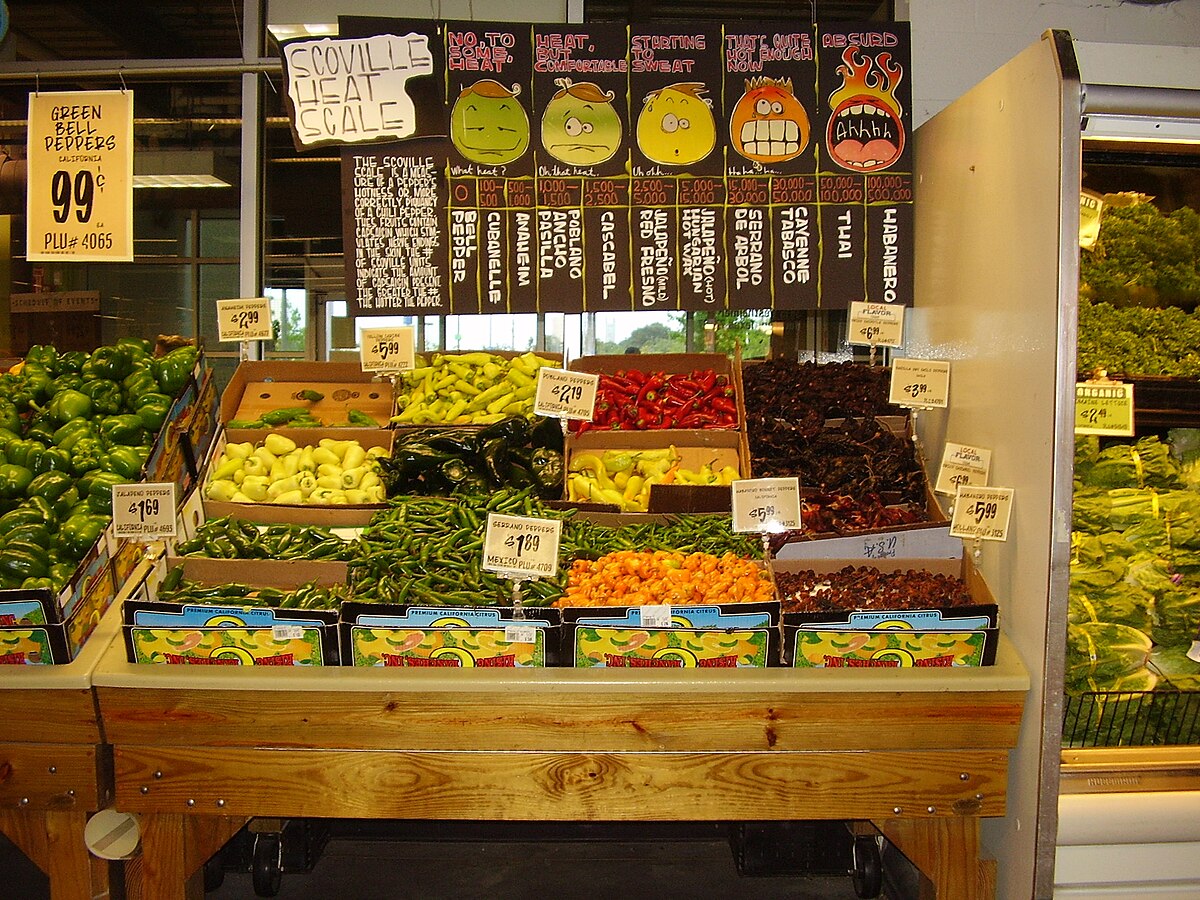
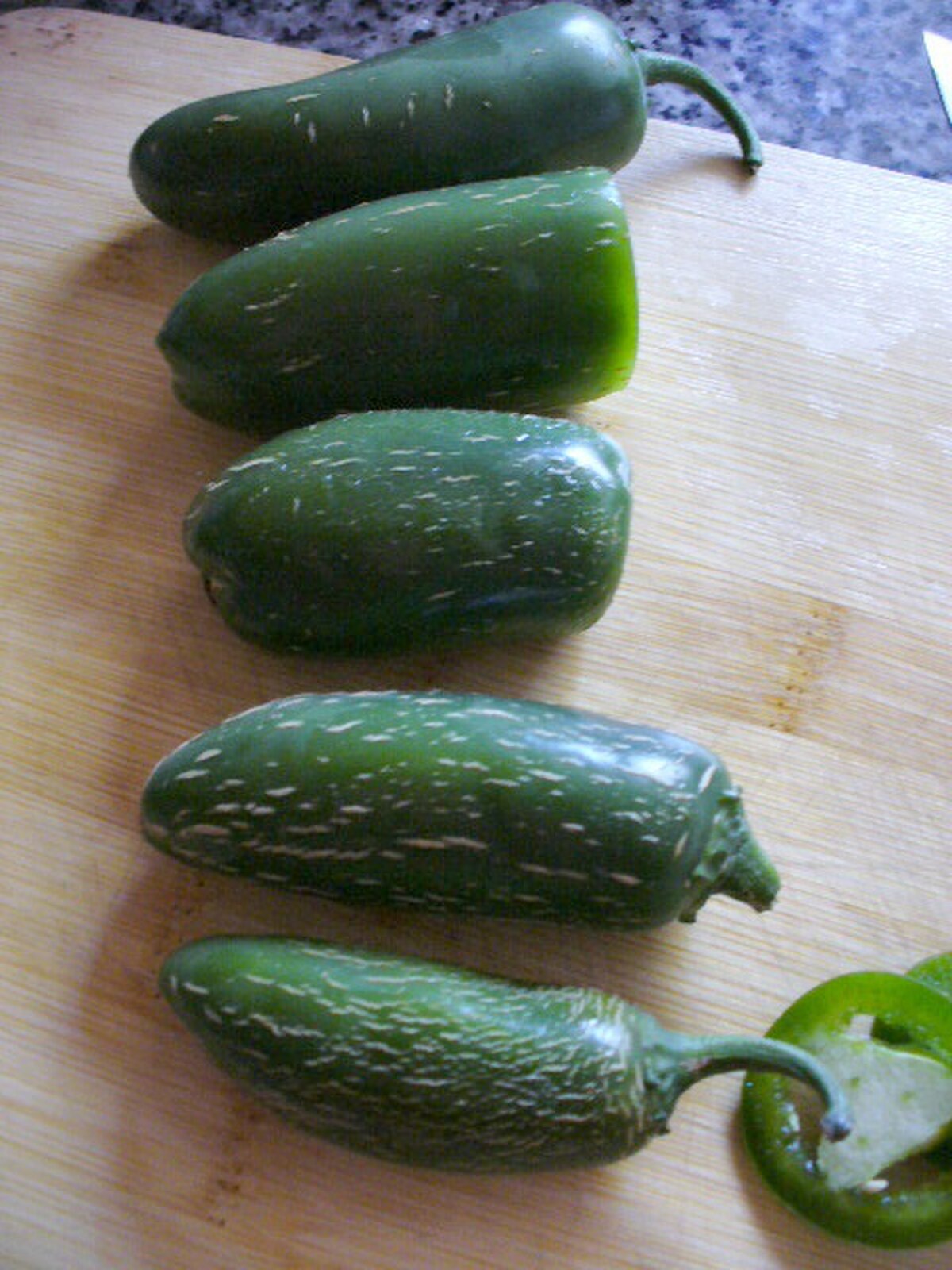
The habanero sits at 100,000 to 350,000 units on the Scoville Scale, the standard measure for chili pungency. For context, that is roughly 140 times hotter than a standard jalapeño.
A display of various chili peppers at Central Market in Houston, Texas, with a prominent sign titled "SCOVILLE HEAT SCALE" featuring cartoon faces depicting increasing levels of heat. WhisperToMe, Public domain, via Wikimedia Commons
Despite its name, which sounds like Havana, the habanero actually originated in the Amazon basin and was perfected by Mayan farmers in the Yucatán.
How does habanero heat work?
A habanero's burn does not strike immediately. The heat builds gradually over a period of several minutes, can linger in the mouth for up to an hour, and may even be felt in the esophagus hours later. On the Scoville scale, standard habaneros rate between 100,000 and 350,000 heat units, which is roughly 140 times hotter than a standard jalapeño.
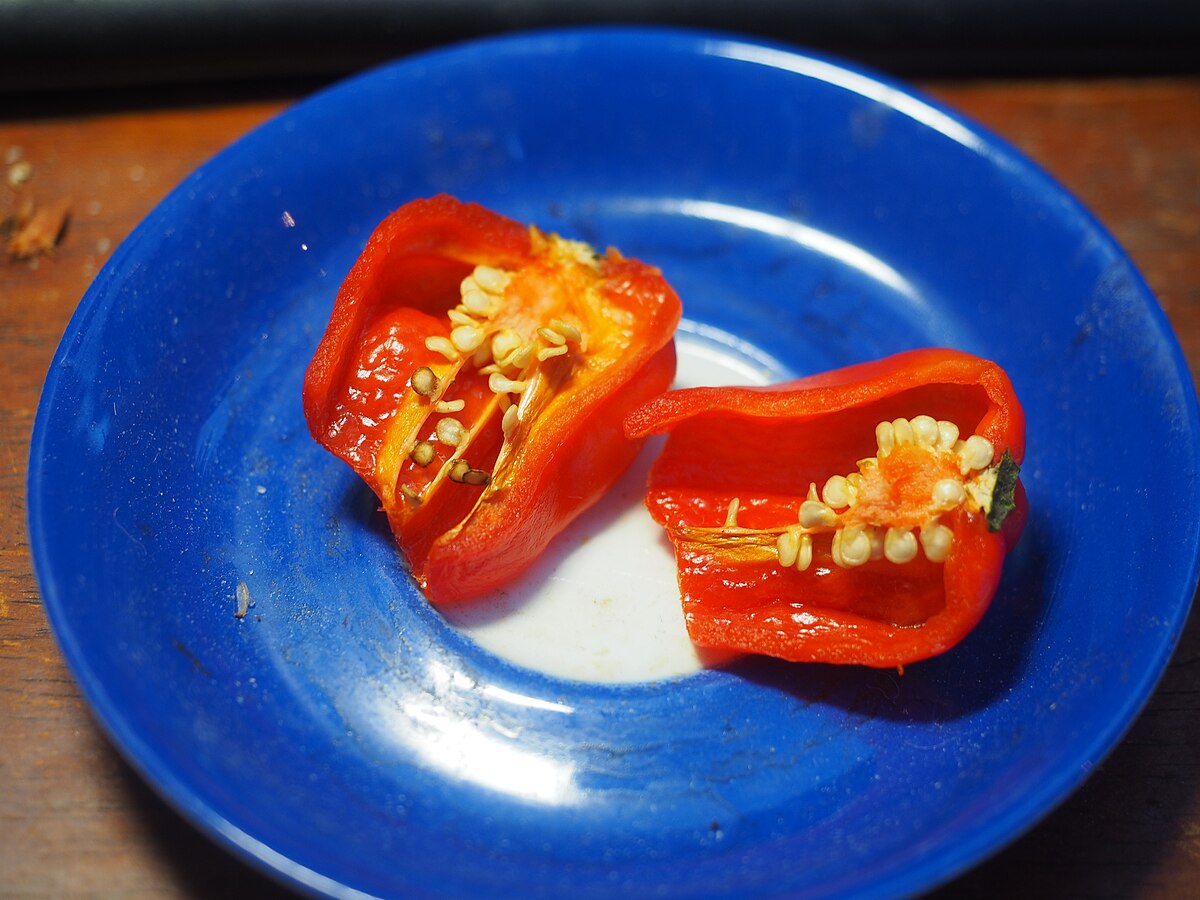
Cutting open a habanero exposes the inner structure and seeds that the plant protects with high levels of capsaicin. JIP, CC BY-SA 4.0, via Wikimedia Commons
Guinness World Records listed the habanero as the world's hottest chili in 1999, though hotter cultivars have since displaced it. For example, the Trinidad moruga scorpion is a hotter Capsicum chinense subspecies, and breeders later crossed a pungent red habanero with a bhut jolokia pepper to create the Carolina Reaper.
Where did the habanero come from?
Despite taking its name from the Cuban city of Havana, where it was once traded heavily, the pepper originated in the Amazon basin before spreading to Mexico. Eighteenth-century European taxonomists mistakenly labeled it Capsicum chinense, meaning 'the Chinese pepper,' after Spanish colonists distributed it around the globe.
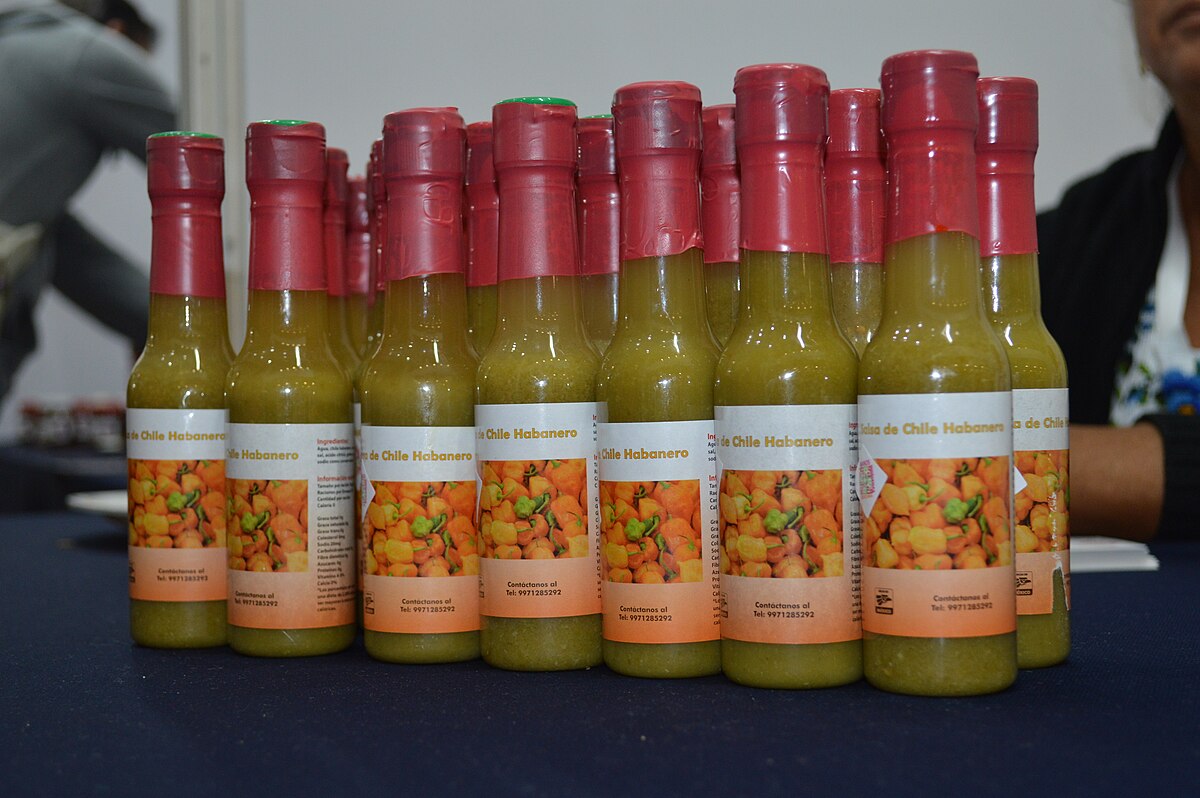
Bottled habanero sauce from a Yucatán cooperative reflects the pepper's central role in the agricultural and culinary traditions of the region. AlejandroLinaresGarcia, CC BY-SA 4.0, via Wikimedia Commons
Mayan farmers in the Yucatán perfected the pepper, and the Yucatán Peninsula remains the world's largest producer today. Yucatecan cooks make the habanero a core component of local cuisine, using it raw, puréed, or in salsas. Other producers include Belize, Costa Rica, Panama, Colombia, Ecuador, and American states like Texas, Idaho, and California.
How do climate and watering change habanero plants?
The habanero is a perennial flowering bush that can live and produce fruit for years in tropical climates, though growers in colder regions treat it as an annual that dies each winter. The plant prefers morning sun and slightly acidic soil with a pH between 5 and 6.
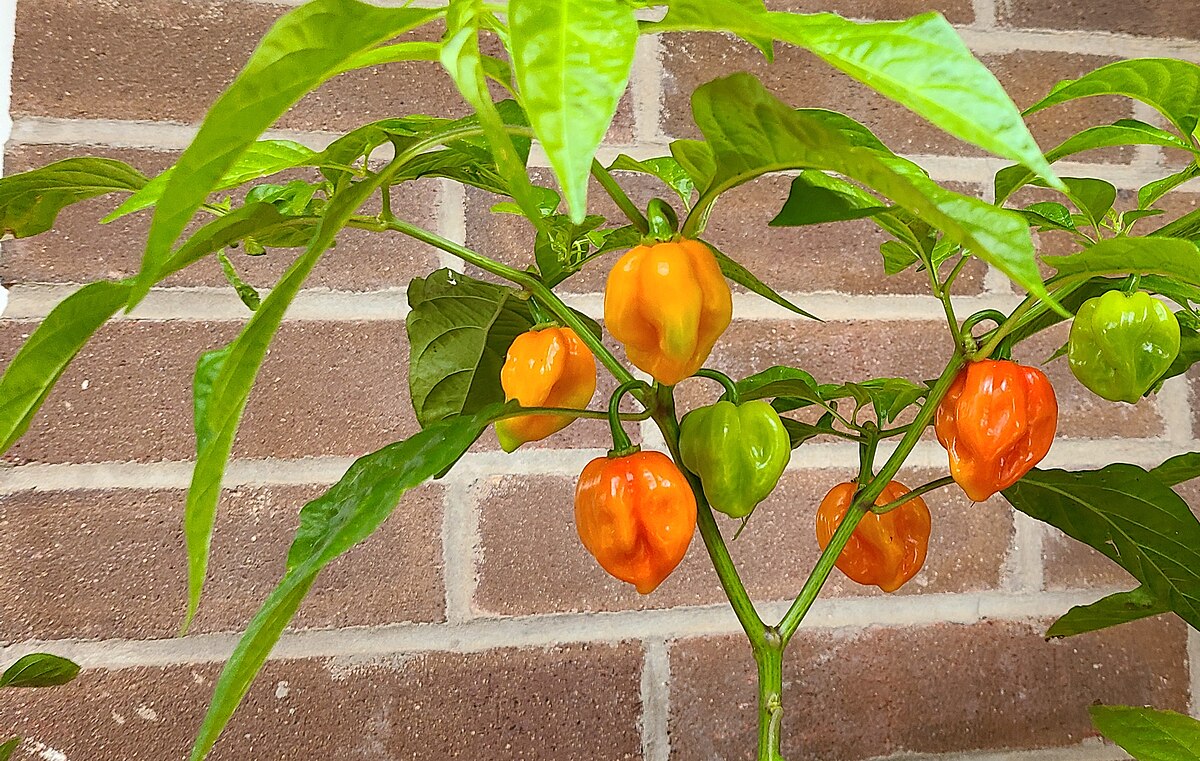
A potted habanero plant bears fruit transitioning from green to ripe orange, demonstrating how the bush sets fruit across multiple ripening stages. InitHello, CC BY-SA 4.0, via Wikimedia Commons
A grower's watering schedule alters both fruit quality and chemical potency. Daily watering causes the plant to grow more leaves while reducing capsaicin concentration in the fruit. By contrast, watering only when the soil dries out produces hotter peppers. Overly wet roots can turn the peppers bitter, and plants routinely drop up to 90 percent of their flowers even under ideal growing conditions.
Test yourself
Does the capsaicin in a habanero target the same sensory nerves as boiling water?
Yes, it triggers thermal heat receptors. Capsaicin does not actually damage tissue like heat does; instead, it tricks the nervous system by activating the same thermal receptors.
Habanero peppers evolved their heat primarily to deter birds from eating them.
False. The capsaicin in habaneros acts as a deterrent for mammals, but it is harmless to birds; the pepper evolved to leverage birds as effective seed dispersers.
Play the lesson in edgi and the card is yours. It lands on your Map next to the ideas it connects to, and turns from matte to foil to gold as you learn more around it.
What is the difference between a habanero and a Scotch bonnet?
Both peppers belong to the same species, Capsicum chinense, and share similar heat, flavor, and thin, waxy flesh. They differ primarily in their pod shapes.
Are all habanero peppers orange and spicy?
No. While orange and red are the most common colors, habaneros also mature into brown, white, yellow, green, or purple. Breeders have even developed completely heatless varieties like the Habanada, as well as darker brown varieties called black habaneros that reach up to 577,000 Scoville heat units.
Why is habanero sometimes spelled with an ñ?
The spelling 'habañero' is an English hyperforeignism that incorrectly copies the tilde from the word jalapeño. The correct Spanish name is spelled habanero without a tilde.