Conspicuous consumption is the practice of buying and using goods of higher quality, price, or quantity than practical in order to publicly display wealth. The real goal of the purchase is not its utility, but the social status and economic power the display signals to observers. The visible waste of money or resources serves as direct evidence of a person's surplus.
By the edgi team We find the most surprising true thing about an idea and build a 60-second lesson around it.
In 1319 a pound of sugar in London cost a labourer about two weeks' wages. Grocers sold it as a spice, alongside pepper and saffron, and almost nobody outside the nobility tasted it. So the richest households in Europe built sculptures out of it. Castles, ships, animals, coats of arms, carried in between the courses of a banquet. They were called subtleties.
They were food, and they were eaten. At a feast the Earl of Castlemaine gave in Rome in 1687, Swiss guards were posted around the table to stop guests eating them before the right course. Which is the point of them. Everyone at that table knew what a pound of sugar cost, and they were sitting in front of a statue built out of it.
Veblen's name for it
In 1899 the economist Thorstein Veblen published a study of the American rich and gave the habit a name: conspicuous consumption, spending whose real job is to be seen. His sharper point was that the waste is the evidence. Anyone can own a useful thing. Only somebody with a surplus can afford to ruin a useful thing on purpose.
He also saw where it bites hardest. In a village everyone already knows what you have. In a city you spend the whole day among strangers who have only your things to go on.
Price as the feature
Follow that far enough and you reach a category of goods where raising the price raises the demand. Economists call them Veblen goods. For nearly everything else a price cut brings buyers in. For a Veblen good it drives them off, because the price was the feature.
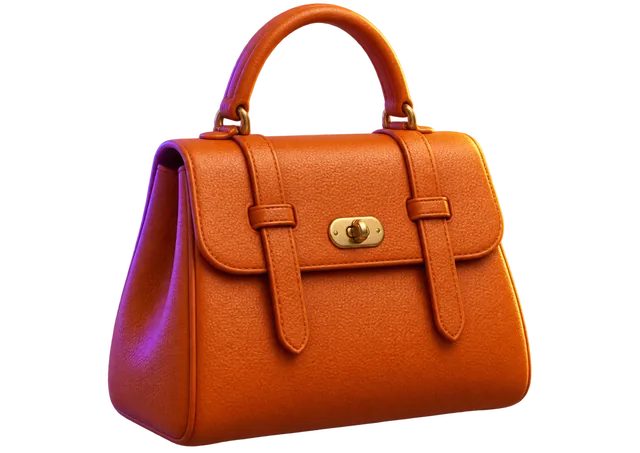
Which is why those brands defend the number, not the margin. Burberry destroyed £28.6 million of unsold coats, bags and perfume in the year to March 2018 rather than discount it. Sugar got cheap and the sculptures stopped meaning anything. Every signal has that ending waiting for it, which is why expensive taste never settles anywhere for long.
How conspicuous spending signals social status
In 1899, sociologist Thorstein Veblen introduced the concept in his book The Theory of the Leisure Class to explain the habits of the newly rich during the Second Industrial Revolution. Veblen argued that a person's reputation depends directly on the wealth they possess and display. Because anyone can buy a purely functional item, demonstrating social power requires spending on luxury commodities and leisure that serve no practical purpose.
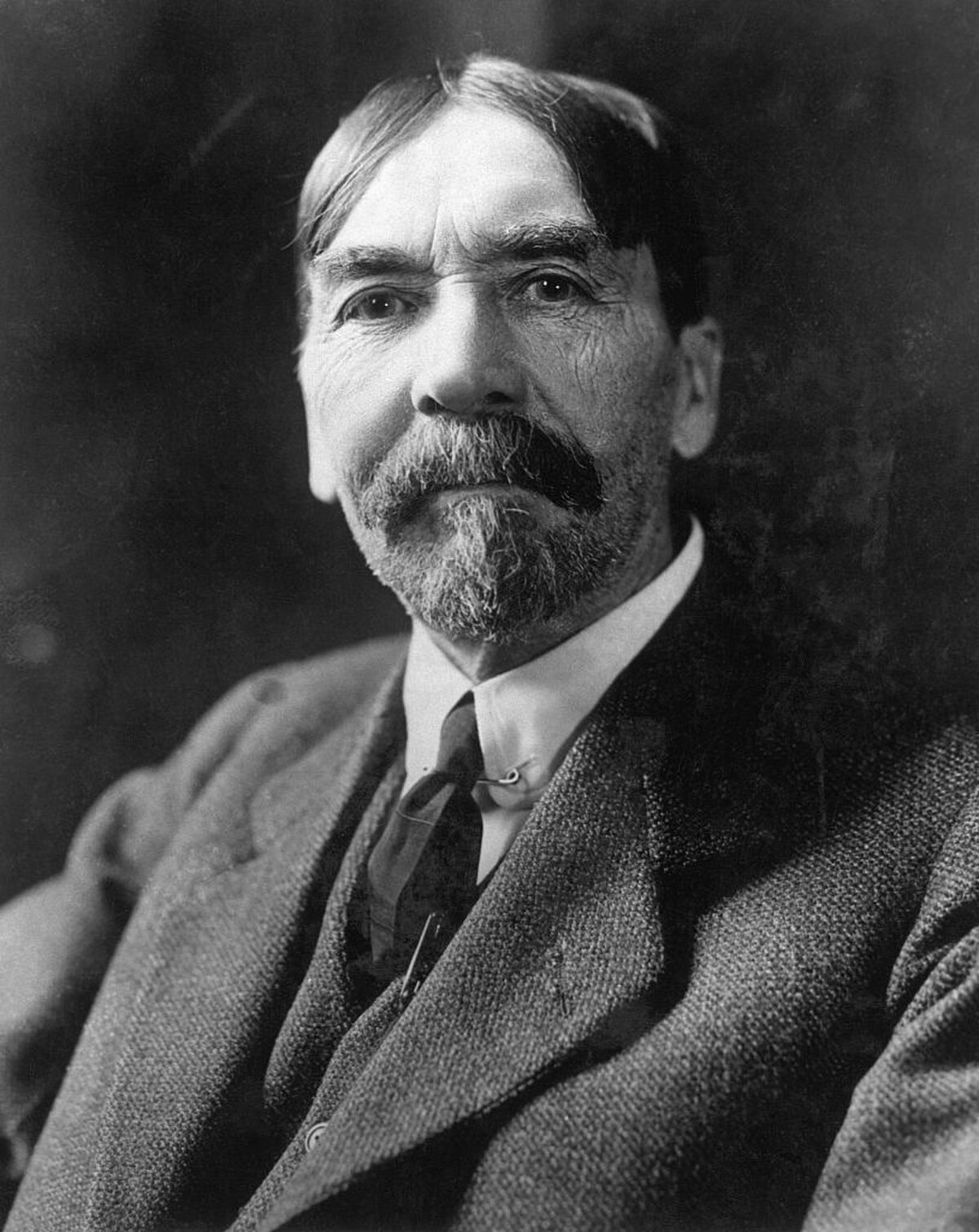
Thorstein Veblen coined the phrase in 1899 to explain how public displays of spending establish social prestige. Public domain, via Wikimedia Commons
In 1949, economist James Duesenberry added the demonstration effect and bandwagon effect to explain the psychology behind these purchases. He found that a person's spending choices depend on how their spending compares to their social reference group. People consume conspicuously to match or exceed the perceived standards of the group whose approval they seek.
Where conspicuous consumption appears across classes
Although Veblen originally focused on the upper class, conspicuous spending occurs across middle and working-class households regardless of race or ethnicity. It appears frequently in emerging economies where individuals use luxury goods to ostentatiously signal that they have risen from poverty and established their standing.
Conversely, many wealthy individuals practice what researchers Thomas J. Stanley and William D. Danko call conspicuous frugality. In their 1996 study of American millionaires, they observed that people with a net worth over one million dollars often pay cash for used cars to avoid interest and depreciation, deliberately avoiding flashy consumption.
Test yourself
A bonus offered as $5,000 cash or a $5,000 trip nobody would otherwise book. Which reads bigger to colleagues?
The trip, because nobody would have bought it for themselves. Cash disappears into the ordinary business of a month and leaves nothing anyone can point at. The trip stays visible and stays unjustifiable, which is the entire job.
Two $40,000 watches: one unmistakable across a room, one plain. Which sells better?
The unmistakable one, because the spending has to be seen to work. Discretion is a real taste and it is not the opposite of signalling; a plain watch that costs $40,000 is signalling to the smaller group who can recognise it. Take away every audience and the premium has nothing left to buy.
Play the lesson in edgi and the card is yours. It lands on your Map next to the ideas it connects to, and turns from matte to foil to gold as you learn more around it.
Invidious consumption is a related economic behavior where someone ostentatiously consumes goods specifically to provoke envy in other people. Like conspicuous consumption, it focuses on public display rather than practical utility.
What is conspicuous compassion?
Conspicuous compassion is the ostentatious donation of money or charity carried out to enhance the donor's personal reputation and prestige. It applies the logic of conspicuous spending to public philanthropy.
Do men and women engage in conspicuous consumption differently?
A 2013 study of 1,180 Americans by Brenda Segal and Jeffrey S. Podoshen found that men scored higher on materialism and conspicuous consumption, while women made more impulse purchases. Both sexes showed equal brand loyalty.