An expense ratio is the percentage of your total invested money taken out each year to cover running a fund. The fee comes directly out of fund assets, so investors never receive a bill or see cash leave their account. Over several decades, a difference of just 1% in this fee can quietly erase up to a third of total investment gains.
By the edgi team We find the most surprising true thing about an idea and build a 60-second lesson around it.
The expense ratio is the percentage of fund assets skimmed off the top every year to pay for management and administration. If a fund has a 1% expense ratio, it automatically takes 1% of your total balance annually, regardless of whether the market goes up or down.
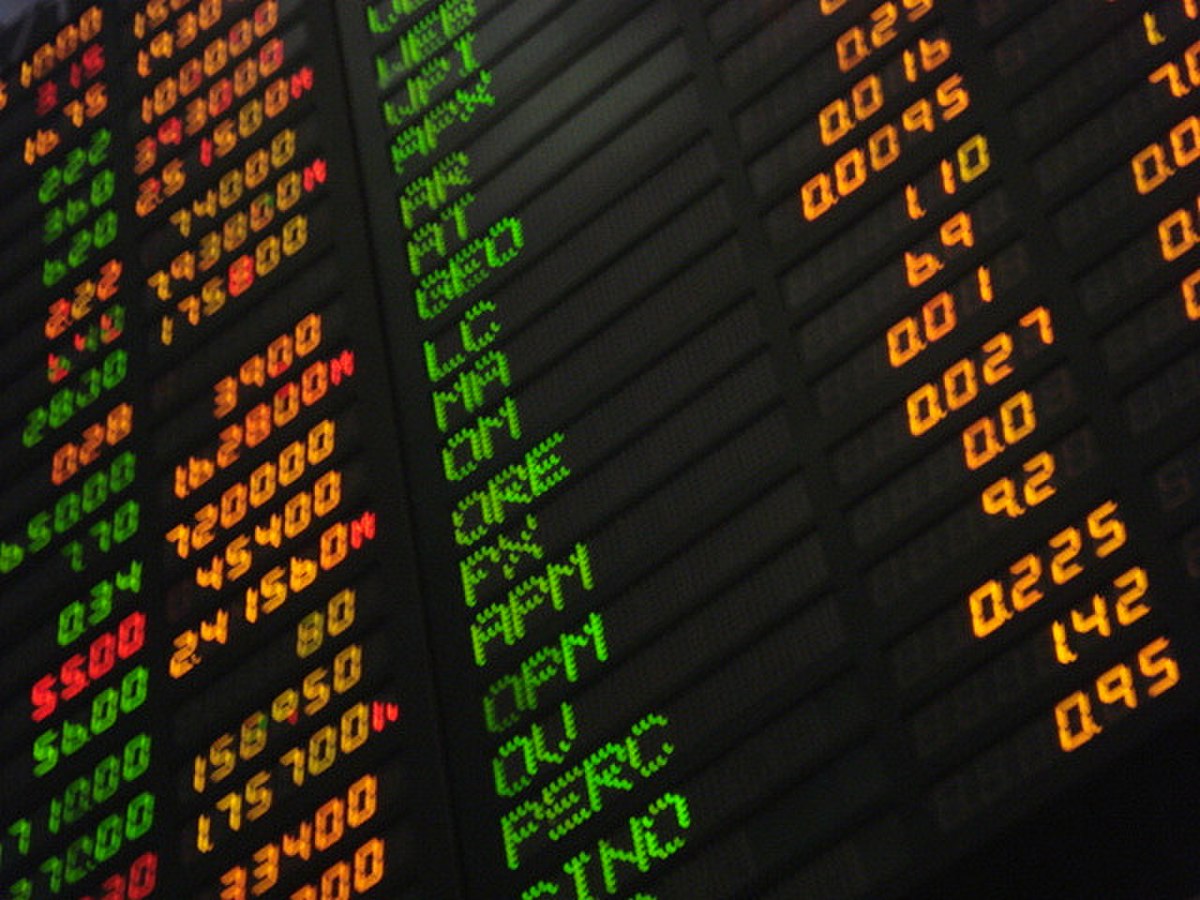
A close-up view of a Philippine stock market board displaying various stock tickers and their corresponding numerical values in green and red. Katrina.Tuliao, CC BY 2.0, via Wikimedia Commons
Because this fee is deducted directly from the fund value, investors never receive a bill or directly notice the cash leaving.
The bogle revolution
In 1975, John Bogle launched the first retail index fund, betting that lower costs would beat complex stock-picking strategies. He realized a fund charging a 1.5% fee had to outperform the market by that exact margin just to break even for the investor.
By slashing costs to near zero, he proved that in investing, you don't get what you pay for, you get what you don't pay for.
The compounding cost
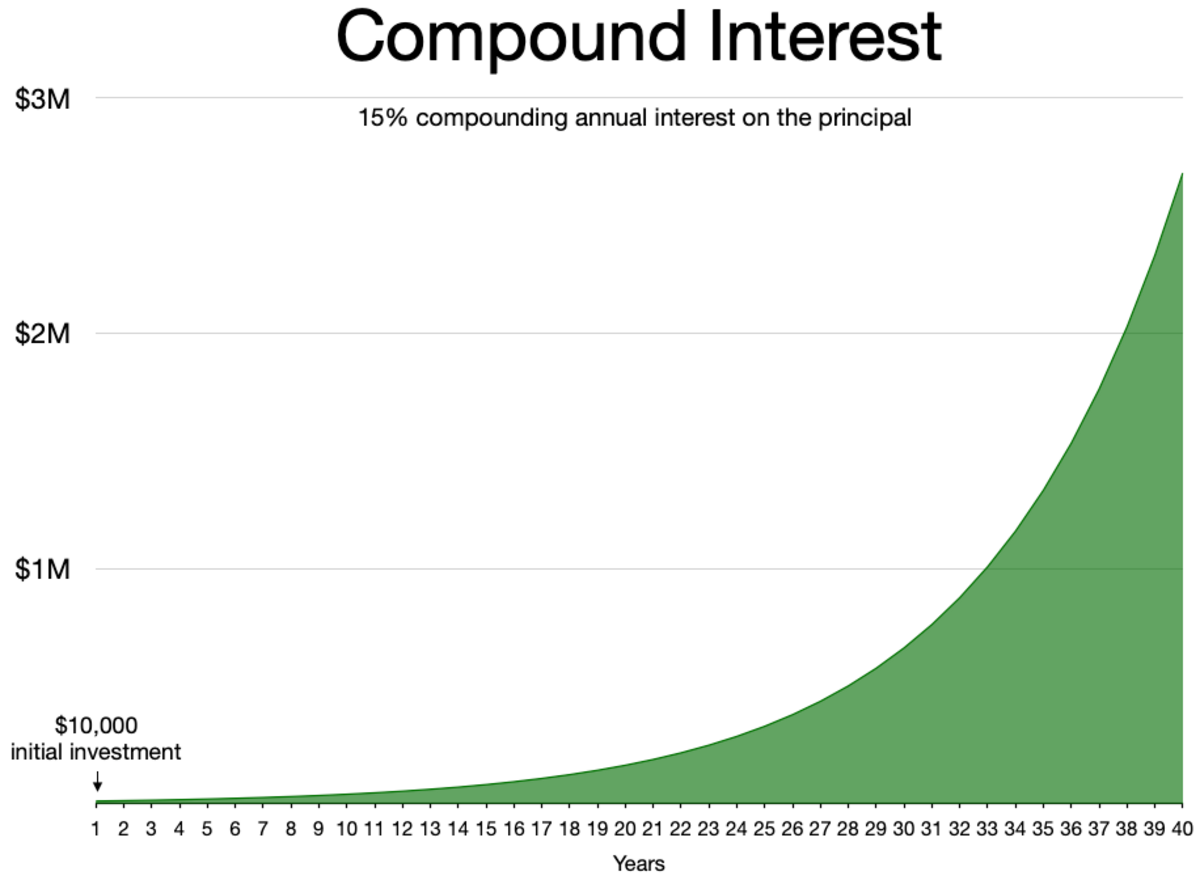
Fees matter because money lost to expenses cannot compound for your future retirement. Over forty years, a seemingly minor 1% difference in fees can quietly consume up to one-third of your total investment returns.
A graph titled "Compound Interest" showing the growth of an initial $10,000 investment over 40 years with a 15% compounding annual interest. Wikideas1, CC0, via Wikimedia Commons
This hidden drag is why a low-cost Index Fund so often beats expensive actively managed Mutual Funds over the long haul.
What the fee covers and how it is paid
Fund managers take their operating costs directly from the assets they manage rather than sending invoices to shareholders. The fee covers day-to-day management, administrative overhead, and advertising or promotional costs called 12b-1 fees.
Shareholders pay these costs automatically out of dividends earned by the fund or proceeds from selling assets inside the fund. The expense ratio does not include sales commissions or performance fees. In some cases, fund sponsors will temporarily waive or reduce their expense ratios to attract new investors.
Why low-cost funds beat active managers
In 1975, John Bogle started the first retail index fund based on the realization that fee drag consistently beats stock picking. A fund charging a 1.5% fee must beat the market by that exact margin every single year just to match standard market returns.
Money lost to fees fails to generate future compound interest. Over forty years, that compounding loss makes cheap index funds reliably outperform expensive, actively managed mutual funds.
Expense ratios in business and charities
Outside of fund management, the term measures operational efficiency. In corporate finance, calculating the expense ratio means dividing operating expenses by total revenue to see what portion of sales covers basic operations.
Nonprofit organizations track a program expense ratio, which divides program spending by total expenses. The remaining share covers overhead, known as the support service expense ratio. The median support service expense ratio for United States charities sits at 10%, with most ranked charities keeping overhead below 30%.
Test yourself
How does a fund’s expense ratio affect an investor’s balance?
It is deducted from fund assets each year. The expense ratio is an ongoing cost paid from fund assets, so it reduces the fund’s value whether markets rise or fall.
How can a small expense ratio affect long-term fund returns?
It reduces invested assets, limiting their future compounding.. Fees reduce the money left invested, so those dollars also miss out on future compounding.
How does an expense ratio deduct money from an investment account?
Automatically from total fund assets. The expense ratio is skimmed directly from the fund assets annually, meaning investors never receive a bill or directly notice the cash leaving.
Play the lesson in edgi and the card is yours. It lands on your Map next to the ideas it connects to, and turns from matte to foil to gold as you learn more around it.
Does a down market reduce or stop the expense ratio?
No. The fee takes a fixed percentage of your total balance each year regardless of whether the fund gains or loses value.
What are 12b-1 fees?
They are operational costs built into a fund's expense ratio to cover advertising, marketing, and promotional activities.
What is a good overhead ratio for a charity?
The median support service expense ratio among United States charities is 10%. Most organizations ranked by Charity Navigator maintain an overhead ratio under 30%.