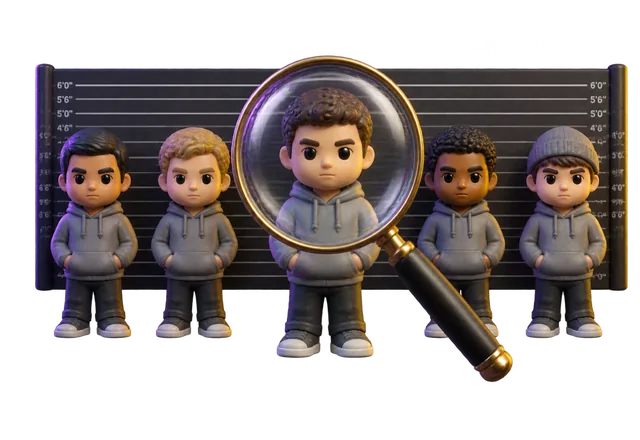
Eyewitness identification is courtroom evidence given by a witness who personally saw an event and testifies about who committed the crime. Jurors often find it more persuasive than almost any other proof, even when contradicted by strong evidence of innocence. Yet according to the Innocence Project, mistaken identification is the single greatest cause of wrongful convictions overturned through DNA testing.
By the edgi team We find the most surprising true thing about an idea and build a 60-second lesson around it.
In a criminal trial, few pieces of evidence carry as much psychological weight as an eyewitness pointing directly at a suspect. Jurors naturally assume that seeing a criminal's face is an unforgettable event burned permanently into the brain.
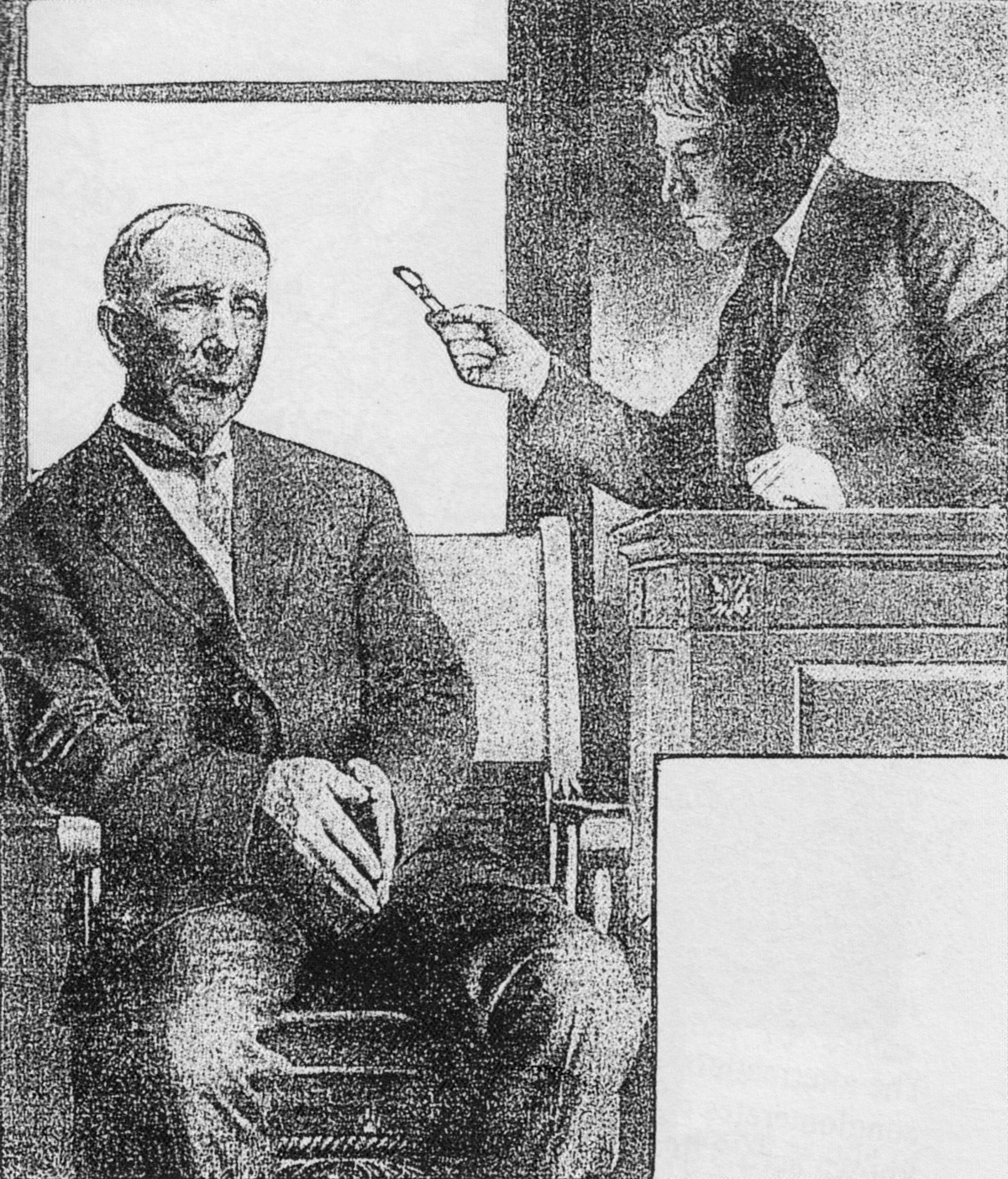
A black and white illustration depicts John D. Unknown authorUnknown author, Public domain, via Wikimedia Commons
Yet decades of DNA exonerations have proven that mistaken eyewitness identification is the leading cause of wrongful convictions.
How memory fails
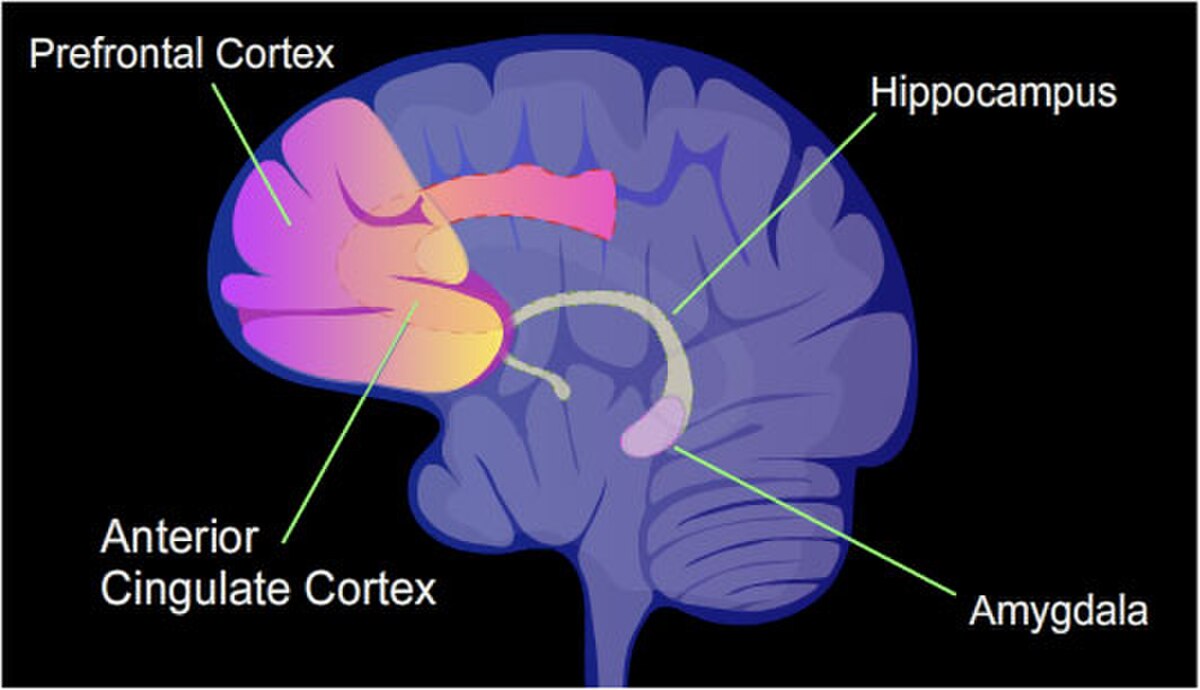
Memory is not a video camera recording objective reality; it is a reconstructive process. Every time you recall an event, your brain actively rebuilds the memory, making it vulnerable to outside information and post-event suggestion.
Diagram of the human brain highlighting regions involved in memory formation. This work has been identified as being free of known restrictions under copyright law., Public domain, via Wikimedia Commons
High stress, poor lighting, and cross-racial identification further degrade the accuracy of what a witness thinks they saw.
Fixing the lineup
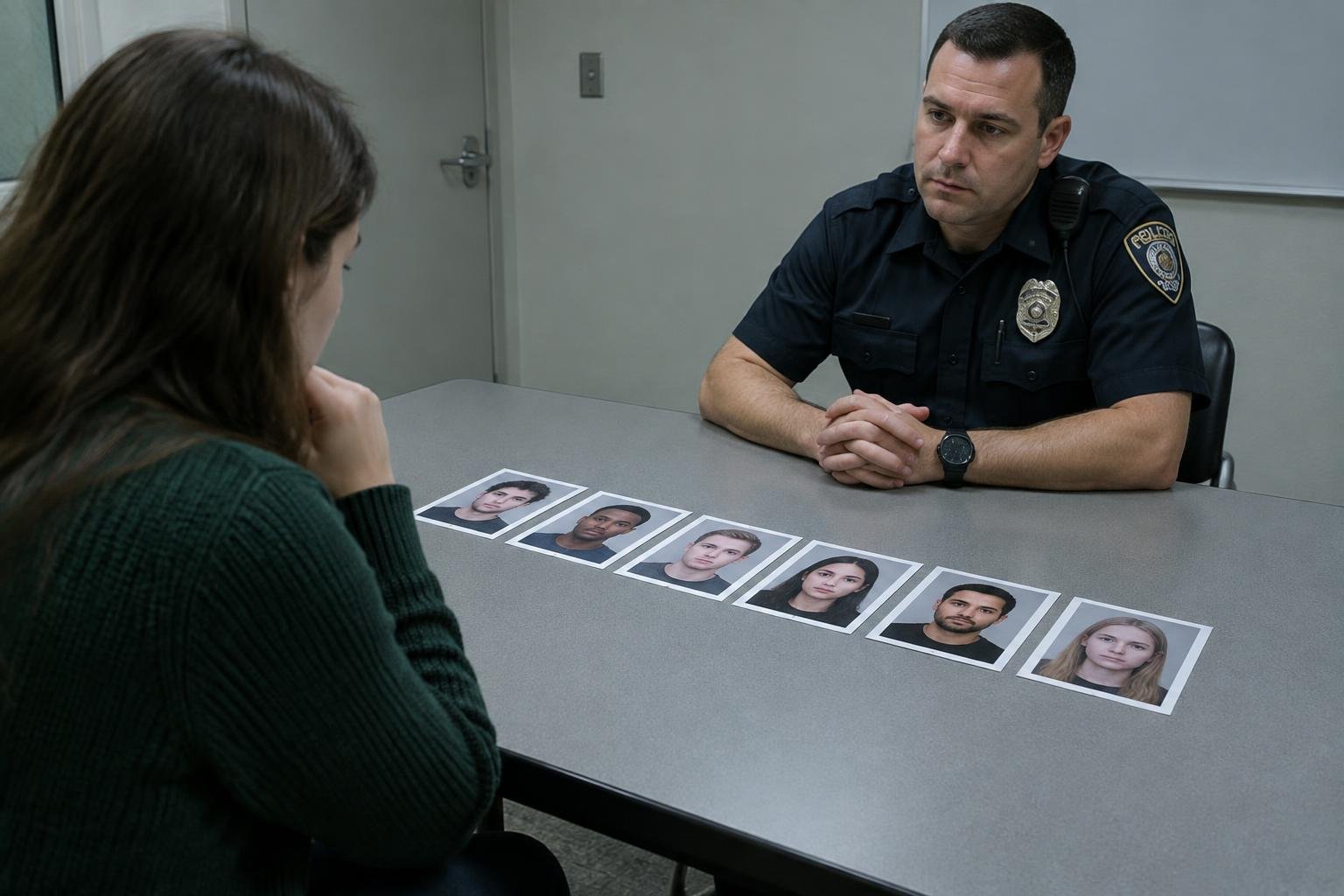
Traditional police lineups often inadvertently cue witnesses, subtly steering them toward a specific suspect. Modern departments now use double-blind photo arrays, where the officer administering the test doesn't know who the actual suspect is.
This simple procedural wall prevents officers from accidentally biasing the witness and helps protect innocent people from flawed human recall.
Why is eyewitness testimony so unreliable?
Mistaken eyewitness identification played a role in more than 75% of convictions overturned through DNA testing nationwide, according to the Innocence Project. Before DNA testing existed, courts already struggled with this problem. In 1971, the UK Criminal Law Review Committee named mistaken identification as the primary driver of wrong convictions, while U.S. Supreme Court Justice William J. Brennan, Jr. labeled the evidence notoriously unreliable.
Human memory operates as a reconstructive process rather than a permanent recording. Factors such as high stress, low lighting, and cross-racial identification weaken a witness's ability to recall faces accurately. Each time an event is recalled, the brain rebuilds the memory, leaving it open to corruption by suggestive police procedures or outside details.
How do courts decide if an identification is admissible?
Under federal due process standards established in Manson v. Brathwaite, judges evaluate whether an identification procedure was unnecessarily suggestive. If it was, the court balances those flawed procedures against independent markers of reliability to decide if the testimony is admitted. However, critics point out that the standard relies on witness confidence as an indicator of accuracy, even though social science demonstrates that confidence does not reliably predict truth.
In 2012, the U.S. Supreme Court ruled in Perry v. New Hampshire that preliminary judicial inquiries into reliability are only required when law enforcement arranged unnecessarily suggestive conditions. In contrast, states like New Jersey have established stricter standards following the 2011 State v. Henderson decision, requiring deeper trial court evaluations of eyewitness reliability.
Can experts testify about memory flaws in court?
State rules differ on whether a defense team can call an expert witness to explain memory flaws to a jury. States such as California, Arizona, Colorado, Hawaii, Ohio, and Kentucky generally permit expert testimony on eyewitness reliability. In contrast, states like Pennsylvania and Missouri generally prohibit it on the theory that memory factors fall within the common sense of ordinary jurors.
Play the lesson in edgi and the card is yours. It lands on your Map next to the ideas it connects to, and turns from matte to foil to gold as you learn more around it.
What tools do courts use to check eyewitness testimony?
Courts attempt to evaluate reliability through cross-examination by opposing lawyers, specific jury instructions, lineup standards, and expert testimony. In some states, judges also conduct preliminary hearings to weigh whether police used improper procedures.
What is a double-blind photo array?
It is a lineup method where the officer showing the photos does not know which image depicts the actual suspect. This procedural rule prevents the officer from accidentally cueing or steering the witness toward a choice.