A false confession is an admission of guilt for a crime that the person did not actually commit. While admitting to a crime you had no part in seems counterintuitive, intense psychological pressure and exhaustion can make confessing look like the only way to end an interrogation. DNA evidence examined by the Innocence Project shows that over a quarter of their exonerated clients originally confessed.
By the edgi team We find the most surprising true thing about an idea and build a 60-second lesson around it.
An innocent person will often confess to a crime simply because their brain is tricked into believing it is the only exit. The immediate relief of ending an intense interrogation outweighs the abstract, distant threat of prison.
Once a suspect signs that paper, the legal system rarely cares if their story makes physical sense.
The interrogation manual
In 1947, former Chicago police officer John E. Reid developed the Reid technique to break down a suspect's resistance. The method relies on isolation, psychological stress, and refusing to accept any denials of guilt.
It effectively corners the suspect until they adopt the narrative officers supply to stop the onslaught.
The innocence project
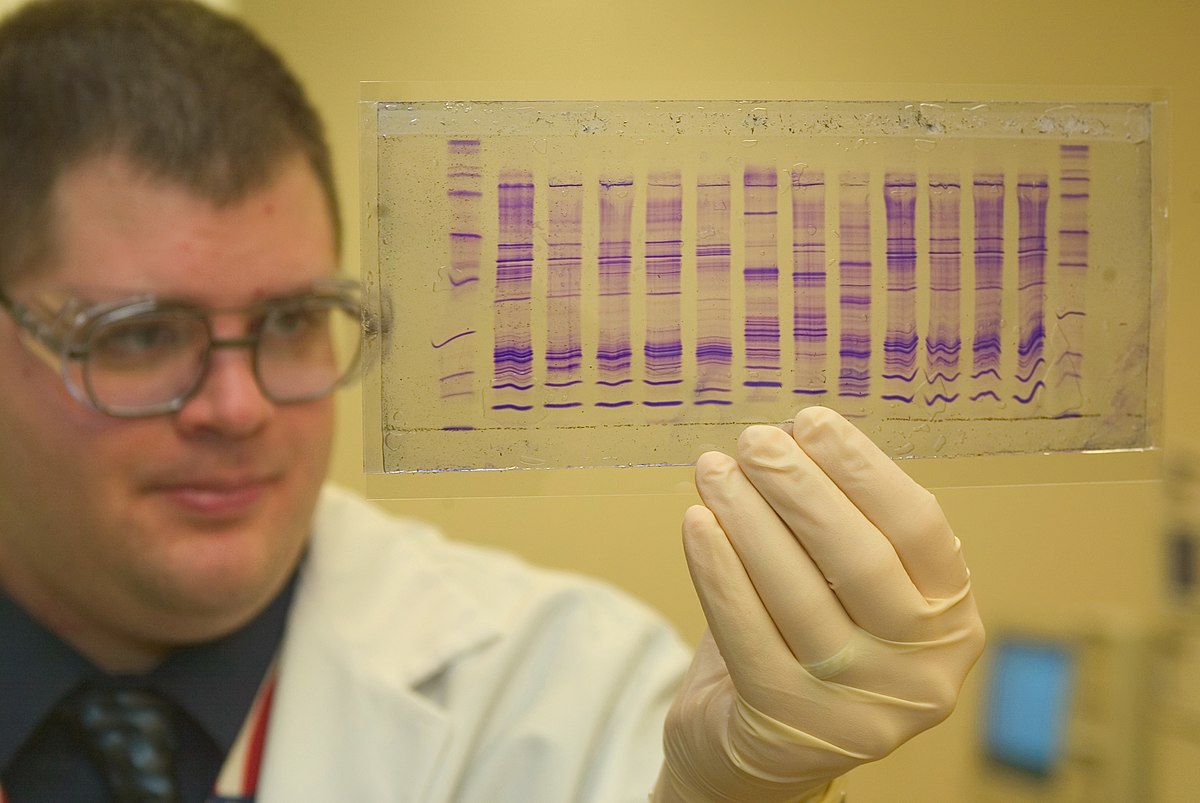
The Innocence Project has used DNA evidence to prove that over a quarter of their exonerated clients actually confessed. These cases show that a wrongful conviction is often not a failure of evidence, but a success of coercive storytelling.
Most people believe they would never admit to a murder they didn't commit, until they are the ones sitting in the room.
The three types of false confessions
Psychologist Saul Kassin categorized false confessions into three distinct types: voluntary, coerced-compliant, and coerced-internalized.
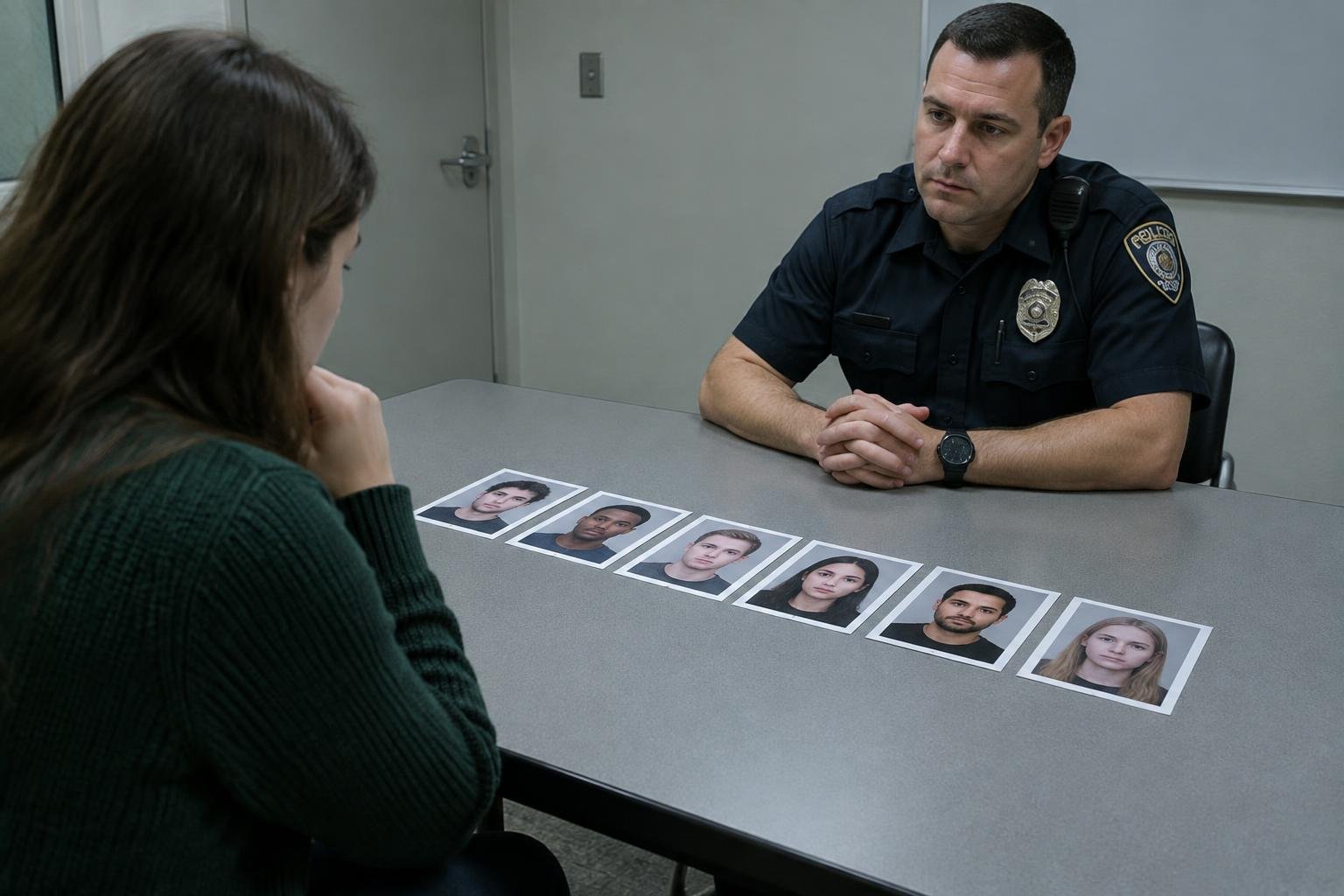
A sparse interrogation room designed for isolation and psychological pressure during questioning. Sandstein, CC BY 3.0, via Wikimedia Commons
Voluntary confessions happen without police prompting. People step forward freely to protect a third party, such as a parent taking the blame for a child, or to seek notoriety. Around 500 people falsely confessed to the 1947 murder of Elizabeth Short, known as the Black Dahlia, including some individuals who were not yet born when the murder took place.
Coerced confessions stem from police pressure. In compliant confessions, suspects confess simply to escape an exhausting interrogation, gain promised leniency, or end hours of isolation, despite knowing they are innocent. In internalized confessions, highly suggestive questioning exploits a suspect's memory doubts until they genuinely believe they committed the crime.
How interrogations trigger false admissions
Interrogators often use psychological methods like the Reid technique, developed in 1947 by former Chicago police officer John E. Reid. The method isolates suspects, refuses to accept denials, and applies psychological stress to wear down resistance.
Police tactics can include lying about evidence, pretending to be the suspect's friend, and offering small inducements like coffee or the end of questioning. Inducing guilt leads suspects to comply with investigator demands just to stop the process. A 2010 study by Fisher and Geiselman found that entry-level police officers frequently receive minimal formal training in interviewing witnesses, which can push interviews toward getting a confession and closing the case.
Play the lesson in edgi and the card is yours. It lands on your Map next to the ideas it connects to, and turns from matte to foil to gold as you learn more around it.
Who is most vulnerable to making a false confession?
Young people, individuals with low intelligence, and suspects with mental disorders are significantly more vulnerable. High stress, fatigue, trauma, and high suggestibility scores also increase the likelihood of confessing falsely.
What happened in the John Mark Karr false confession?
In 2006, John Mark Karr falsely confessed to the 1996 murder of JonBenét Ramsey after becoming obsessed with the case. Investigators determined his confession was false because his details did not match the crime scene, his DNA was not a match, and family alibis confirmed he was in another state.