DNA profiling is a laboratory technique that determines an individual's unique genetic characteristics. Although all humans share 99.9% of their DNA code, the remaining 0.1% contains highly variable repetitive patterns that differ from person to person. Analyzing these patterns creates a distinct genetic profile that can link or clear suspects in criminal investigations.
By the edgi team We find the most surprising true thing about an idea and build a 60-second lesson around it.
In 1983, geneticist Alec Jeffreys discovered that certain repetitive DNA sequences vary wildly between individuals. He realized these unique patterns could act as an unmistakable genetic fingerprint for any person.
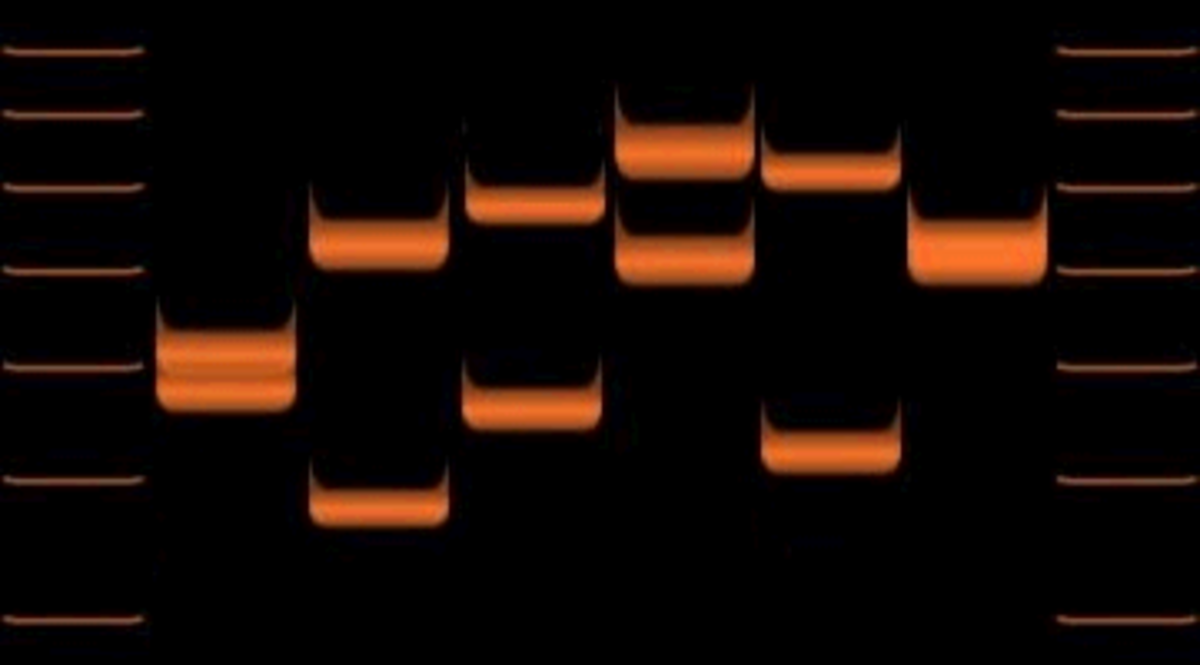
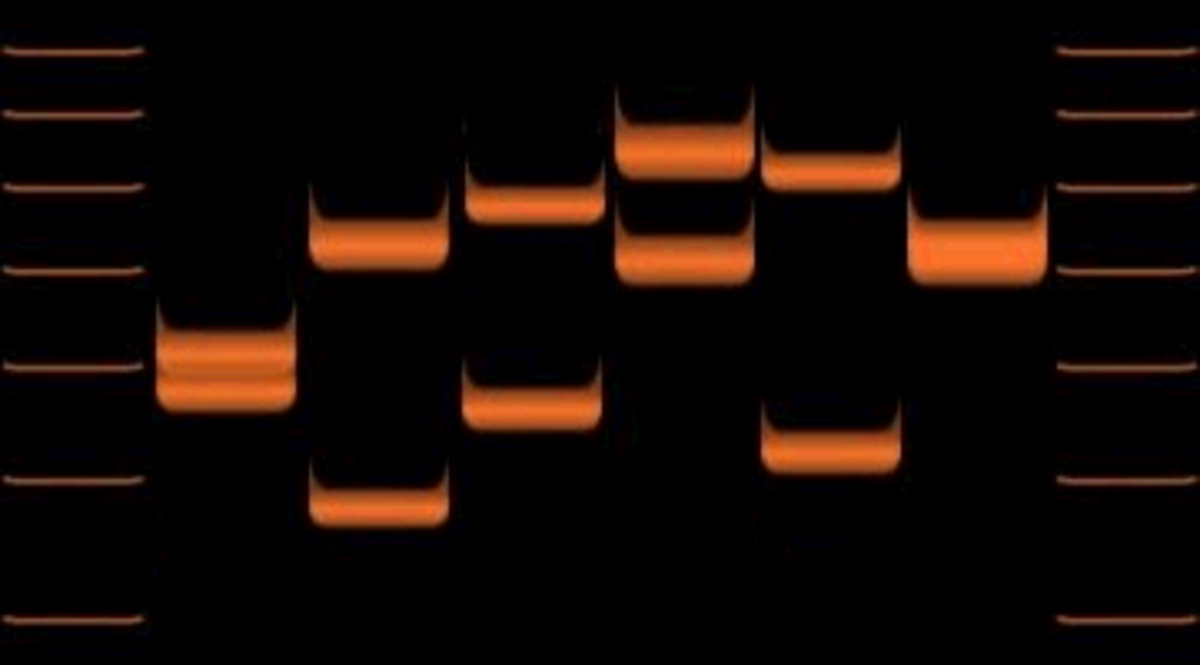
Gel electrophoresis image showing variations of VNTR allele lengths in six individuals. PaleWhaleGail, uploaded to Wikimedia by Charvosi, CC BY-SA 3.0, via Wikimedia Commons
Police soon asked him to apply the technique to a brutal double murder in Leicestershire, England.
The wrong suspect
Local police had already coerced a confession from a seventeen-year-old boy with mental disabilities. Jeffreys tested the boy's DNA against semen samples left at the crime scenes. The profiles did not match.
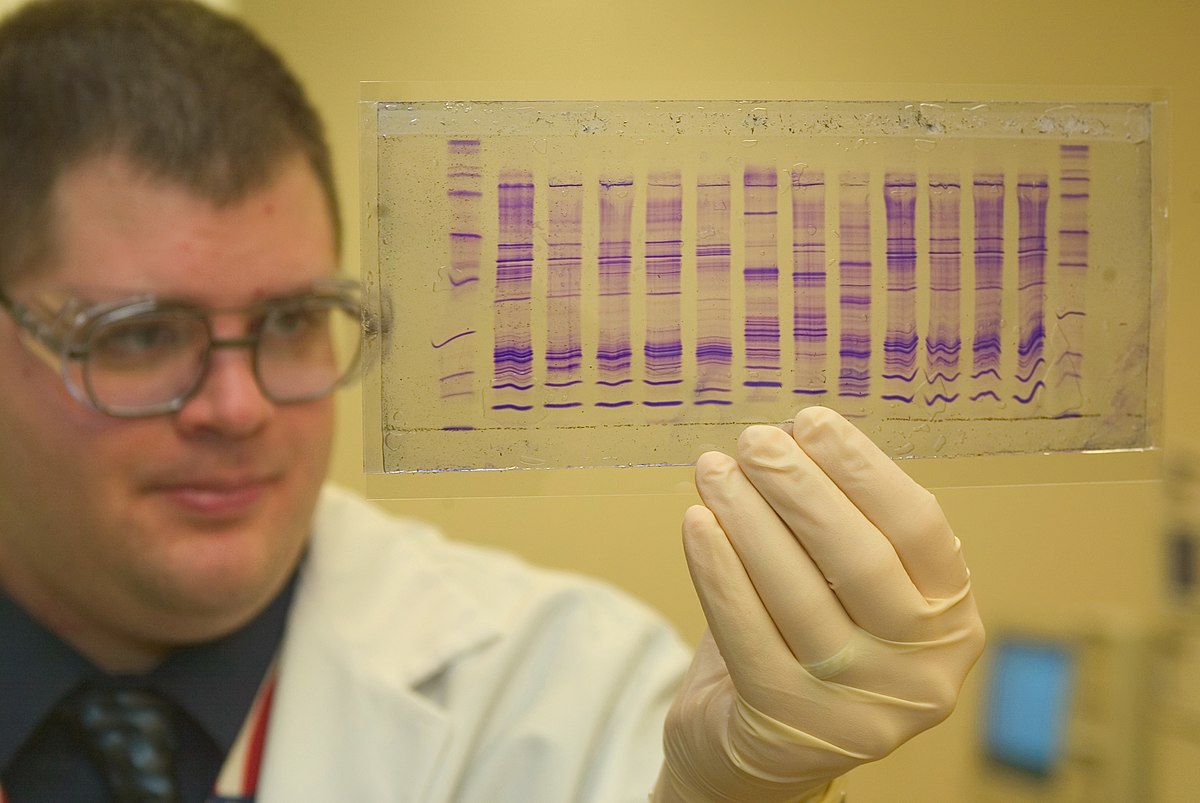
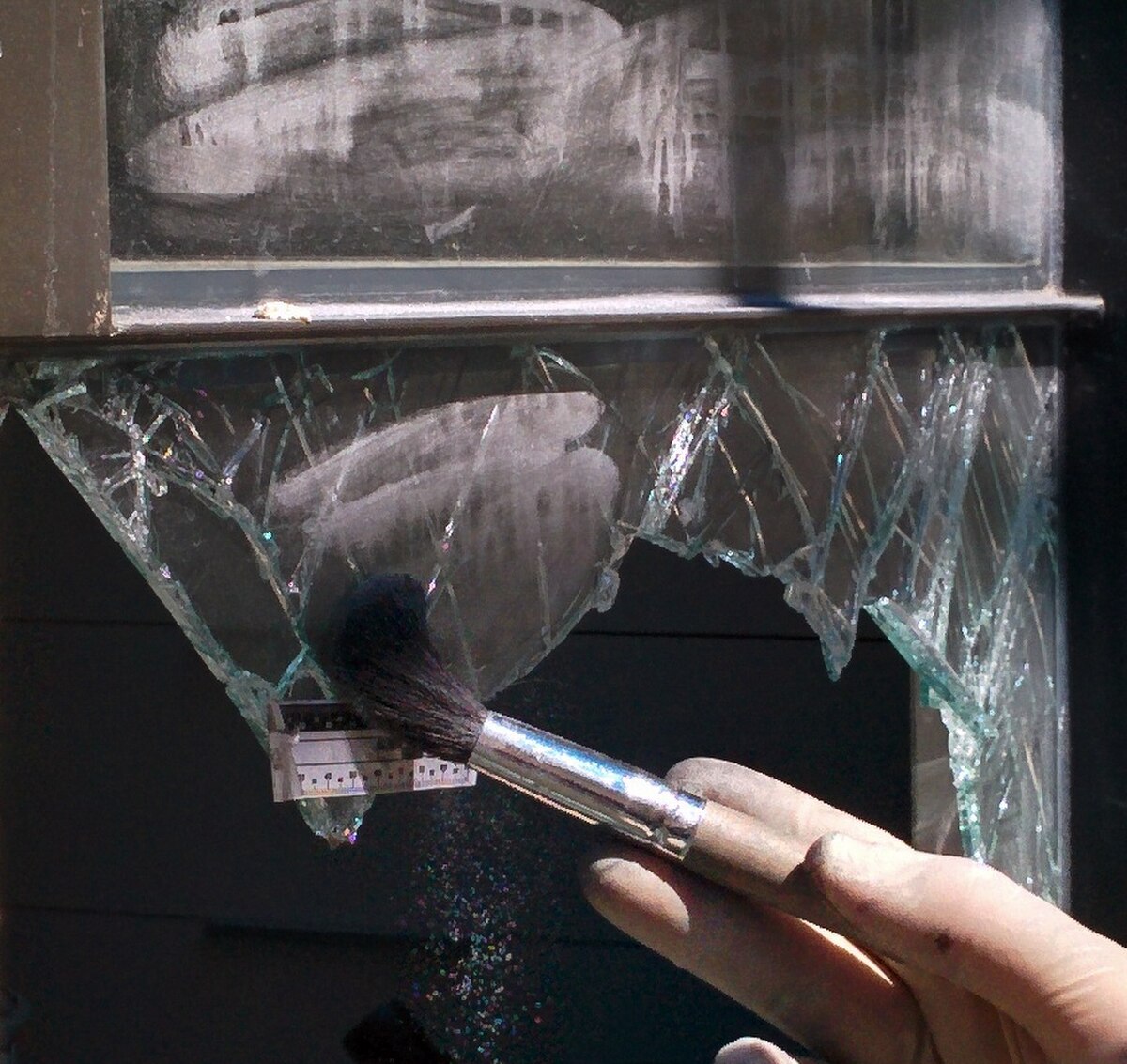
A U.S. James Tourtellotte, photo editor of CBP Today[1], Public domain, via Wikimedia Commons
The first major use of DNA profiling in a criminal case instantly proved an innocent man had been framed.
How it works
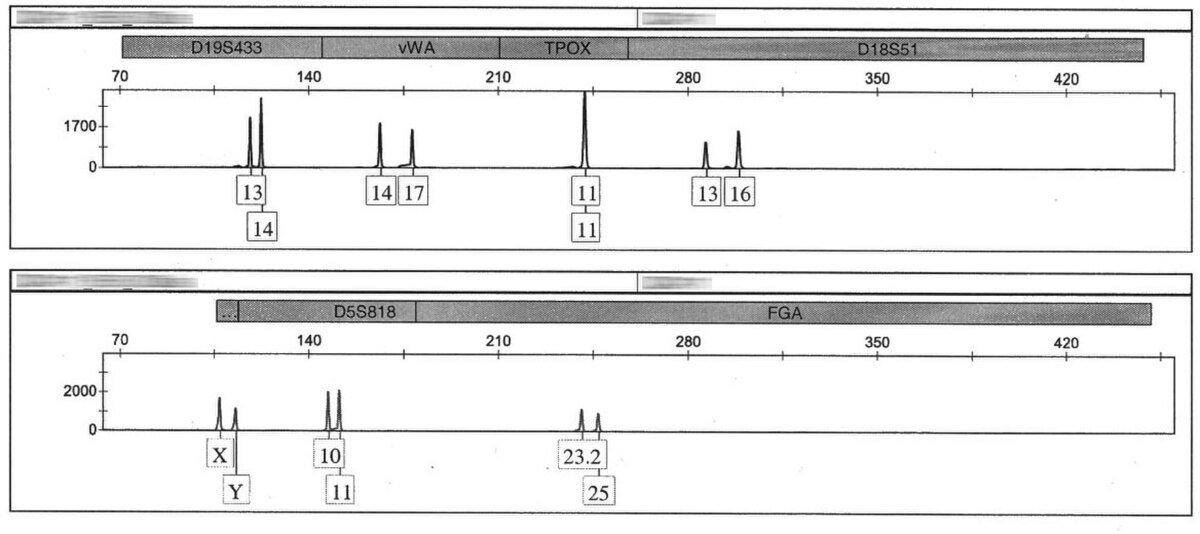
Your DNA is 99.9% identical to every other human on Earth. Forensic tests focus on the remaining 0.1%. Scientists look at specific regions called short tandem repeats, where short sequences of genetic code repeat over and over.
The number of repeats varies wildly from person to person, creating a combination so unique it is virtually one-of-a-kind.
Graph showing a partial human STR profile obtained using the Applied Biosystems Identifiler kit, with two panels displaying signal amplitude on the Y-axis and fragment size (in base pairs) on the… Sekiyu (talk), CC BY-SA 3.0, via Wikimedia Commons
How DNA profiling works
Around 99.9% of the human genetic sequence is identical across all people. To tell individuals apart, forensic profiling targets the remaining 0.1% where repetitive segments of DNA code, known as variable number tandem repeats (VNTRs), show extreme variation between people.
This chart illustrates how variable number tandem repeat lengths differ across six separate individuals. PaleWhaleGail, uploaded to Wikimedia by Charvosi, CC BY-SA 3.0, via Wikimedia Commons
Modern tests focus on short tandem repeats (STRs), which are compact repeating patterns of genetic code. Related people share similar repeat patterns, but unrelated individuals are extraordinarily unlikely to have identical lengths across multiple sites.
Identical twins are the only exception. Because they develop from the same single fertilized egg, identical twins share the same DNA sequence and produce the exact same genetic profile.
How scientists extract and process samples
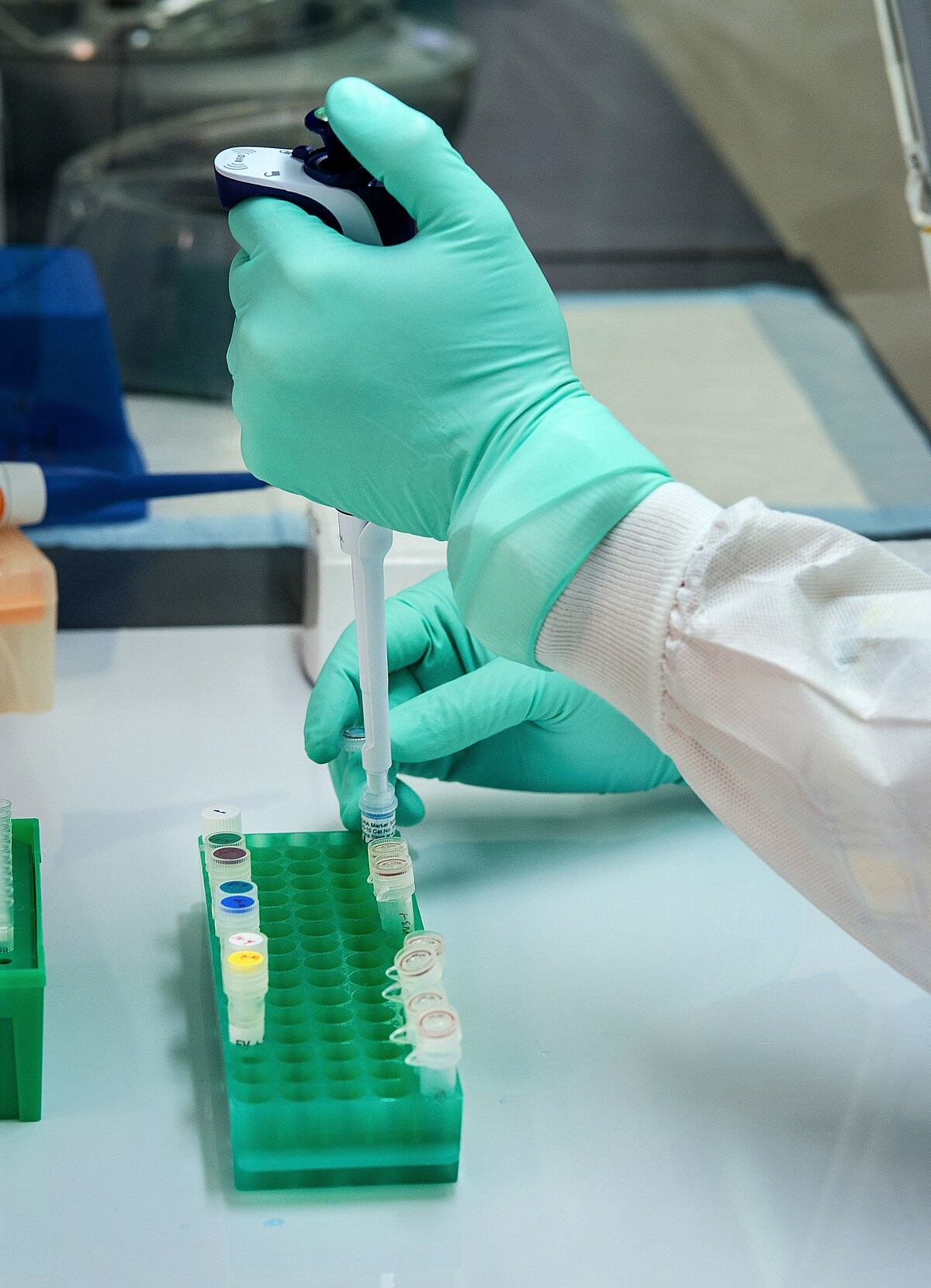
Before testing can happen, scientists must isolate the DNA from biological samples like blood, saliva, or semen. DNA makes up only a tiny fraction of a sample, requiring analysts to break down cell and nuclear membranes to release the genetic material into a solution.
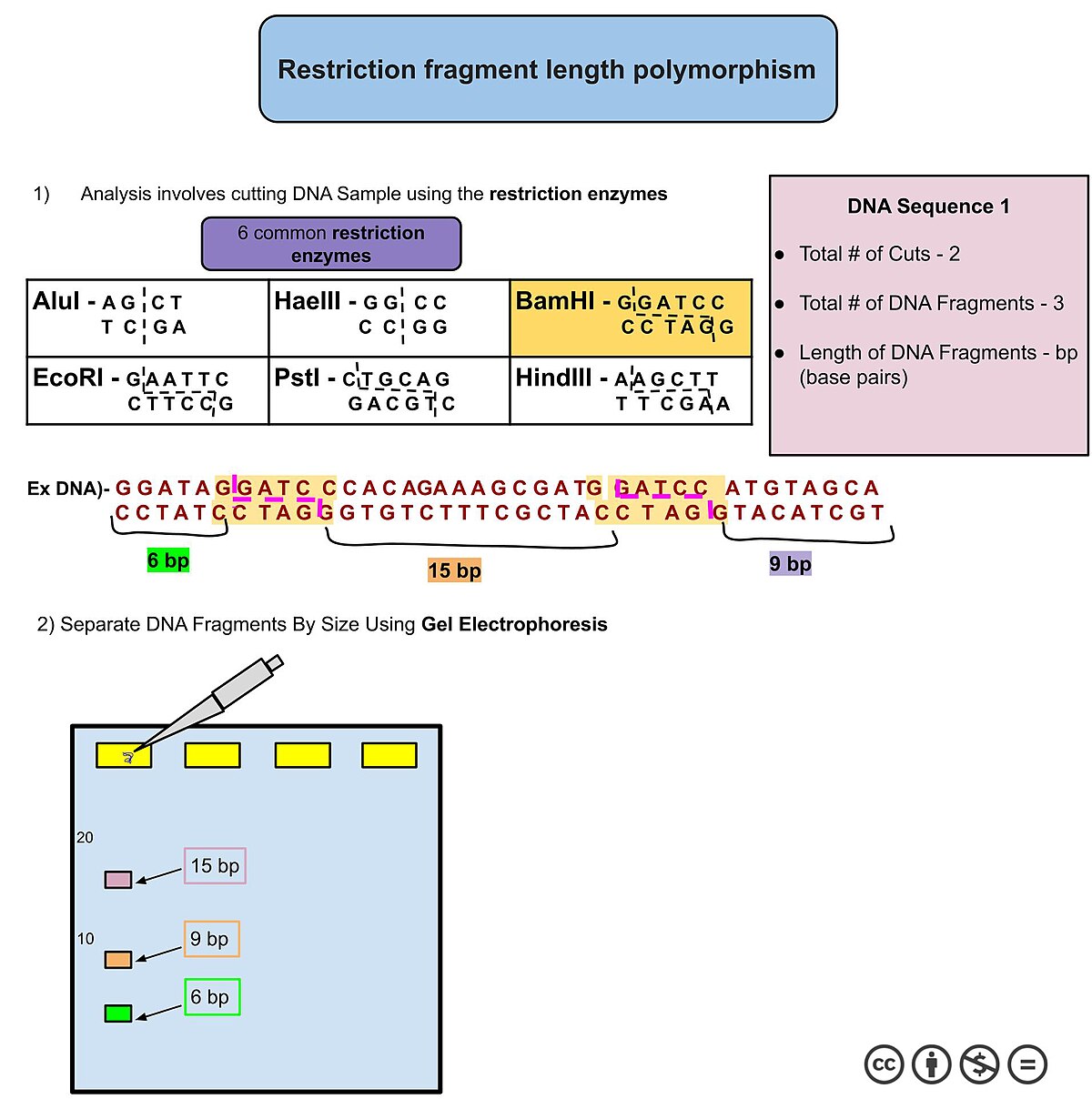
This diagram displays restriction fragment length polymorphism, an early technique that separated enzyme-cut DNA fragments on a gel. Lolyas39, CC BY-SA 4.0, via Wikimedia Commons
The genetic material is then purified and separated from cellular debris and damaging enzymes using techniques like organic extraction, Chelex extraction, or solid-phase extraction. An analyst chooses an extraction method depending on processing time, cost, and the required yield.
Early forensic labs analyzed samples using restriction fragment length polymorphism (RFLP), which required large segments of DNA to be cut with restriction enzymes and sorted by size on a gel. Modern profiling methods replaced RFLP with faster, more sensitive STR testing.
Where DNA profiling is used
Beyond crime scene investigations, genetic profiling serves as a standard tool in legal and medical settings. It is widely used for paternity testing, resolving family relationship questions in immigration claims, and conducting genealogical research.
Scientists also deploy DNA profiling in zoology, botany, and agriculture to study genetic diversity in animal and plant populations. When researchers need to identify an entire species rather than a single individual, they use a related method called DNA barcoding.
Test yourself
Forensic scientists use ___ to match biological samples found at a crime scene to a specific individual.
DNA profiling. DNA profiling extracts genetic material from biological samples to match profiles against suspects or databases with extreme accuracy.
Play the lesson in edgi and the card is yours. It lands on your Map next to the ideas it connects to, and turns from matte to foil to gold as you learn more around it.
No. While modern forensic DNA profiling is highly reliable, it technically provides a probabilistic estimate rather than an absolute guarantee.
What is the difference between DNA profiling and DNA barcoding?
DNA profiling identifies a specific individual within a species. DNA barcoding analyzes genetic sequences to determine what species an organism belongs to.