The suffocation
Microbes like yeast prefer breathing oxygen to create energy. But when oxygen runs out, they do not simply die. They switch to a desperate, ancient metabolic backup called fermentation. It is their way of generating ATP without air.
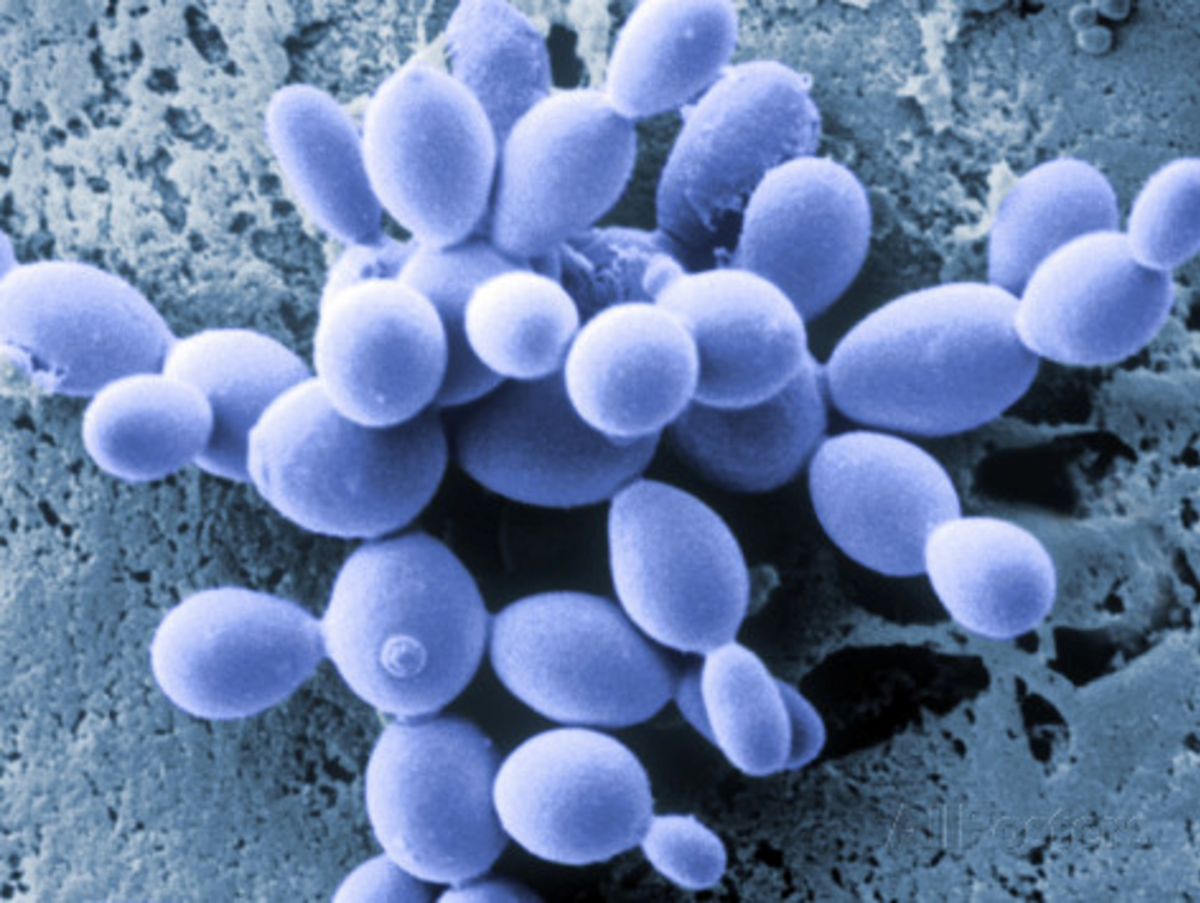
Fermentation is a chemical process where cells break down sugars to make energy without using oxygen. Organic molecules act as both the initial source and the final destination of electrons during the reaction. While it yields far less energy than normal respiration, it allows microbes and animal muscles to survive and function when air runs out.

By the edgi team We find the most surprising true thing about an idea and build a 60-second lesson around it.

Microbes like yeast prefer breathing oxygen to create energy. But when oxygen runs out, they do not simply die. They switch to a desperate, ancient metabolic backup called fermentation. It is their way of generating ATP without air.
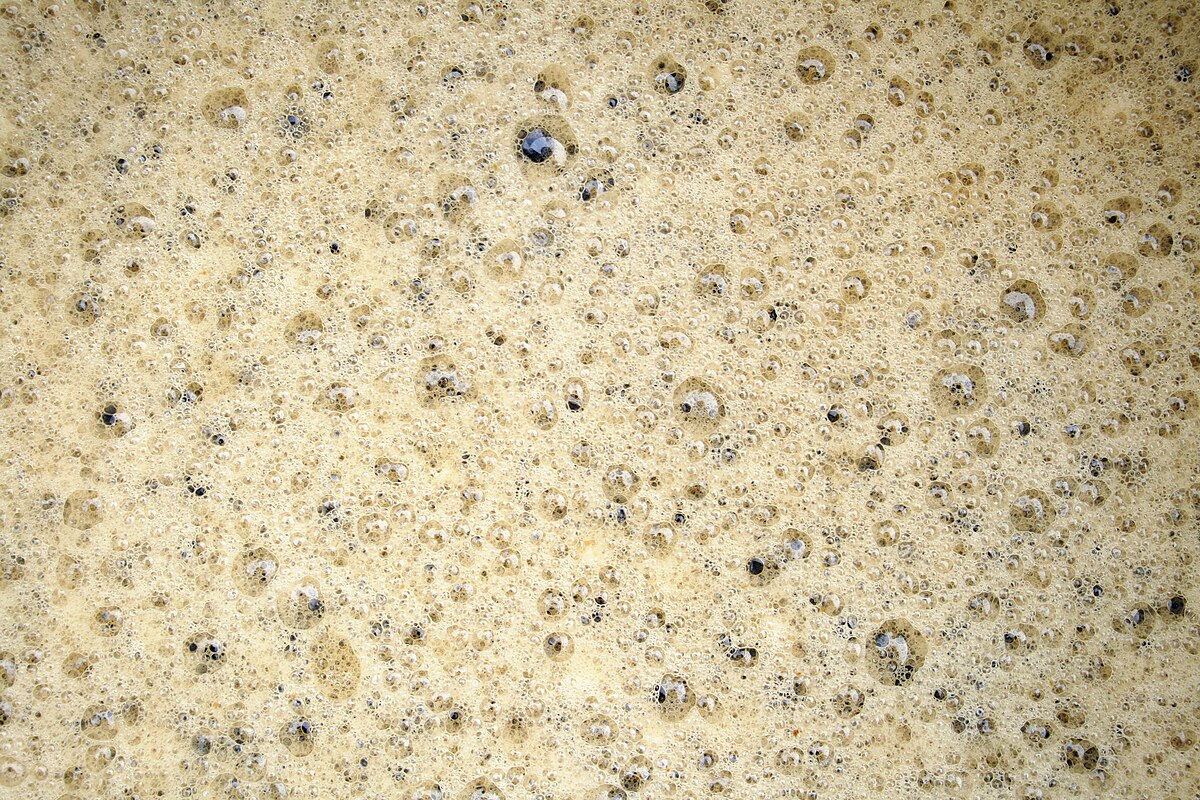
This frantic energy production creates chemical byproducts. Microbes see it as waste exhaust; humans see it as the foundation of bread, cheese, beer, and wine. The specific microbe determines the flavor: yeast produces alcohol, while specific bacteria produce lactic acid.
In the 1860s, French winemakers were losing fortunes to wine that turned sour or bitter without warning. Louis Pasteur took his microscope to the vats and proved it was not magic or bad luck, but specific, living microbes producing different kinds of 'exhaust.'
Fermentation is not just for vats. When you sprint, your muscles outrun your oxygen supply, so they switch to lactic acid fermentation to keep moving. That burning sensation in your legs? That is your own chemical exhaust.

Fermentation breaks down sugars like glucose through pathways such as glycolysis to generate adenosine triphosphate (ATP), the primary energy currency of cells. Because oxygen is absent, the cell cannot rely on aerobic respiration. Instead, electrons stripped from sugars are transferred to intermediate cofactors like NAD and then passed to another organic molecule.
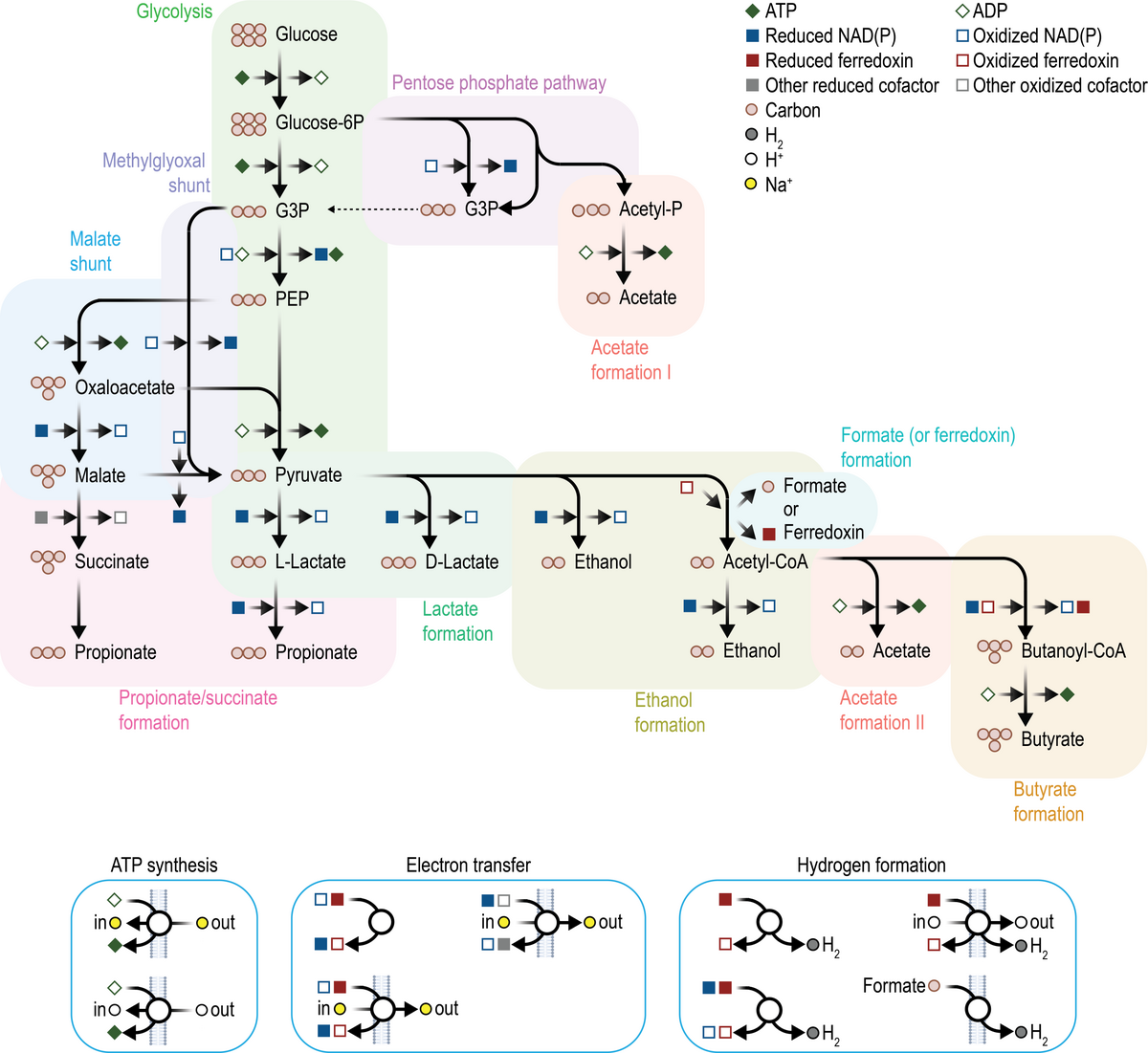
This process is relatively inefficient. Fermentation yields between 2 and 5 ATP molecules per glucose molecule, whereas aerobic respiration produces 32 ATP molecules. Because it does not rely on an external electron acceptor like oxygen, it can take place in almost any environment.
Over 25 percent of bacteria and archaea species carry out fermentation, generating nearly 300 different combinations of end products. The most common byproducts include ethanol, lactate, carbon dioxide, acetate, hydrogen, succinate, propionate, and butyrate.
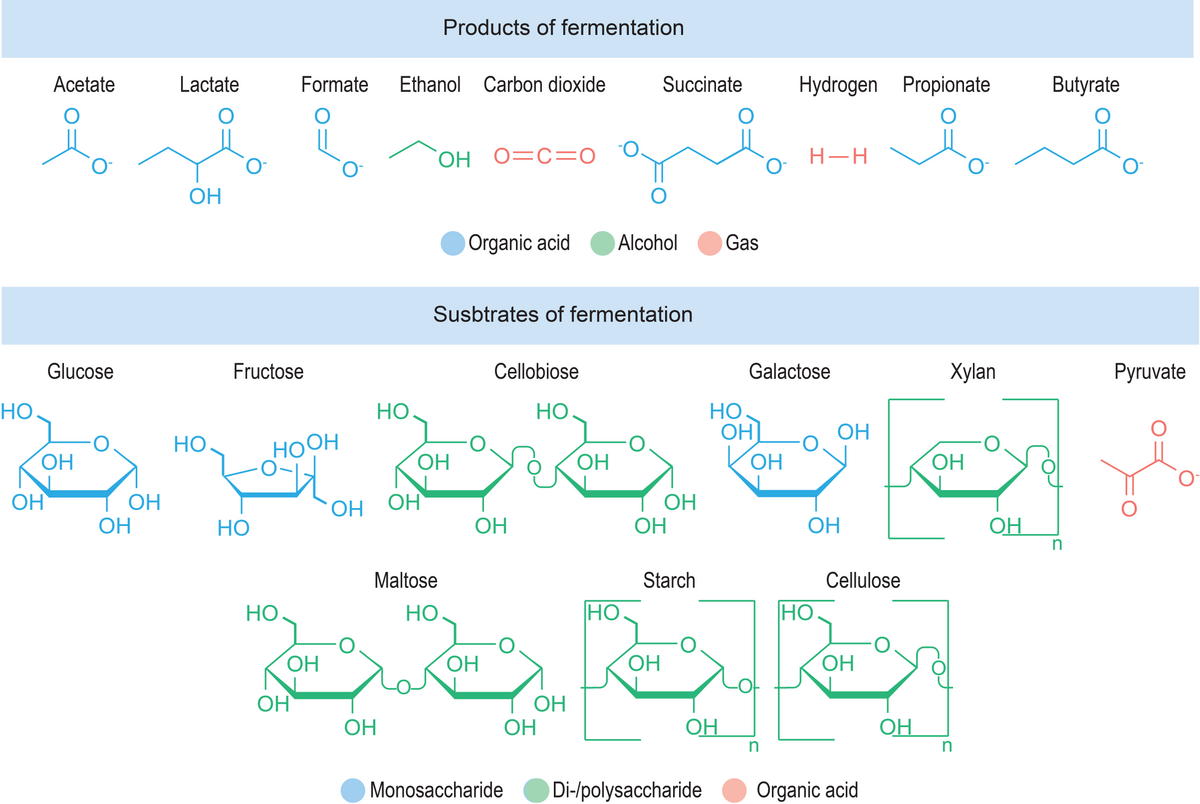
Humans have utilized these microbial byproducts to preserve and flavor food for 13,000 years. Yeast fermentation produces the ethanol found in alcoholic beverages like beer and wine, while bacterial fermentation generates lactate, which can be neutralized to lactic acid to cure foods, enhance textures, or add tart flavor profiles to dairy products and bread.
Fermentation is not limited to single-celled microbes. In human muscles, anaerobic glycolysis steps in when intense exercise outpaces the body's oxygen supply.
This internal backup system provides rapid energy for short bursts lasting between 10 seconds and 2 minutes. The process is self-limiting: as lactate builds up in the tissue, the pathway slows, and rest becomes necessary to restore normal aerobic metabolism.
Does cellular fermentation primarily occur when oxygen is abundant or absent?
When oxygen is absent. Fermentation is an anaerobic backup plan that living cells trigger only when oxygen supplies run out.
Is fermentation a primary energy source used by yeast when oxygen is plentiful?
No, it is a backup mode.. Yeast prefers to breathe oxygen for energy and only turns to fermentation as a desperate, oxygen-starved backup process to generate ATP.
Collectible card
Play the lesson in edgi and the card is yours. It lands on your Map next to the ideas it connects to, and turns from matte to foil to gold as you learn more around it.
Fermentation only partially breaks down sugar molecules, producing just 2 to 5 ATP per glucose. Aerobic respiration fully breaks down glucose using oxygen, yielding 32 ATP molecules.
Yes. Microbes living in the gastrointestinal tract of humans and livestock ferment food components and release end products that the host absorbs and uses for energy.
Fermentation pathways activate during medical conditions such as sepsis and hemorrhagic shock, where tissues experience severe oxygen shortages.
Lesson complete
You finished the lesson. In edgi, the card goes on your Map next to everything else you learn.