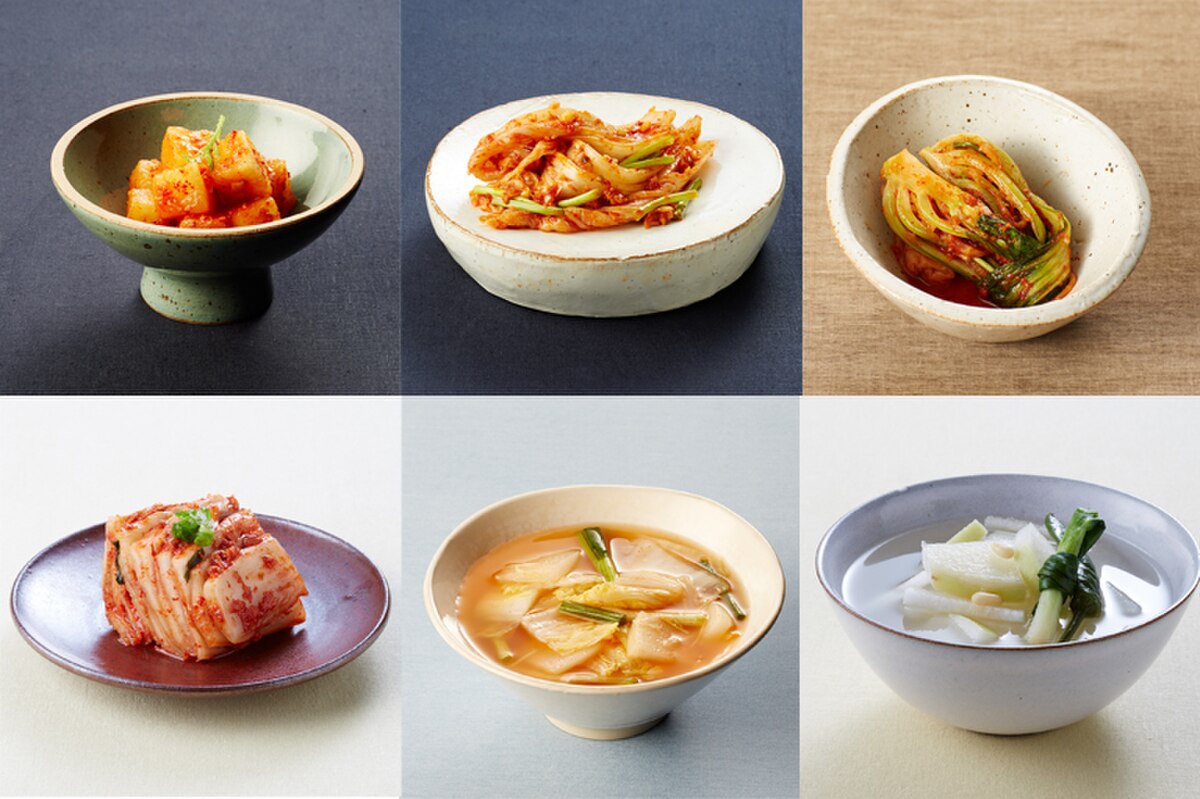
Kimchi is a traditional Korean side dish made of salted and fermented vegetables, most commonly Napa cabbage or Korean radish. Though known today for its spicy red pepper paste, it originated as a mild, salt-pickled winter survival food long before chili peppers reached East Asia. It remains a staple eaten with almost every Korean meal and forms the base of many soups and stews.
By the edgi team We find the most surprising true thing about an idea and build a 60-second lesson around it.
For most of Korean history, kimchi wasn't red. It was a simple, salted vegetable dish seasoned with garlic and ginger. The vibrant, spicy heat we associate with it today didn't exist until the late 16th century.
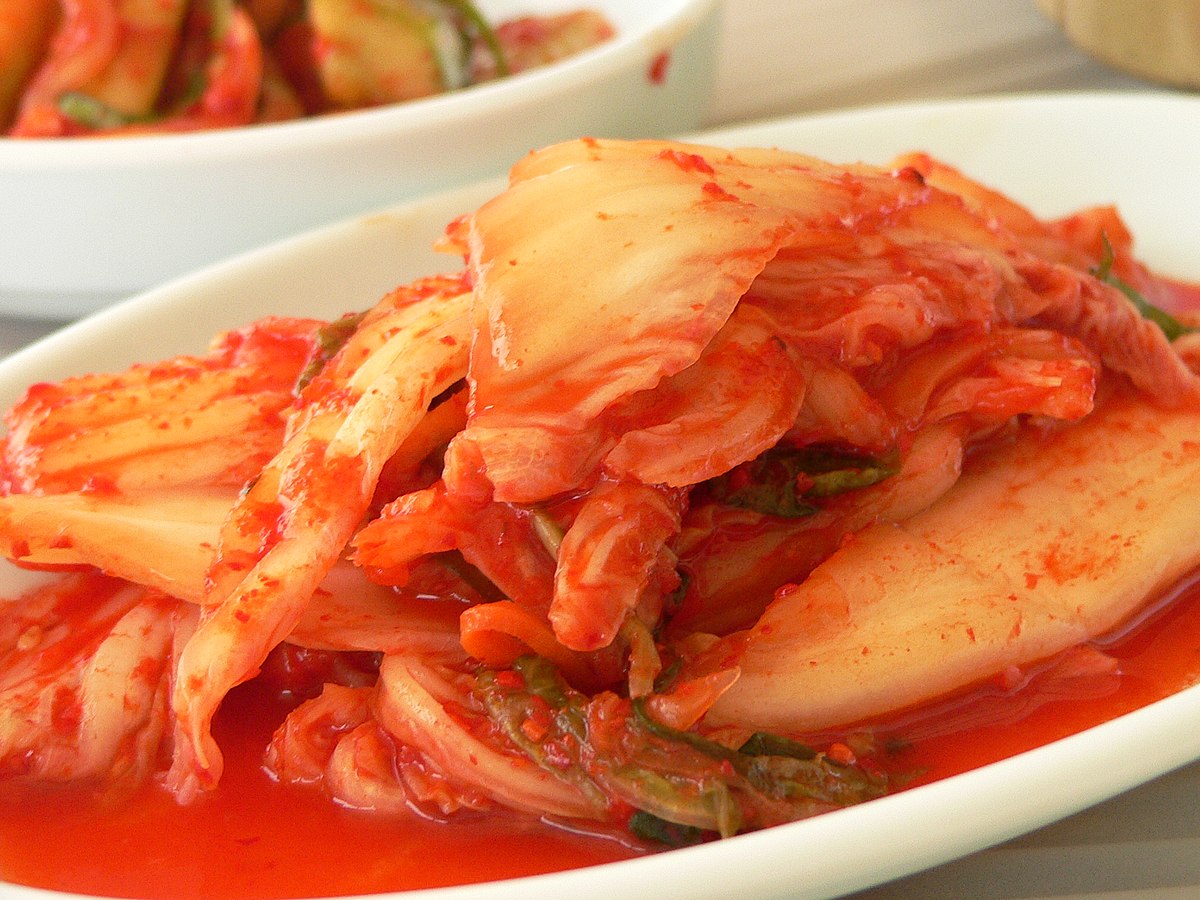
A close-up of Kimchi, a common Korean side dish, showing vibrant red, spicy fermented cabbage on a white rectangular plate. Nagyman, a flickr user, CC BY-SA 2.0, via Wikimedia Commons
That changed when Portuguese traders brought chili peppers to East Asia, which Koreans quickly integrated into their fermentation brine.
The preservation
Kimchi is fundamentally a preservation technology. By salting vegetables and burying them in clay pots, ancient Koreans could store nutrients through harsh winters without any electricity.
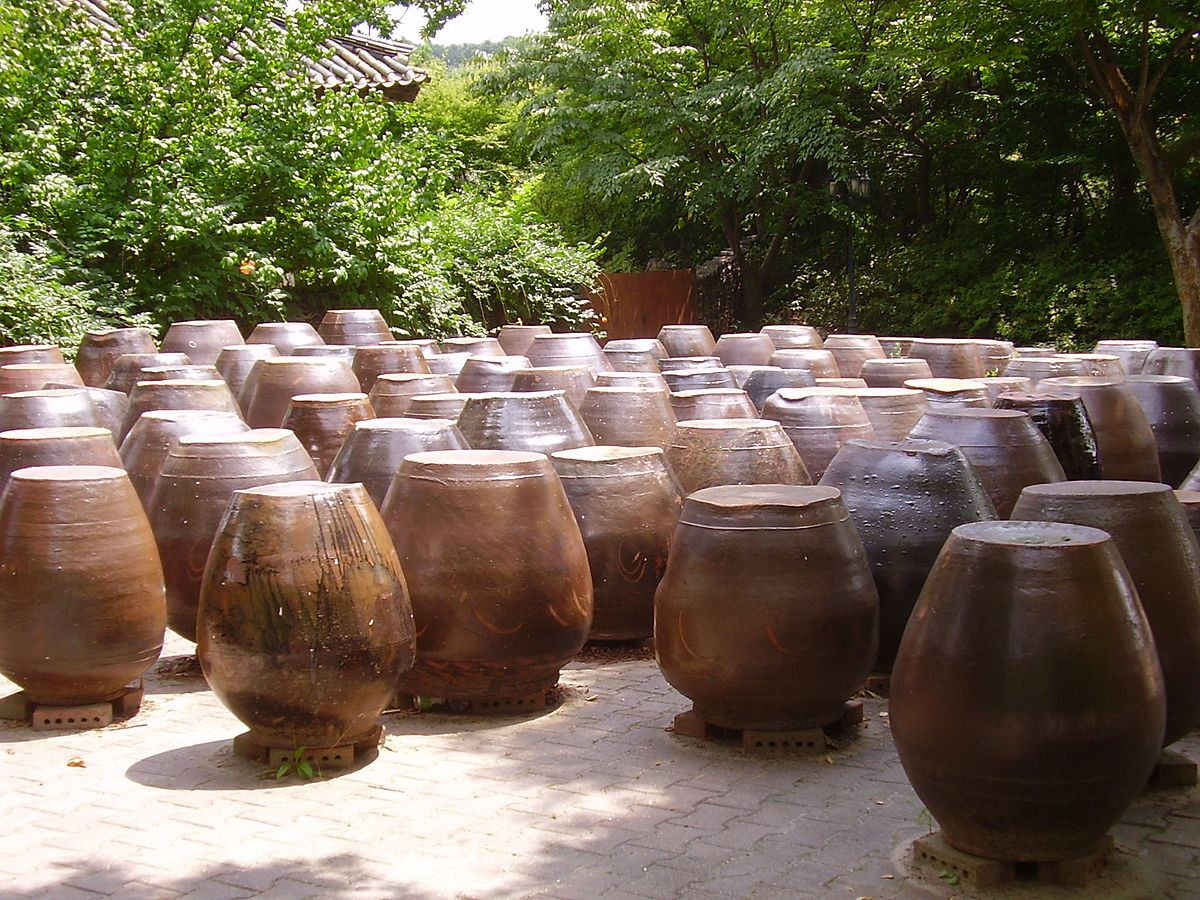
Numerous traditional Korean earthenware jars, called onggi, are arranged outdoors. OlkhichaAppa, CC BY-SA 3.0, via Wikimedia Commons
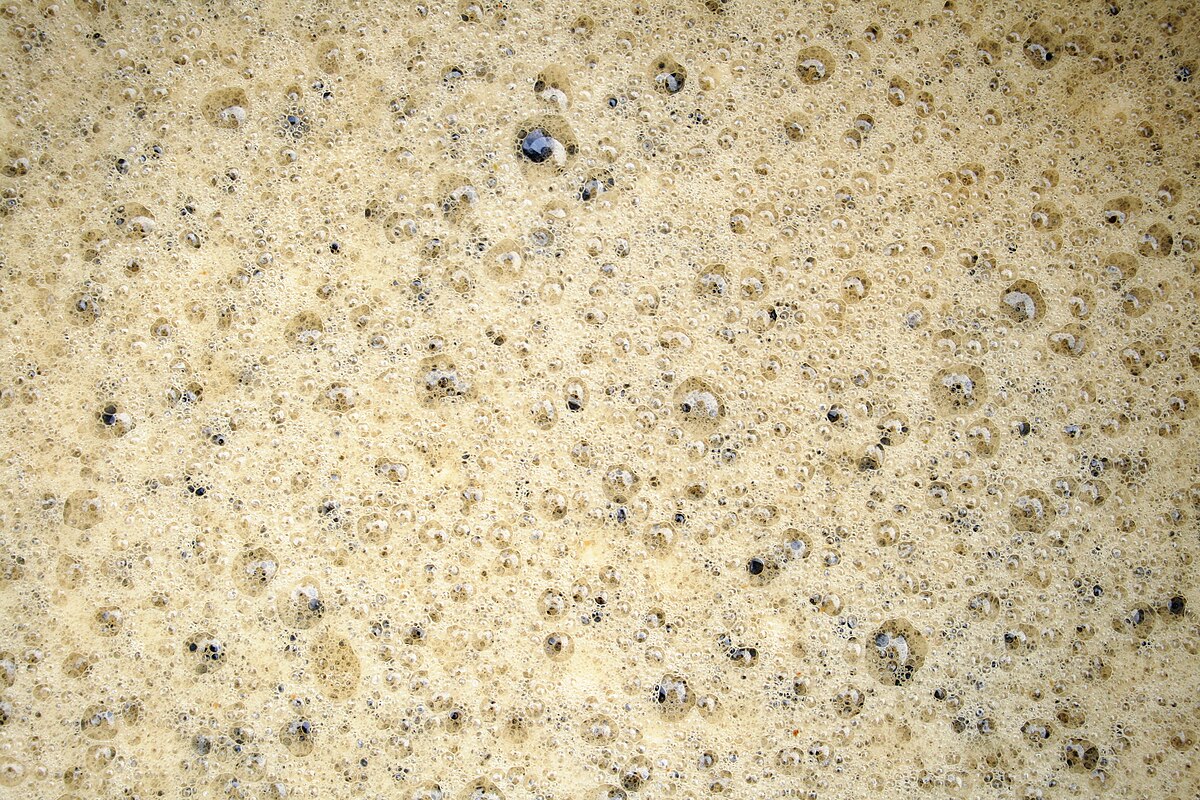
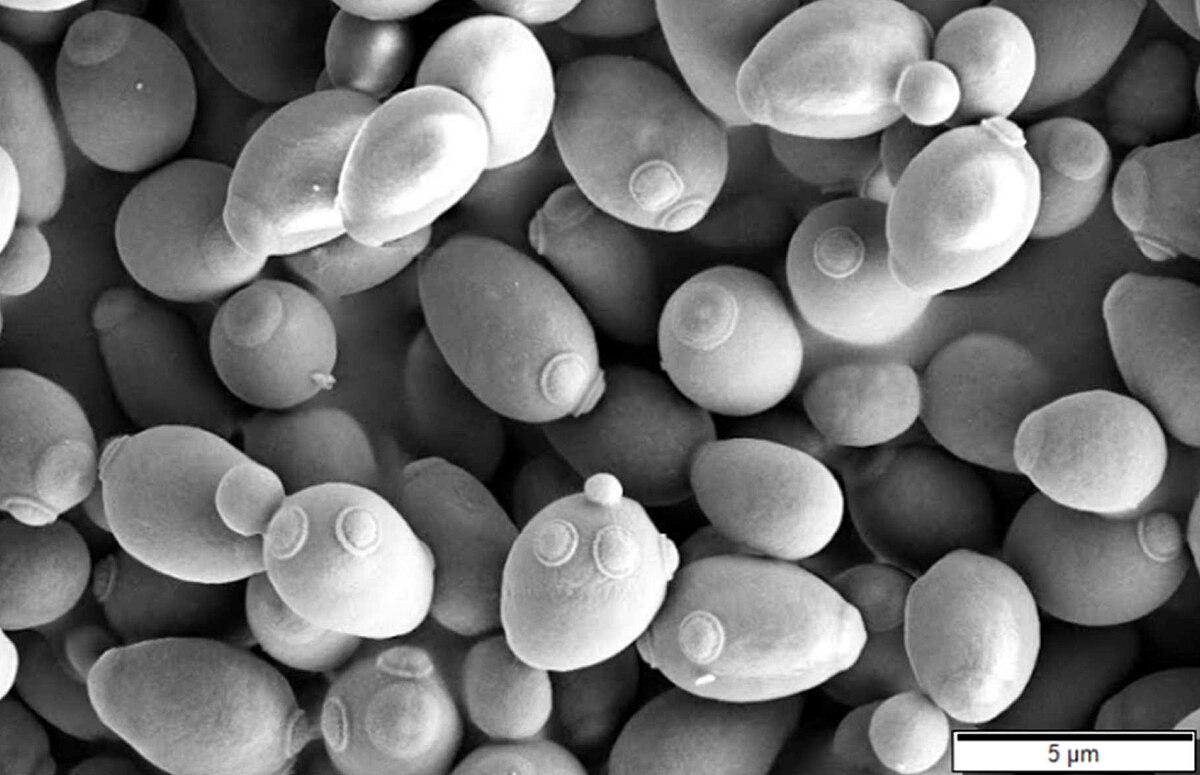
The process turns simple Napa cabbage into a living, sour ecosystem of probiotics.
Modern adaptations
The dish is so vital that South Korea invented specific kimchi refrigerators to mimic the stable, cool temperatures of traditional underground clay pots. It is even space-ready. Scientists spent years developing a version that wouldn't explode from gas buildup in zero gravity for Korean astronauts.
How traditional kimchi fermentation works
Kimchi began as a preservation technology to keep vegetables edible through freezing winters without refrigeration. Ancient Koreans packed salted vegetables and seasonings into large earthenware ceramic jars called onggi, burying them underground. This protected the batch from freezing in winter and slowed down fermentation in summer.
The communal ritual of preparing large supplies of winter kimchi is called gimjang. Today, many Korean homes use specialized kimchi refrigerators, which regulate temperature precisely to mimic the conditions of buried onggi pots.
How chili peppers changed kimchi
For most of its history, kimchi contained no chili peppers. Historical records from the Three Kingdoms and Goryeo periods describe pickled radishes and salted greens without spice. Red chili peppers are native to the Americas and only reached East Asia in the late 16th century via Portuguese traders.
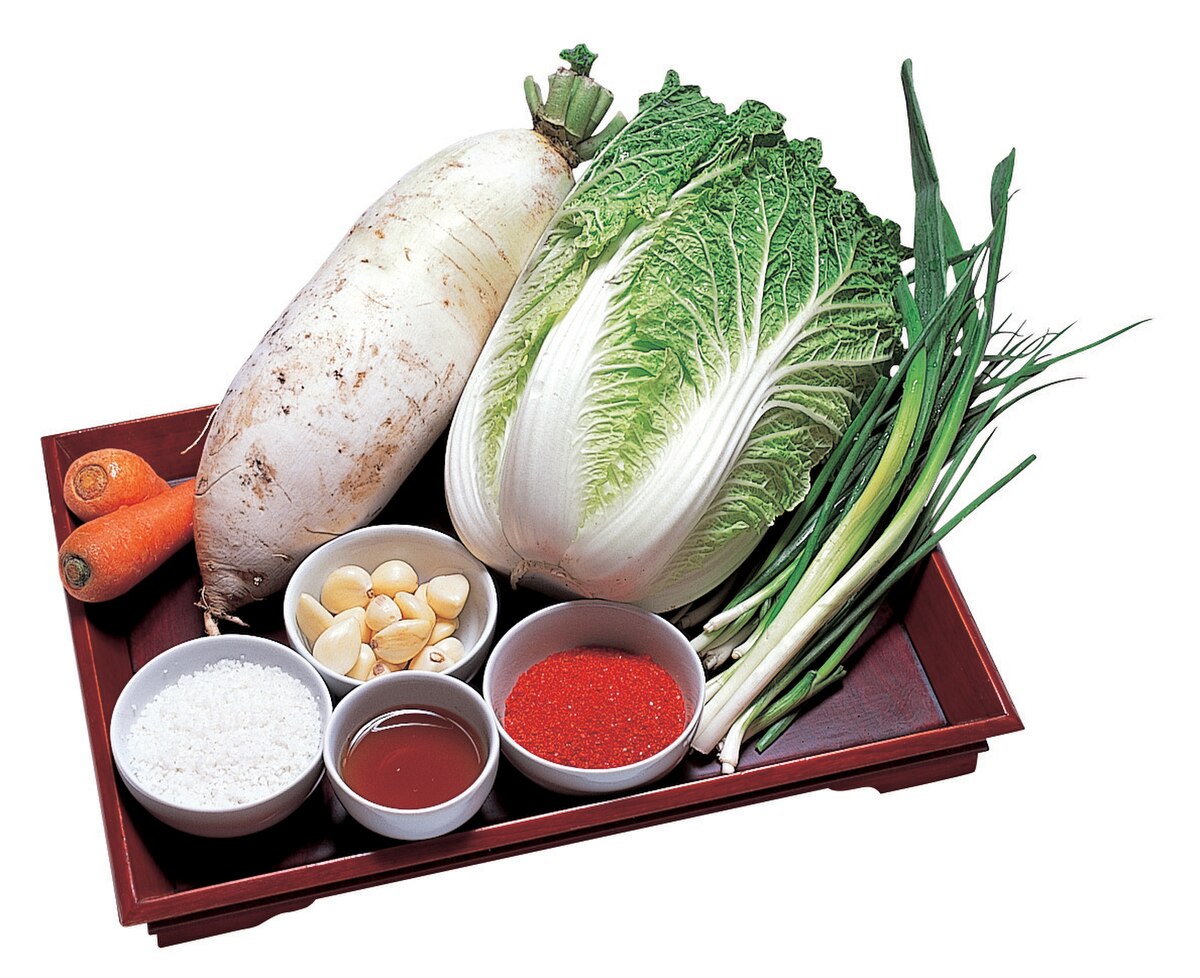
Core ingredients for modern kimchi, including Napa cabbage, radish, garlic, fish sauce, and bright red chili pepper powder. Korea.net / Korean Culture and Information Service, CC BY-SA 2.0, via Wikimedia Commons
The first Korean mention of chili peppers appeared in 1614, but their use in kimchi recipes only became widespread in the 19th century. Modern kimchi typically blends gochugaru (Korean chili powder) with garlic, ginger, spring onions, and jeotgal (salted seafood) into a paste that coats vegetables like Napa cabbage, radish, or cucumber.
Test yourself
Why did scientists adapt kimchi for Korean astronauts in space?
To prevent gas buildup from causing problems. Fermentation produces gas, which behaves differently in zero gravity. The space-ready version was developed to manage that buildup.
Why do kimchi refrigerators mimic the cool temperatures of underground storage?
To support stable storage and fermentation. Traditional cool storage helped preserve kimchi through winter; refrigerators recreate stable conditions rather than replacing salt or defining kimchi’s heat.
A cook makes mild kimchi with salt, garlic, and ginger but no chili. What does this show?
Kimchi can ferment without chili. Salted vegetables can ferment into kimchi without chili. Peppers add heat and color, but they are not what makes fermentation happen.
Play the lesson in edgi and the card is yours. It lands on your Map next to the ideas it connects to, and turns from matte to foil to gold as you learn more around it.
While Napa cabbage and Korean radish are the most common, hundreds of varieties exist. Variations include kkakdugi made with cubed radish, oi-sobagi made with cucumber, and chonggak-kimchi made with whole radishes.
Why was a bacteria-free kimchi sent to space?
In 2008, South Korean scientists developed a special version for astronaut Yi So-yeon. They eliminated the live bacteria typical of normal fermentation to prevent cosmic rays from mutating the microbes and to stop gas buildup in zero gravity.