VinegarHow bacterial decay became our sharpest preservative
Vinegar is an acidic liquid made by fermenting sugars into alcohol and then converting that alcohol into acetic acid. Acetic acid is the compound that gives vinegar its pungent smell and sour taste, usually making up 4% to 18% of the liquid. It serves as both a culinary staple and a natural preservative because its acidity creates an environment hostile to rot-causing microbes.
By the edgi team We find the most surprising true thing about an idea and build a 60-second lesson around it.
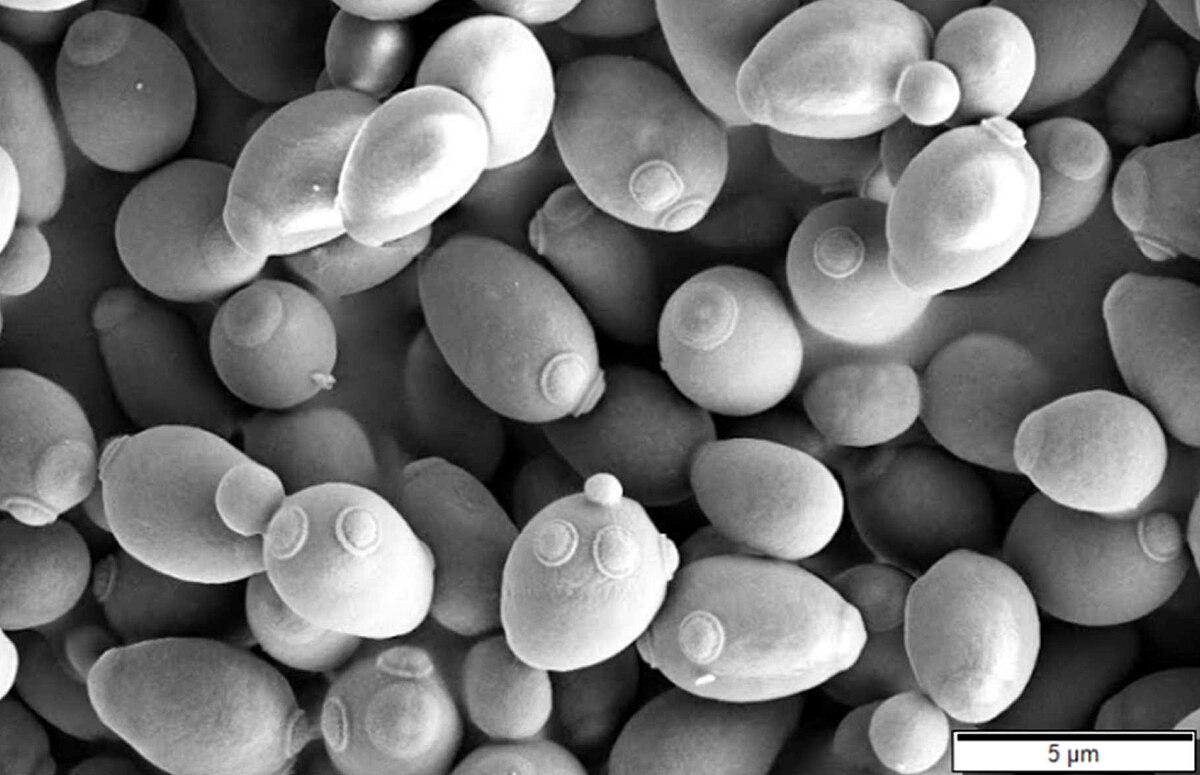
Vinegar is essentially a two-step biological accident. First, yeast eats sugar to create ethanol, or alcohol.
Then, acetic acid bacteria hijack that alcohol and convert it into acetic acid. The result is a liquid toxic to the very microbes that cause rot, which makes it a natural preservative.
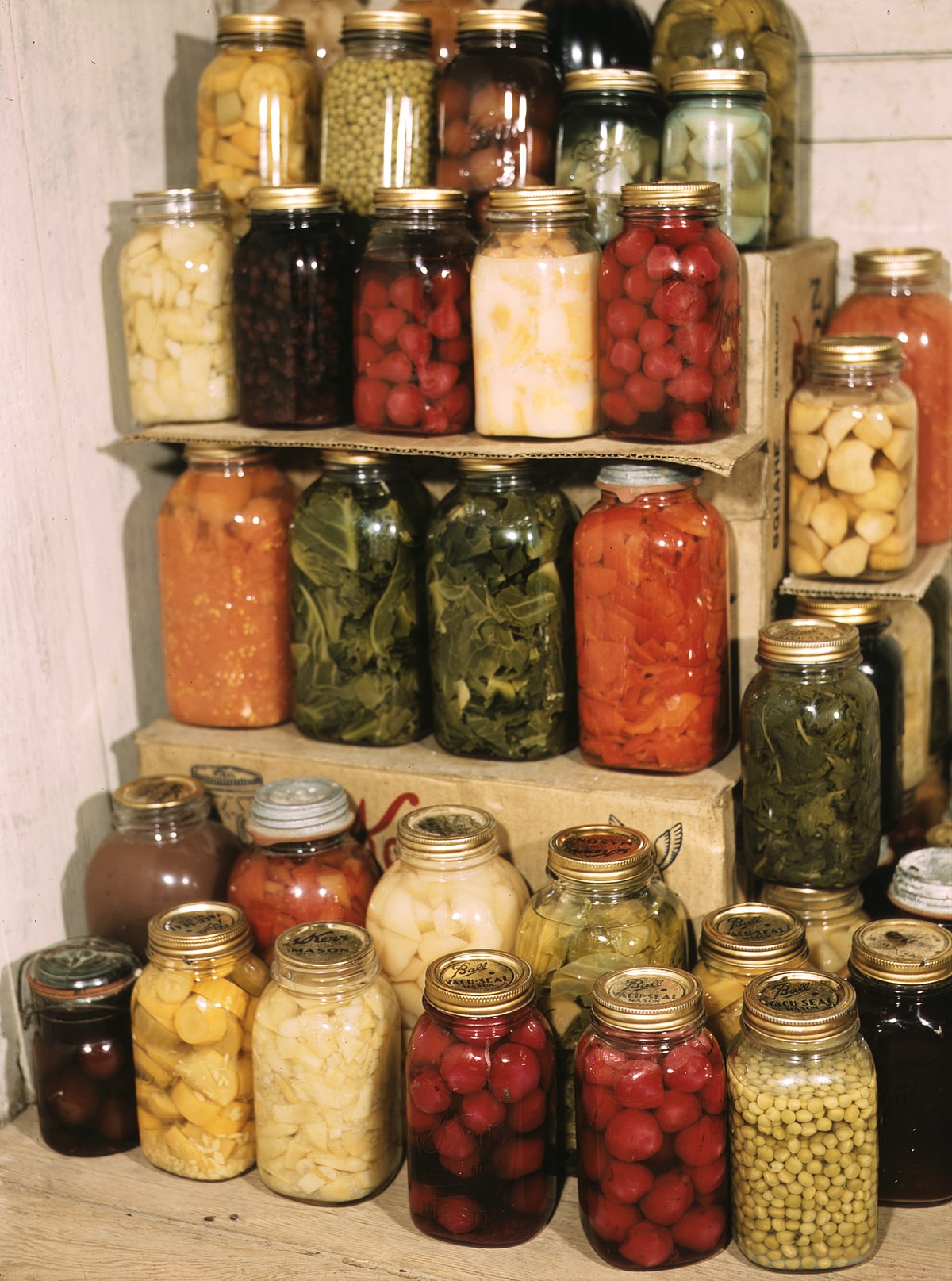
Numerous glass jars filled with various preserved foods, including fruits and vegetables, are stacked on shelves. Public domain, via Wikimedia Commons
The ancient shield
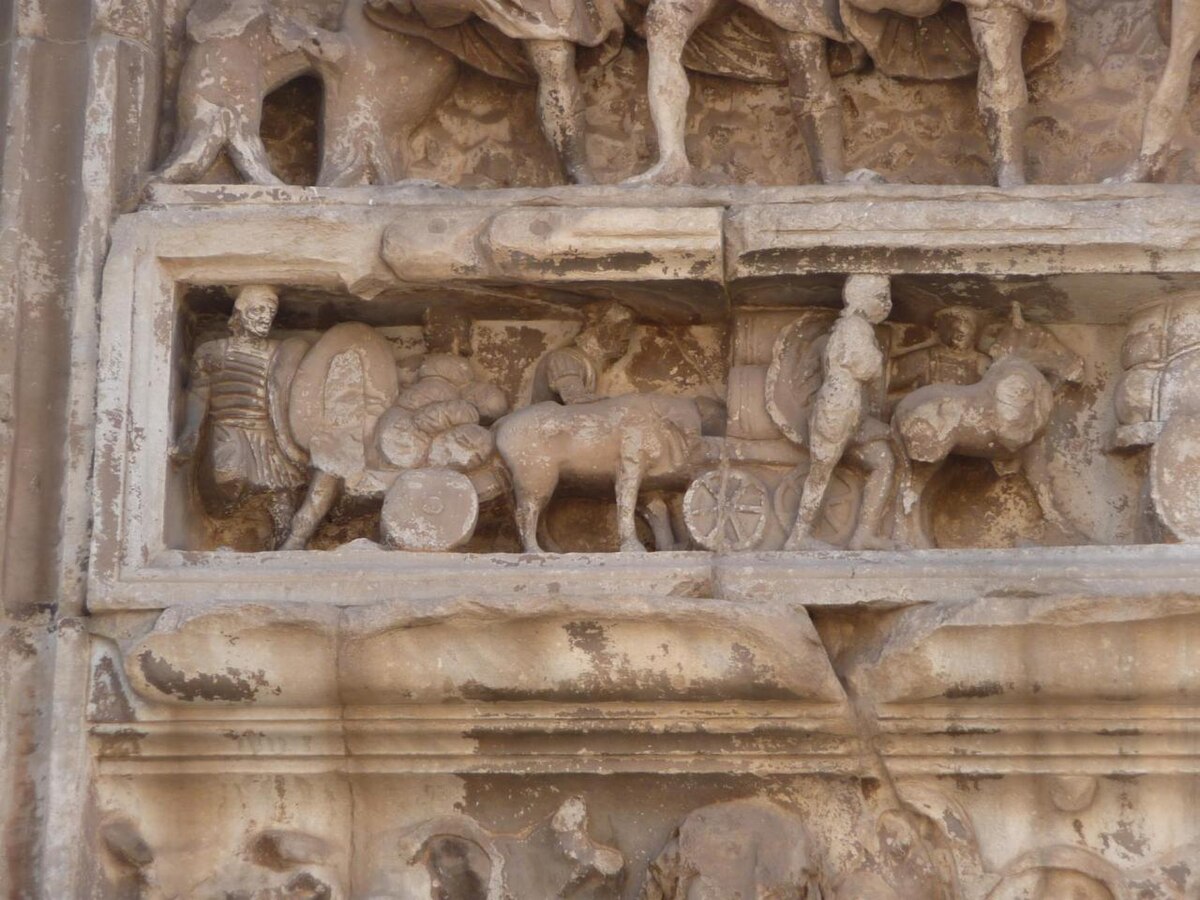
Roman soldiers marched across empires drinking posca, a mix of vinegar and water. It was not just for taste; the acidity killed parasites in their water supply.
Detail from the Arch of Septimius Severus in the Roman Forum, depicting Roman soldiers in relief. Oluttölkki, CC BY-SA 4.0, via Wikimedia Commons
Centuries later, legend says grave robbers in Marseille used Four Thieves Vinegar to loot plague victims without catching the Black Death. The vinegar and herbs likely repelled the fleas that carried the bacteria.
The kitchen anchor
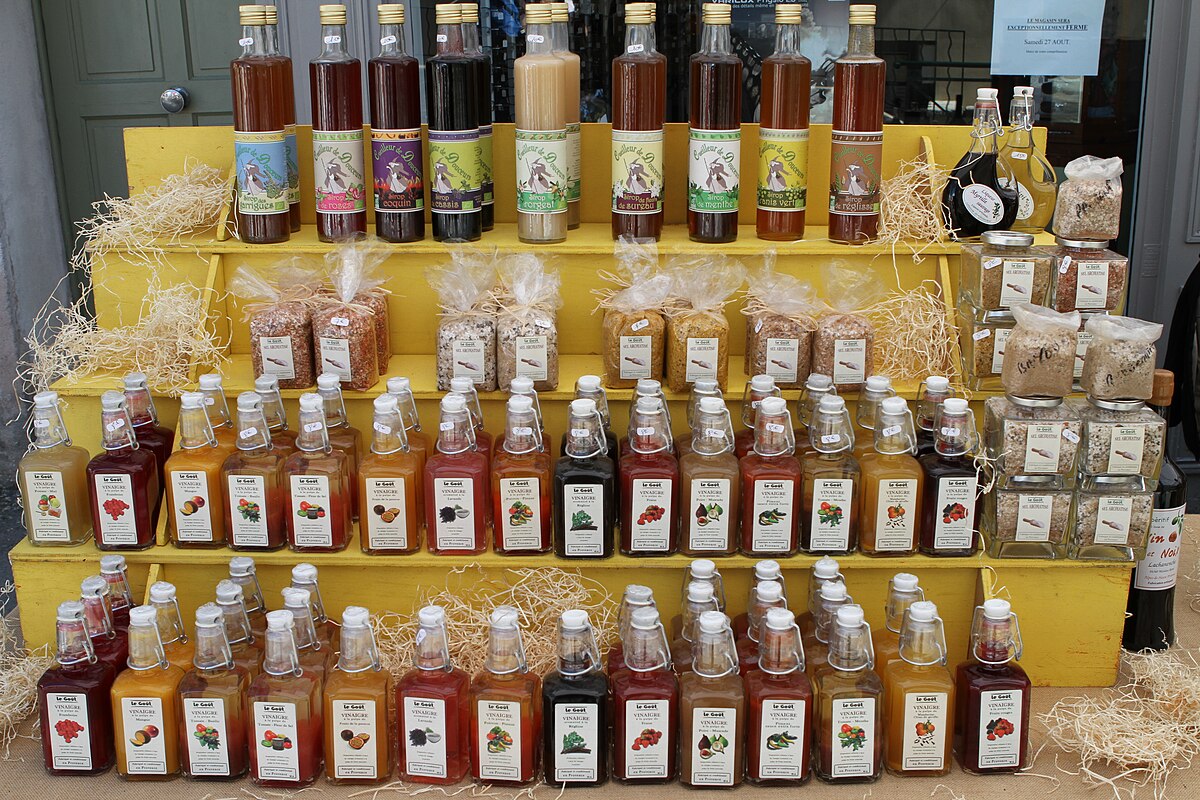
Beyond medicine, vinegar is the backbone of global flavor. It does the heavy lifting in pickling, emulsifying vinaigrettes, and balancing rich sauces like adobo.
A display of various flavored vinegars for culinary use, on sale in France. Georges Seguin (Okki), CC BY-SA 3.0, via Wikimedia Commons
We kept a bacterial byproduct as our most versatile kitchen tool because it turns decay into preservation.
How vinegar is made
Vinegar requires a two-step fermentation. First, yeasts consume simple sugars from fruits, grains, or alcohol to create ethanol. Next, acetic acid bacteria consume the ethanol in the presence of oxygen, turning it into acetic acid and water.
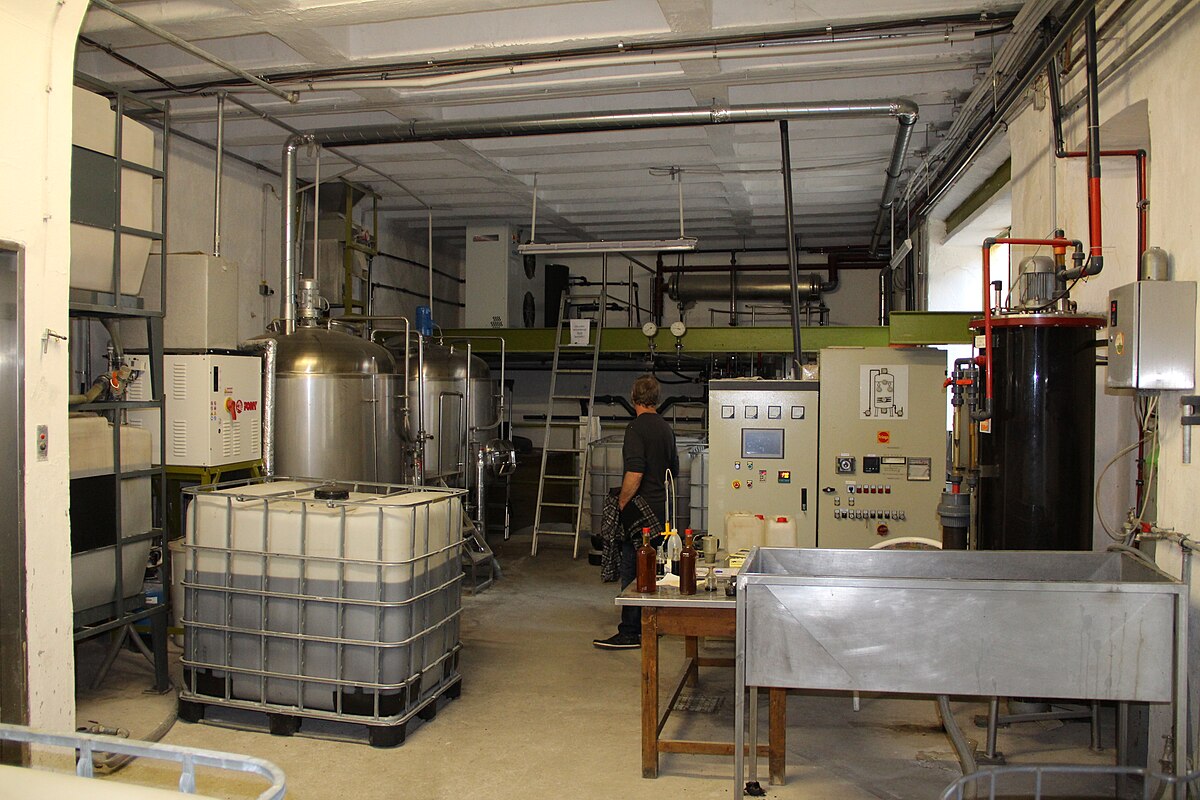
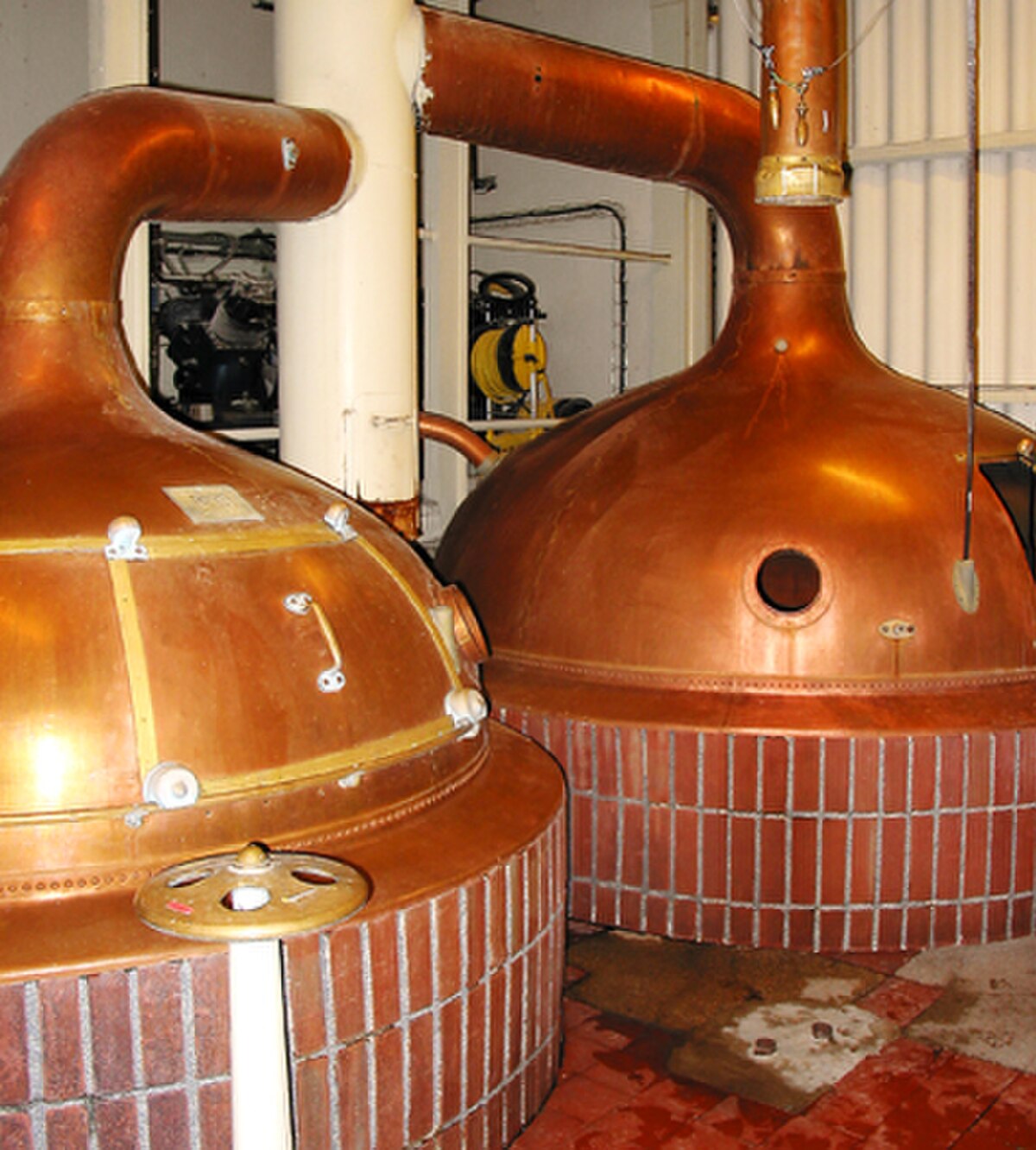
Modern stainless steel vessels use fast submerged fermentation to turn alcohol into vinegar in just a few days. Braveheart, CC BY-SA 4.0, via Wikimedia Commons
Traditional slow methods take months or up to a year, allowing the bacteria to form a harmless, cellulose biofilm known as mother of vinegar. Industrial methods speed this up drastically. In 1823, Karl Sebastian Schüzenbach invented a generator using beechwood shavings to cut fermentation times down to one or two weeks. Modern submerged fermentation methods pump oxygen directly into the liquid, producing vinegar in just one to three days.
Ancient origins and global varieties
The earliest documented vinegar production dates to Babylon around 3000 BCE, where people fermented dates, figs, and beer for food and medicine. In ancient China, noble households during the Zhou dynasty employed dedicated vinegar makers. Spartan soldiers relied on vinegar to keep blood from coagulating in their traditional black soup, a technique still used in modern blood soups.
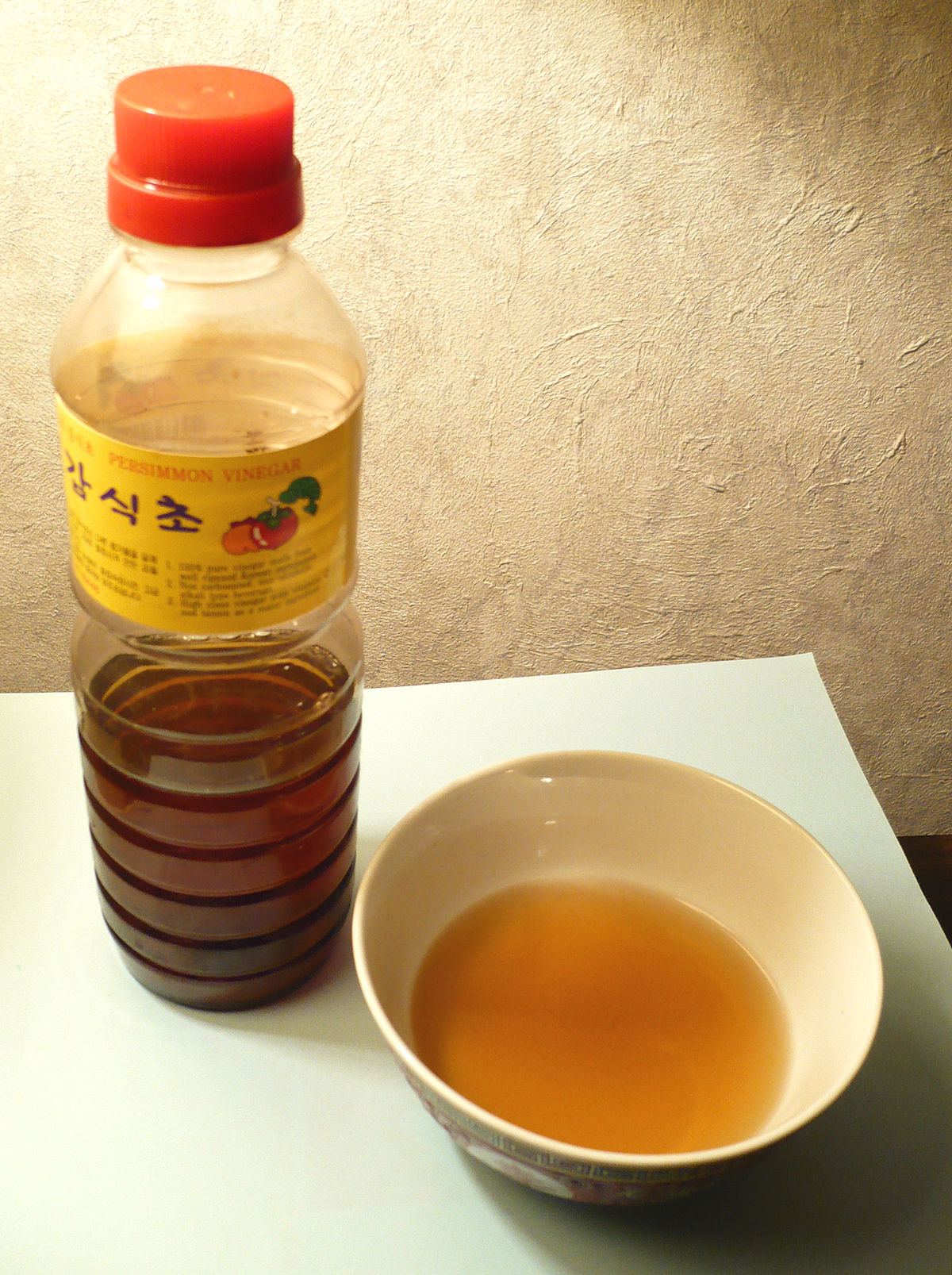
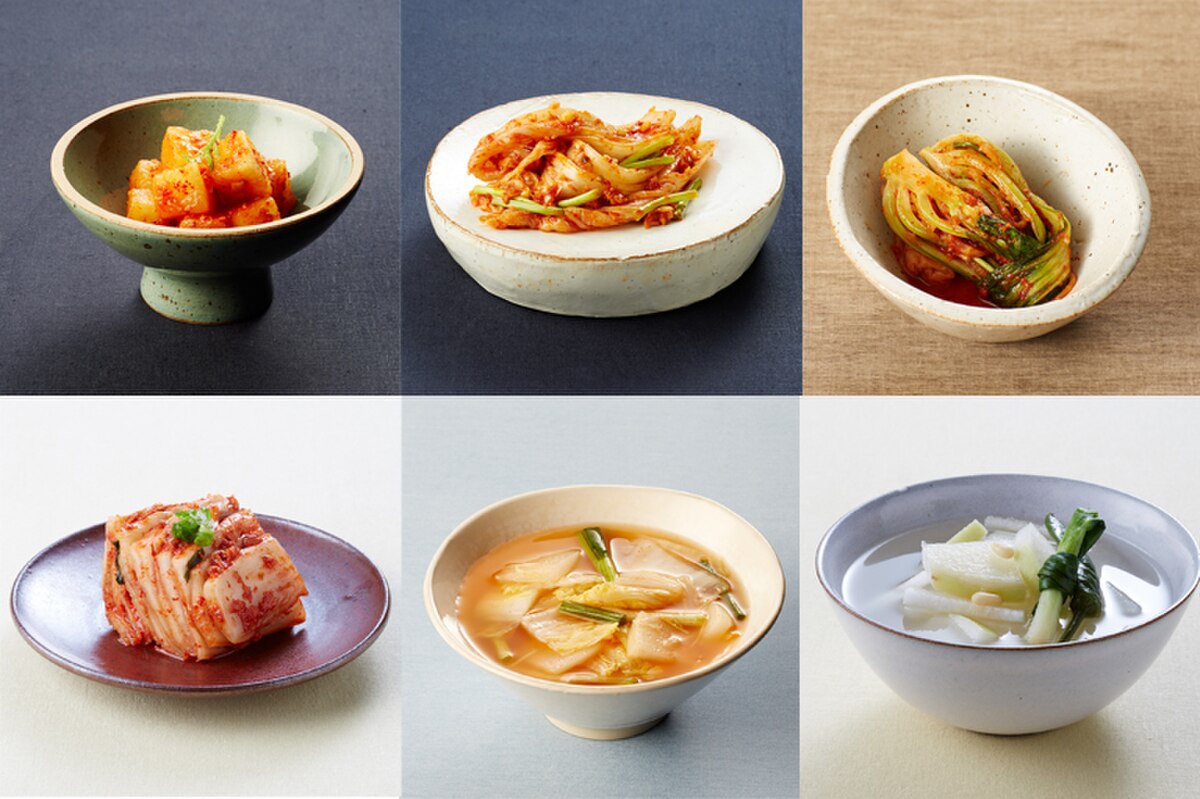
Persimmon vinegar, known as gam sikcho, is a traditional fruit vinegar made in South Korea. Badagnani, CC BY 3.0, via Wikimedia Commons
Regional vinegars depend entirely on local agricultural staples. England developed malt vinegar from ale, originally calling it alegar. In Japan, Matazaemon Nakano used leftover sake lees to make rice vinegar during the late Tokugawa shogunate, supplying the booming street market for sushi. Other global styles include South Korean persimmon vinegar, Chinese jujube and wolfberry vinegars, and European wine and fruit vinegars.
Test yourself
Which sequence produces vinegar from sugar?
Yeast makes alcohol; bacteria make acetic acid.. Vinegar production involves successive fermentations: yeast first makes alcohol from sugar, then bacteria turn the alcohol into acetic acid.
In a vinaigrette, what role can vinegar play?
It provides acidity and helps balance rich flavors.. Vinegar adds acidity that balances rich flavors. It can help emulsify a vinaigrette, but does not permanently bind oil and water.
Why can vinegar help preserve pickled vegetables?
Its acidity discourages microbes that cause rot.. Vinegar's acidity helps inhibit microbes that cause spoilage; preservation comes from the acidic environment, not alcohol or bacteria consuming nutrients.
Play the lesson in edgi and the card is yours. It lands on your Map next to the ideas it connects to, and turns from matte to foil to gold as you learn more around it.
Mother of vinegar is a nontoxic, slimy biofilm composed of acetic acid bacteria and cellulose. It forms naturally during slow fermentation processes and can be added as a starter culture to speed up new batches.
Where does the word vinegar come from?
The word arrived in Middle English from the Old French vyn egre, which means sour wine. That phrase traces back to the Latin roots vinum, meaning wine, and acre, meaning sour.
What is distilled white vinegar made from?
Distilled white vinegar, also known as spirit vinegar, is made from the rapid fermentation of pure distilled alcohol rather than fruit wines or malted grains.