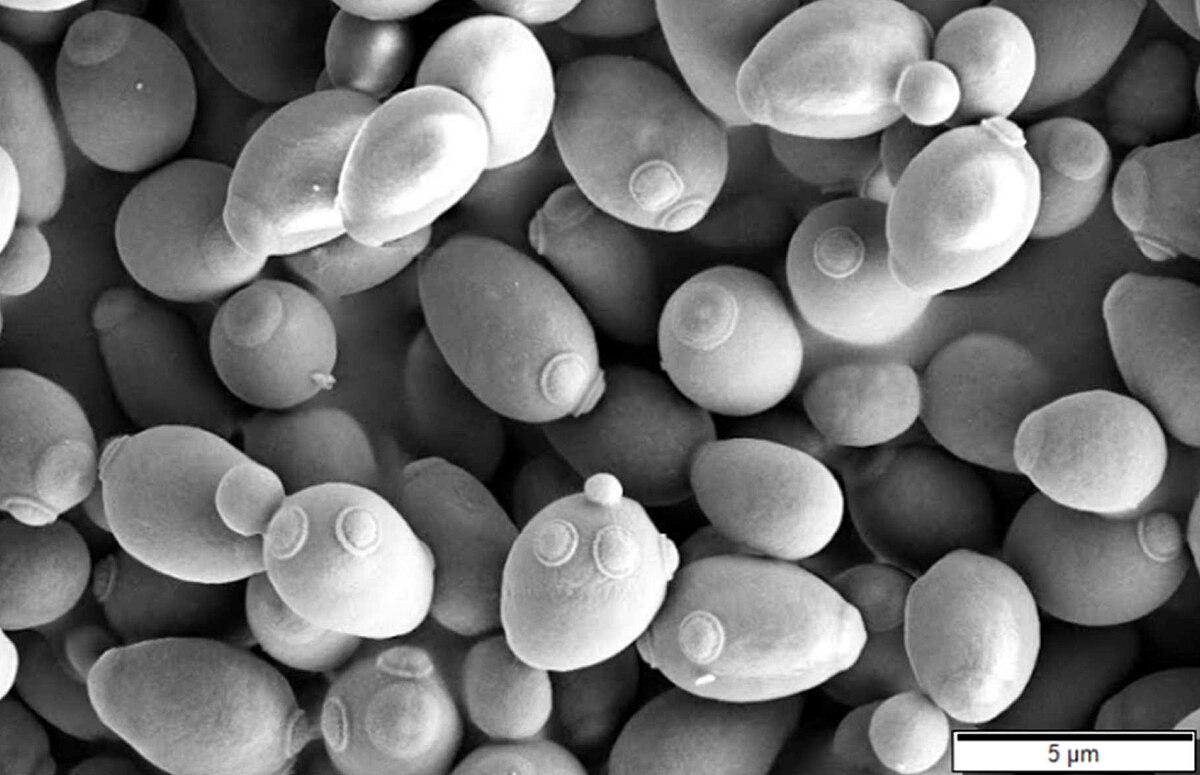
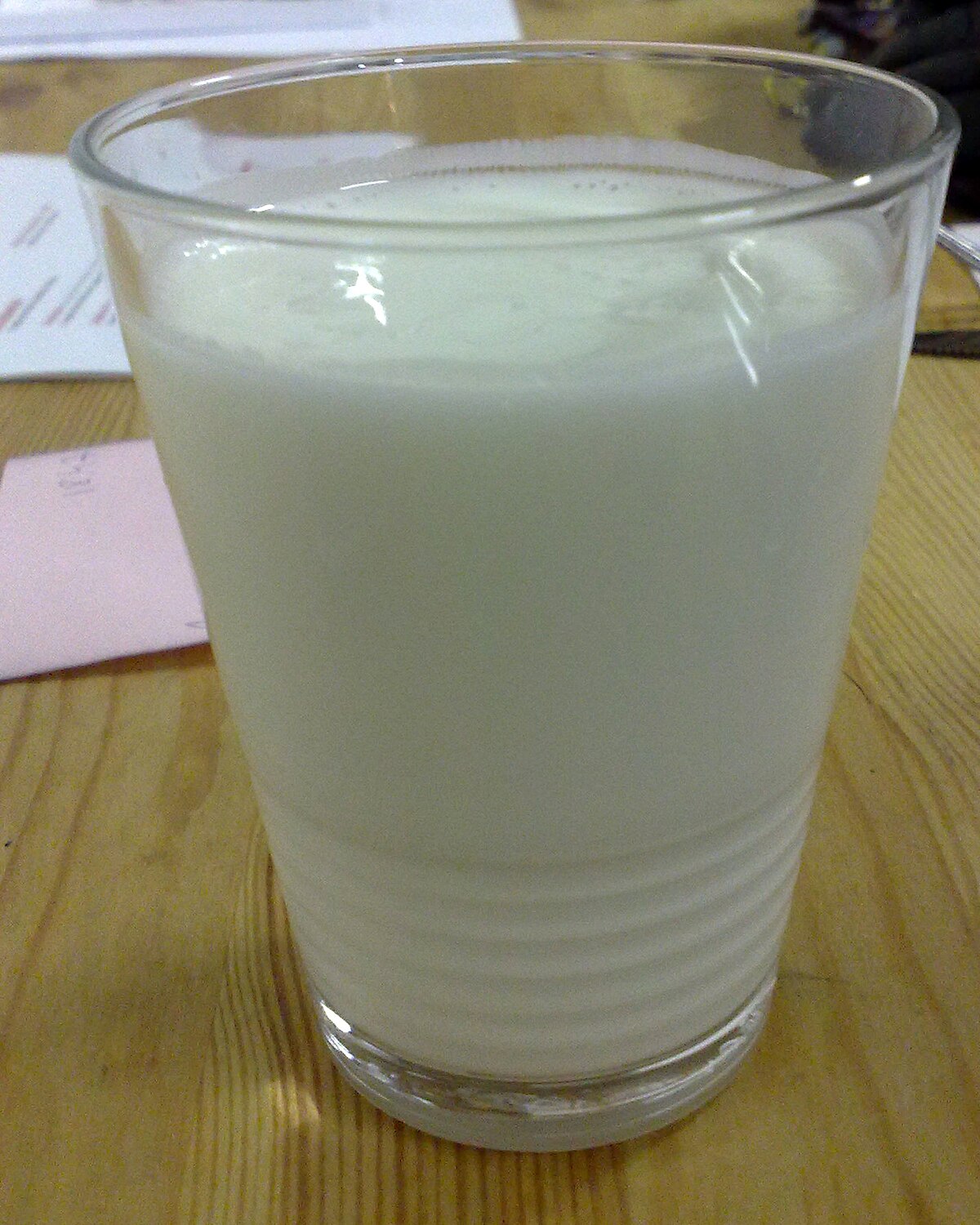
Brewing is the process of making beer by soaking grains in water to extract sugars and fermenting the liquid with yeast to create alcohol. Early civilisations relied on this process to turn contaminated water into a drink free of harmful bacteria. Archaeological evidence shows humans were brewing beer over 13,000 years ago, even before the widespread farming of crops.
By the edgi team We find the most surprising true thing about an idea and build a 60-second lesson around it.
For most of history, beer was a survival tool, not just a drink. Water sources were often contaminated with pathogens that caused dysentery.
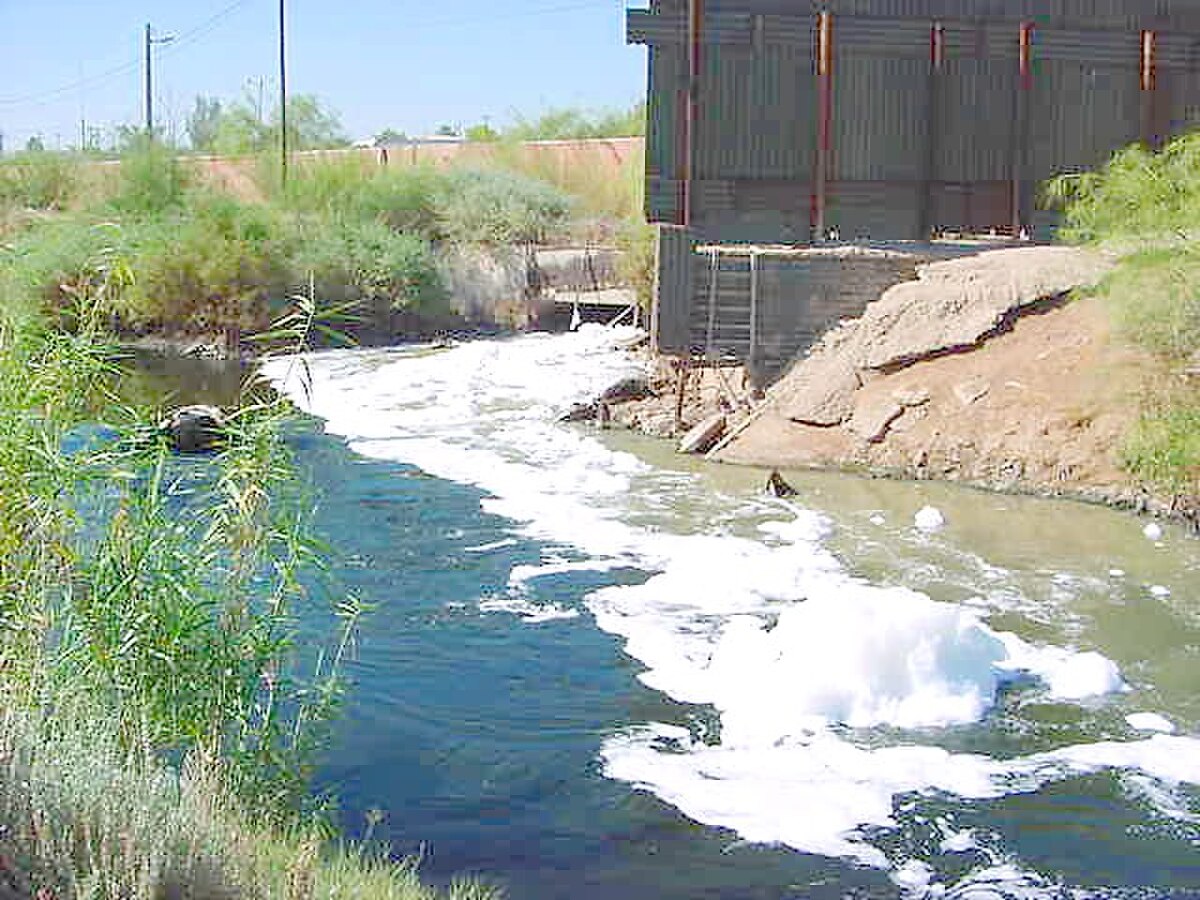
The New River flowing from Mexicali, Baja California, into the Imperial Valley, showing foamy, discolored water entering a larger body of water near a building. CNRC, Public domain, via Wikimedia Commons
Boiling the water and fermenting it with yeast created an environment where those bacteria could not survive.
The beer flood
By the 19th century, demand exploded, and breweries built massive wooden vats. In 1814, a 22-foot-tall vat at the Meux & Co Brewery in London ruptured.
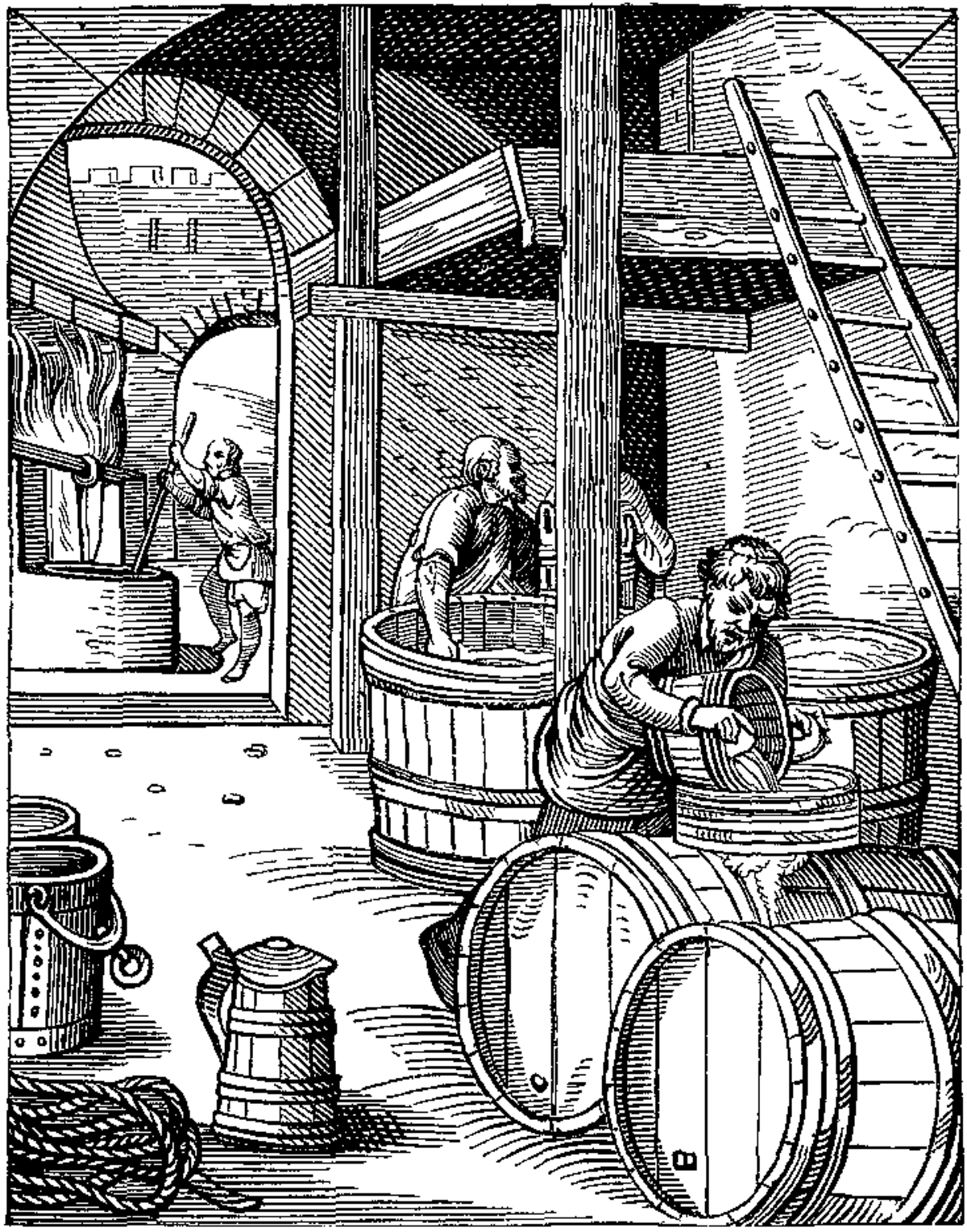
A 16th-century woodcut illustration titled "The Brewer" by J. Jost Amman, Public domain, via Wikimedia Commons
Over 320,000 gallons of porter surged through the streets of St. Giles, killing eight people in a tidal wave of alcohol.
Modern precision
The tragedy forced the industry to abandon traditional wooden vats for steel. Today, brewing relies on precise temperature controls ancient brewers could not imagine.
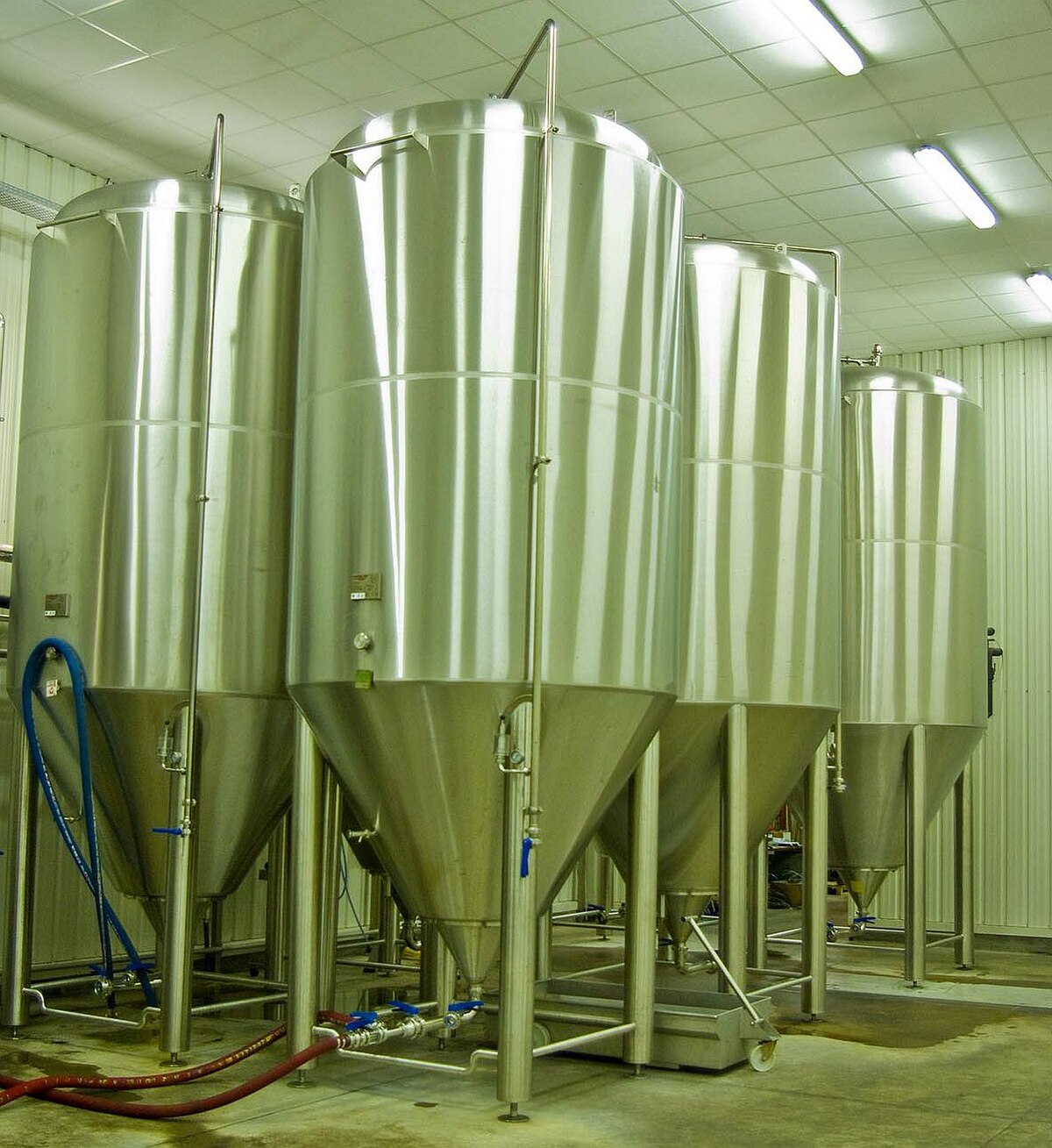
A row of several tall, conical stainless steel fermentation vessels in a modern brewery. Antoine Taveneaux, CC BY-SA 3.0, via Wikimedia Commons
Every pint is a result of mastering microbes to make water safe, scaled up from household pots to massive plants.
How does the brewing process work?
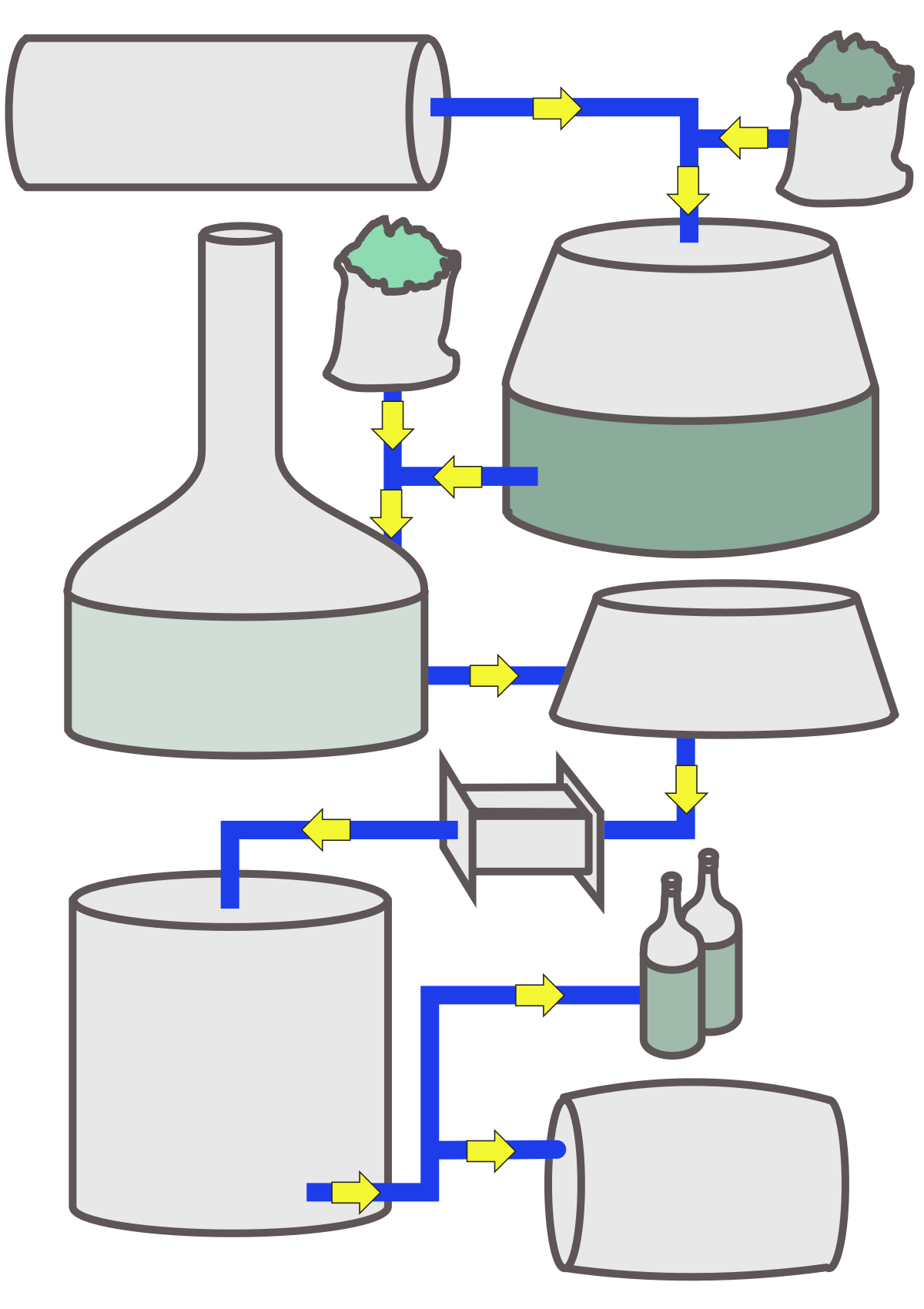
The standard brewing process follows distinct stages: malting, milling, mashing, lautering, boiling, fermenting, conditioning, filtering, and packaging. During mashing and lautering, ground grains are steeped in hot water to release sugars, creating a sweet liquid called wort.
This process flow diagram shows how brewing moves liquid through distinct stages from raw grain sacks to finished packaging. Amitchell125, CC BY-SA 4.0, via Wikimedia Commons
Boiling the liquid sterilises it and allows brewers to add hops to balance the sweet malt flavours. Yeast is introduced next to drive fermentation, which converts the sugars into alcohol and carbon dioxide. Fermentation happens in warm, cool, or spontaneous environments, using open or closed tanks.
What ingredients go into beer?
The core ingredients of beer are water, a fermentable starch source, brewer's yeast, and flavourings like hops. Malted barley is the most common starch source, but brewers also use alternatives like wheat, maize, rice, millet, sorghum, and cassava.
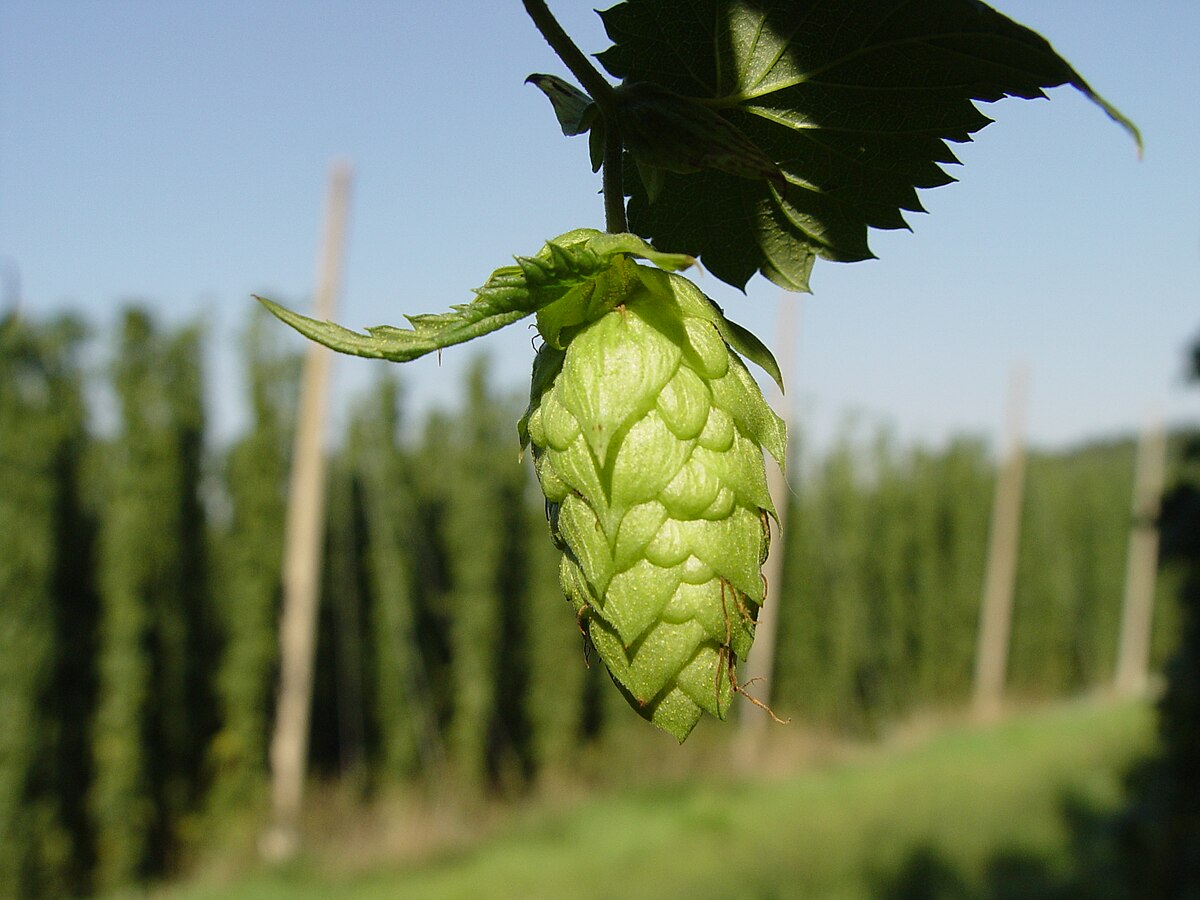
A hop cone in Germany, used by brewers as a primary flavouring agent to balance the sweetness of malted grain. LuckyStarr, CC BY 2.5, via Wikimedia Commons
Water quality shapes the character of regional beers. Dublin's hard water suits dark stouts, while the soft water of Pilsen produces pale lagers. Brewers making pale ales often add gypsum to their brewing water to mimic the mineral-rich profile of Burton in England, a technique known as Burtonisation.
Where did brewing begin?
The earliest archaeological trace of cereal-based brewing comes from stone mortars at Raqefet Cave in present-day Israel, dating back roughly 13,000 years to the semi-sedentary Natufian people. This discovery predates the domestication of cereals in the Near East by thousands of years.
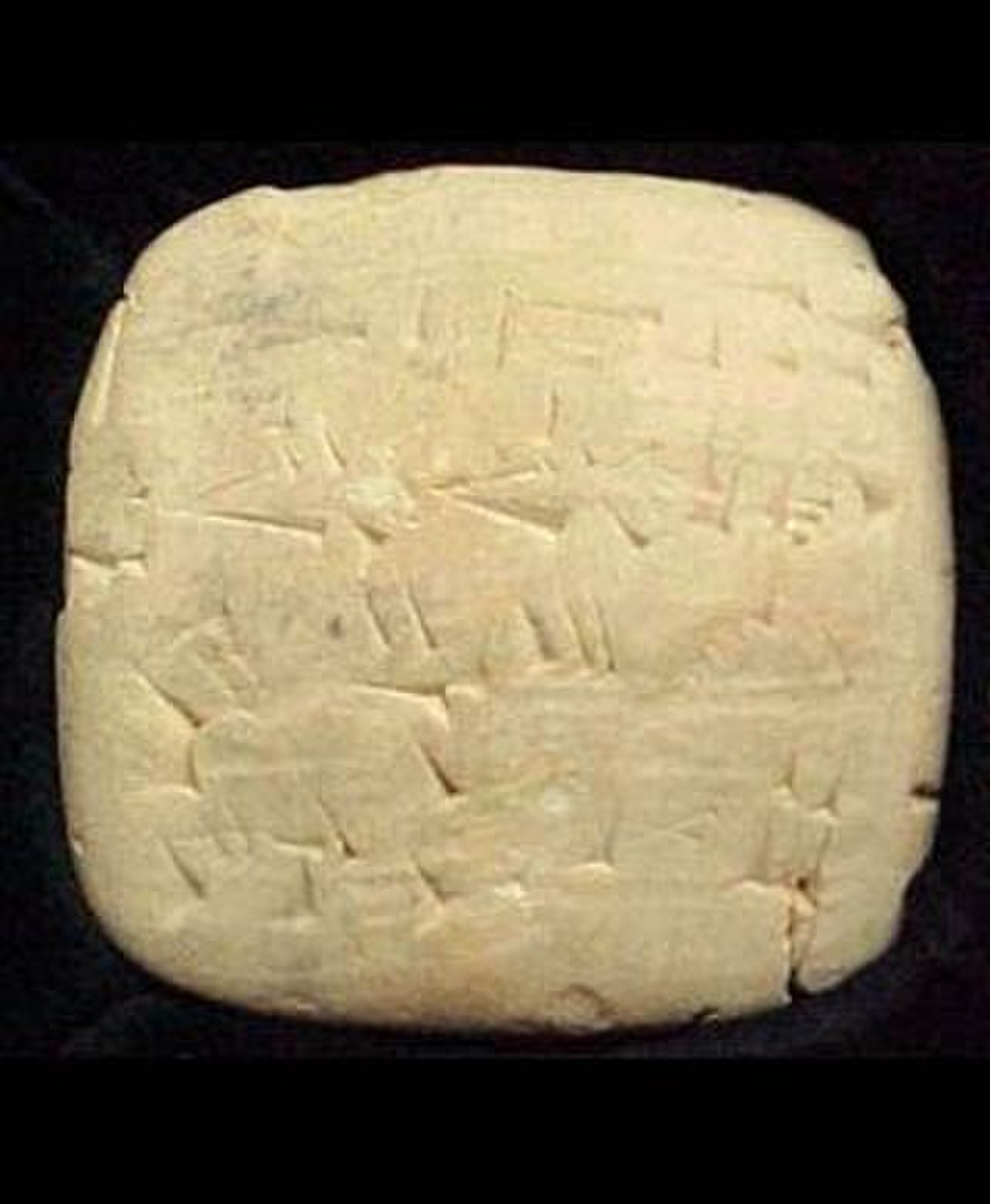
An ancient Sumerian clay tablet from around 2050 BC recording a receipt for beer purchased in the city of Umma. Ur-Amma, the scribe who created the text, Dr Tom L. Lee who photographed it, SilkTork who created the image., Public domain, via Wikimedia Commons
In ancient Mesopotamia, beer held both social and spiritual significance. Female deities such as Ninkasi, the goddess of brewing, protected the trade, and a 3,900-year-old Sumerian poem honouring her contains the oldest known surviving beer recipe.
Play the lesson in edgi and the card is yours. It lands on your Map next to the ideas it connects to, and turns from matte to foil to gold as you learn more around it.
Adjuncts are secondary starch sources added alongside the main grains, such as maize, rice, or sugar. Brewers use them to reduce costs or to change the beer's body, such as adding wheat to help retain a foamy head.
What is beerstone?
Beerstone is a chemical deposit left behind on vessels as a by-product of the brewing process. Archaeologists found beerstone residue on 5,500-year-old pottery fragments at Godin Tepe in modern-day Iran, confirming early barley beer production.
How did technology change brewing during the Industrial Revolution?
The introduction of thermometers and hydrometers gave brewers exact control over temperature and fermentation measurements. This shifted beer production from a domestic, household task into large-scale commercial manufacturing.