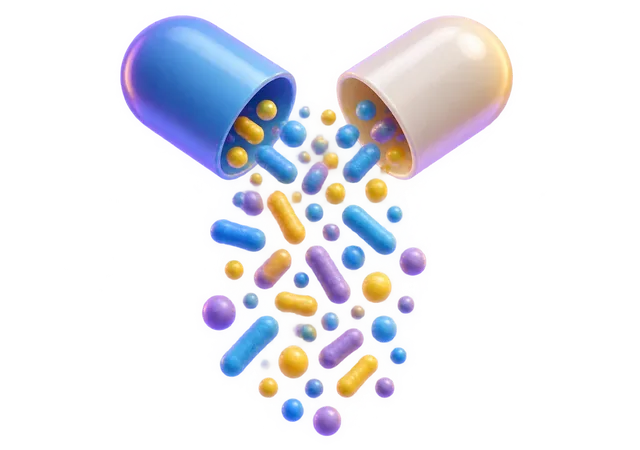
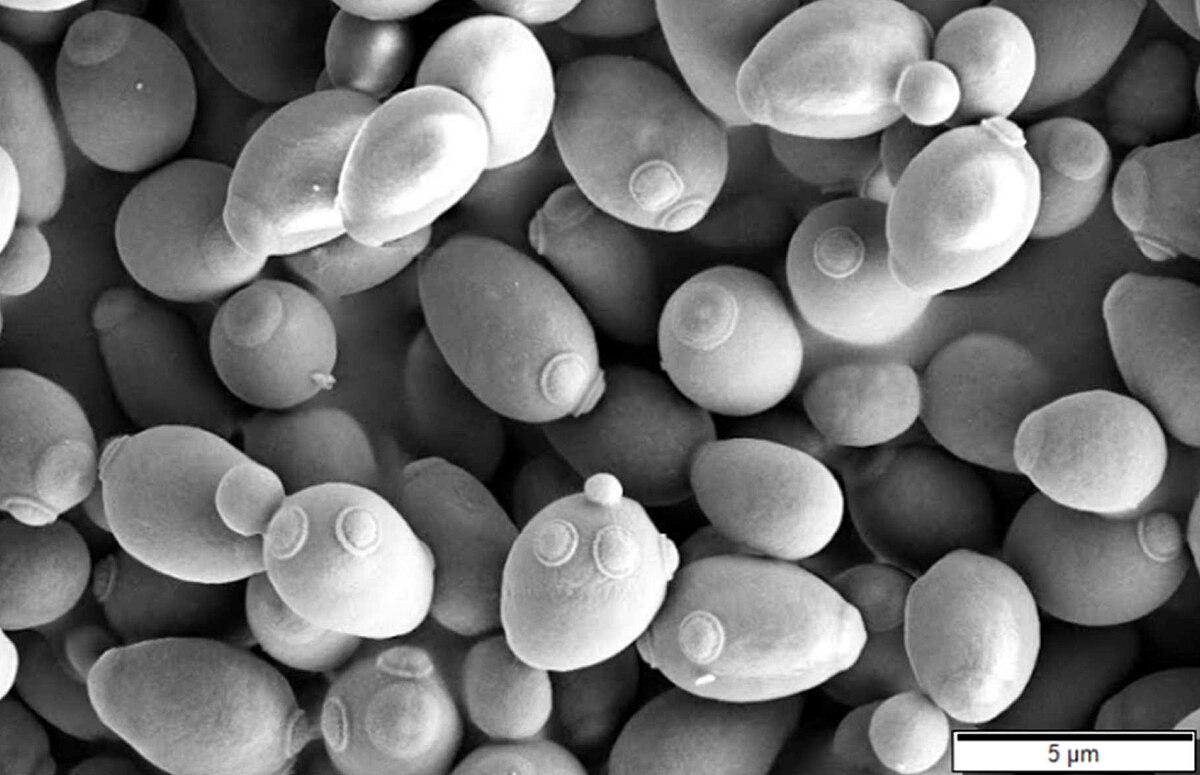
Probiotics are live microorganisms, such as bacteria and yeasts, that provide health benefits to the host when consumed in adequate amounts. They work inside your digestive system by taking up physical space and consuming resources, which prevents harmful bacteria from gaining ground. Modern research is even exploring how specific strains communicate chemically with the brain.
By the edgi team We find the most surprising true thing about an idea and build a 60-second lesson around it.
In 1905, Nobel laureate Élie Metchnikoff noticed something strange about Bulgarian peasants. Despite extreme poverty, they lived to be exceptionally old.
A black and white portrait of Ilya Ilyich Mechnikov, a bearded man, shows him seated at a desk with a microscope and laboratory equipment. Agence Rol, Public domain, via Wikimedia Commons
He traced their longevity to a staple of their diet: sour milk. Metchnikoff realized this milk was teeming with live bacteria, which he believed could 'seed' the gut to fight off disease and aging.
The peacekeeping force
We often think of bacteria as invaders, but your body is actually a massive ecosystem. You are outnumbered by your own microbial guests, and probiotics are the peace-keeping force of that system.
By occupying space and consuming resources, they prevent harmful pathogens from gaining a foothold in your digestive tract.
The gut-brain highway
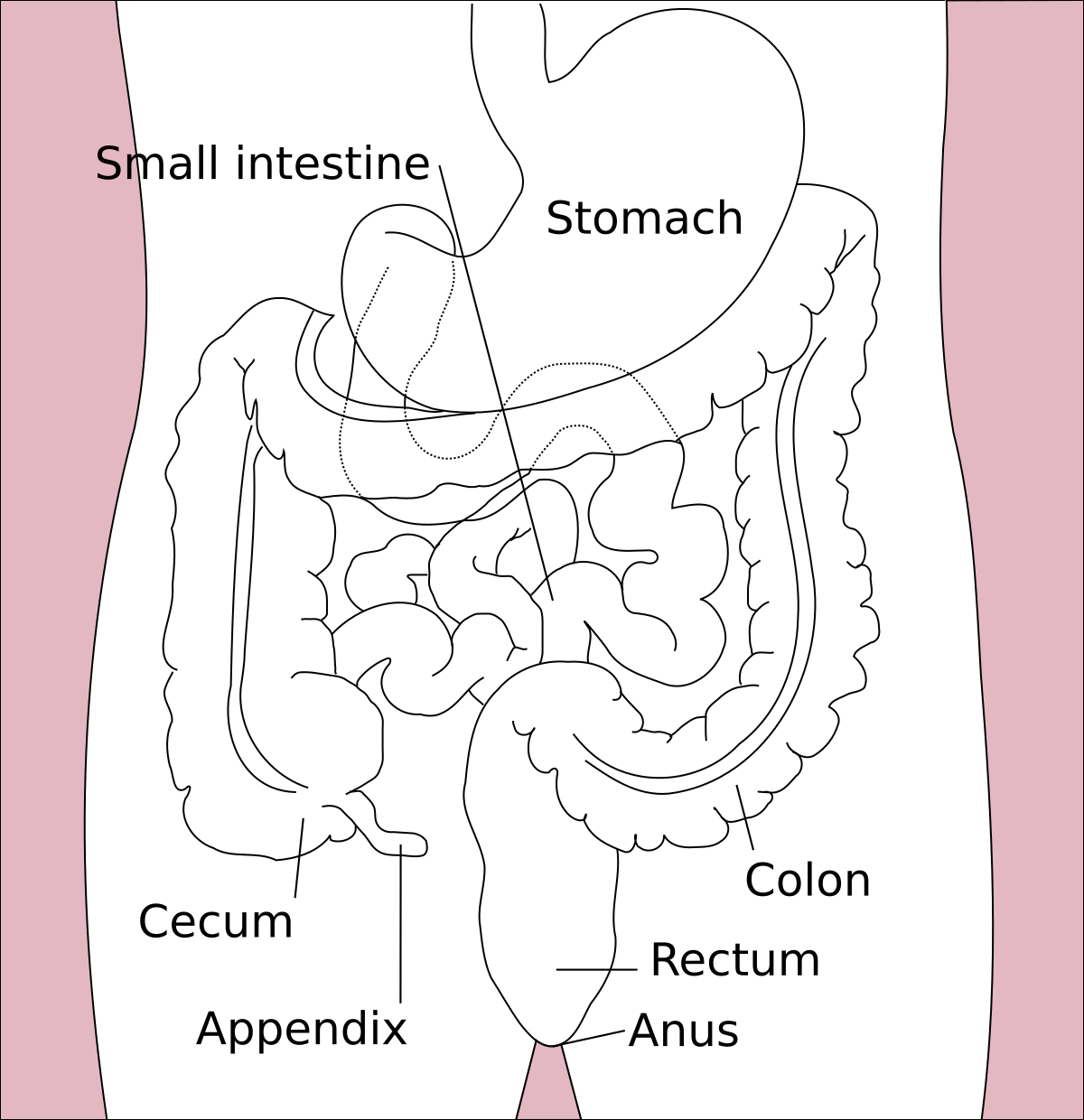
The gut microbiome does more than just digest your lunch. It communicates directly with your brain through chemical signals.
Diagram illustrating the human digestive system, focusing on the stomach, small intestine, and large intestine within the torso. Indolences created it on the English Wikipedia. This SVG image was created by Medium69. Cette image SVG a été créée par , Public domain, via Wikimedia Commons
Scientists are now studying psychobiotics, specific bacterial strains that might actually help treat anxiety and depression by altering those signals.
Where probiotics come from
In 1905, Bulgarian physician Stamen Grigorov discovered the first recognized probiotic bacterium, Lactobacillus bulgaricus, in local sour milk. Around 1907, Russian Nobel laureate Élie Metchnikoff connected this discovery to the unusual longevity of Bulgarian peasants, proposing that consuming beneficial microbes could protect the gut from disease.
Today, live probiotic cultures are found in fermented foods where lactic acid bacteria prevent spoilage. Common dietary sources include yogurt, kefir, buttermilk, sauerkraut, kimchi, miso, tempeh, and nattō. They are also manufactured as single-strain or multi-strain supplements.
How dosages and regulations work
Probiotic dosages are measured in colony forming units (CFU), which count the number of viable microorganisms in a dose. Typical products range between 1 billion and 10 billion CFU.
Probiotic drinks like Yakult deliver specific bacterial strains, such as Lactobacillus paracasei, in measured amounts. Amin, CC BY-SA 4.0, via Wikimedia Commons
The U.S. Food and Drug Administration categorizes probiotics as generally recognized as safe (GRAS), but this classification certifies safety rather than medical efficacy. Health claims are strictly strain-specific, meaning proven benefits from one bacterial strain cannot be claimed for another. The European Food Safety Authority has rejected numerous supplement health claims due to insufficient evidence of measurable effects.
Who faces health risks from probiotics
While generally safe for healthy individuals, live microbes pose real risks to vulnerable groups. Severely ill patients with inflammatory bowel disease face the danger of bacterial translocation, where live microbes pass from the gut into internal organs and enter the bloodstream.
Adverse reactions can occur in premature infants, people with immunodeficiency, cardiac valve disease, short bowel syndrome, or central venous catheters. In rare cases involving critically ill children or individuals with lowered immune function, ingesting probiotics has caused bacteremia or fungemia, which can lead to life-threatening sepsis.
Play the lesson in edgi and the card is yours. It lands on your Map next to the ideas it connects to, and turns from matte to foil to gold as you learn more around it.
What does the abbreviation CFU mean on a probiotic label?
CFU stands for colony forming units. It measures the quantity of viable, living microorganisms present in a single serving.
Can probiotics treat conditions like eczema or infections?
Many broad health claims, including treating eczema or curing vaginal infections, lack strong scientific backing. Any proven health benefits depend entirely on the specific strain tested and cannot be generalized.