YeastSingle-celled fungi that power baking and fuel
Yeast is a single-celled fungus that survives and reproduces by consuming sugars for energy. It drives baking and brewing by converting carbohydrates into carbon dioxide gas and alcohol through fermentation. Because it shares basic cellular features with humans, this microscopic organism is also one of the most studied models in biology.
By the edgi team We find the most surprising true thing about an idea and build a 60-second lesson around it.
Yeast is a single-celled fungus that survives by consuming sugar. When it feeds, it releases carbon dioxide as a byproduct. In a mixing bowl, we call this process fermentation.
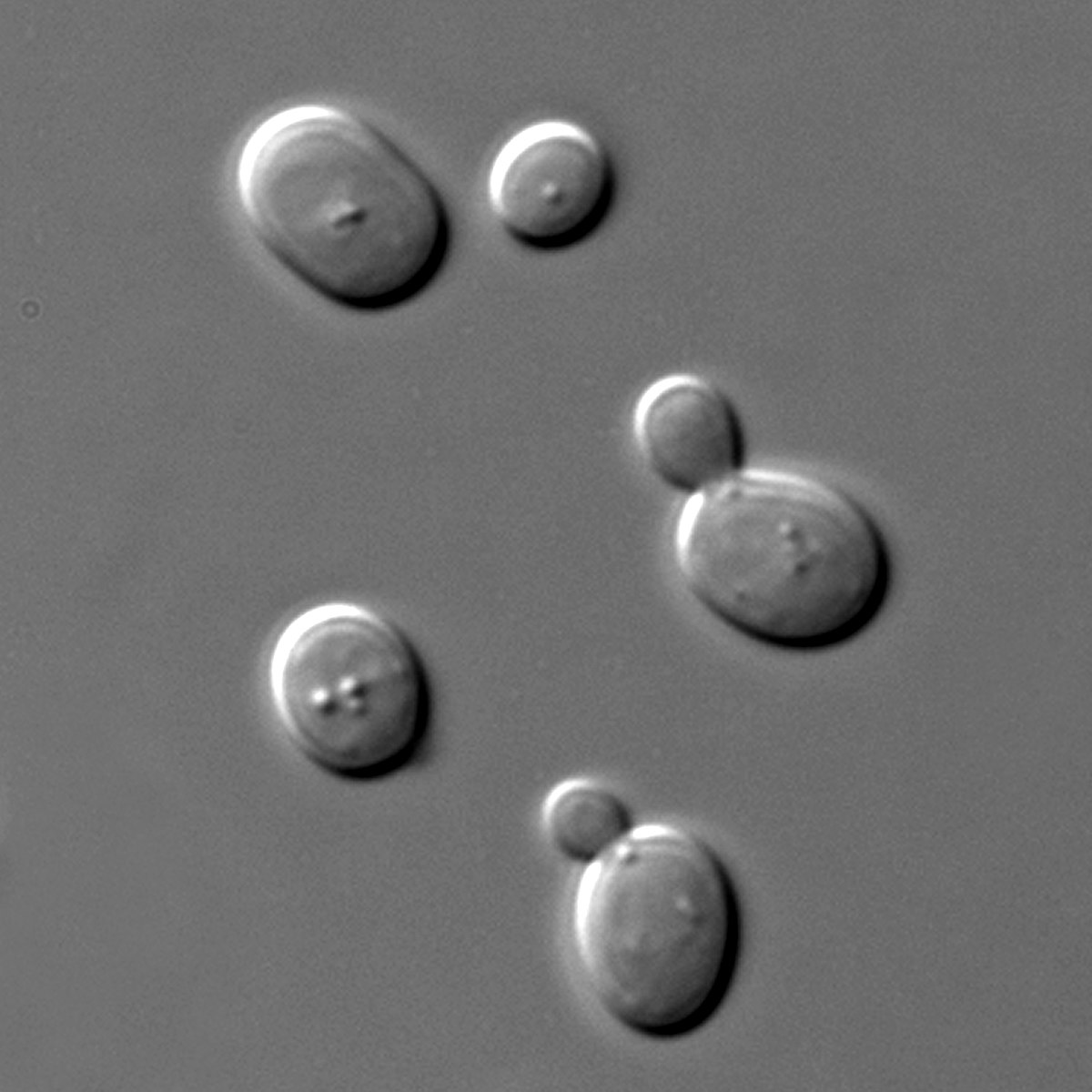
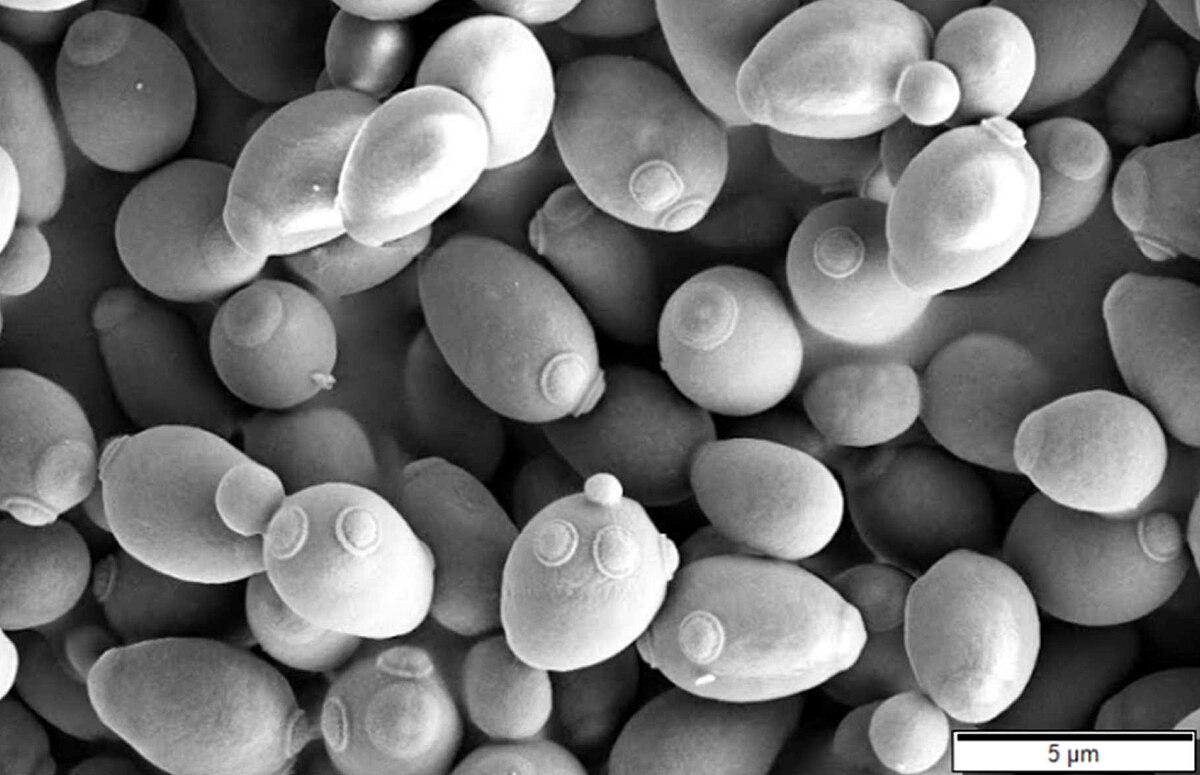
Microscopic image of Saccharomyces cerevisiae yeast cells under DIC microscopy, showing oval-shaped cells with some exhibiting budding, indicating reproduction. Masur, Public domain, via Wikimedia Commons
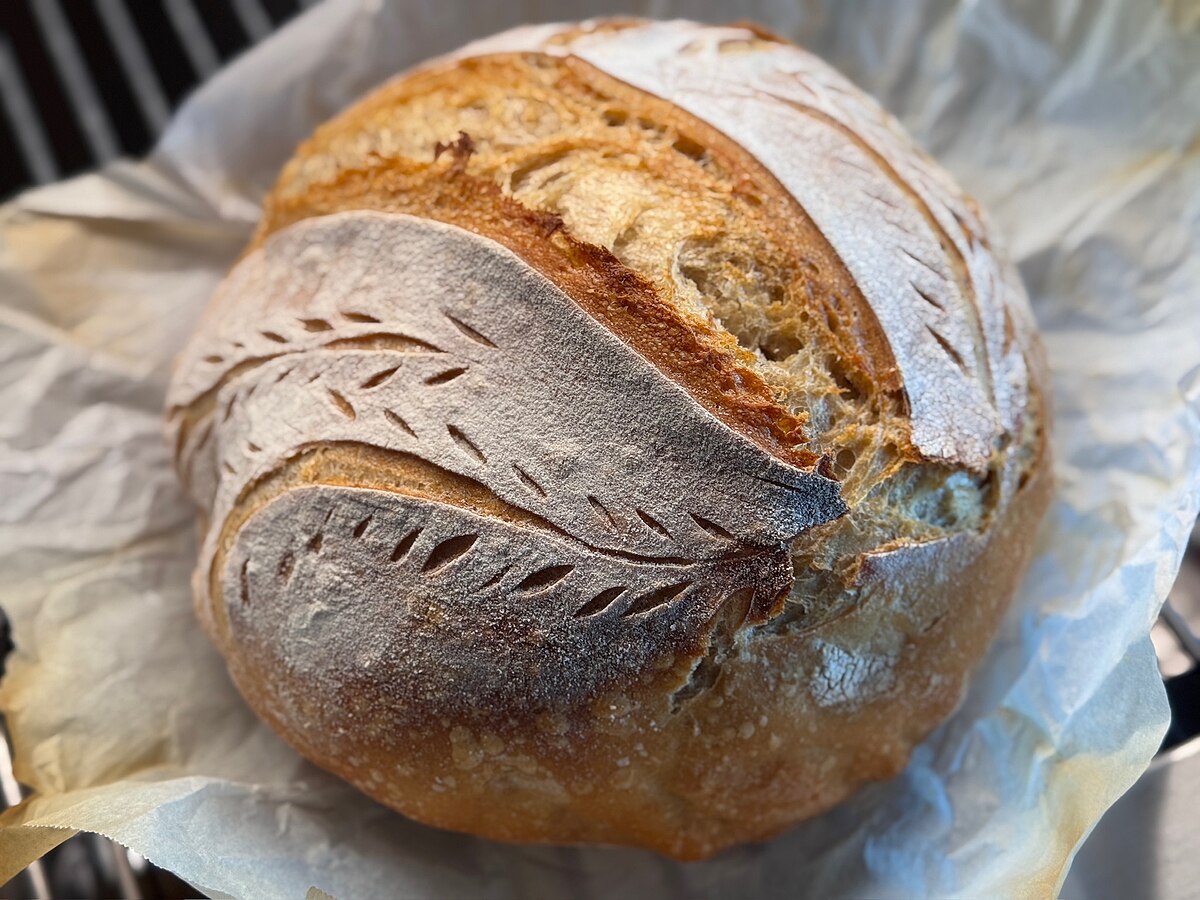
That gas gets trapped in the sticky gluten network of the dough, creating millions of tiny bubbles that inflate the loaf.
The standardized rise
For millennia, bakers relied on unpredictable wild yeast floating in the air. In 1857, Louis Pasteur proved fermentation was caused by living cells, not just chemical accidents.
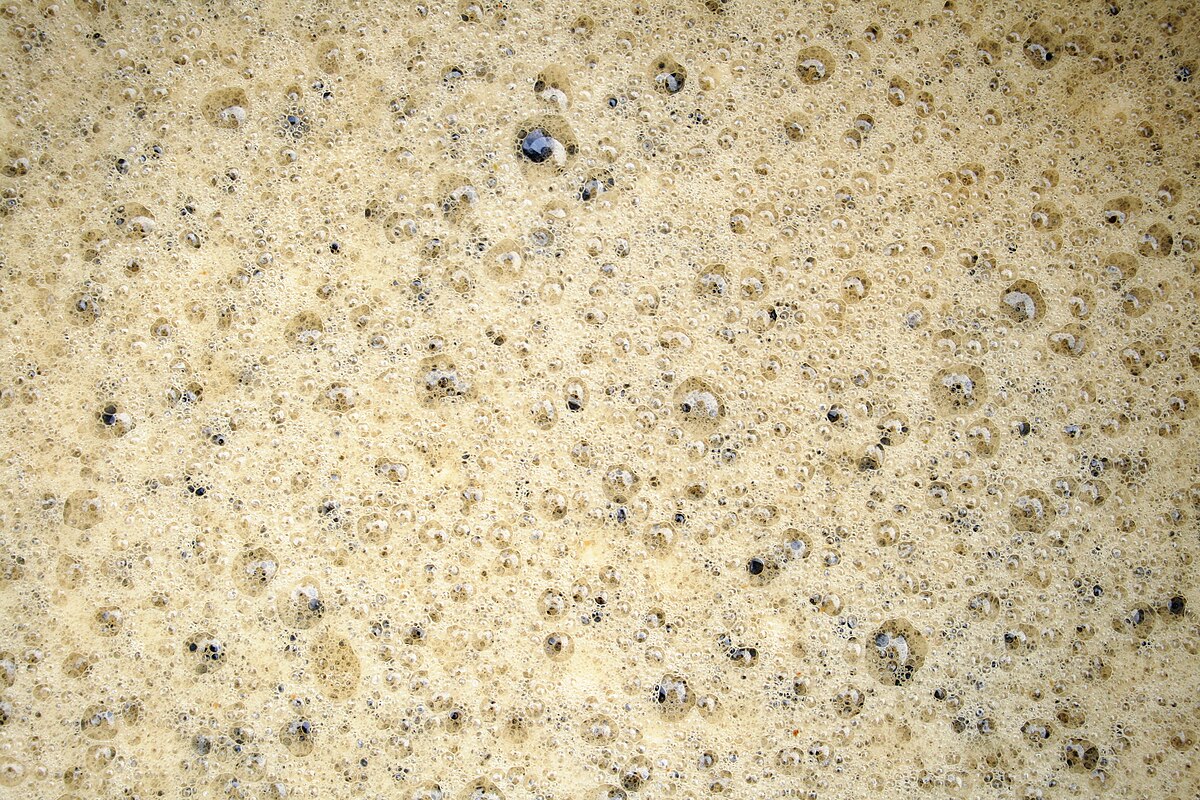
A glass jar filled with recently refreshed sourdough starter, showing a frothy, bubbly texture, with a spoon resting inside and some starter spilled over the rim. Janus Sandsgaard, CC BY 4.0, via Wikimedia Commons
By 1876, the Fleischmann brothers were selling the first standardized yeast cakes at the Philadelphia Centennial Exposition, ending the era of wild starters.
Beyond the bakery
Brewers harness the same organism to turn sugar into ethanol, the alcohol found in every pint of beer. Today, scientists treat this humble fungus like a biological factory.
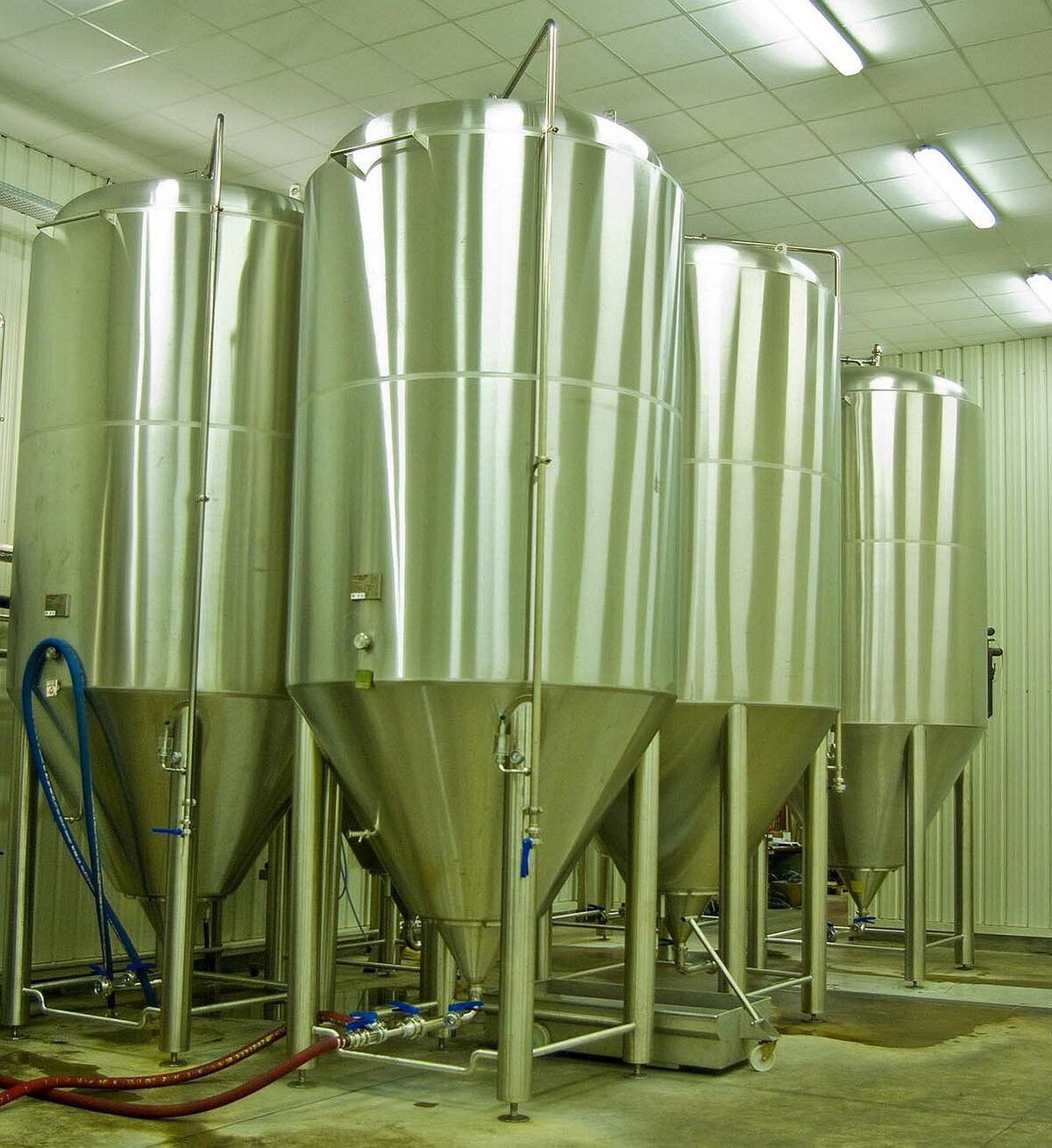
Several large, conical stainless steel fermentation tanks are arranged in a clean industrial setting, used for brewing beer with yeast. Antoine Taveneaux, CC BY-SA 3.0, via Wikimedia Commons
Engineered strains can now produce everything from life-saving insulin to carbon-neutral jet fuel using biotechnology.
What is yeast and how does it reproduce?
Yeasts are eukaryotic microorganisms, meaning each cell contains a defined nucleus and membrane-bound organelles. At least 1,500 species exist, making up about 1% of all described fungal species across two separate phyla: Ascomycota and Basidiomycota. Most measure between 3 and 4 micrometers in diameter, though some reach up to 40 micrometers.
Unlike multicellular molds that grow thread-like structures called hyphae, yeasts primarily grow as separate, single cells. Most reproduce asexually through mitosis, frequently via an asymmetrical division process called budding, where a new daughter cell pinches off from the parent cell.
How do yeasts consume nutrients and survive?
Yeasts are chemoorganotrophs that extract energy from organic compounds without needing sunlight. Their main carbon sources are simple hexose sugars like glucose and fructose, as well as disaccharides like sucrose and maltose. While some species require oxygen, others are facultative anaerobes that can switch to anaerobic fermentation when oxygen runs out.
Temperature preferences vary widely across species. Leucosporidium frigidum thrives in cold conditions between -2 and 20 °C, whereas Candida slooffi grows best at warmer temperatures from 28 to 45 °C. Most species prefer neutral or slightly acidic environments and can survive freezing conditions, though their viability drops over time.
Where is yeast used beyond food and brewing?
The species Saccharomyces cerevisiae is essential for leavening bread and brewing alcohol, but its utility extends much further. Because it is a eukaryotic cell with genetics similar to human cells, researchers use it as a foundational model organism to study cell biology and human disease pathways.
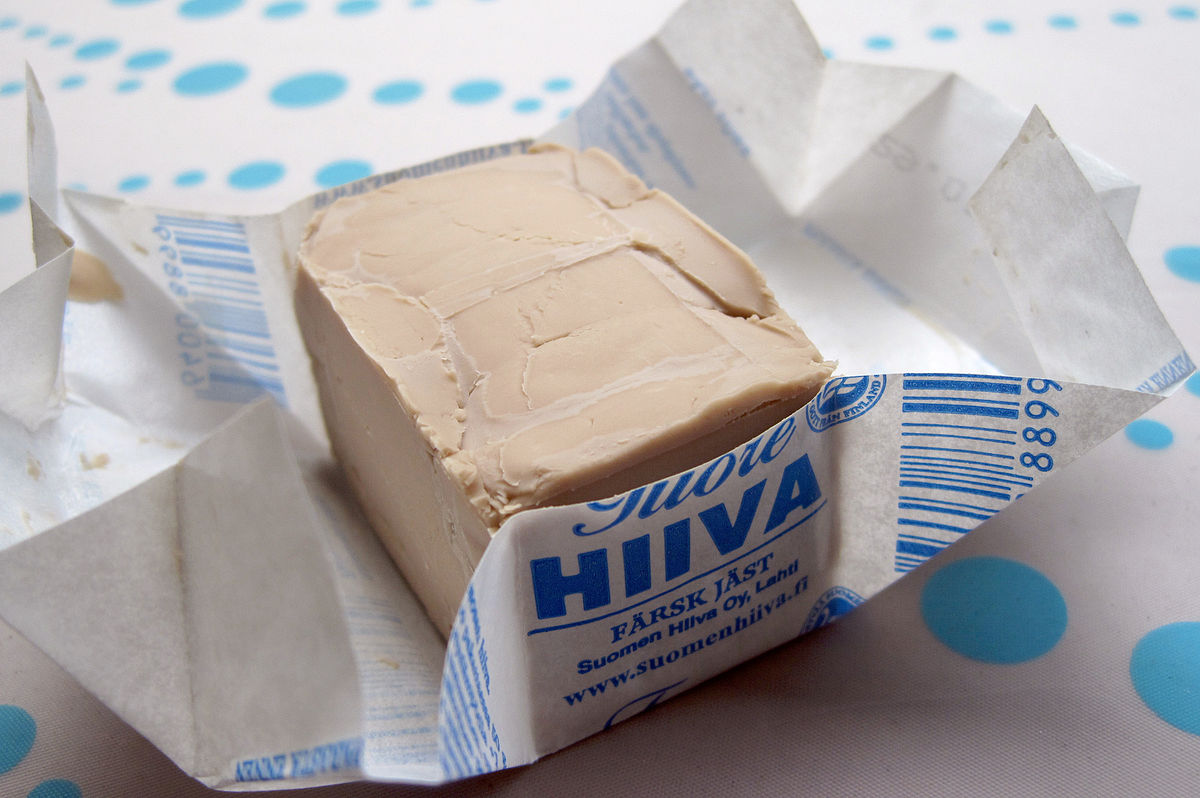
A solid block of compressed fresh yeast, an early industrial format developed to provide standardized cultures for baking. Hellahulla, CC BY-SA 4.0, via Wikimedia Commons
Modern biotechnology uses engineered yeast strains as biological factories to produce industrial chemicals, biofuel ethanol, and human pharmaceuticals like insulin. Beyond manufacturing, researchers have deployed yeasts to generate electricity inside microbial fuel cells.
Test yourself
How does yeast fermentation cause bread dough to rise?
It traps carbon dioxide gas in gluten. Yeast consumes sugar and releases carbon dioxide. This gas gets trapped in the sticky gluten network, inflating the loaf from within rather than relying on thermal expansion.
The rising of bread dough is a chemical reaction independent of living organisms.
False. Bread rising is a biological process driven by living yeast cells, not a simple chemical reaction. Pasteur proved that fermentation is the result of metabolic activity by these microorganisms.
Play the lesson in edgi and the card is yours. It lands on your Map next to the ideas it connects to, and turns from matte to foil to gold as you learn more around it.
Discovered by Louis Pasteur in 1857, the Pasteur effect occurs when oxygen is bubbled into a yeast broth. The oxygen increases overall cell growth while inhibiting the anaerobic fermentation process that produces alcohol.
Are all yeast species safe and beneficial to humans?
No, while species like Saccharomyces cerevisiae are harmless and beneficial, others are opportunistic pathogens. For example, Candida albicans is a yeast species capable of causing infections in humans.
When did people first begin using commercial yeast instead of wild starters?
Commercial production expanded during the 18th and 19th centuries, starting with Dutch sales in 1780 and block formats in 1825. In the United States, standardized commercial yeast gained widespread adoption after Charles L. Fleischmann showcased packaged yeast cakes at the 1876 Philadelphia Centennial Exposition.