Dopamine is a chemical messenger that nerve cells use to communicate with one another. Rather than generating the feeling of pleasure itself, it signals motivation and the difference between what you expect and what actually happens. It also directs physical movement and regulates organs throughout the rest of the body.
By the edgi team We find the most surprising true thing about an idea and build a 60-second lesson around it.
Wolfram Schultz spent years with an electrode in a monkey's midbrain, listening to single cells while the monkey got a squirt of juice. At first the cells fired when the juice arrived. Then he started flashing a light a moment before every squirt.
Once the monkey learned the light, the cells stopped firing at the juice and fired at the light instead. The juice, now fully expected, got nothing. Then he flashed the light and withheld the juice. At the exact moment the juice was due, the cells went quiet, dropping below their normal rate.
An error signal, not a pleasure signal
Put those three results together and the cells are not reporting reward. They report the difference between what was expected and what arrived: a burst, nothing, or a dip below baseline. Which makes dopamine the go-and-get-it chemical rather than the pleasure chemical a "dopamine detox" implies.
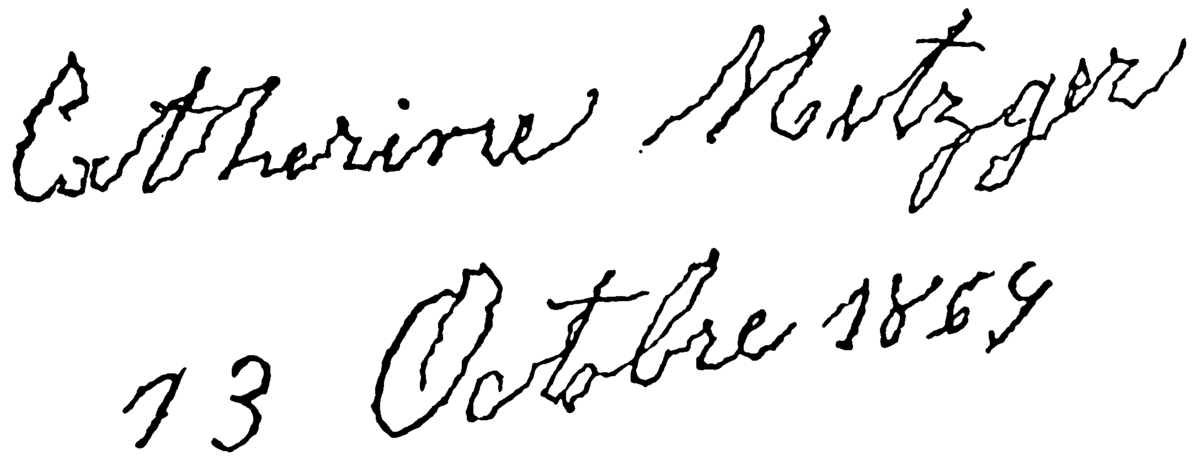
Rats with nearly all their dopamine stripped out still make the same happy face at sugar water. They enjoy it fine. They will not get up and go find it. And dopamine's other job has nothing to do with reward. It runs movement, which is why Parkinson's disease, a disease of dying dopamine cells, arrives as a tremor rather than as unhappiness.
Handwritten text by a Parkinson's disease patient, showing the name "Catherine Metzger" and the date "13 Octobre 1869" in a shaky, irregular script. Jean-Martin Charcot, Public domain, via Wikimedia Commons
The sure thing goes quiet
That has a consequence you can use. A reward you can predict perfectly produces almost no signal, however much you like it. Schultz's group later tested rewards that arrived only some of the time. The response was biggest when the odds sat closest to a coin flip, the point of most uncertainty.
So the thing pulling hardest at you is often not the thing you enjoy most. It is the thing you cannot call in advance.
How the body builds dopamine
Eating dopamine does not raise dopamine levels in your brain because the chemical cannot cross the protective blood-brain barrier. Your brain must build its own supply from scratch.
This biochemical pathway shows how dietary amino acids transform step-by-step into L-DOPA, dopamine, and subsequent signaling chemicals. Seppi333, Hbf878, CC BY-SA 3.0, via Wikimedia Commons
The primary assembly line begins with common amino acids found in dietary protein: L-phenylalanine converts into L-tyrosine, which turns into L-DOPA, and finally into dopamine. Beyond its role in the brain, dopamine serves as the direct building block for two other major signaling chemicals, norepinephrine and epinephrine.
What dopamine does across the body
Dopamine carries out entirely different jobs outside the nervous system, functioning as a local messenger made directly inside various tissues. In the kidneys, it increases sodium excretion and urine output; in the pancreas, it lowers insulin release; and in blood vessels, it acts as a vasodilator to relax vessel walls.
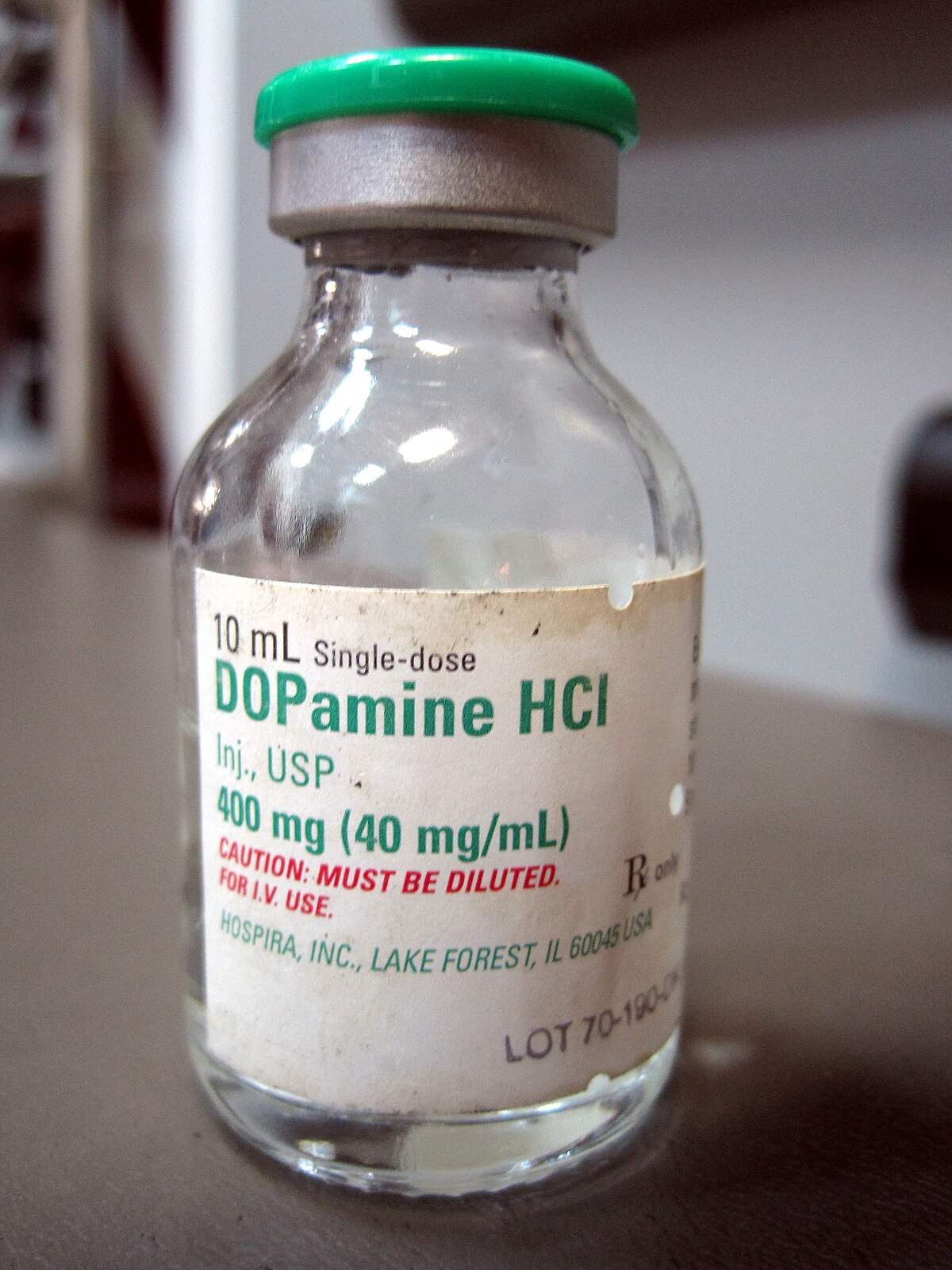
Vials of dopamine hydrochloride are used for intravenous injection to treat severe heart failure and shock. Intropin, CC BY 3.0, via Wikimedia Commons
Because of its direct effects on circulation, manufactured dopamine is given as an intravenous medication to treat conditions such as severe heart failure, cardiogenic shock, and low blood pressure in newborns.
Dopamine in neurological medicine
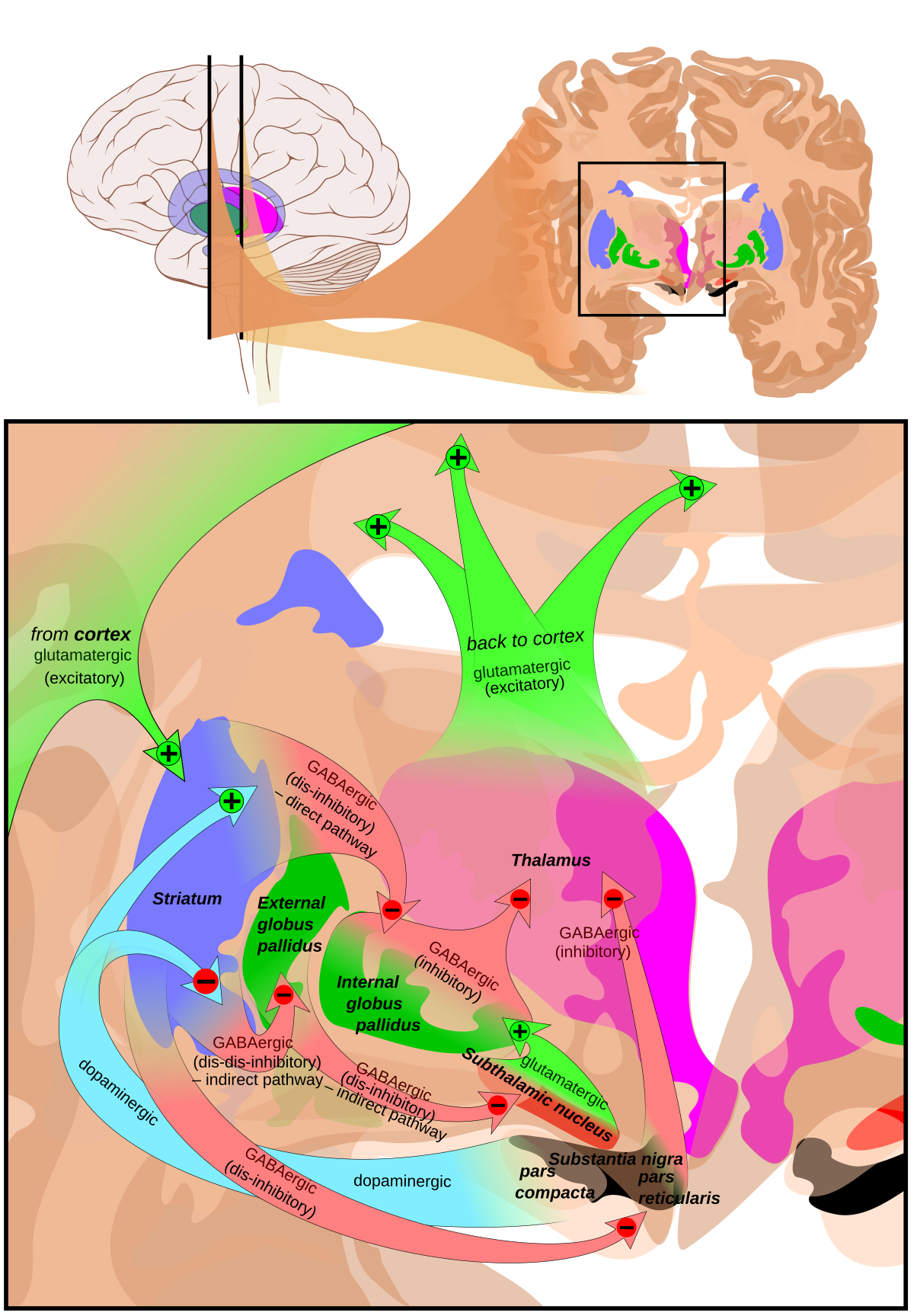
Disruptions to dopamine pathways underlie several major medical conditions. Parkinson's disease develops when dopamine-producing neurons die off in a brain region called the substantia nigra, leading to tremors and lost motor control. Because dopamine cannot enter the brain directly, patients receive Levodopa, a pure form of its precursor L-DOPA, to restore supply.
The circuit diagram highlights the dopaminergic pathway running from the substantia nigra to the striatum, which degrades in Parkinson's disease. Mikael Häggström, based on images by Andrew Gillies/User:Anaru and Patrick J. Lynch, CC BY-SA 3.0, via Wikimedia Commons
Other conditions involve altered dopamine signaling rather than dying cells. Lower dopamine activity is linked to attention deficit hyperactivity disorder (ADHD) and restless legs syndrome, while many antipsychotic drugs manage schizophrenia by acting as dopamine antagonists that block its signaling.
Test yourself
Does dopamine signaling in the brain primarily track the total pleasure a reward brings, or the prediction error of that reward?
Prediction error. Dopamine cells shift their firing to the earliest predictor of a reward and go quiet when a sure thing arrives, tracking surprise rather than sensory pleasure.
According to Wolfram Schultz's findings on dopamine, what generates the largest neural response?
An unpredictable reward. Uncertainty drives the strongest dopamine response because the reward's arrival violates expectations most powerfully at a coin-flip probability.
A reward arrives that you were completely certain of. Dopamine?
Barely responds. The signal tracks the difference between expected and actual. A fully predicted reward has no difference in it, so the cells sit at baseline. The prediction, not the reward, is what moved them.
Play the lesson in edgi and the card is yours. It lands on your Map next to the ideas it connects to, and turns from matte to foil to gold as you learn more around it.
What happens to dopamine after it delivers a signal?
After a neuron releases dopamine into the gap between cells, the chemical is either collected back into the sending neuron by dopamine transporters or broken down into inactive waste products by enzymes such as monoamine oxidase and catechol-O-methyl transferase.
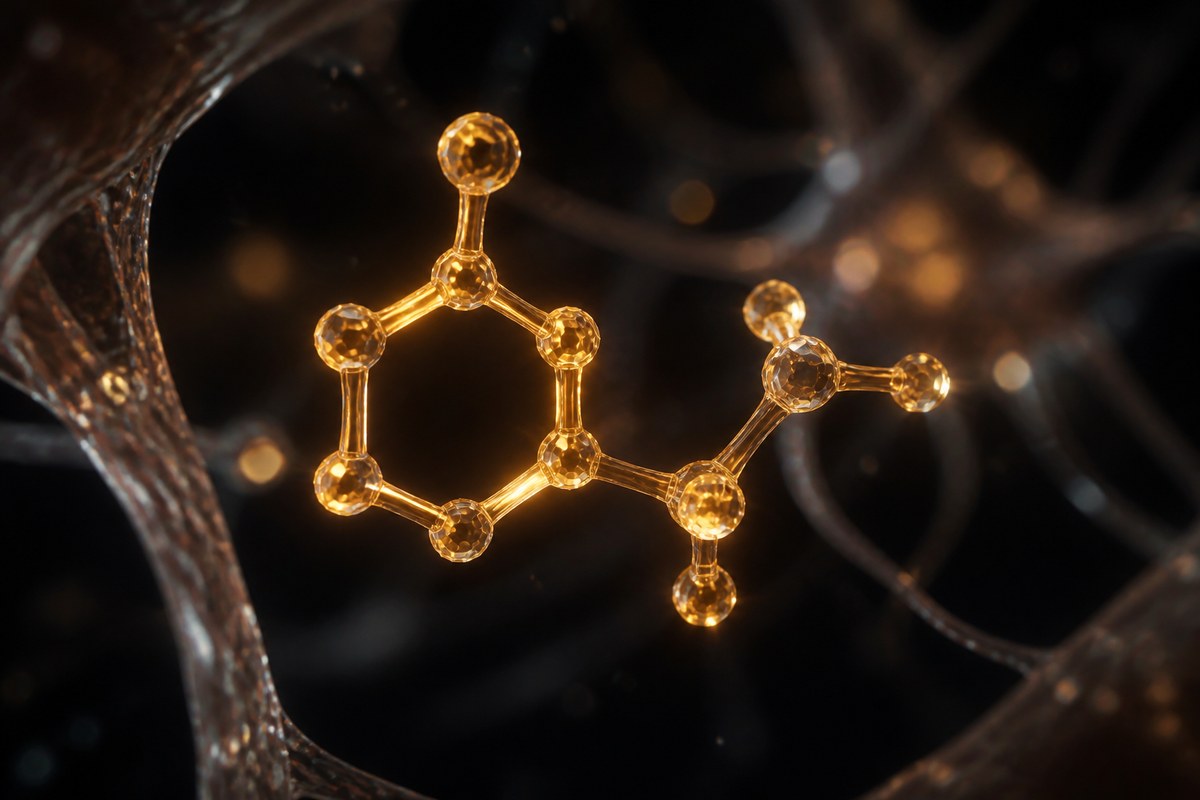
What does dopamine look like as a pure chemical?
In pharmaceutical and laboratory use, it is typically combined with hydrochloric acid to create dopamine hydrochloride, a stable, water-soluble salt. In dry form, this compound appears as a fine powder that is white to yellow in color.