Immune memory is the body's ability to recognize a specific germ it has fought before and mount a faster, stronger defense against it. Long-living cells store the molecular profile of past invaders for years or decades. This mechanism is what makes vaccines work and why you rarely catch diseases like chickenpox twice.
By the edgi team We find the most surprising true thing about an idea and build a 60-second lesson around it.
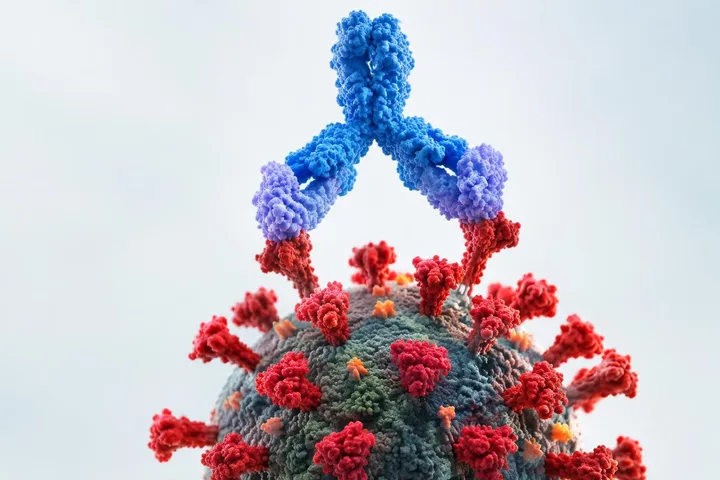
Most of the time, your immune system is flying blind. It has to figure out what a new virus looks like before it can kill it. But once it wins that first fight, it doesn't just forget. It creates specialized memory cells that act like a 'most wanted' poster.
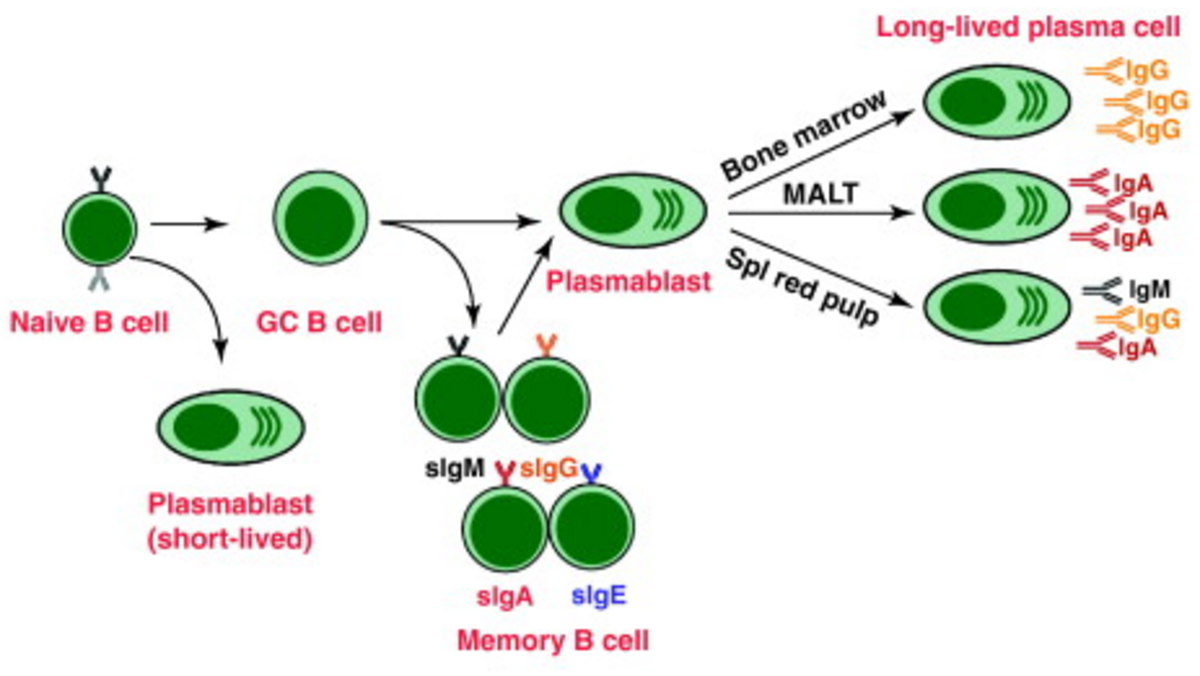
A diagram illustrates B cell activation, showing the differentiation from a naive B cell to various types of plasma cells and memory B cells. Bobologist, CC BY-SA 3.0, via Wikimedia Commons
If that same germ tries to invade again, these cells recognize the specific antigen signature instantly.
The milkmaid discovery
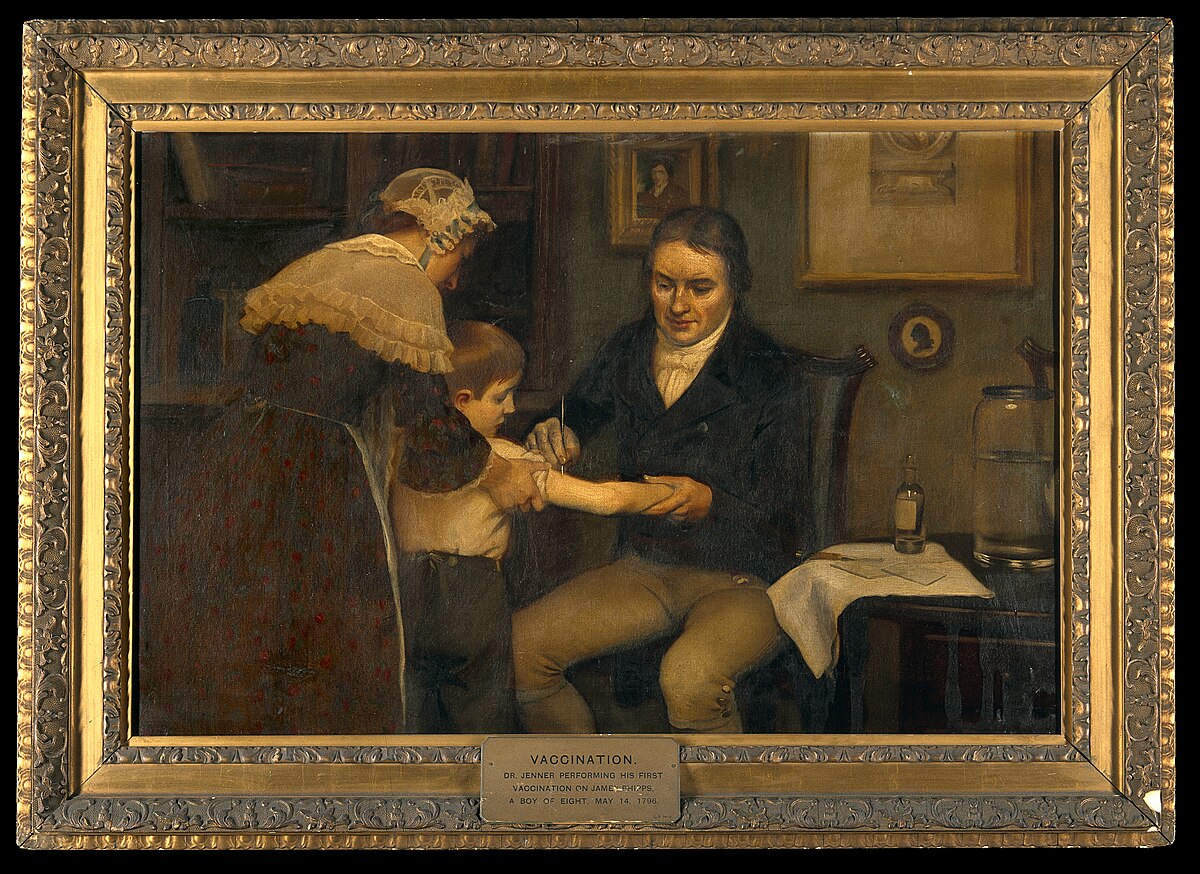
We learned to hack this system in 1796. Edward Jenner noticed that milkmaids who caught cowpox never seemed to get the deadly smallpox. He realized the body treated the two viruses as similar enough that the 'memory' of the mild one provided immunity against the lethal one.
That accidental observation became the foundation of modern vaccination.
The refresher course
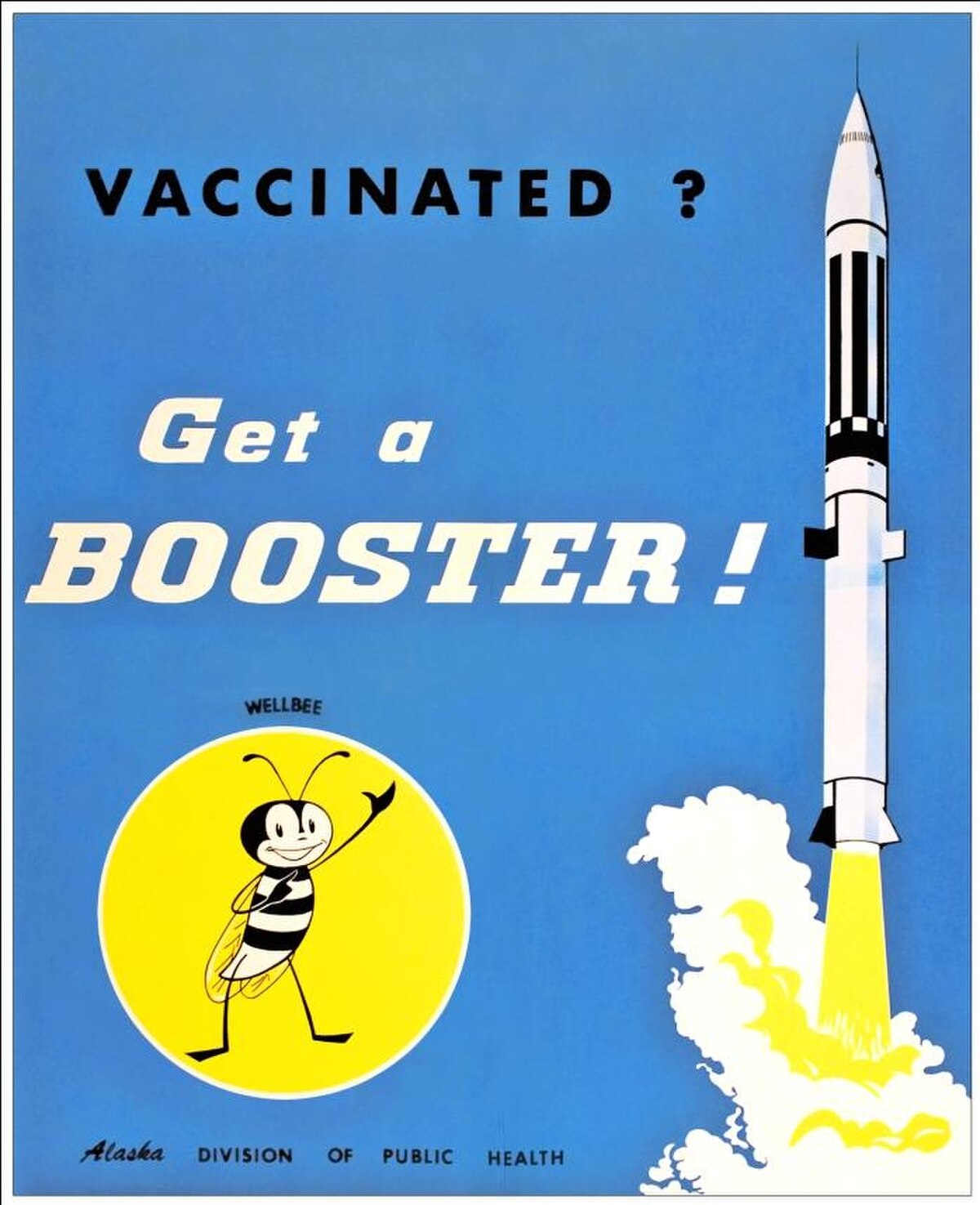
This memory isn't always permanent. Sometimes, those 'most wanted' posters fade over time, which is why we need a booster dose. It’s essentially a refresher course for your immune system, ensuring the blueprints for defense stay current and ready to deploy.
1964 American public health poster promoting booster vaccines, featuring a rocket taking off and a cartoon bee character named Wellbee. Photo Credit: Content Providers(s): CDC/ Mary Hilpertshauser, Public domain, via Wikimedia Commons
How memory B and T cells react
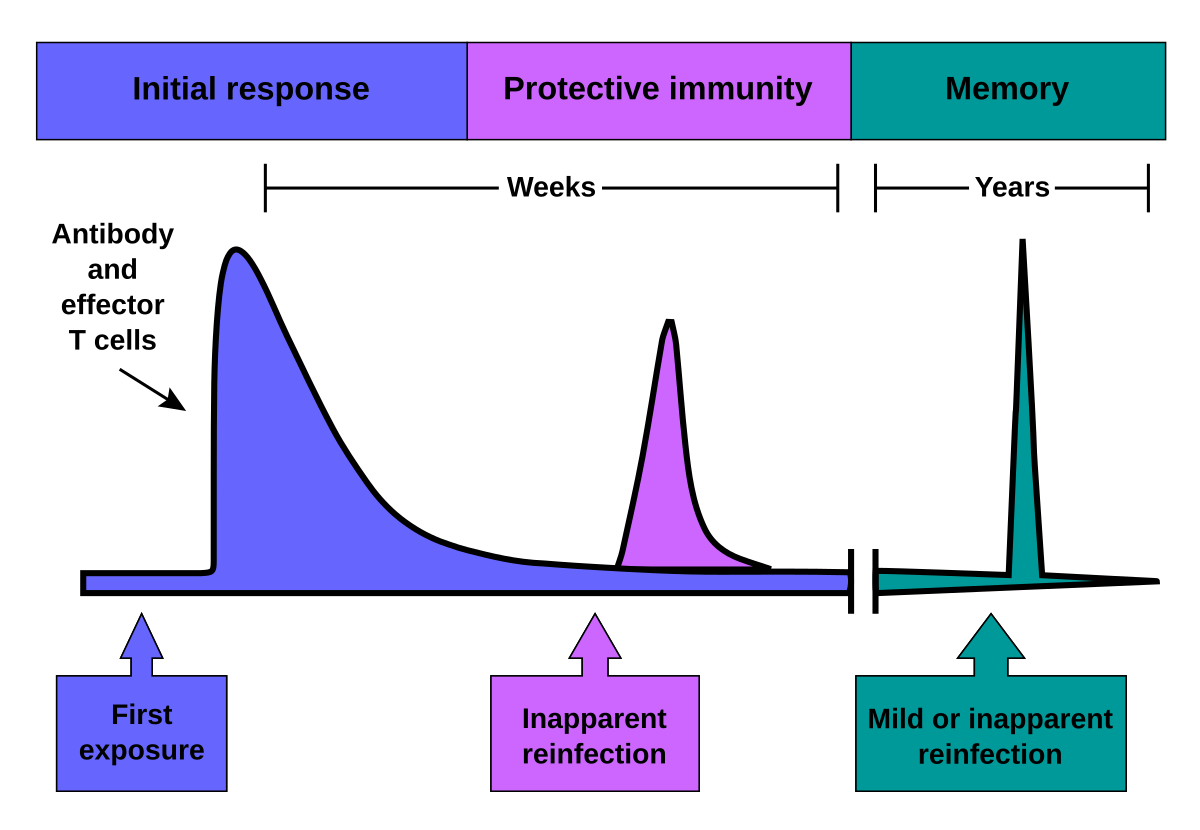
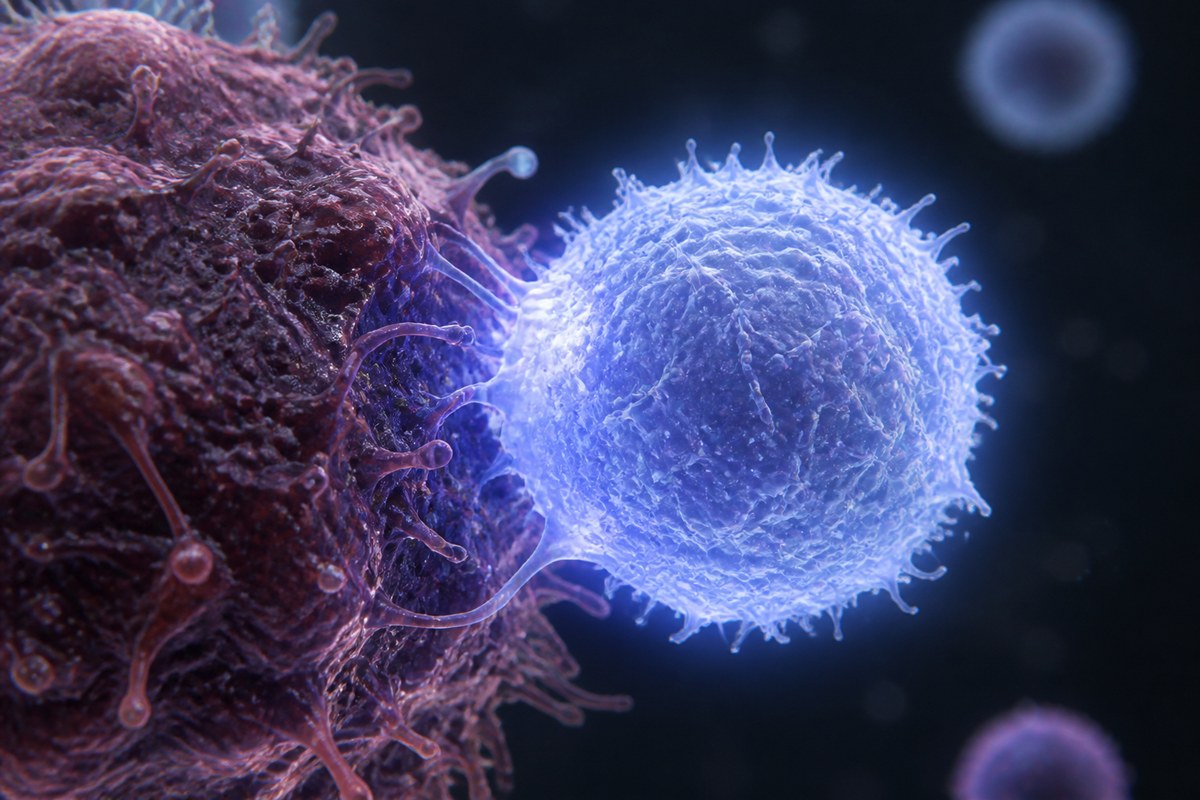
A first encounter with a pathogen leaves behind a small reserve of long-lived B and T cells resting in the bloodstream. If the same foreign antigen returns, these memory cells skip the slow learning phase of the initial infection. Memory B cells divide rapidly and pump out high-affinity antibodies from the bone marrow, while memory T cells quickly seek out infected tissue or activate helper defenses.
A graph comparing primary and secondary immune responses, showing how memory cells trigger a faster surge in antibody production upon reinfection. Webridge, CC BY-SA 4.0, via Wikimedia Commons
This response is split into specialized roles. Effector memory T cells travel straight to inflamed tissue to fight immediately. Central memory T cells stay near the lymph nodes, stimulating other immune cells and multiplying into fresh effector fighters to sustain the counterattack.
Why some protection fades
Immune memory does not last equally long for every threat. Protection against chickenpox or measles can endure for an entire lifetime, but vaccine effectiveness against mumps can drop within thirty years, and protection against certain flu strains can drop within six months.
In some cases, infections actively destroy the body's defenses. A measles infection in unvaccinated children can wipe out existing memory cells in an event called immune amnesia. This leaves the child vulnerable to unrelated pathogens they were previously immune to, increasing their risk of death from other diseases for years afterward.
Test yourself
Why does a second exposure to the same pathogen cause almost no symptoms?
It skips the trial-and-error phase. The body keeps blueprints from the first fight, allowing it to bypass the slow discovery phase and immediately produce targeted defenses.
The immune system always needs to identify a new virus before it can attack.
False. If the body has encountered the threat before, memory cells identify the antigen instantly, skipping the identification delay.
Play the lesson in edgi and the card is yours. It lands on your Map next to the ideas it connects to, and turns from matte to foil to gold as you learn more around it.
Trained immunity is a form of memory found in the innate immune system. Unlike adaptive memory, it does not use antibodies or custom gene rearrangements, relying instead on metabolic and epigenetic changes to boost general defenses in both vertebrates and invertebrates.
Can immune memory ever make an infection worse?
Yes. In rare cases like dengue fever, previous immune responses produce antibodies that counterproductively worsen the next infection through a process called antibody-dependent enhancement.