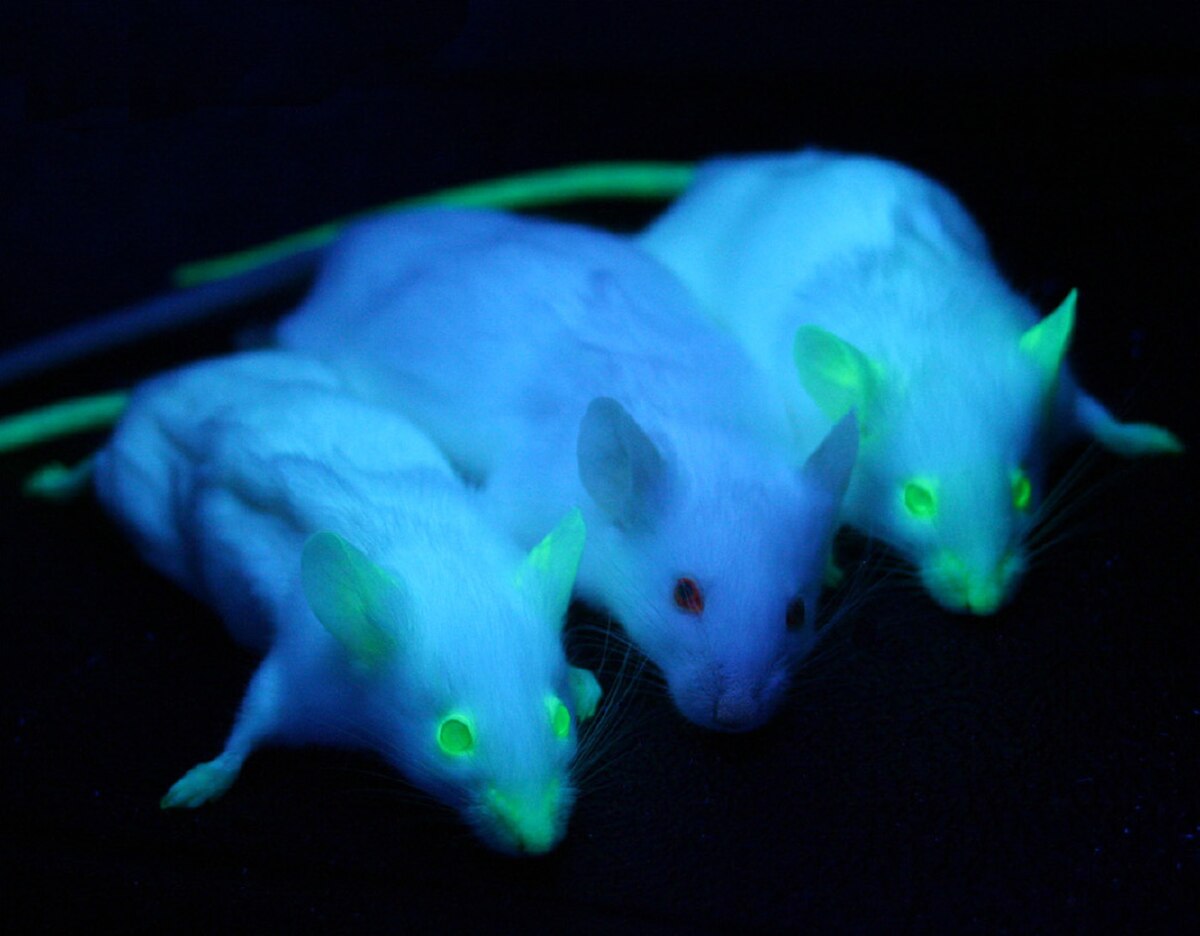
The wanted poster
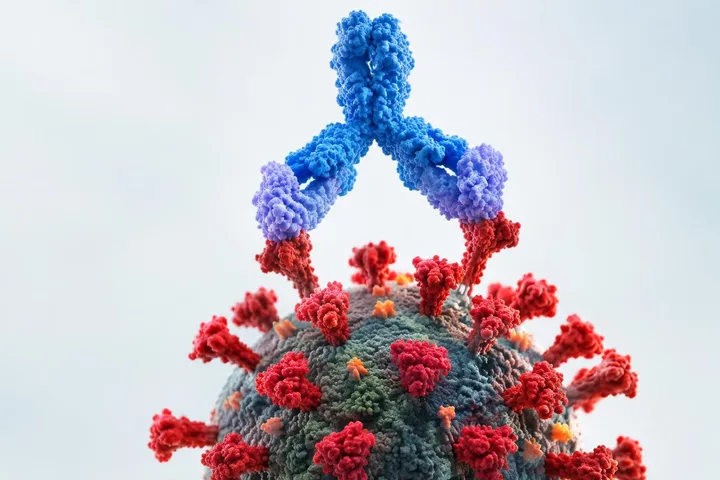
An antibody is a Y-shaped protein created by B-cells to hunt specific invaders. Think of it as a biological Wanted poster. It latches onto an antigen, marking it for destruction by the rest of the immune system.
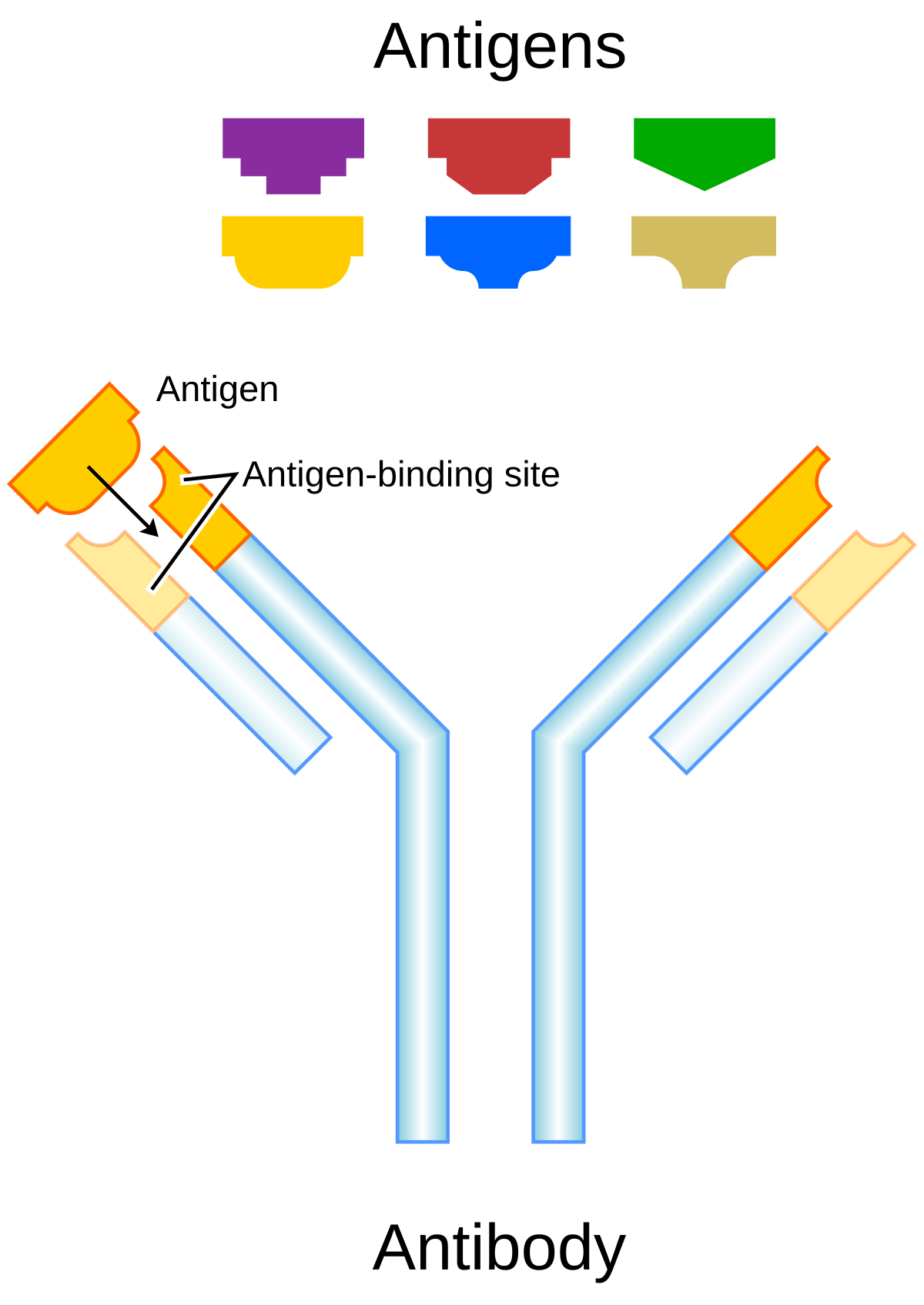
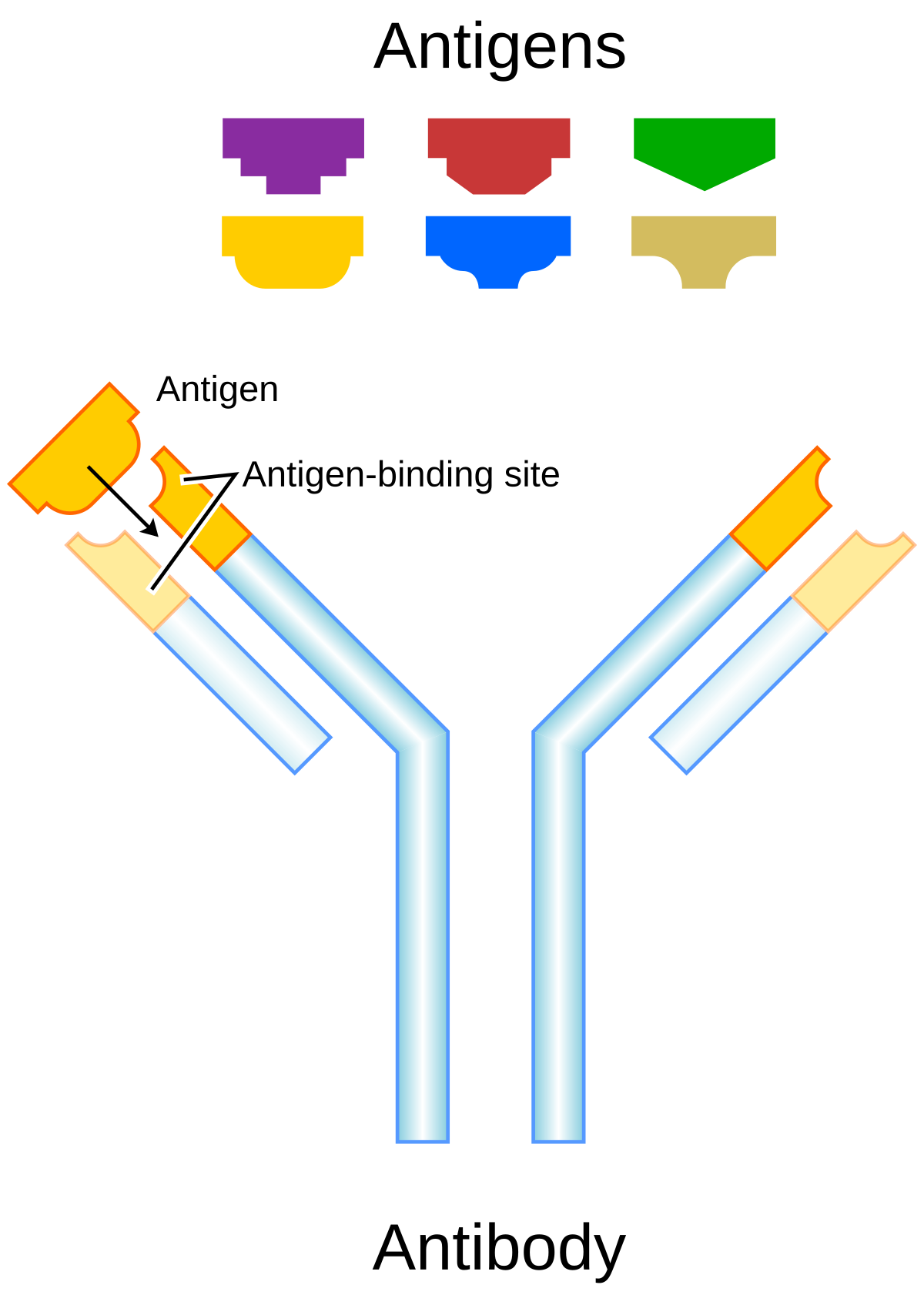
An antibody is a specialized protein produced by immune cells to identify and latch onto foreign invaders like viruses and bacteria. Each antibody binds to a specific molecular target called an antigen, acting like a custom lock matched to a unique key. Once attached, it can neutralize the target directly or signal other immune defenses to destroy it.

By the edgi team We find the most surprising true thing about an idea and build a 60-second lesson around it.

An antibody is a Y-shaped protein created by B-cells to hunt specific invaders. Think of it as a biological Wanted poster. It latches onto an antigen, marking it for destruction by the rest of the immune system.
In the 1890s, Emil von Behring realized he could borrow immunity. He injected children suffering from diphtheria with blood serum from horses that had survived the infection.

The horses' antibodies neutralized the toxins in the children's blood, saving lives. This was the birth of passive immunity.
Today, we use that same lock-and-key precision in medical tests like ELISA. By coating a surface with antibodies, we can capture and measure tiny amounts of viruses or hormones in a sample.
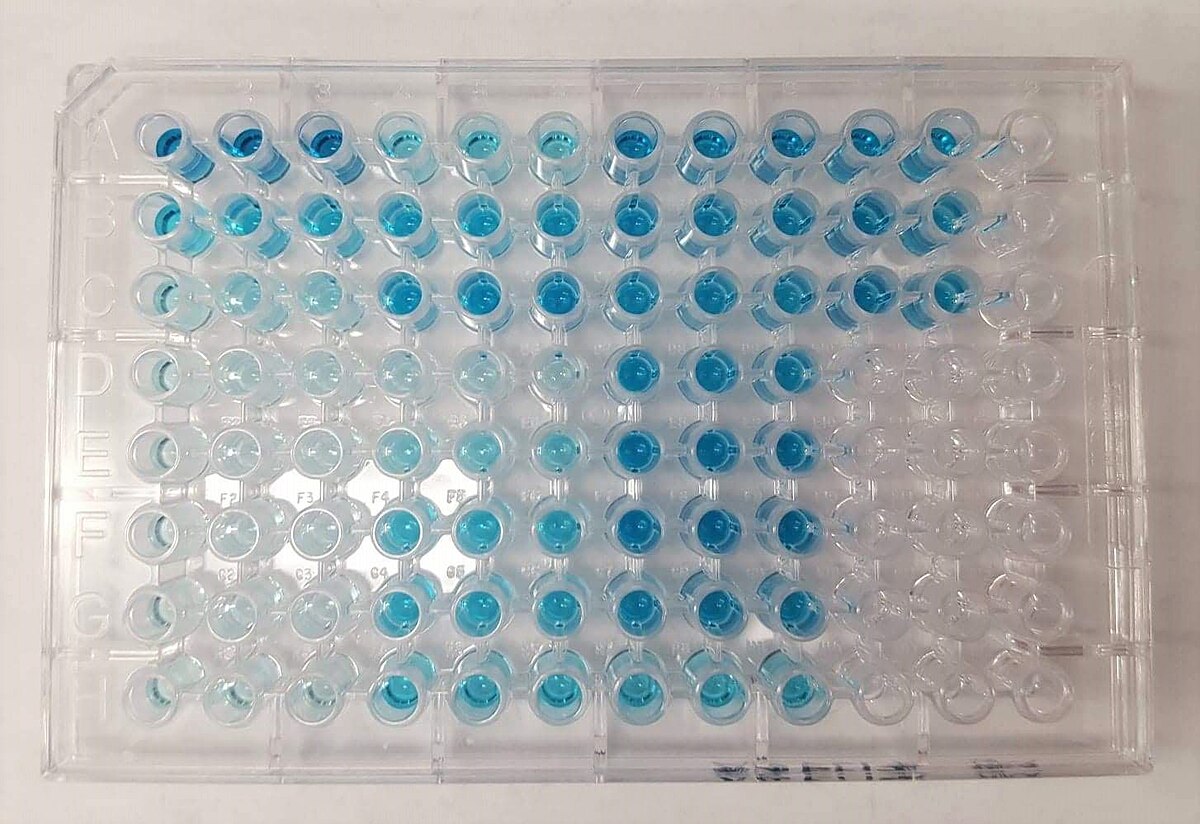
It is the same principle behind your home pregnancy test and your immunity to the flu.
Each tip of an antibody's Y-shaped structure contains a paratope, an antigen-binding site designed to latch onto one specific matching feature on an invader, known as an epitope. While the tips vary widely to recognize millions of distinct targets, the rest of the antibody protein maintains a stable framework.
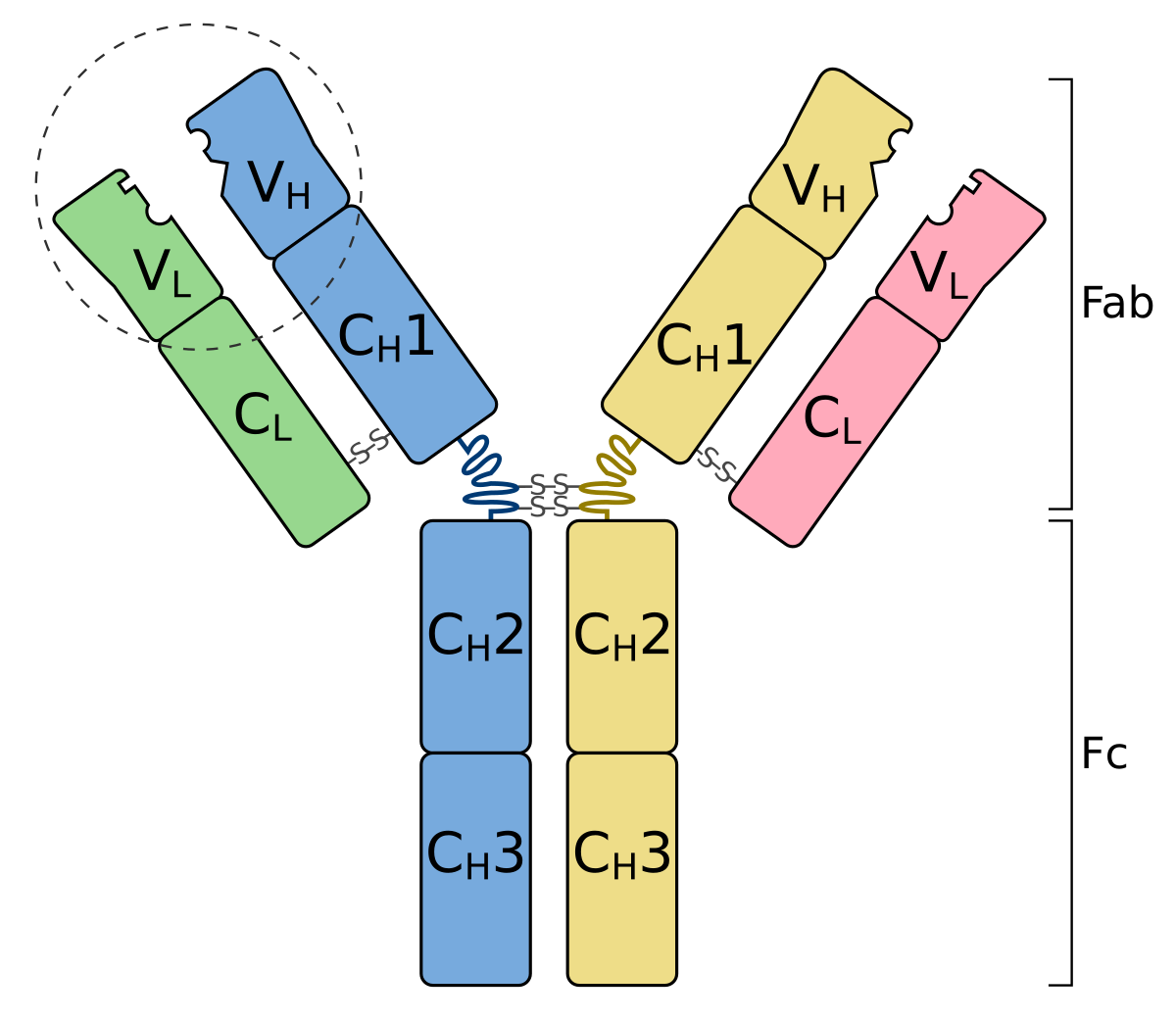
When an antibody encounters its target, it can neutralize the threat directly, such as by physically blocking a virus from entering a host cell. Alternatively, it acts as a molecular tag, marking infected cells or microbes so that other immune cells can recognize and clear them from bodily fluids.
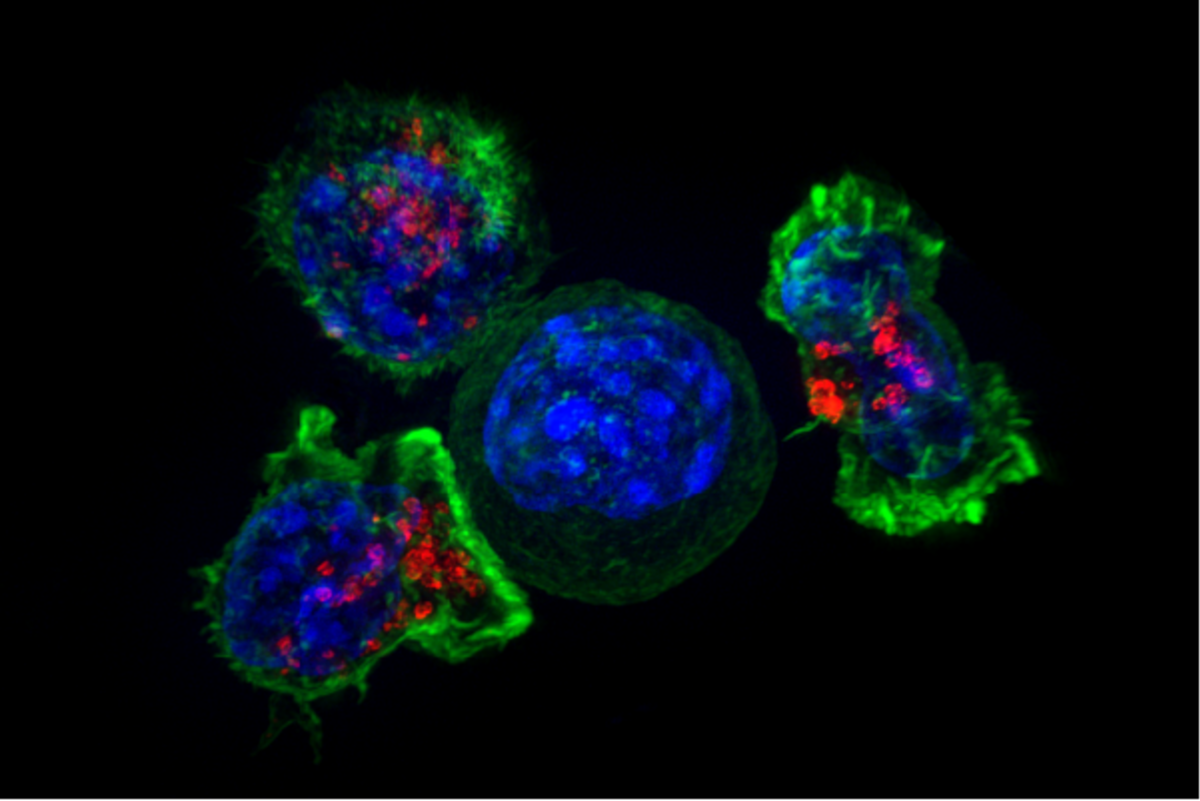
Antibodies are produced by specialized cells called plasmablasts and plasma cells, which develop from B cells during an immune response. Standard B cells only display immunoglobulins on their surface, requiring a transcription factor called BLIMP-1 to reprogram into dedicated antibody factories.
Plasma cells continuously release large quantities of antibodies into the bloodstream and tissues, even when the original invader is no longer present. While plasmablasts are short-lived, some plasma cells settle into specialized survival niches in the bone marrow or mucosal tissues, where they can survive and supply antibodies for the host's entire lifetime.
Human antibodies fall into five main classes: IgA, IgD, IgE, IgG, and IgM. These classes determine the specific immune functions triggered by the molecule, where it is deployed in the body, and at what stage of an infection it appears.
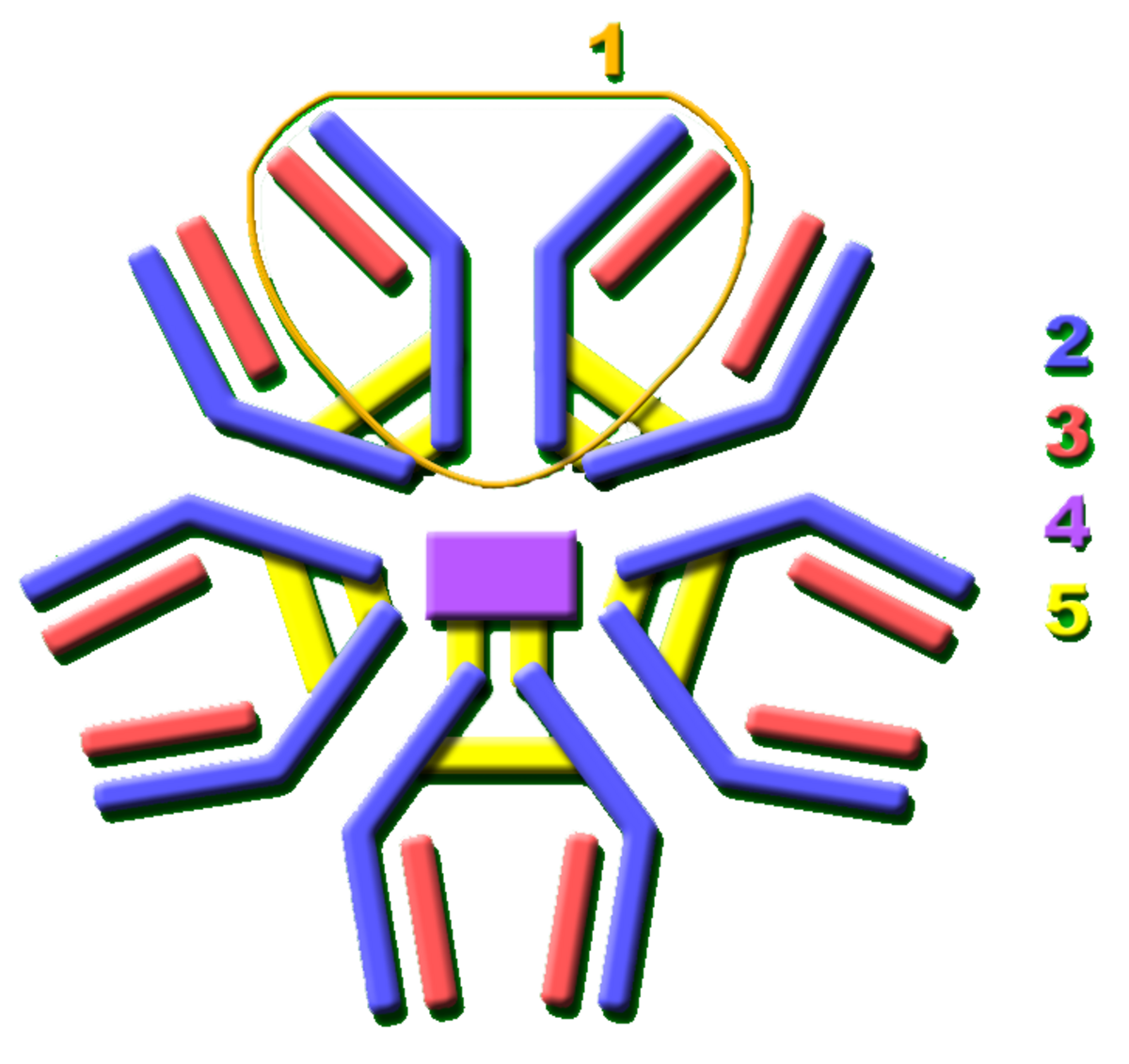
Some classes form larger complexes to multiply their binding strength. For example, secreted IgM consists of five standard units linked together, allowing a single structure to bind up to ten separate targets at once in early immune defense.
What role does an antibody play when it latches onto an invader?
Marks it for destruction. Antibodies do not kill invaders themselves; they act like wanted posters that tag the target so the rest of the immune system can clear it out.
An antibody is the immune system's primary weapon to kill an invader.
False. Antibodies don't kill; they act as markers. Think of them as 'wanted' posters that label an intruder so the rest of the immune system can identify and finish the job.
Antibodies belong to a class of proteins found in blood plasma known as ___ globulins.
gamma. Based on their movement during electrophoresis, immunoglobulins are categorized in the gamma fraction of serum proteins.
Collectible card
Play the lesson in edgi and the card is yours. It lands on your Map next to the ideas it connects to, and turns from matte to foil to gold as you learn more around it.
Both terms refer to the same protein. Immunoglobulin describes both the versions attached to cell surfaces and the free versions, while antibody generally refers specifically to the secreted, free-floating form.
Humoral immunity refers to the aspect of the immune defense mediated by soluble proteins like antibodies circulating in bodily fluids. It is distinct from cell-mediated immunity, which relies on direct actions by T cells.
Natural IgM antibodies are produced independently of an active infection by specialized B-1 cells. Unlike typical antibodies, they are polyreactive, meaning they can bind to multiple unrelated antigens to help clear threats early.
Part of the Set · 7 cards
Every drug you've ever taken eventually wears off. This one hunts, multiplies, and remembers.
Lesson complete
You finished the lesson. In edgi, the card goes on your Map next to everything else you learn.