Antigens: the molecular IDs that trigger immune attacks
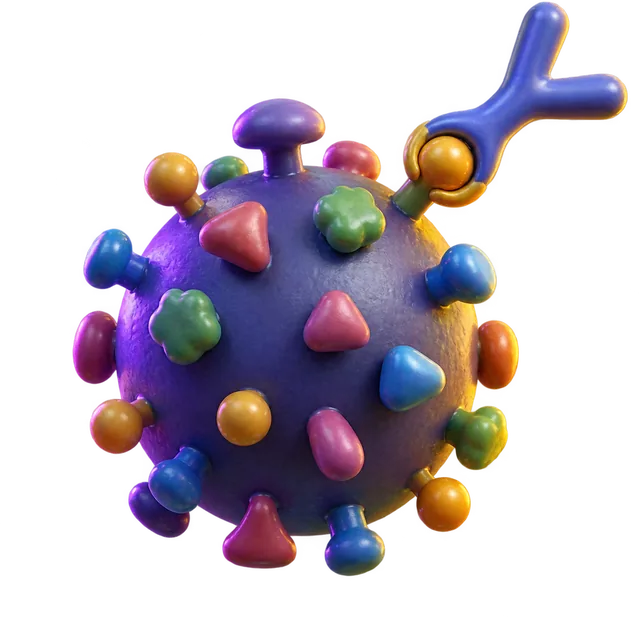
An antigen is any molecule that can latch onto a specific immune receptor or antibody, acting like a chemical identifier. Your immune system scans these shapes to tell the body's own cells apart from external threats like bacteria, viruses, or mismatched blood cells. When it detects an unfamiliar foreign antigen, it activates specialized immune cells to attack the source.
By the edgi team We find the most surprising true thing about an idea and build a 60-second lesson around it.
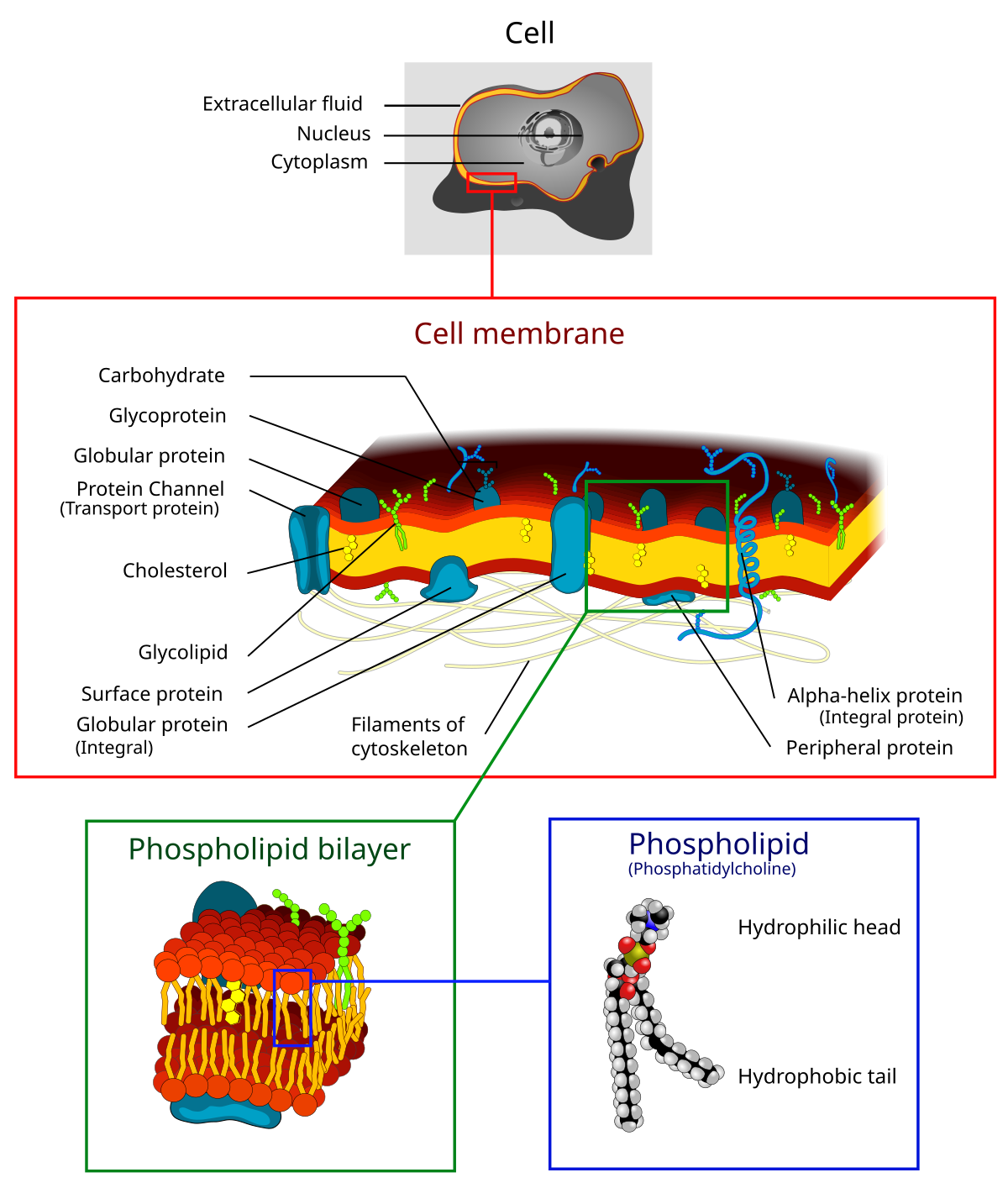
Think of your immune system as a bouncer at a club. It ignores the crowd unless someone presents a fake ID. Those IDs are called antigens. They are proteins or sugars on the surface of every cell, acting like a molecular business card.
Detailed diagram of a cell membrane, showing its components and a magnified view of a phospholipid bilayer and a single phospholipid molecule. derivative work: Dhatfield (talk) Cell_membrane_detailed_diagram_3.svg: *derivative work: Dhatfield (talk) Cell_membrane, CC BY-SA 3.0, via Wikimedia Commons
If your immune system scans a cell and sees an unfamiliar shape, it flags it as a hostile invader.
The blood type discovery
In 1900, scientist Karl Landsteiner solved a deadly mystery. Transfusions often killed patients because their bodies attacked the new blood. He discovered that red blood cells have specific antigens on them, creating the ABO blood group system.
A black and white portrait of Karl Landsteiner shows him with a mustache and a serious expression, wearing a suit and tie. Bachrach Studios, Public domain, via Wikimedia Commons
If you give Type A blood to a Type B person, the recipient's body sees the foreign antigen shape, thinks it is an invader, and attacks it.
The training drill
We use this ID check system to protect you with a vaccine. A vaccine introduces a harmless version of an antigen, essentially showing the immune system a wanted poster.
A medical professional administers polio vaccination drops to a young child in Egypt. CDC Global, CC BY 2.0, via Wikimedia Commons
Your body practices identifying that shape so that when the real infection arrives, your Killer T cells recognize the intruder instantly and destroy it.
How immune receptors identify antigens
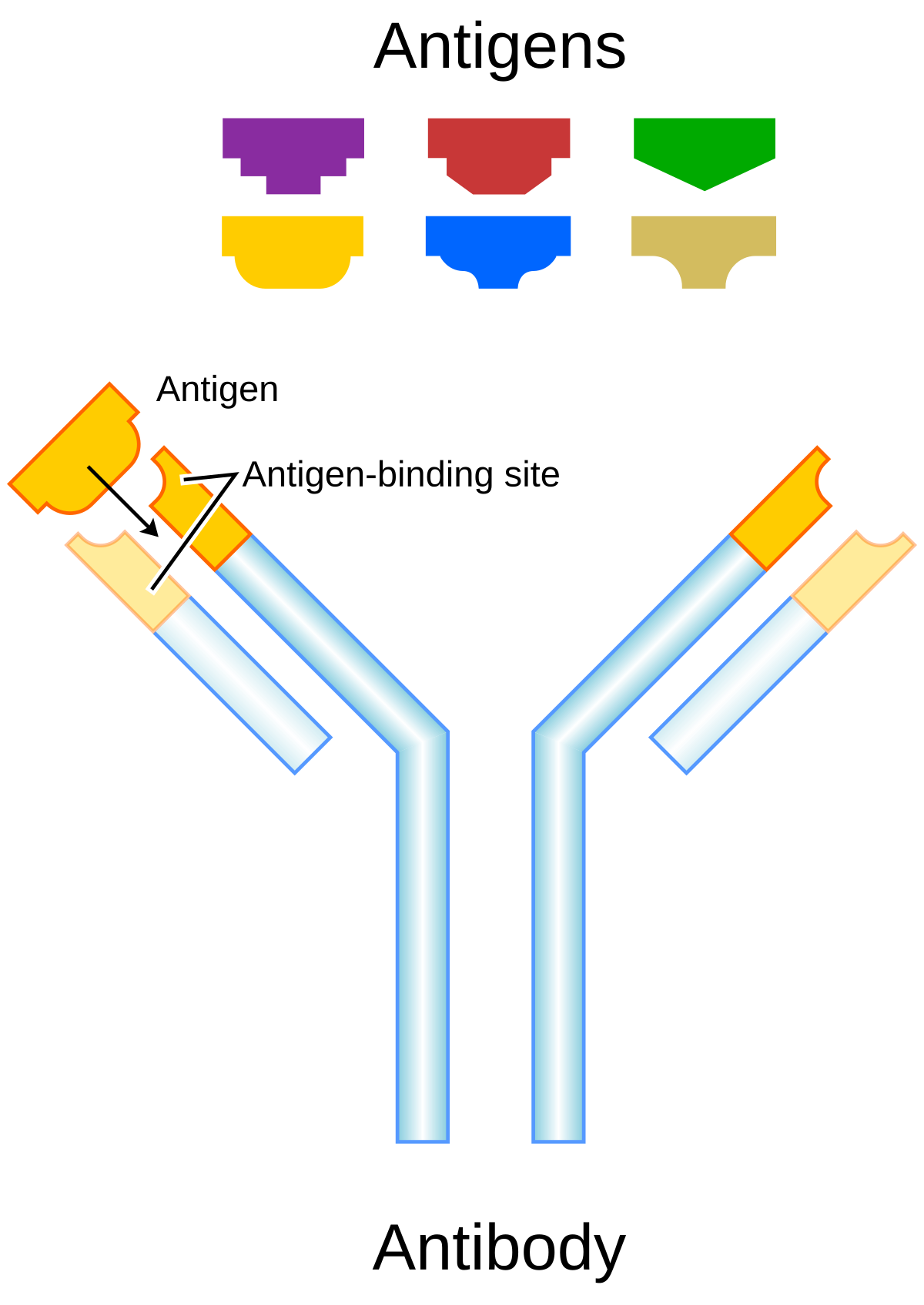
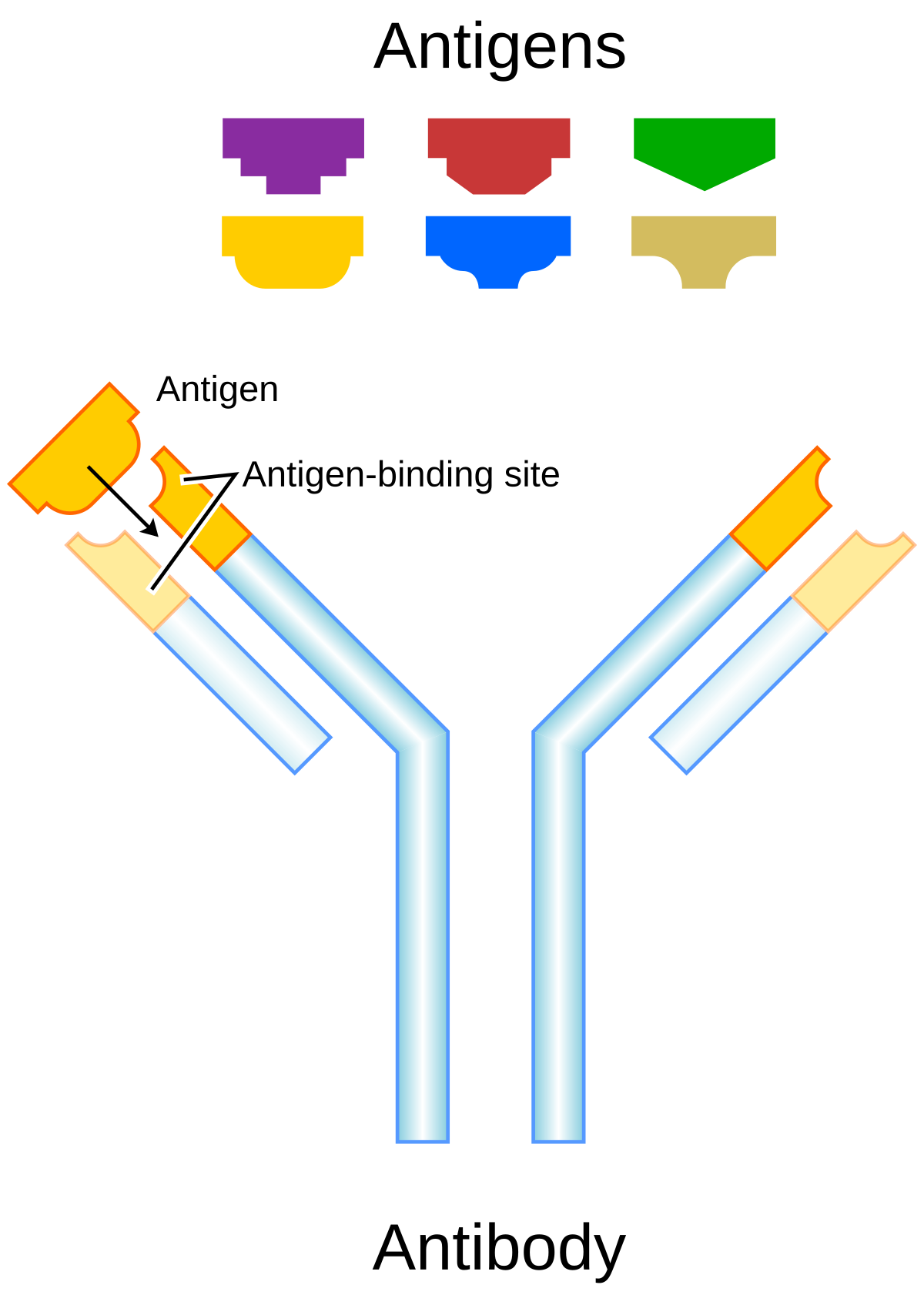
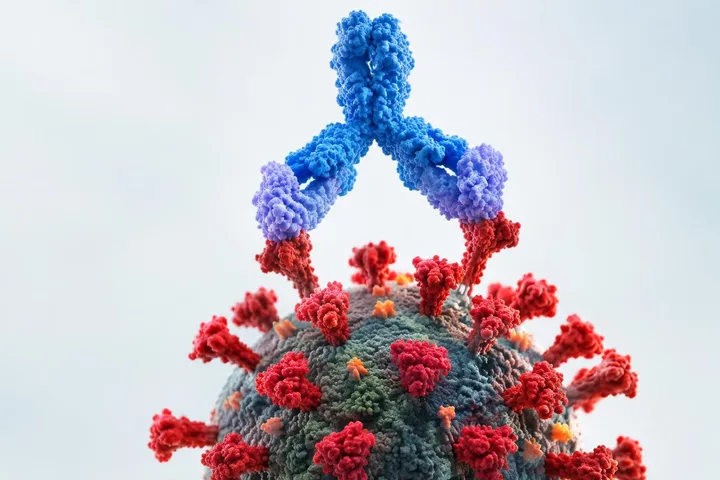
An antibody or T-cell receptor does not need to bind to an entire organism. Instead, it attaches to a specific surface feature on an antigen known as an epitope. Because large antigens often display multiple distinct epitopes, several different antibodies can bind to different points on the same invader.
Notice how the antibody's binding site matches the specific molecular shape of the antigen's epitope. Fvasconcellos 19:03, 6 May 2007 (UTC), Public domain, via Wikimedia Commons
Immune cells generate diverse antigen receptors, and each lymphocyte is specific to a single antigen. When a matching antigen appears, only the lymphocytes that recognize that exact shape multiply and activate, an event called clonal selection. In most cases antibodies bind only one target, though they can occasionally cross-react with similar shapes.
Where antigens come from
Antigens are not just microbes. While they make up parts of bacteria, viruses, parasites, and fungi (such as cell walls, coats, flagella, and toxins), they also occur on ordinary non-microbial substances. Pollen, egg whites, transplanted organs, and transfused red blood cells all carry identifying antigens.
Your own healthy tissues also display self-antigens. The immune system avoids destroying them through negative selection, a filtering process where developing T cells in the thymus and B cells in the bone marrow that target self-antigens are eliminated. When this safety check fails, antibodies target the body's own tissues, leading to autoimmune diseases.
Test yourself
How does a vaccine antigen help prepare the immune system?
It helps the immune system recognize a specific shape.. A harmless antigen lets the immune system practice recognizing a specific shape, helping it respond to the real infection later.
What does an antigen primarily represent to the immune system?
A specific molecular shape on a cell. Antigens are not entire cells or germs, but specific protein or sugar shapes on surfaces that the immune system scans for identity.
What is the primary trigger for an immune system attack against a cell?
Presence of an unrecognized molecular shape.. The immune system identifies potential threats by checking surface markers (antigens) for shapes it does not recognize. It reacts to the shape as a 'fake ID' rather than assessing the cell's actual destructive potential.
Play the lesson in edgi and the card is yours. It lands on your Map next to the ideas it connects to, and turns from matte to foil to gold as you learn more around it.
What is the difference between an antigen and an immunogen?
All immunogens are antigens, but not all antigens are immunogens. An immunogen is an antigen capable of actively triggering an immune response, whereas some antigens can bind to antibodies without provoking an immune reaction on their own.
Where did the word antigen come from?
In 1899, researcher Ladislas Deutsch coined the term, originally believing these substances were precursors to antibodies. By 1903, he recognized they provoked antibody generation, making antigen a shortened form of antibody generator.
What is a hapten?
A hapten is a small molecule that cannot trigger an immune response on its own. It only becomes immunogenic when it attaches to a larger carrier molecule, such as a protein.