Single-chain variable fragmentShrinking antibodies to single proteins
A single-chain variable fragment (scFv) is an engineered protein made by joining the antigen-binding tips of an antibody together with a short, flexible linker. Despite being called a fragment, it is a single continuous protein chain that keeps the precise targeting grip of a full antibody. Because it is tiny and lacks the bulky base of normal antibodies, it can penetrate deep into tissues and serve as the targeting sensor for treatments like CAR-T cell therapy.
By the edgi team We find the most surprising true thing about an idea and build a 60-second lesson around it.
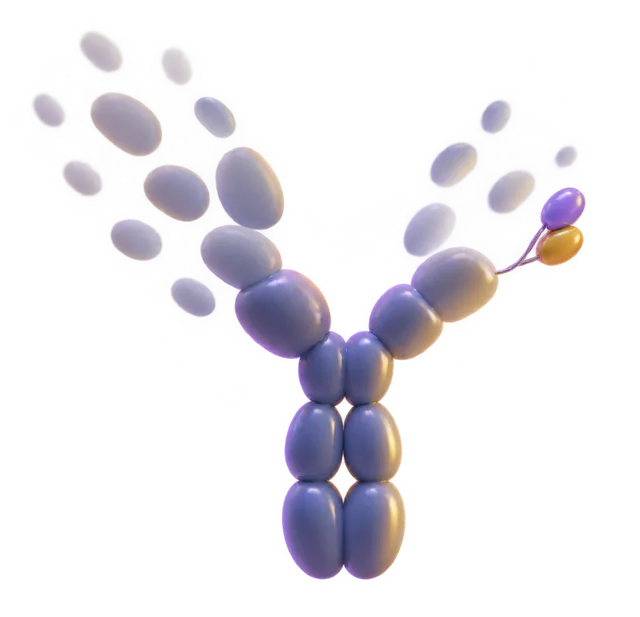
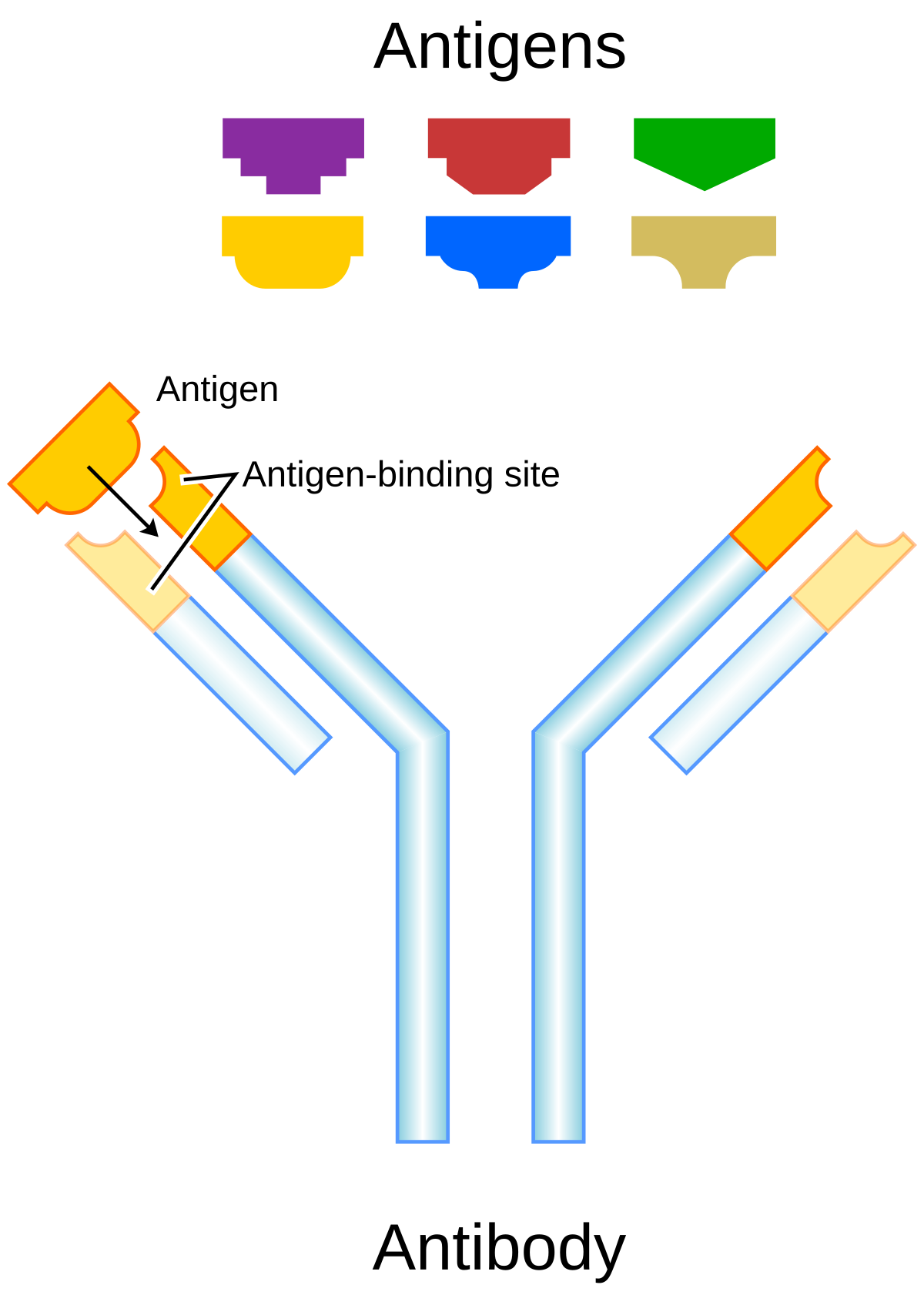
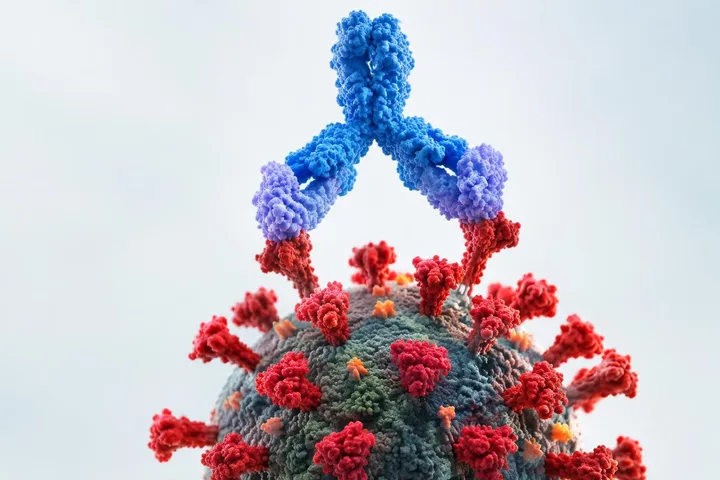
Antibodies are massive Y-shaped proteins. They are great at finding invaders but too bulky to slip into dense tumor tissue. Scientists realized they didn't need the whole structure. They just needed the tips, the variable regions, that actually lock onto a specific target.
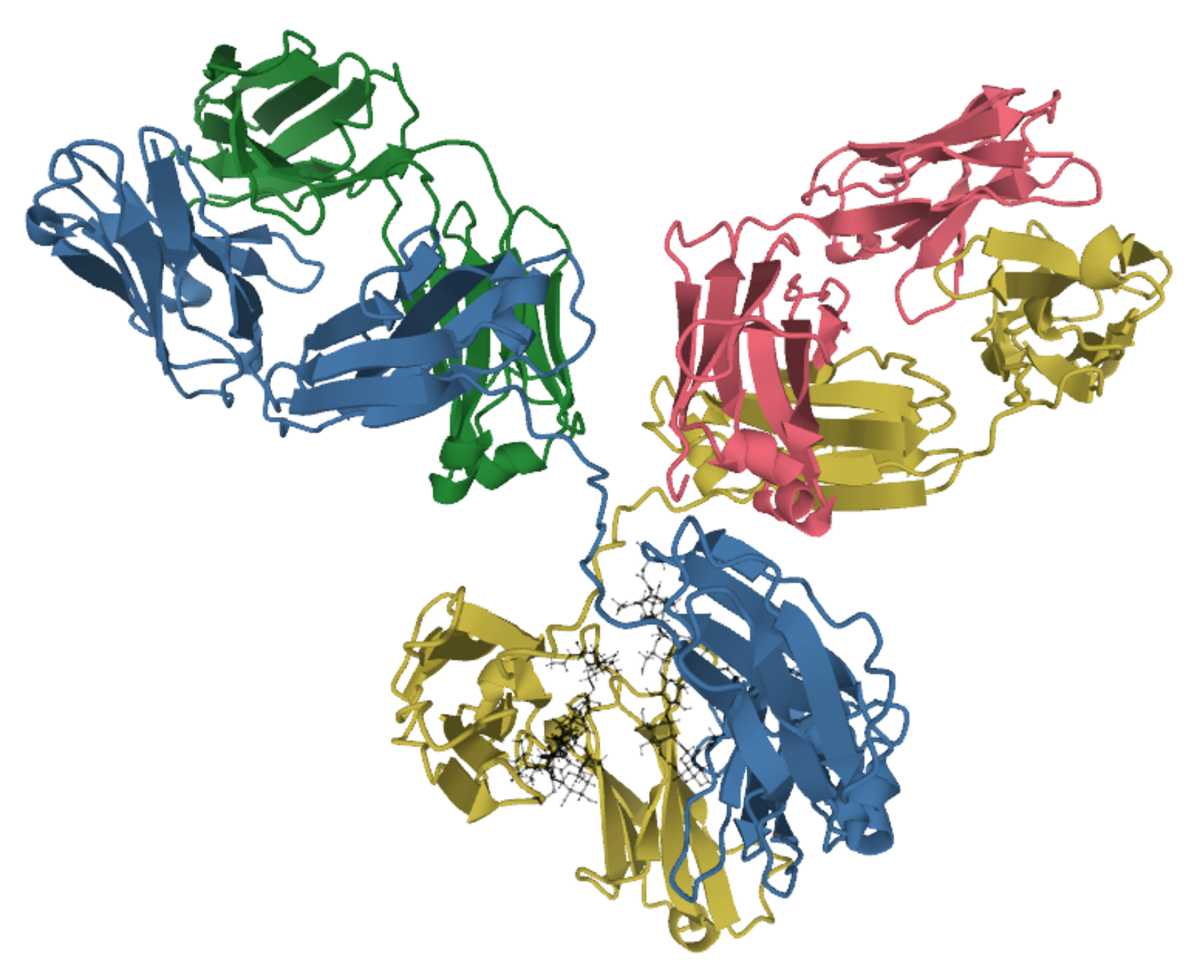
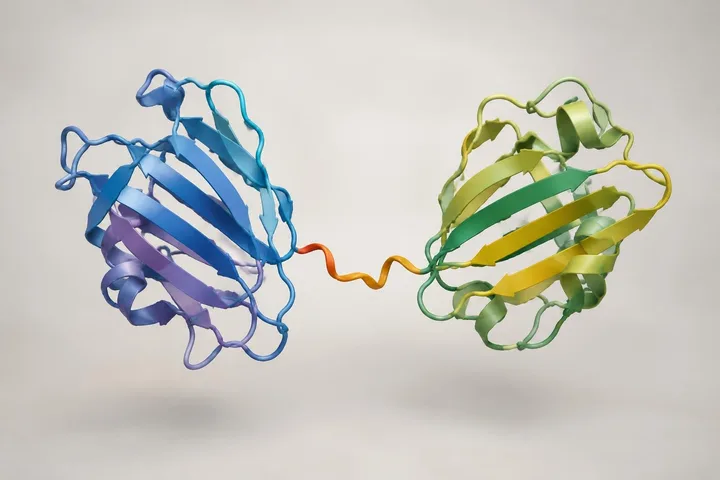
Molecular structure of an IgG1 antibody, rendered as a ribbon diagram with different domains colored green, blue, red, and yellow. Tokenzero, CC BY-SA 4.0, via Wikimedia Commons
The molecular tether
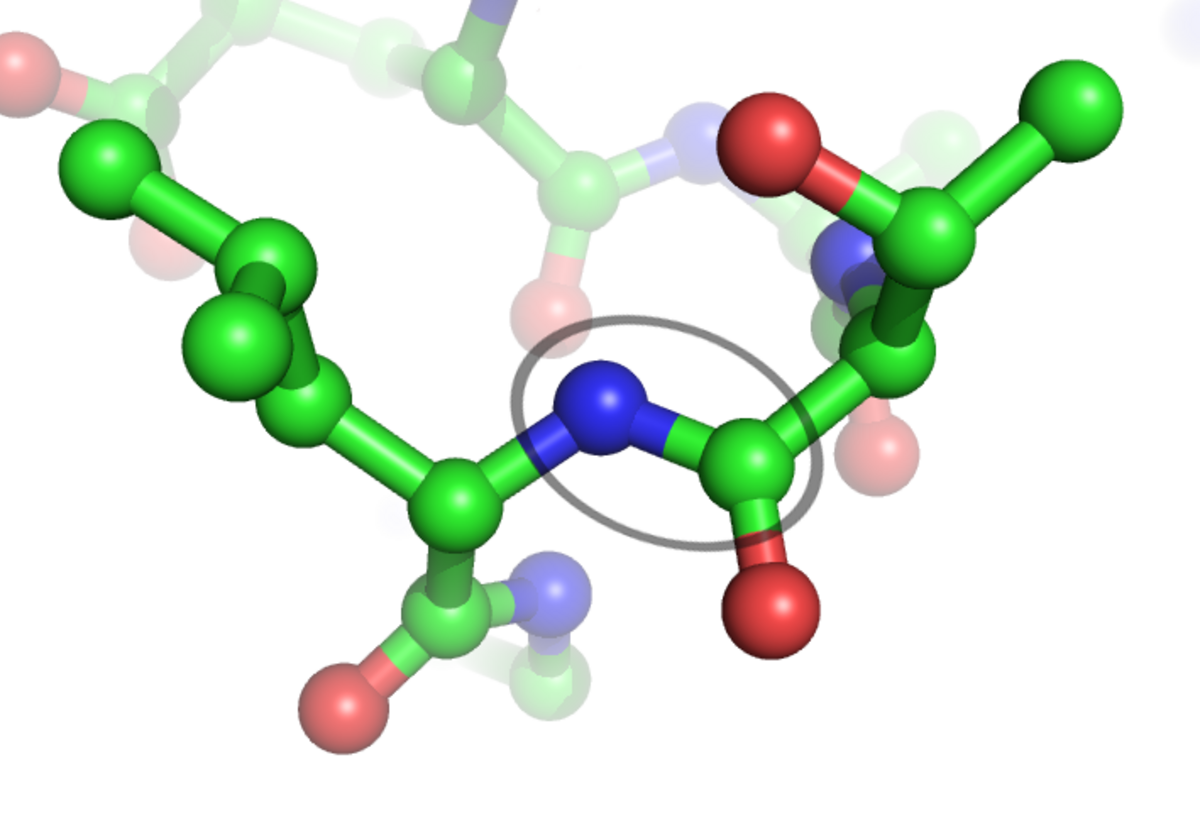
In 1988, researchers James Huston and Robert Bird figured out how to strip away the excess. They took the heavy and light variable regions and stitched them together with a flexible peptide bond.
Molecular diagram highlighting a peptide bond within a polypeptide chain. webridge, CC BY-SA 3.0, via Wikimedia Commons
This created a single, continuous chain that mimics the antibody's grip but in a fraction of the size.
The payoff
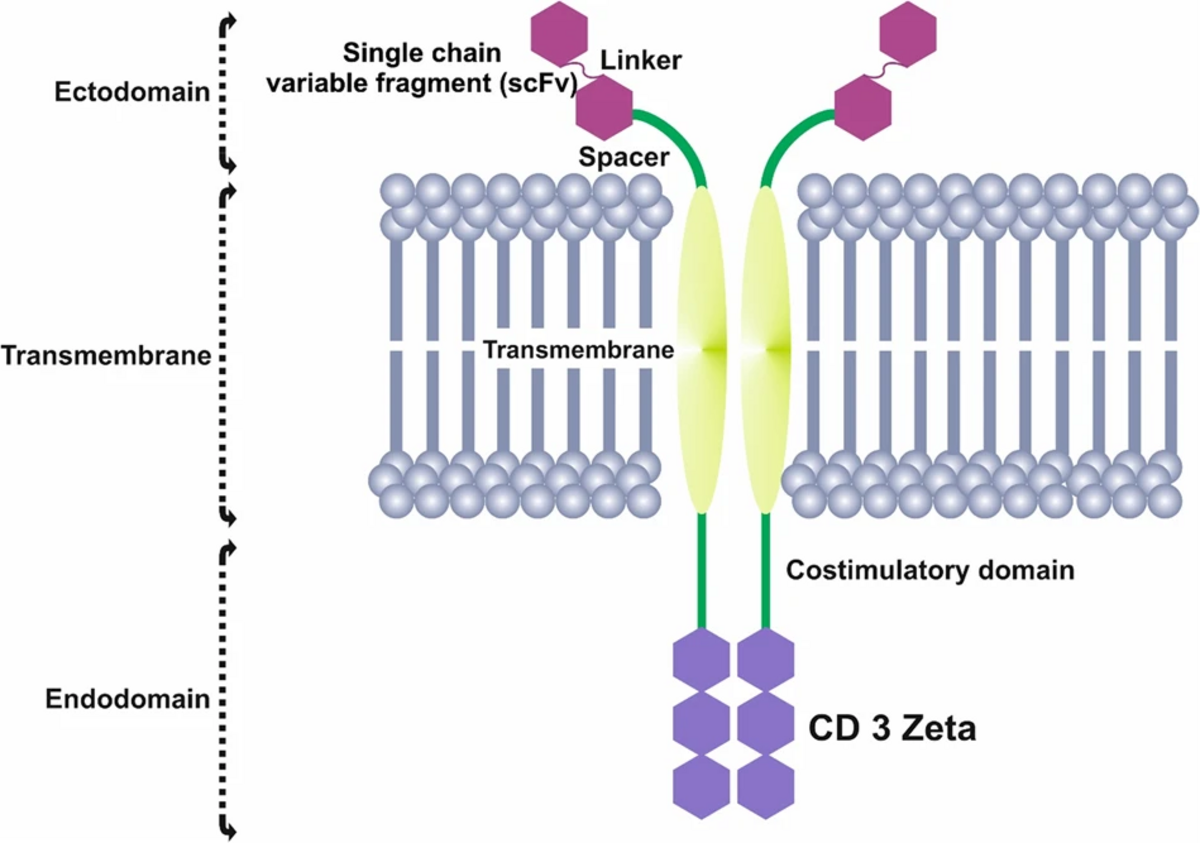
Because they are so small, these fragments can penetrate deep into tissues that full-sized antibodies cannot reach. They are now the targeting sensors for CAR-T cell therapy, allowing us to re-engineer a patient's own immune cells to hunt cancer with surgical precision.
Diagram illustrating the structure of a chimeric antigen receptor (CAR) embedded in a cell membrane. Mohsen Sheykhhasan and Hamed Manoochehri, CC BY 4.0, via Wikimedia Commons
How an scFv is built
Full antibodies rely on separate heavy and light protein chains to form an antigen-binding site. An scFv combines the variable region of the heavy chain (VH) and the variable region of the light chain (VL) into one strand. Inside these regions, framework parts provide structural stability, while complementarity-determining regions form the actual recognition surface that grabs the target.
This diagram shows the two structural orientations for linking heavy and light variable chains, using peptide arrows to bridge the binding sites. Anypodetos, Public domain, via Wikimedia Commons
The two ends are tied together with a short peptide linker of about ten to 25 amino acids. This linker is rich in glycine for flexibility and serine or threonine for solubility. The peptide can connect the N-terminus of the heavy region to the C-terminus of the light region, or vice versa, though changing this orientation can alter how tightly and specifically the fragment binds.
Production and advanced multivalent designs
Unlike full monoclonal antibodies that require mammalian cell cultures, scFvs are often produced in bacterial cultures such as E. coli. They lack the constant Fc region of natural antibodies, meaning scientists cannot purify them with common antibody binding agents like protein G. Instead, researchers purify scFvs using protein L, protein A for human VH3 domains, or by attaching a six-histidine tag at the C-terminus for metal affinity chromatography.
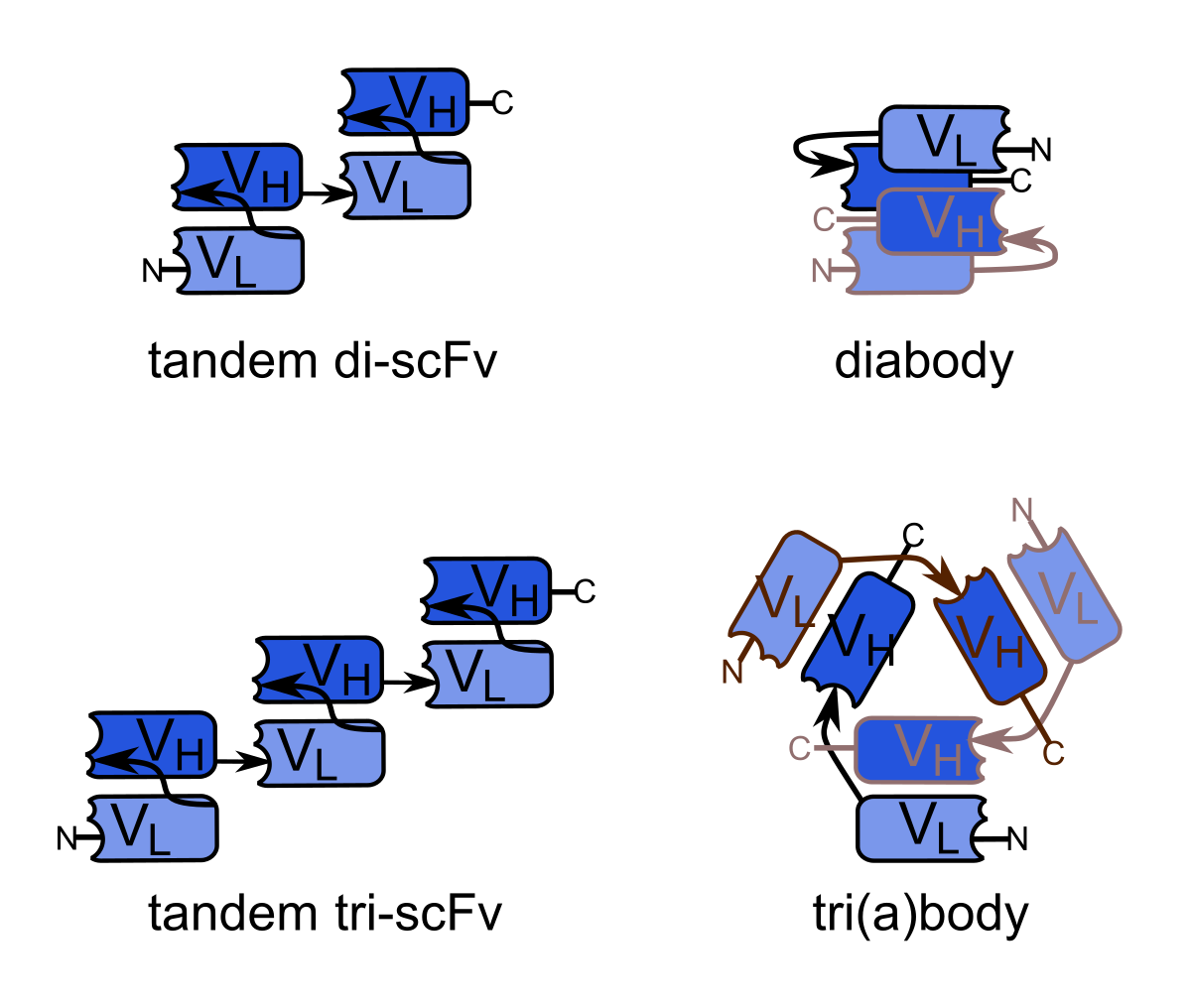
This structural overview compares tandem and multimerized designs, showing how engineered linkers force scFvs into divalent and trivalent complexes. Anypodetos, Public domain, via Wikimedia Commons
Engineers can also chain scFvs together to build multivalent binders. Shortening the linker to about five amino acids prevents the two halves from folding onto each other, forcing two fragments to pair up into a diabody. Diabodies have dissociation constants up to 40-fold lower than single scFvs, yielding much tighter target binding. Even shorter linkers of one or two amino acids create triabodies or tetrabodies. When designed to recognize two different targets, tandem fragments form bispecific tools, such as bi-specific T-cell engagers (BiTEs).
Test yourself
What is the primary design advantage of a single-chain variable fragment over a full antibody?
It penetrates dense tissues easily due to its small size.. By stripping away the bulky constant regions and keeping only the binding tips, the fragment gains the ability to slip into tight spaces like dense tumors.
What is the primary physical function of a single-chain variable fragment?
Penetrating deep into dense tissue.. While it replaces the antibody's structure, its primary function is size-based tissue penetration, which the bulky full-sized antibody cannot achieve.
The _____ is the structural part that binds the target protein.
scFv. The scFv is a fusion of the variable regions of antibody heavy and light chains.
Play the lesson in edgi and the card is yours. It lands on your Map next to the ideas it connects to, and turns from matte to foil to gold as you learn more around it.
Several therapeutic drugs are built from scFv proteins. Examples include brolucizumab for wet age-related macular degeneration, pexelizumab to reduce side effects during cardiac surgery, and the diabody C6.5 targeting HER2/neu in breast cancer.
Why were scFvs initially developed in the lab?
Scientists created scFvs to facilitate phage display techniques, where expressing an entire binding domain as a single peptide chain is far simpler than handling multi-chain antibody proteins. They can also be cloned directly from hybridoma cell lines.