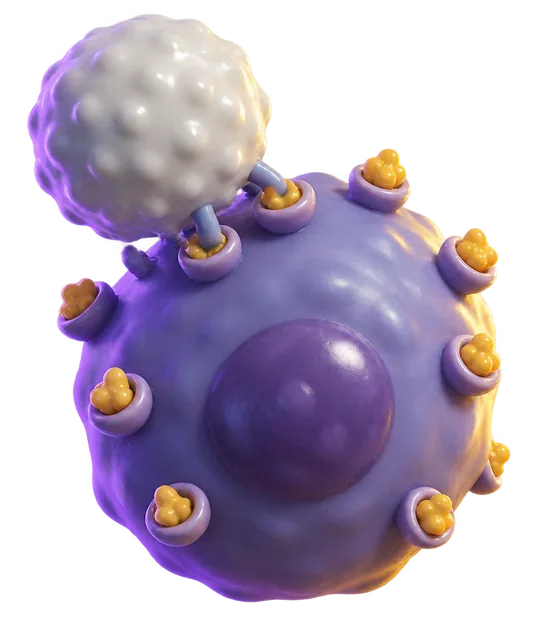
A T cell is a specialized white blood cell that identifies and attacks specific threats in the body, such as virus-infected cells or cancer cells. Unlike general immune cells that fight everything foreign, each T cell carries a unique surface receptor built to recognize only one molecular pattern. Most developing T cells fail their training in the thymus and are eliminated before they ever enter the bloodstream.
By the edgi team We find the most surprising true thing about an idea and build a 60-second lesson around it.
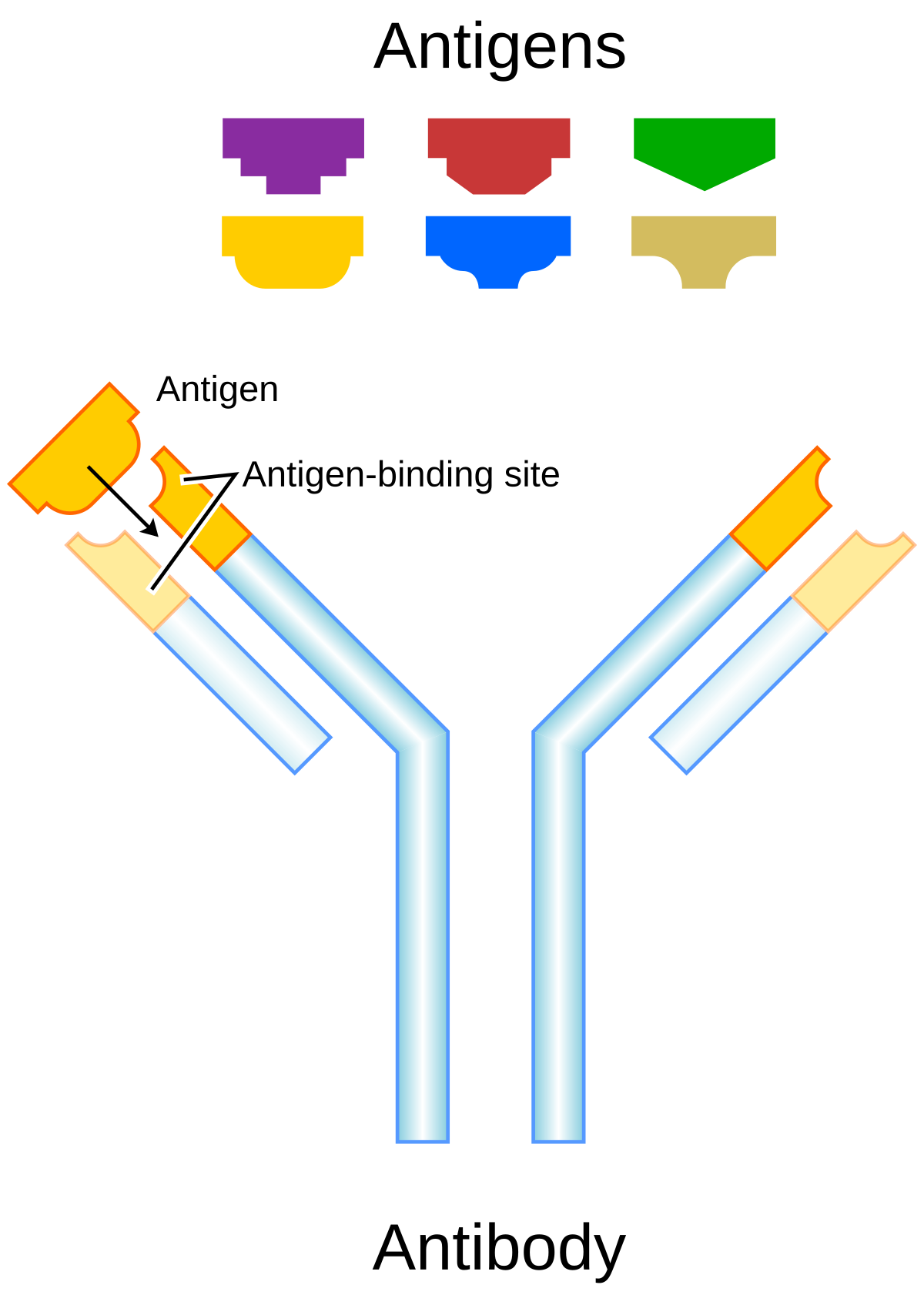
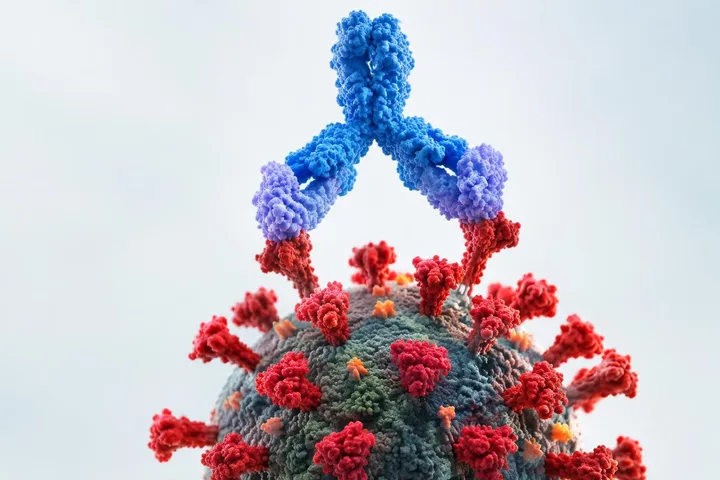
Your immune system has general soldiers that attack anything foreign. But T cells are different. Each T cell is born with a unique T-cell receptor on its surface. This is a lock that only fits one specific key, a molecular target called an antigen.
Because they are so specific, they act as the elite assassins of your adaptive immune system, hunting down only the cells hijacked by a particular virus.
The lethal exam
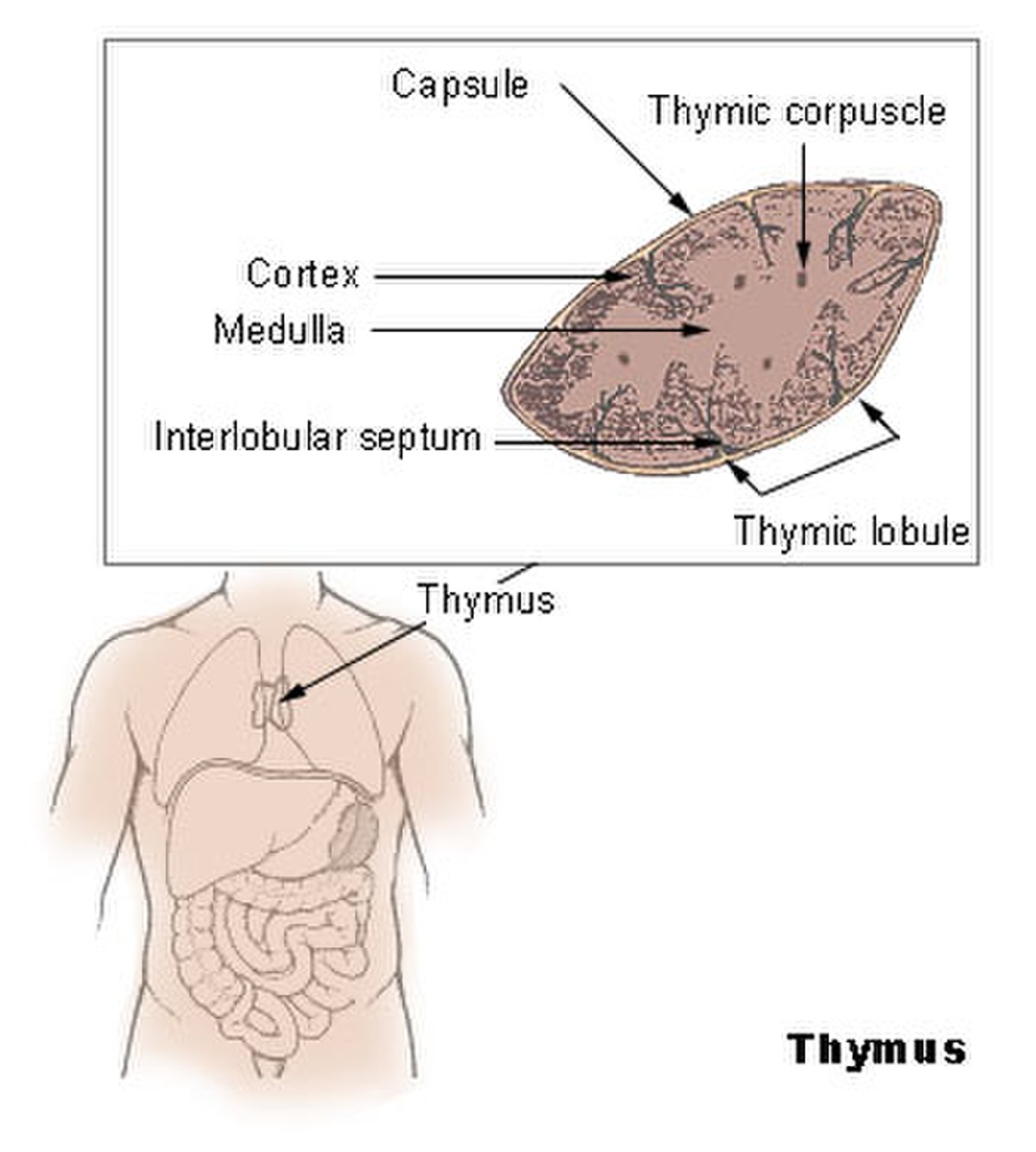
Before joining the fight, every T cell must graduate from the thymus, a small gland behind your breastplate. The thymus puts them through a process called negative selection. It presents the young cells with your own healthy proteins.
A diagram illustrating the location and internal structure of the thymus gland. Public domain, via Wikimedia Commons
If a T cell reacts to your own body, it is forced to commit cellular suicide. Only about two percent of recruits pass this test.
The medical payoff
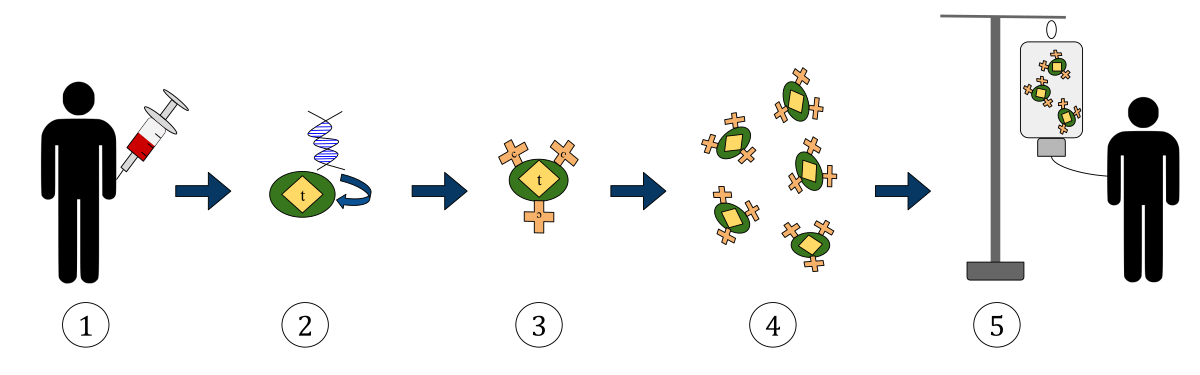
Because T cells are so precise, scientists are now learning to hack them. In CAR T cell therapy, doctors extract a patient's own cells and genetically engineer them to recognize specific cancer signatures.
Diagram illustrating the CAR T-cell therapy process, from T-cell isolation to patient infusion. Reyasingh56, CC BY-SA 4.0, via Wikimedia Commons
They turn the body's natural assassins into a custom-built weapon against the tumor.
How T cells grow and pass inspection
All T cells start as stem cells in the bone marrow or fetal liver, which then turn into lymphoid progenitor cells. These immature cells travel through the bloodstream to the thymus, a gland located behind the breastplate, where they earn the name T cells. Inside the thymus, developing cells assemble their unique T-cell receptors by combining randomized protein chains.
Developing cells face strict testing before they can leave. In positive selection, cells must prove their receptor can recognize the body's major histocompatibility complex molecules. In negative selection, cells that react aggressively against the body's own healthy proteins are forced to die, leaving only the tiny minority that can tell foreign threats from self.
The main types of T cells
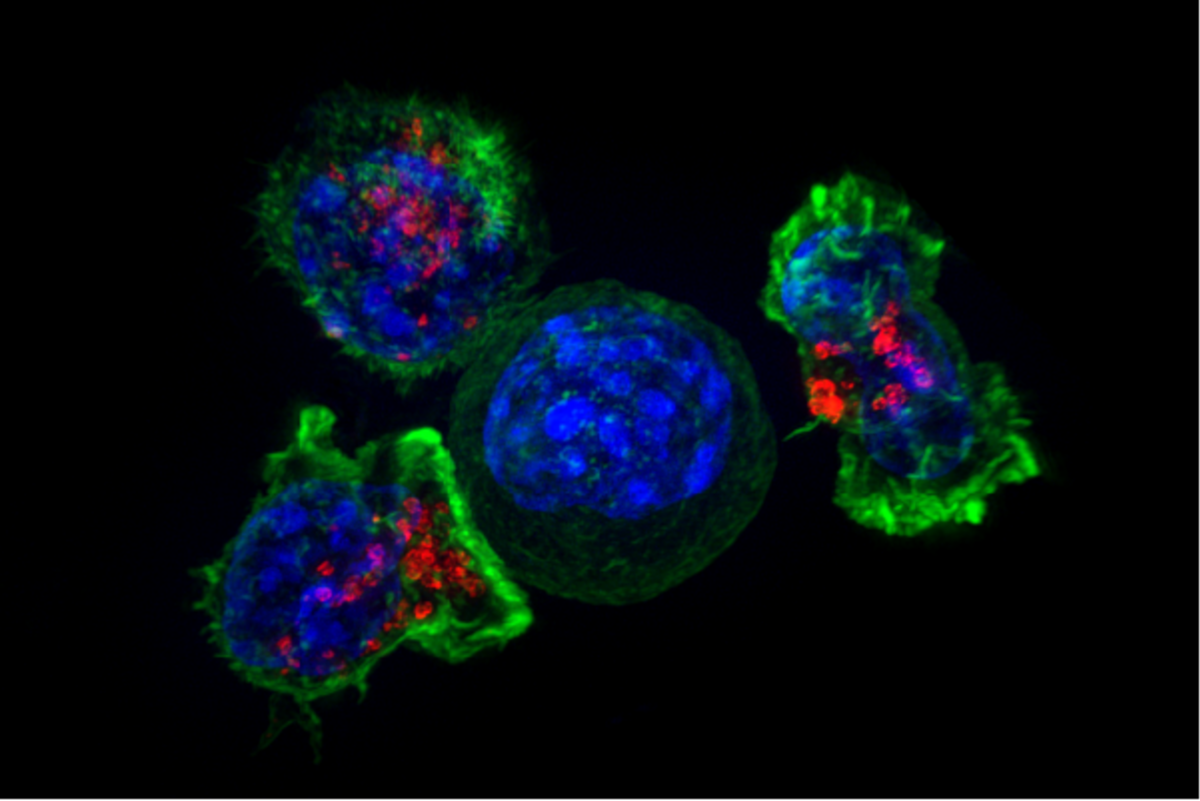
Mature T cells split into distinct functional groups based on their surface proteins. Cytotoxic CD8+ T cells, also known as killer T cells, directly destroy virus-infected cells and tumors while releasing chemical messengers called cytokines to summon reinforcements.
Cytotoxic T cells bind directly to the surface of a target cancer cell to trigger cell death. The National Institutes of Health, Public domain, via Wikimedia Commons
CD4+ helper T cells coordinate the wider defense by activating memory B cells and cytotoxic T cells. Regulatory T cells act as suppressors, keeping immune cells from attacking the body's own tissue, though cancer cells can sometimes hijack them to hide from immune attacks.
Test yourself
How does thymic negative selection reduce the risk of T cells attacking the body?
It eliminates T cells that react to self proteins.. Negative selection tests young T cells against self proteins and eliminates those that react to them, helping prevent attacks on healthy tissue.
In CAR T cell therapy, what is changed to help attack a patient's tumor?
Their recognition is engineered toward cancer signatures.. CAR T therapy engineers a patient’s T cells to recognize specific cancer signatures, rather than making them attack broadly.
How do T cells achieve specificity for adaptive immunity?
Each carries a unique receptor for one antigen. T cells develop unique receptors beforehand so they can recognize and target specific molecular shapes with high precision.
Play the lesson in edgi and the card is yours. It lands on your Map next to the ideas it connects to, and turns from matte to foil to gold as you learn more around it.
What makes a T cell different from other white blood cells?
T cells carry a unique T-cell receptor on their surface designed to recognize one specific target antigen. They also undergo strict selection in the thymus to ensure they do not attack the body's own healthy tissues.
What is CAR T cell therapy?
CAR T cell therapy is a medical treatment where doctors extract a patient's T cells and genetically engineer them to target specific proteins on cancer cells. Once infused back into the patient, these modified cells seek out and kill the tumor.