Insulin is a hormone produced in the pancreas that signals cells to absorb glucose from the bloodstream. Without it, energy cannot enter the cells to be used for fuel, leaving them starving even when blood sugar levels are dangerously high. It is the primary anabolic hormone in the body, driving tissues to build and store energy reserves.
By the edgi team We find the most surprising true thing about an idea and build a 60-second lesson around it.
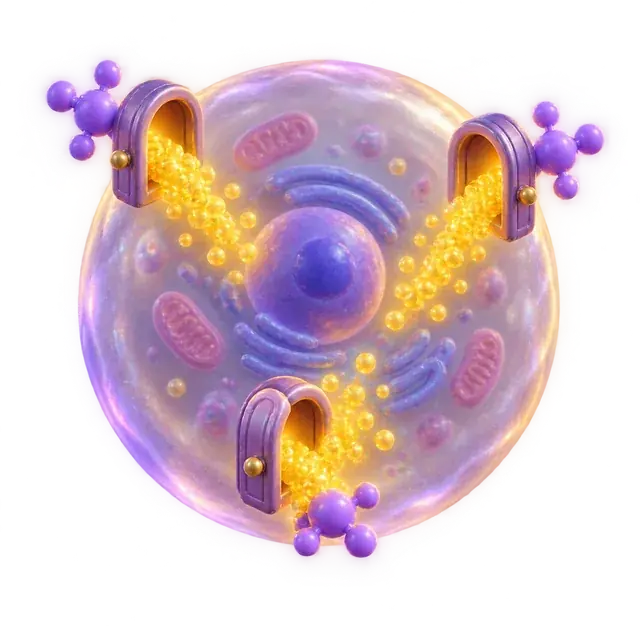
Your body relies on glucose for fuel, but it cannot enter your cells on its own. Insulin acts like a key, unlocking cell walls so the energy can flow inside.
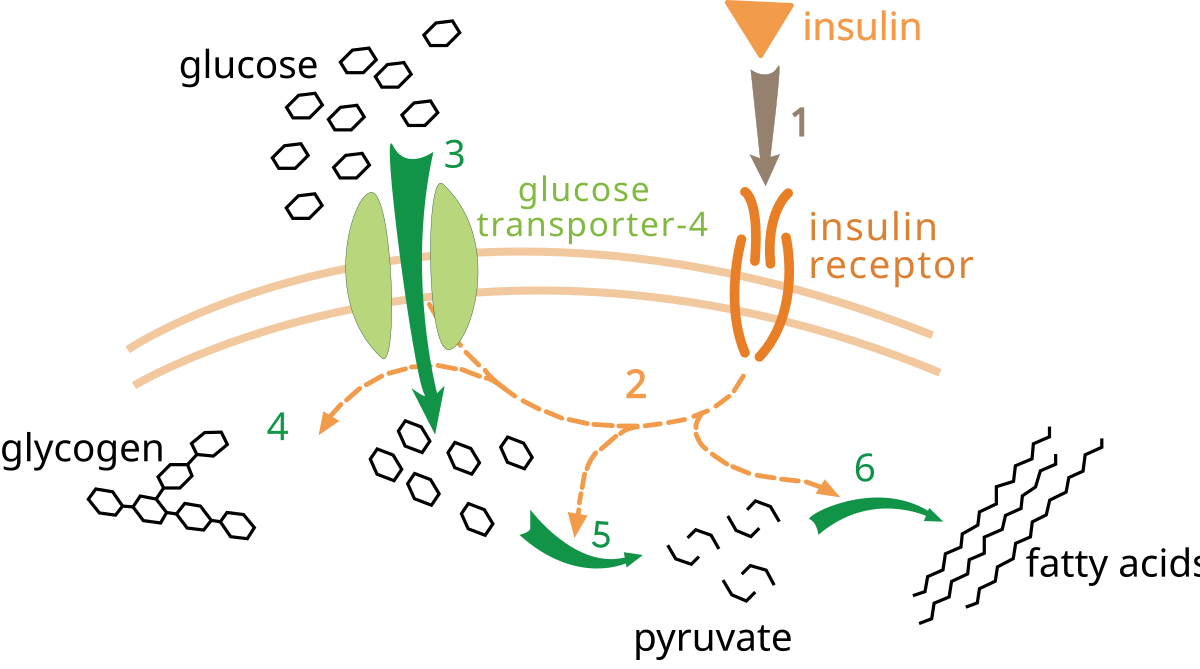
Diagram illustrating the effect of insulin on glucose uptake and metabolism within a cell. XcepticZP at en.wikipedia, Public domain, via Wikimedia Commons
Without it, your blood sugar spikes to dangerous levels while your cells literally starve to death.
The ward of comas
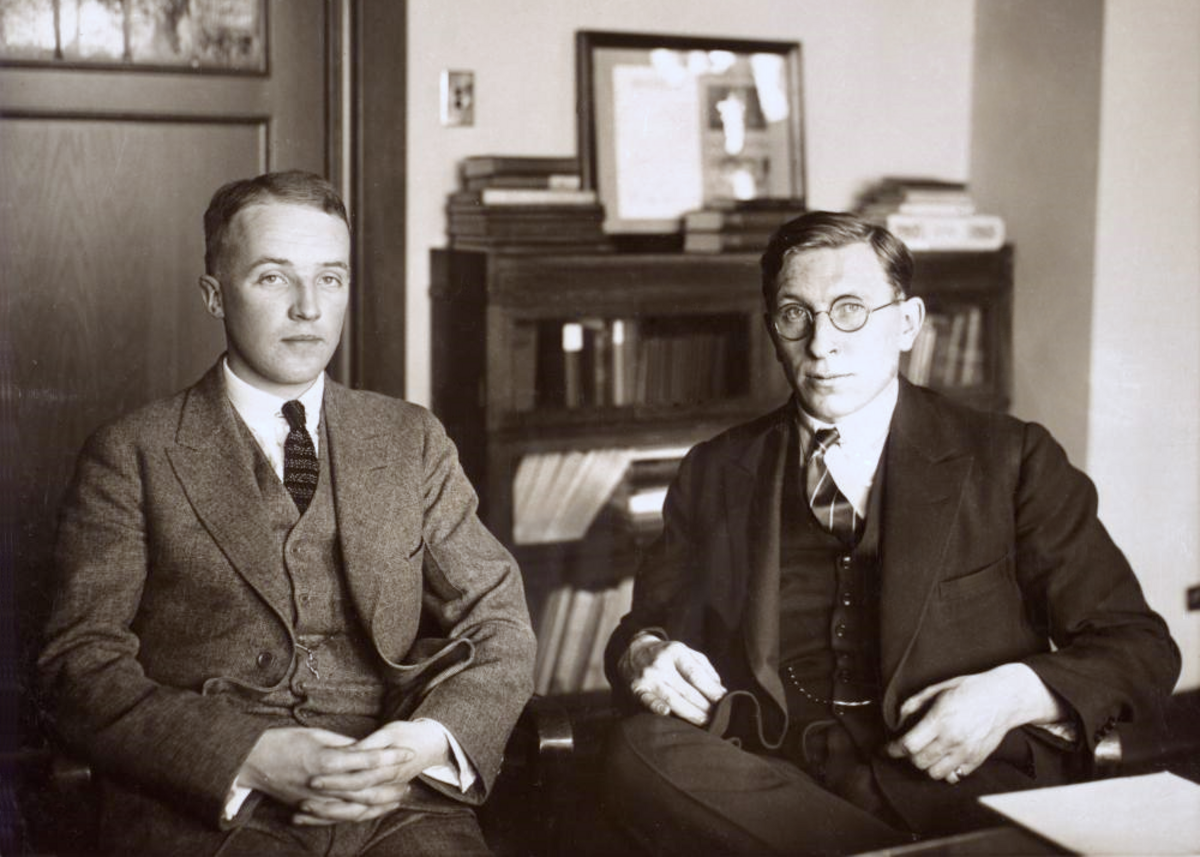
In 1922, researchers Frederick Banting and Charles Best entered a hospital ward full of children dying from diabetic ketoacidosis. Many were already in comas, their bodies shutting down from the lack of insulin.
Black and white photograph of Frederick Banting (right) and Charles H. Unknown author, Public domain, via Wikimedia Commons
The team began injecting the children with a newly purified extract. By the time they reached the last child in the room, the first ones were already waking up.
A gift to the world
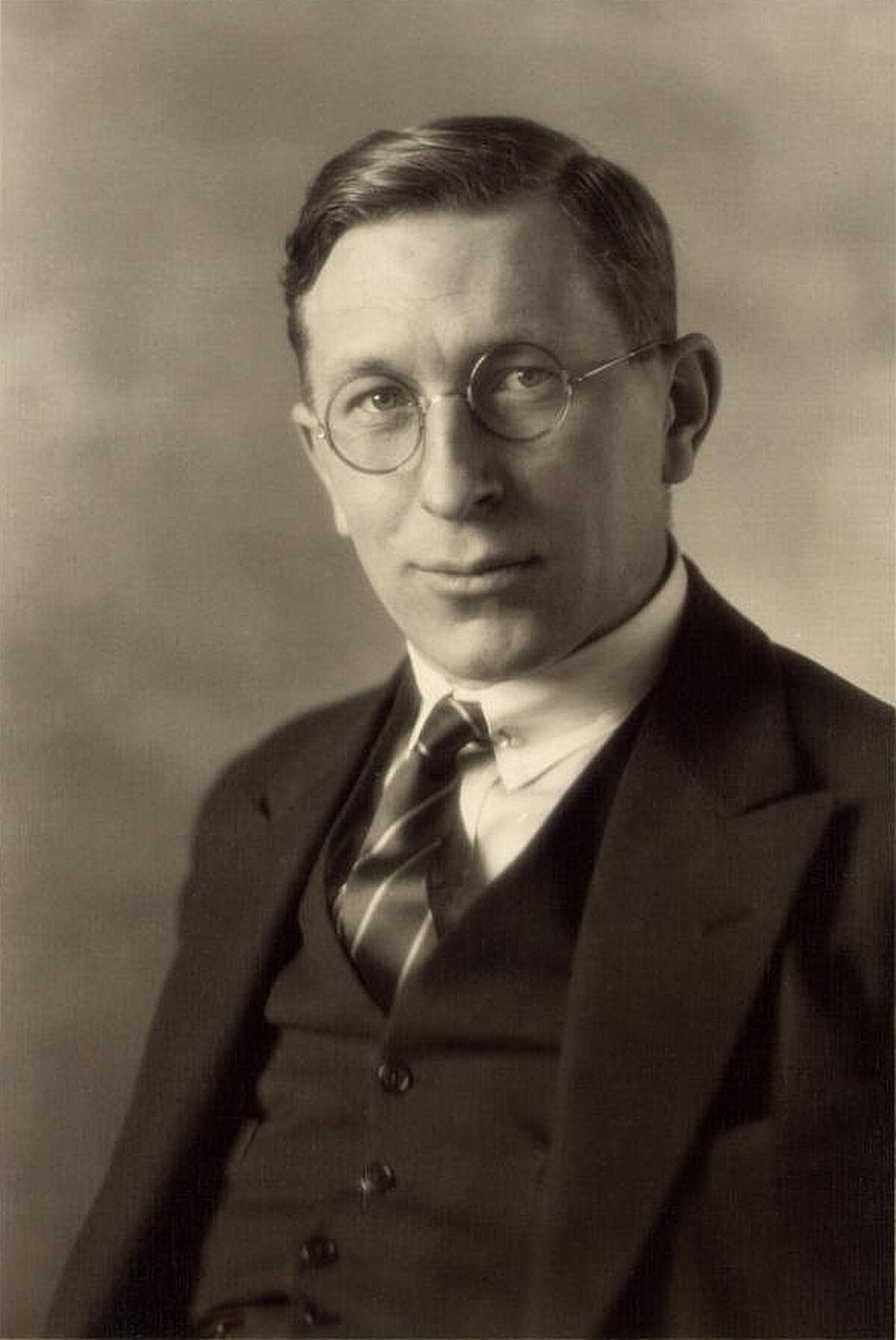
The discovery was so monumental that Banting refused to patent it for profit. He sold the rights for just one dollar, believing a life-saving discovery belonged to the world, not to the inventor.
A sepia-toned portrait of Frederick G. Louis Schmidt, Public domain, via Wikimedia Commons
Today, synthetic insulin remains the primary treatment for Type 1 diabetes.
How insulin manages blood sugar
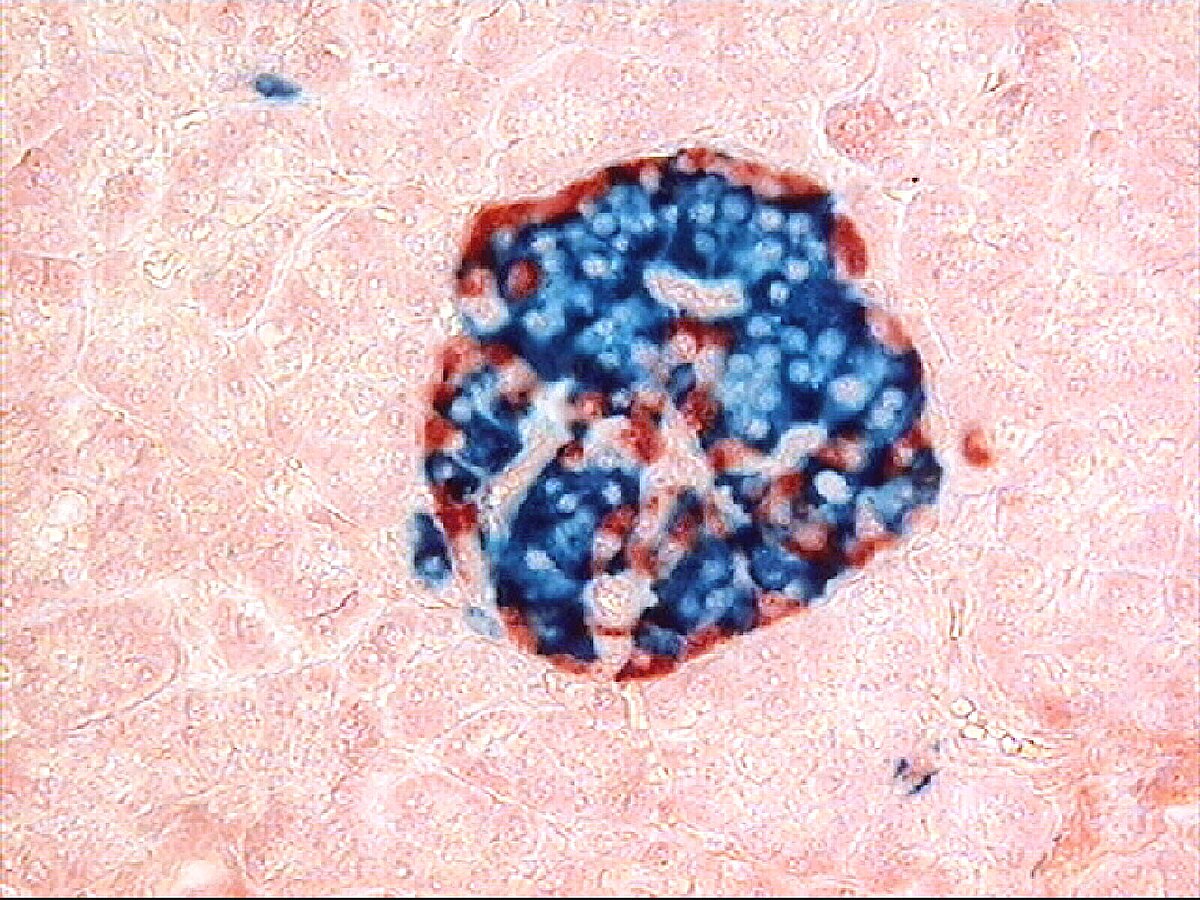
Beta cells in the pancreatic islets produce insulin in response to rising blood glucose levels. Once released into the bloodstream, insulin directs the liver, skeletal muscles, and fat tissue to absorb glucose. Inside these tissues, glucose is converted into glycogen through glycogenesis, or turned into fats through lipogenesis. It also blocks the liver from releasing stored glucose back into the blood.
Insulin acts in tandem with glucagon, a hormone secreted by neighboring alpha cells. When blood sugar drops, alpha cells increase glucagon secretion to trigger the liver to break down glycogen and release sugar. When blood sugar rises, beta cells release insulin and alpha cells dial back glucagon production. This balance maintains stable glucose levels throughout the body.
The protein structure of insulin
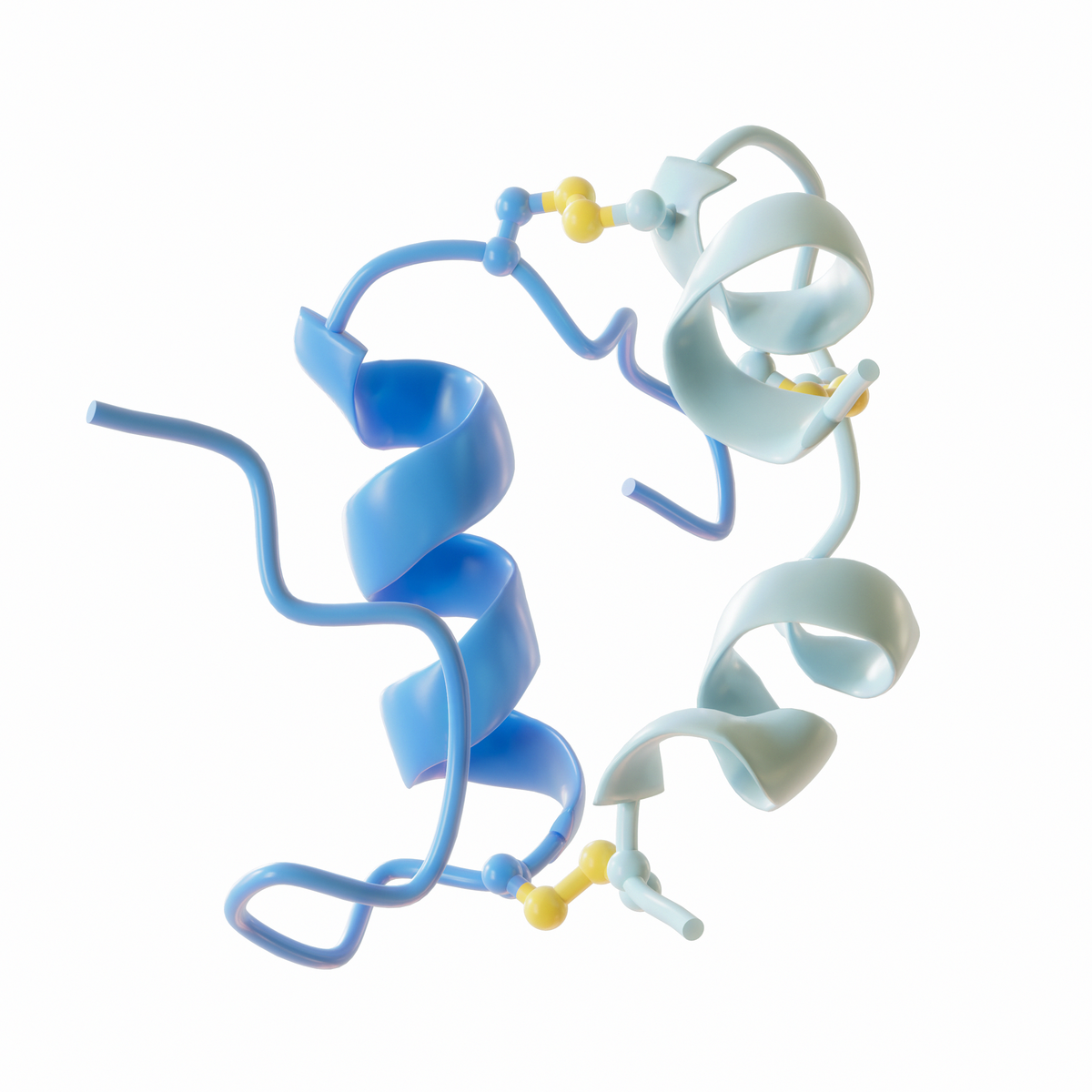
Human insulin consists of 51 amino acids arranged into two chains: an A-chain and a B-chain. These two chains are held together by disulfide bonds. Insulin holds several scientific milestones: it was the first peptide hormone discovered, the first protein ever fully sequenced, and the first protein produced using recombinant DNA technology.
This ribbon model reveals the distinct A and B protein chains of insulin linked together by disulfide bridges. User:AtikaAtikawa, CC BY-SA 4.0, via Wikimedia Commons
Before modern synthetic manufacturing, patients with diabetes relied on animal sources. Porcine insulin is remarkably close in structure to human insulin and was widely used for medical treatments. Outside of mammals, predatory cone snails use specialized forms of insulin in their venom to immobilize fish by inducing a rapid, debilitating drop in blood sugar.
Differences between Type 1 and Type 2 diabetes
When insulin activity drops or fails entirely, the body enters hyperglycemia, a state of elevated blood glucose. In type 1 diabetes, an autoimmune reaction destroys the pancreatic beta cells, preventing the body from synthesizing or secreting insulin. Patients require external insulin to survive.
Type 2 diabetes develops differently and is not caused by an autoimmune attack. Instead, beta-cell populations decline, the remaining cells secrete less insulin, peripheral tissues become resistant to insulin, and amyloid builds up in the pancreatic islets. Glucagon secretion remains elevated regardless of blood sugar levels, causing glucose to pool in the bloodstream.
Test yourself
How does insulin treatment help someone with Type 1 diabetes?
It helps glucose move from blood into cells. Insulin enables cells to take up glucose from the blood; the hormone does not itself provide energy or make glucose.
How does insulin help lower blood sugar?
It helps cells absorb glucose from the blood. Insulin promotes glucose uptake into cells, reducing glucose in the bloodstream. It does not simply convert blood glucose into fat.
After insulin helps cells take up glucose, what happens to blood glucose?
It tends to decrease. As cells absorb glucose from the blood, less remains circulating, so blood glucose tends to fall.
Play the lesson in edgi and the card is yours. It lands on your Map next to the ideas it connects to, and turns from matte to foil to gold as you learn more around it.
Human insulin is encoded by the INS gene, which is located on chromosome 11. Transcription of this gene increases in response to high blood glucose levels, guided by transcription factors like PDX1 and NeuroD1.
Who first isolated insulin?
Frederick Banting and Charles Best first isolated insulin from dog pancreases in 1921 while working in John Macleod's laboratory at the University of Toronto.