The tiny command centers
Perched atop your kidneys are two walnut-sized organs called adrenal glands. They look like tiny hats, but they are actually high-stakes command centers for your entire physiology.
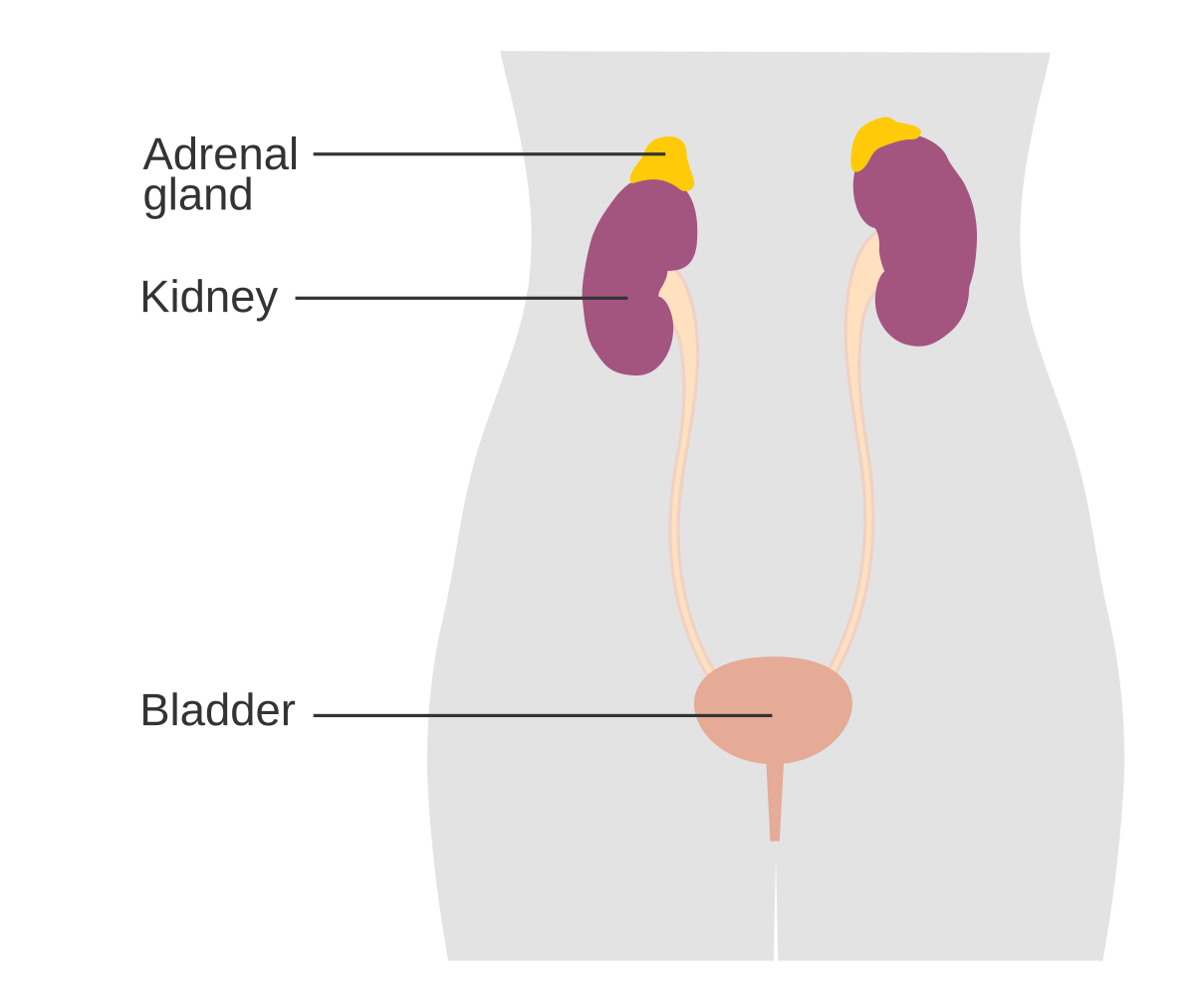
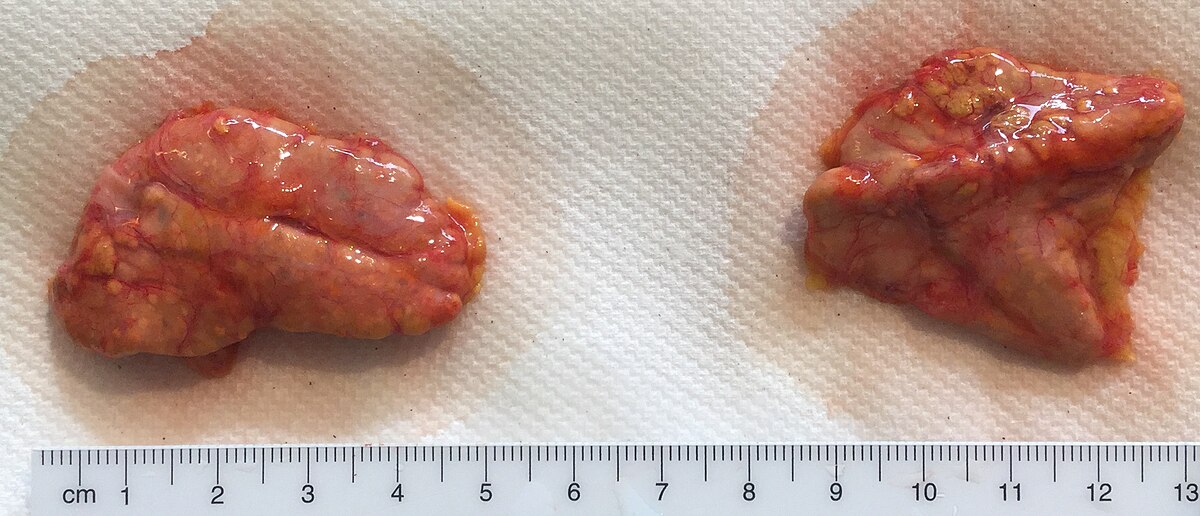
The adrenal glands are two small, yellowish organs located directly above your kidneys that produce essential hormones, which are chemical messengers released into the bloodstream. Each gland combines an outer cortex that regulates daily metabolism and blood pressure with an inner core that fires rapid emergency responses. Without the hormones they produce, the human body cannot survive.

By the edgi team We find the most surprising true thing about an idea and build a 60-second lesson around it.
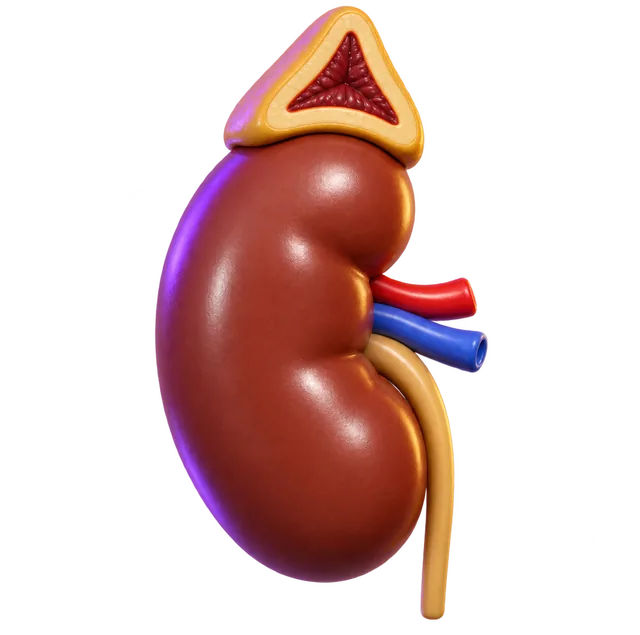
Perched atop your kidneys are two walnut-sized organs called adrenal glands. They look like tiny hats, but they are actually high-stakes command centers for your entire physiology.
These endocrine glands are split into two parts: an outer cortex and an inner medulla. The medulla is your quick-response team, firing adrenaline into your blood the instant you sense danger.
The cortex is your long-term manager, pumping out cortisol to regulate metabolism and keep your immune system in check.
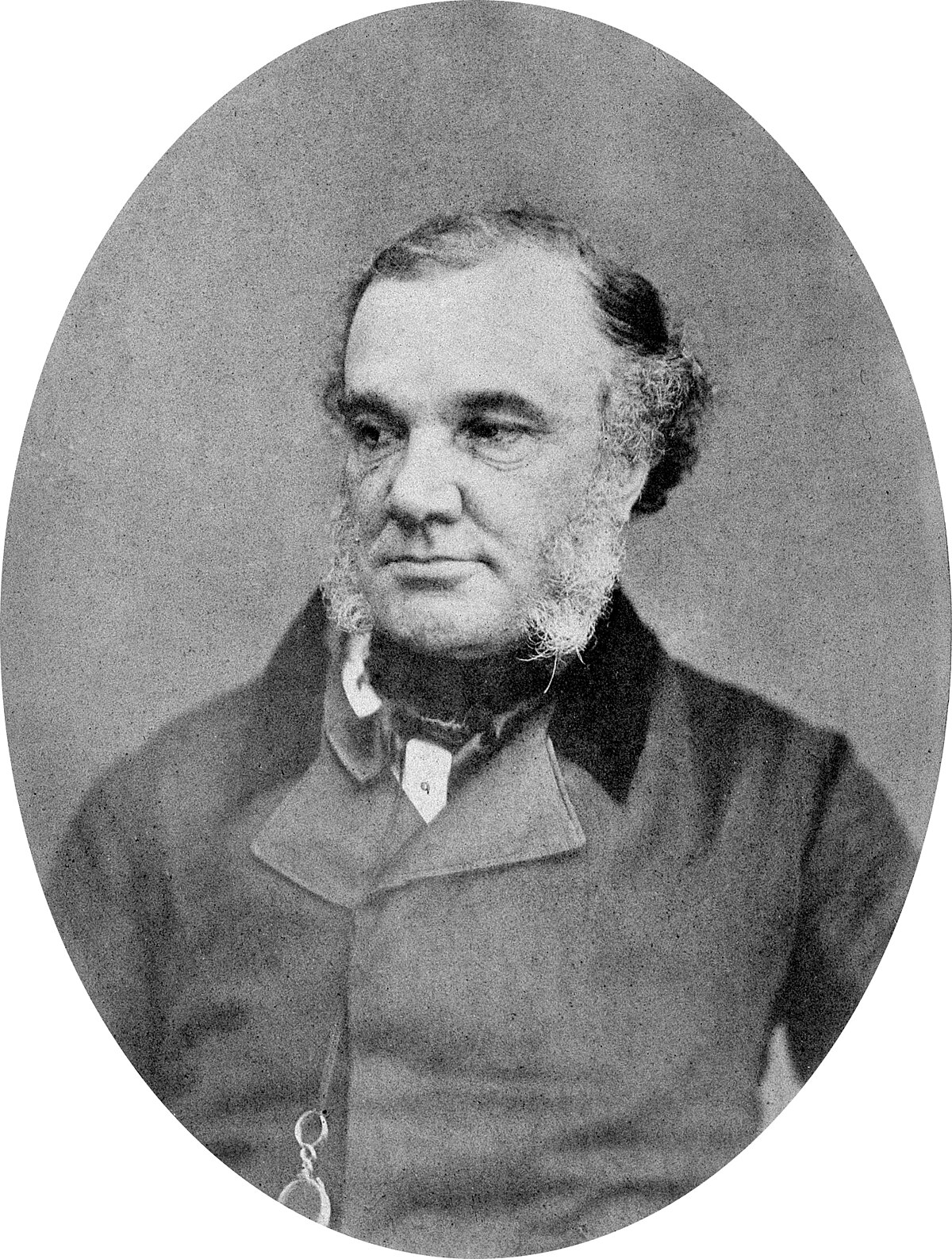
In the 1850s, physician Thomas Addison noticed patients with damaged adrenal glands were wasting away, suffering from extreme fatigue and skin discoloration. This fatal condition, now known as Addison's disease, proved just how vital these tiny organs are to keeping us alive.
Your fight-or-flight response evolved for predators, not email notifications. When the glands constantly pump cortisol for modern stress, it wears down your body’s systems.

You are effectively running a prehistoric survival protocol in a modern office.
Up to 60 small arteries feed each adrenal gland, giving these tiny organs one of the highest blood supply rates per gram of tissue in the entire body. Together, an adult's adrenal glands weigh between 7 and 10 grams, measuring about 5 cm long and up to 1 cm thick. The right gland is pyramidal, while the left is crescent shaped and slightly larger.
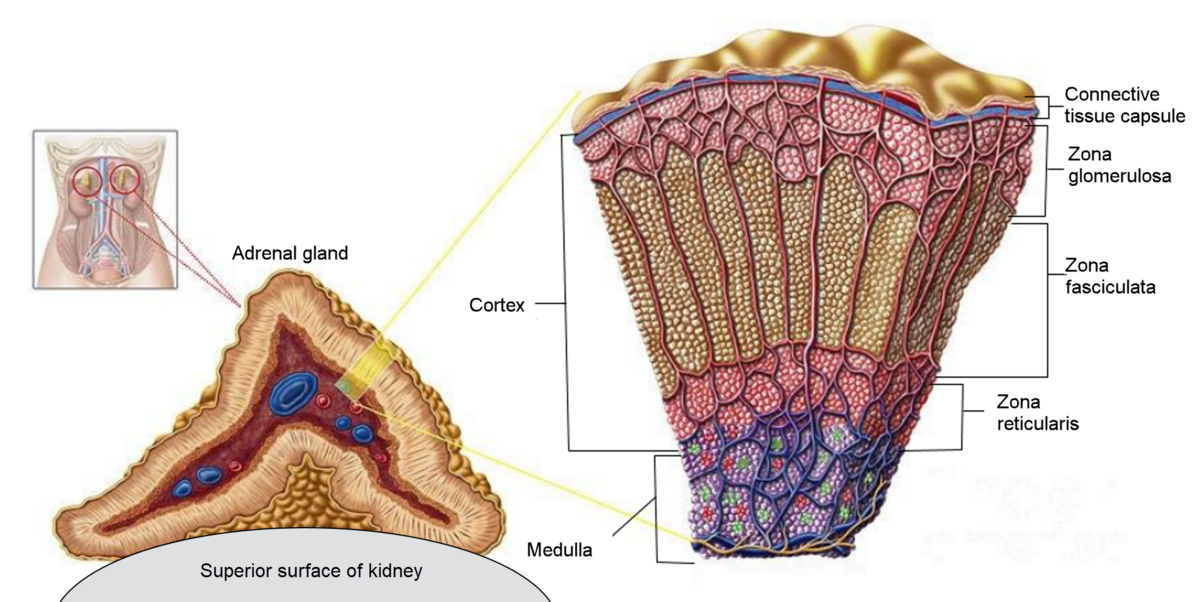
Both glands sit behind the abdominal lining, enclosed in a fatty capsule alongside the kidneys and attached to the diaphragm. A thin layer of connective tissue separates each gland from the kidney below it. Inside, every gland divides into two distinct functional units: an outer cortex and an inner core called the medulla.
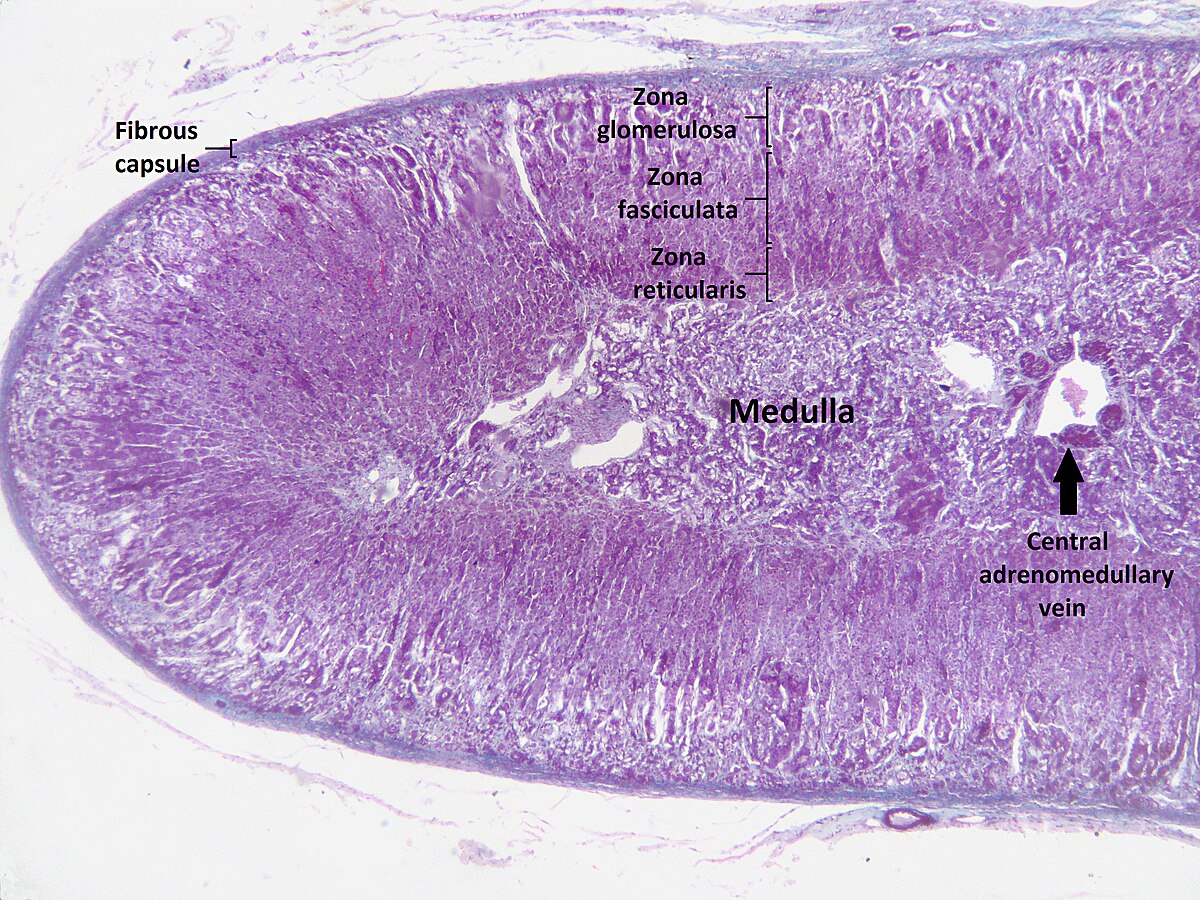
The outer adrenal cortex makes up the largest portion of the gland and is divided into three separate zones, each manufacturing different steroid hormones. The outermost layer, the zona glomerulosa, produces aldosterone to control long-term blood pressure and electrolyte balance. Directly below it lies the zona fasciculata, the largest zone, which accounts for nearly 80% of the cortex volume and synthesizes glucocorticoids like cortisol to manage metabolism and suppress immune activity.
The innermost cortical layer is the zona reticularis, which borders the medulla. Its cells produce androgens such as DHEA, which the gonads and other target organs later convert into fully functional sex hormones. The multi-step process of producing these steroid hormones within cortical cells is called steroidogenesis.
Unlike standard nerve junctions, the adrenal medulla acts as a specialized sympathetic ganglion that lacks synapses, dumping its secretions straight into the bloodstream. Chromaffin cells inside the medulla manufacture catecholamines, producing approximately 80% adrenaline (epinephrine) and 20% noradrenaline (norepinephrine).
Preganglionic nerve fibers originating from the thoracic spinal cord (vertebrae T5 to T11) drive these chromaffin cells directly. When sudden danger triggers the sympathetic nervous system, the medulla discharges its catecholamines at once, creating a rapid bodily stress response. Blood drains from the central adrenomedullary vein, an unusual vessel with longitudinal bundles of smooth muscle, into the main venous circulation.
During repeated work stress, which adrenal response may strain the body over time?
The cortex producing cortisol repeatedly. The cortex produces cortisol, and prolonged stress can keep this system active. Adrenaline is associated with the medulla's rapid response.
How do the adrenal medulla and cortex differ in their stress roles?
Medulla releases adrenaline quickly; cortex produces cortisol. The inner medulla supports a rapid response with adrenaline; the outer cortex produces cortisol, which helps regulate longer-term stress and other functions.
During repeated work stress, which adrenal response may strain the body over time?
The cortex producing cortisol repeatedly. The cortex produces cortisol, and prolonged stress can keep this system active. Adrenaline is associated with the medulla's rapid response.
Collectible card
Play the lesson in edgi and the card is yours. It lands on your Map next to the ideas it connects to, and turns from matte to foil to gold as you learn more around it.
Overproduction of cortisol leads to an endocrine disorder called Cushing's syndrome. The excess hormone disrupts standard metabolism and physiological regulation across the body.
Congenital adrenal hyperplasia is an inherited genetic condition caused by dysregulation in the endocrine control mechanisms of the adrenal glands. This genetic defect impairs the normal production of adrenal steroid hormones.
Venous blood empties via suprarenal veins. The right suprarenal vein drains directly into the inferior vena cava, while the left drains into the left renal vein or left inferior phrenic vein.
Part of the Set · 7 cards
Hormones don't message one cell. They blast every cell in your body at once and wait.
Lesson complete
You finished the lesson. In edgi, the card goes on your Map next to everything else you learn.