Leptin is a protein hormone made by fat cells that tells your brain how much energy your body has stored. When body fat levels rise, leptin signals the brain to suppress appetite and maintain normal energy use. Because of this feedback loop, falling leptin levels trigger powerful starvation responses to drive feeding.
By the edgi team We find the most surprising true thing about an idea and build a 60-second lesson around it.
Leptin is a hormone produced by your fat cells that acts as a long-term energy dashboard for your brain. High levels tell the hypothalamus you have enough fuel, effectively suppressing your appetite.
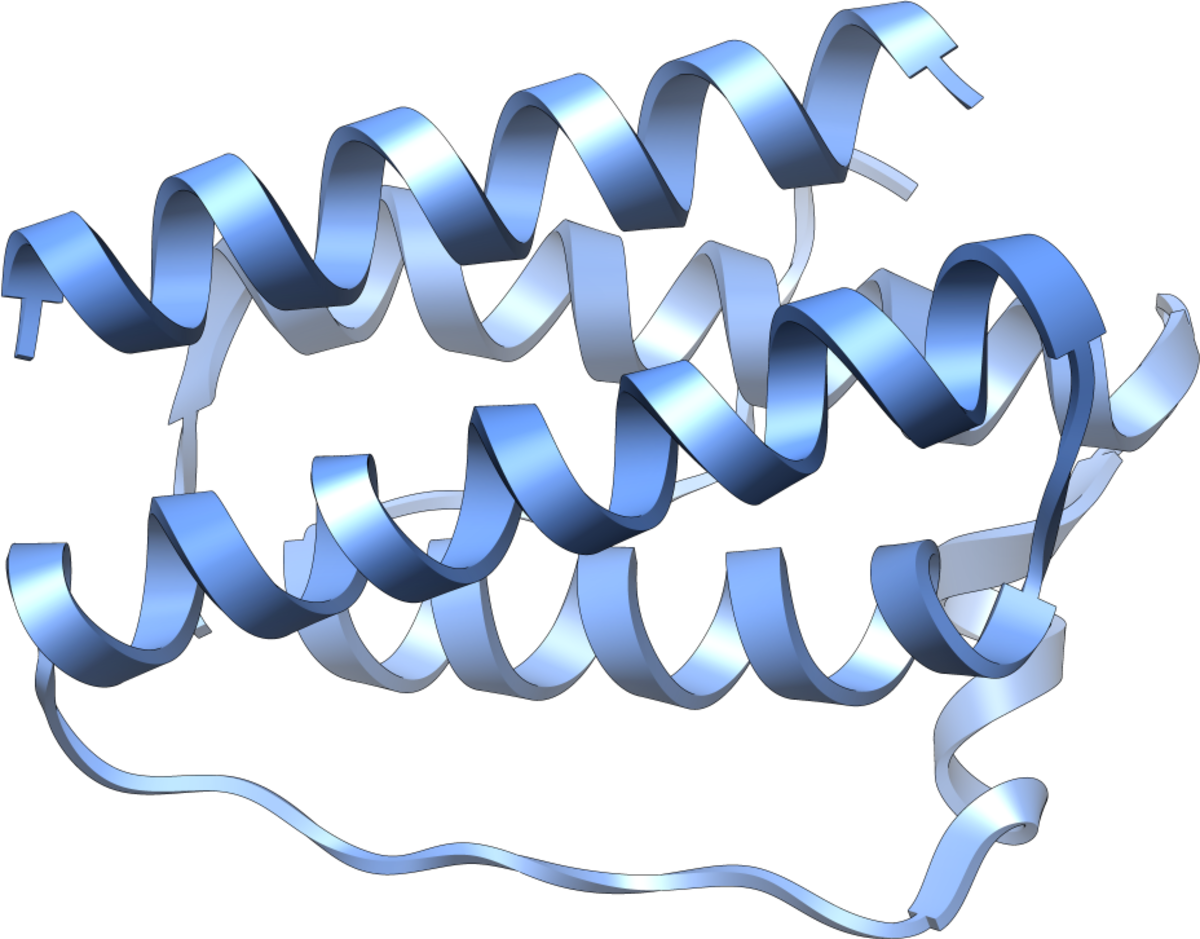
A 3D ribbon diagram of the protein leptin, showing its alpha-helical structure in shades of blue. Vossman, CC BY-SA 3.0, via Wikimedia Commons
When you lose fat, your leptin levels plummet, which triggers a biological famine response to slow your metabolism and force you to hunt for food.
The genetic key
In 1994, researcher Jeffrey Friedman identified the 'ob' gene by studying mice that ate uncontrollably until they were three times their normal size. These mice were missing the ability to make leptin, so their brains literally thought they were starving to death despite being morbidly obese.
A comparison of two white mice, with an obese mouse on the left and a normal-weight mouse on the right, illustrating the effects of leptin deficiency. The original uploader was Bigplankton at English Wikipedia. Later versions were uploaded by Sunholm at en.wikipedia., Public domain, via Wikimedia Commons
Replacing the hormone stopped their overeating, proving that hunger is a chemical command rather than a simple failure of willpower.
The cruel paradox
Human obesity is rarely caused by a lack of leptin. Usually, it is caused by leptin resistance. The more fat you have, the more leptin you produce. Eventually, the brain stops responding to the constant, loud signal.
Your body becomes deaf to its own satiety, meaning you can be physically full while your brain is still convinced you are starving.
How leptin signals hunger and fullness
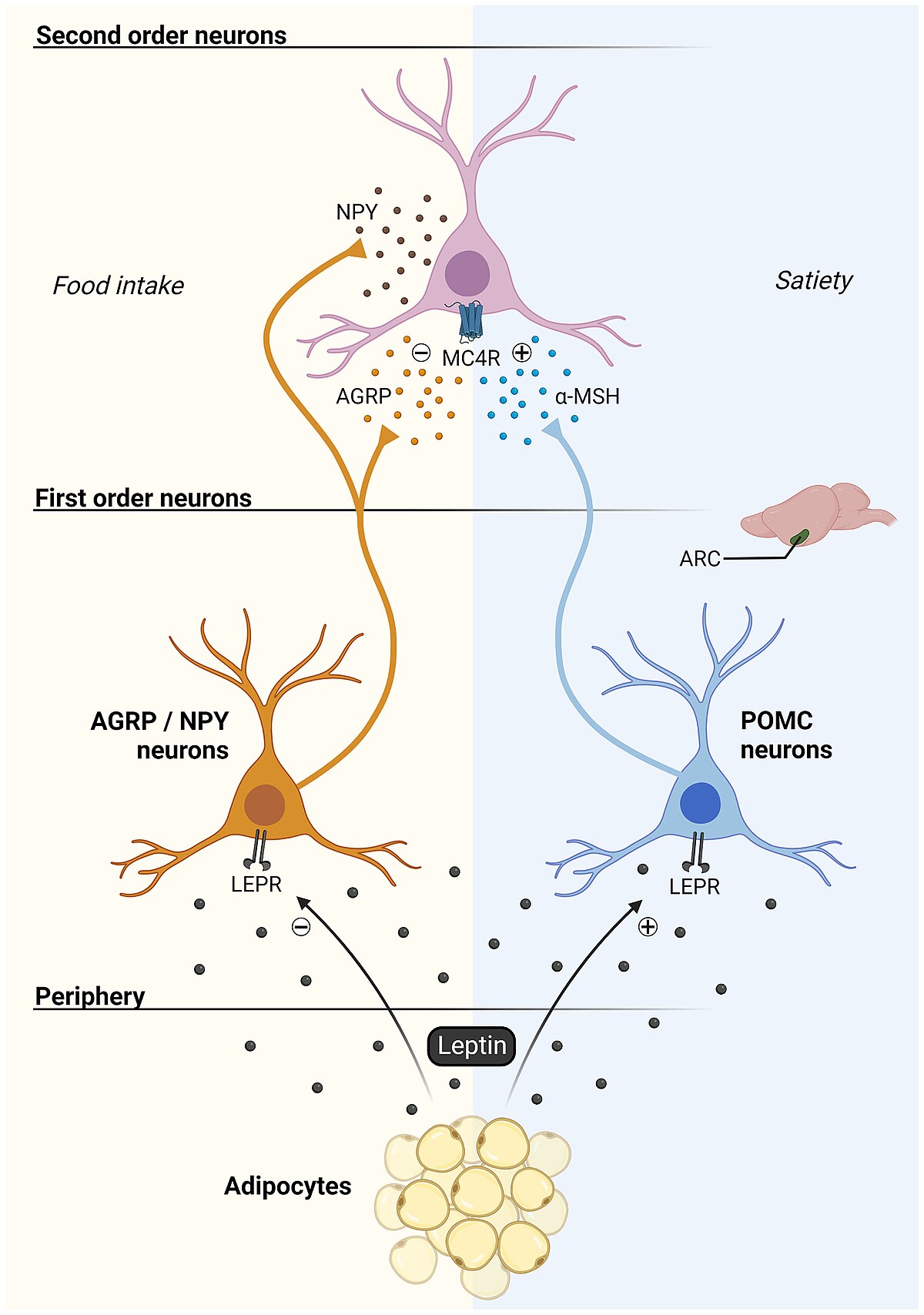
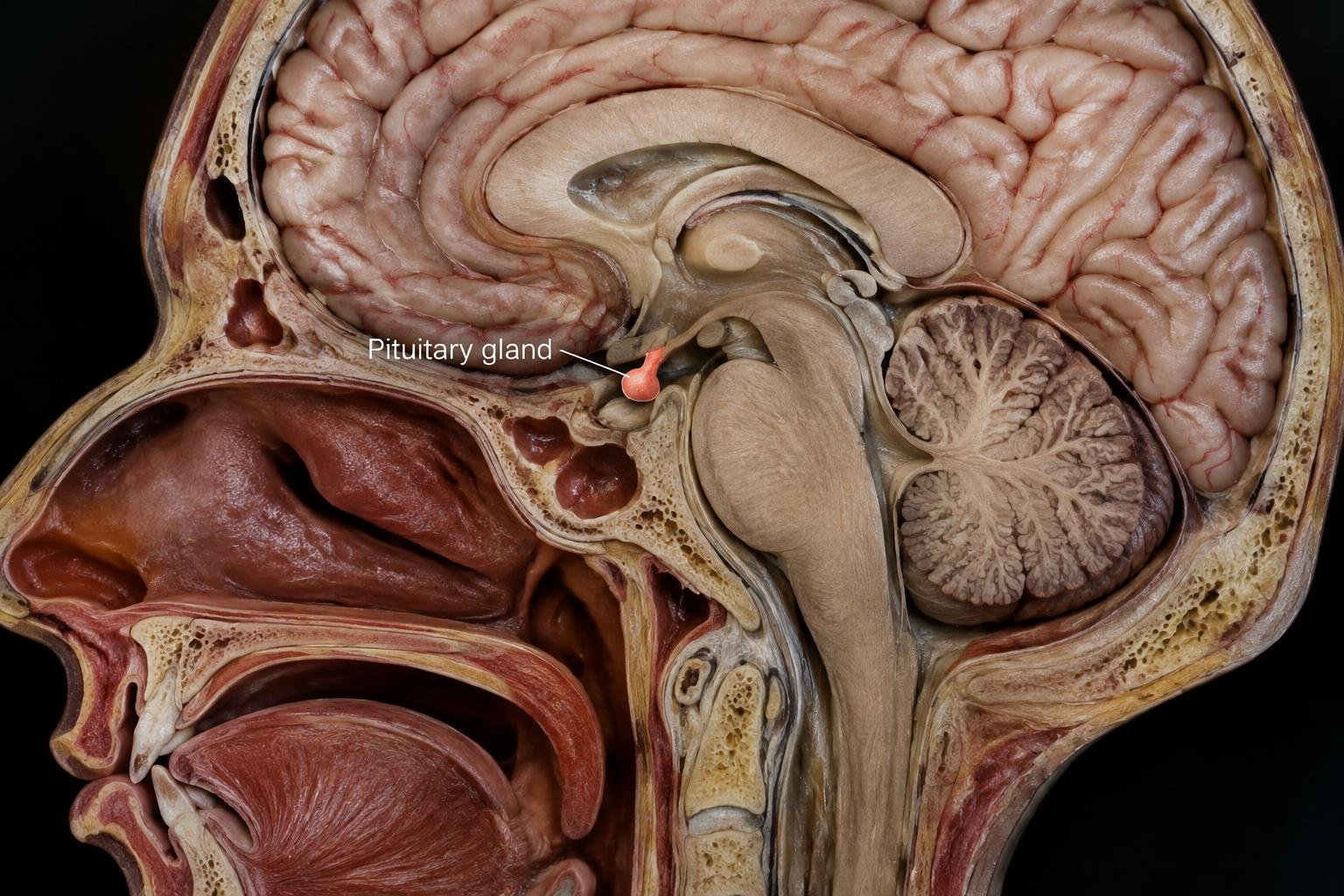
The hormone delivers its signal by crossing into the central nervous system through the choroid plexus and binding to receptors in the hypothalamus. Inside the lateral hypothalamus, leptin shuts down hunger signals by blocking hunger promoters like neuropeptide Y and anandamide, a compound that binds to the same receptors as THC.
At the same time, leptin acts on the medial hypothalamus to trigger satiety by promoting alpha-MSH, a hunger-suppressing chemical. Outside the hypothalamus, leptin receptors on dopaminergic neurons in the ventral tegmental area and cells in the hippocampus help coordinate feeding behaviors, learning, and memory.
Why extra leptin fails to stop weight gain
Because fat cells make leptin, circulating levels of the hormone increase directly with the amount of stored body fat. A person with substantial adipose tissue produces vast amounts of leptin, yet their appetite may not drop.
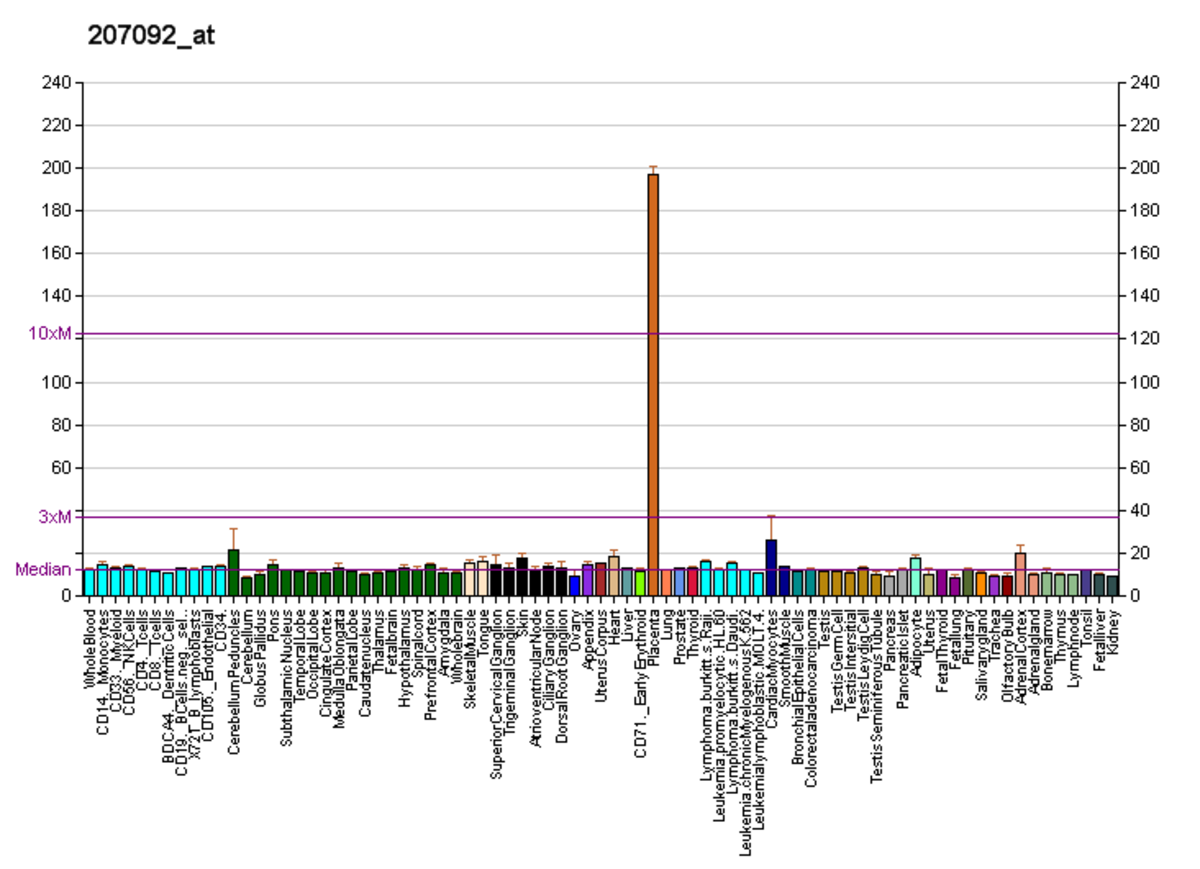
A tissue expression chart highlighting how the LEP gene is overwhelmingly active in adipocytes compared to all other body tissues. AndrewGNF at en.wikipedia, CC BY-SA 3.0, via Wikimedia Commons
This breakdown is known as leptin resistance, similar to insulin resistance in type 2 diabetes. When brain receptors face constant exposure to high leptin levels, they lose sensitivity to the signal. The brain interprets this lack of clear signaling as starvation, driving hunger despite abundant energy reserves.
Play the lesson in edgi and the card is yours. It lands on your Map next to the ideas it connects to, and turns from matte to foil to gold as you learn more around it.
A total lack of leptin prevents the brain from ever registering that energy stores exist. The body enters a continuous biological famine response, causing uncontrollable eating, extreme obesity, and altered brain protein function. Injections of leptin restore normal signaling and halt the overeating.
Does sleep affect leptin levels?
Partial sleep deprivation decreases circulating leptin levels in the body. Meanwhile, melatonin interacts with insulin to raise leptin during sleep, which suppresses appetite throughout the night.
What does leptin do outside the brain?
In peripheral tissues, leptin acts on single-transmembrane-domain cytokine receptors to regulate immune cells, beta islet cells, and growth factors. It also helps modulate fetal and maternal metabolism and serves as a permissive factor in puberty.