Learned optimismWhy how you explain defeat matters
Learned optimism is the skill of consciously challenging negative self-talk when dealing with setbacks. Instead of viewing bad events as permanent personal flaws, a person learns to treat them as temporary, specific situations. Martin Seligman showed that this explanatory habit can be retrained at any point to build resilience and improve health.
By the edgi team We find the most surprising true thing about an idea and build a 60-second lesson around it.
Two people lose the same client. One thinks: I handled that call badly. The other thinks: I am bad at this, I have always been bad at this, and I am bad at most things. Read the second one again. "Always" makes it permanent. "Most things" makes it wide. "I am" puts it in the person rather than in the call.
Those three are what vary, and Martin Seligman's claim is that which ones you reach for is a habit rather than a mood. He called it your explanatory style. An optimistic style takes bad events as temporary, narrow and about the situation, and good events the other way round. Seligman's name for swapping the habit is learned optimism.
It predicted who quit
In 1986 Seligman and Peter Schulman handed that questionnaire to new agents at Metropolitan Life, then waited two years. Selling life insurance by cold call is mostly rejection. Agents in the more optimistic half sold 37 percent more over those two years.
The bigger number was who stayed. The pessimistic half quit at twice the rate in the first year. Each rejection felt like a verdict, not one call that did not land.
The part you can run
Seligman's method for changing it, borrowed from Albert Ellis, has one real move in it. Say the sentence back to yourself as though somebody else had said it about you. Then argue with it the way you would argue with them. Not by insisting things will be fine, but by going after the three parts one at a time.
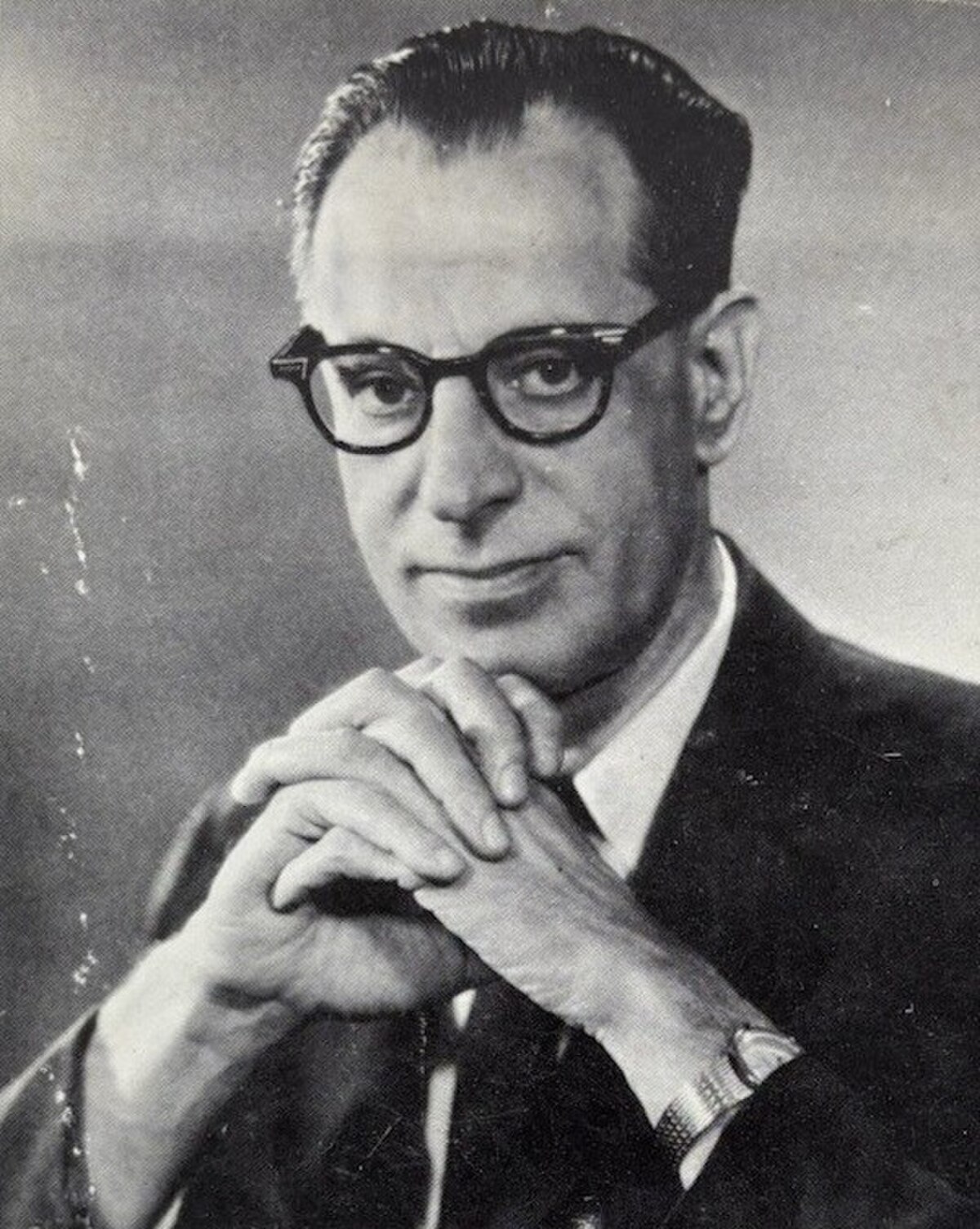
A black and white portrait of Albert Ellis, showing him wearing glasses and a suit, with his hands clasped under his chin. Unknown authorUnknown author, Public domain, via Wikimedia Commons
Is it really permanent, or is that just today? Is it really wide, or is it this one thing? Is it really you, or is some of it the situation you were in? That is the whole bet. Your account of a bad day is not a report on what happened. It is a claim, and a claim is the kind of thing that can be wrong.
How explanatory style works
Martin Seligman found that the difference between optimists and pessimists comes down to explanatory style, which relies on three distinct dimensions: permanence, pervasiveness, and personalization.
Permanence measures how long a person expects a setback to last. Pessimists see negative events as permanent fixtures, while optimists view them as temporary blips. When something good happens, optimists credit long-lasting reasons, whereas pessimists treat positive events as temporary flukes.
Pervasiveness describes whether a failure ruins everything or stays confined to one area. Pessimists let a single failure bleed across their entire life, while optimists compartmentalize trouble. Personalization covers blame: optimists view bad outcomes as external or situational, whereas pessimists internalize failure and blame themselves.
From learned helplessness to learned optimism
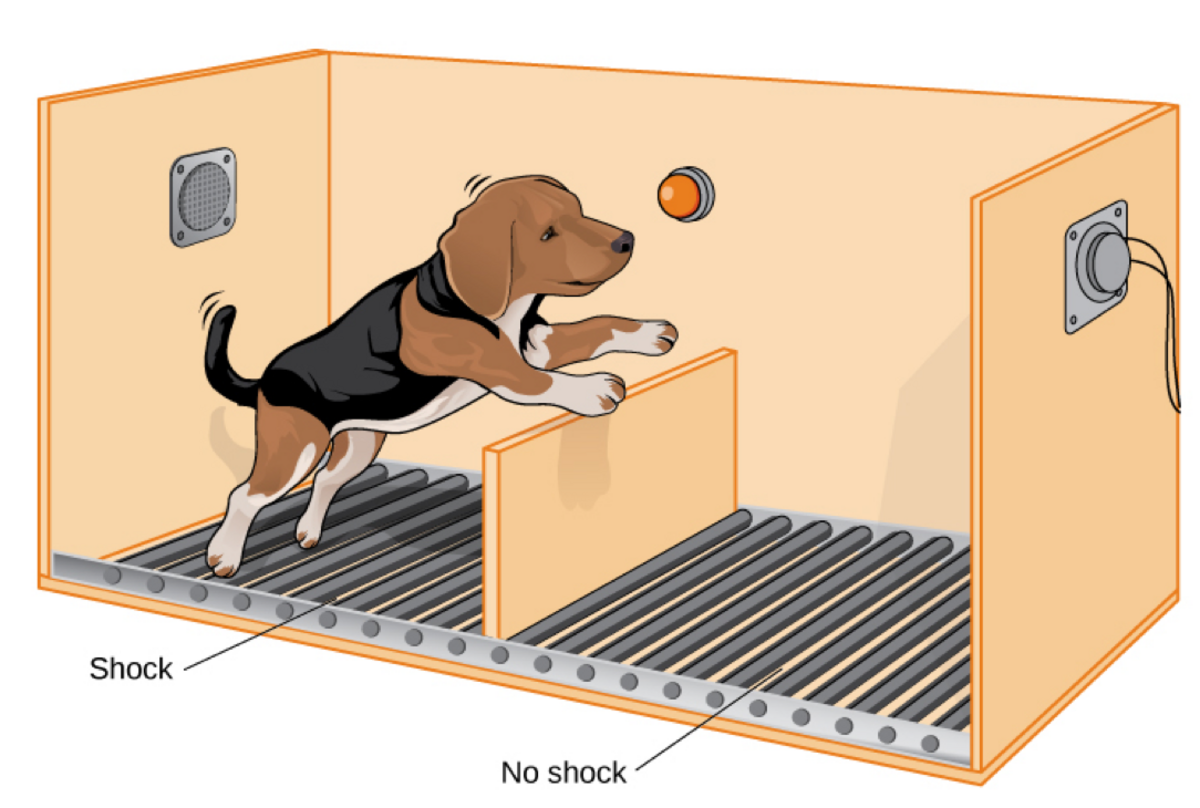
Seligman originally studied learned helplessness in the 1960s and 1970s, watching how recurring negative events outside an individual's control could condition them to stop trying. During those tests, he noticed a puzzle: some individuals consistently resisted helplessness conditioning.
The people who resisted helplessness blamed the experiment for setting them up rather than blaming themselves. Seligman shifted his focus to studying what kept these people resilient, realizing that optimistic interpretation protected them from giving up.
To teach this outlook, Seligman adapted Albert Ellis's ABC model, which breaks an experience into the Adversity, the Belief about that adversity, and the Consequences that follow. Changing the internal belief changes the emotional and behavioral consequence.
What the research shows
In a study by Seligman and Gregory Buchanan at the University of Pennsylvania, college freshmen trained in learned optimism workshops showed significantly lower rates of moderate to severe depression and anxiety over an 18-month follow-up compared to an untreated control group. Workshop participants also reported fewer physical health problems.
The effects extend beyond individuals to those around them. Mark Ylvisaker and Timothy Feeney studied children with executive function impairments affecting memory, motor skills, or focus. When caretakers learned optimism techniques, the children developed higher functioning than children whose caretakers did not receive the training.
Test yourself
You have just told yourself you are hopeless at this and always have been. On Seligman's method, what is the next move?
Check whether it is really permanent, really that wide, and really all you. The move is an argument against a specific sentence, run on evidence. Swapping in a nicer thought skips the step where the original claim gets tested, and the original claim is the thing doing the damage.
Someone with an optimistic explanatory style lands a big client. How do they explain it to themselves?
As something they did, and can do again. The style is an asymmetry, not a mood. Bad events get read as temporary, narrow and situational; good events get read the other way, as lasting, wide and yours. Reading both the same way is not optimism, it is just consistency.
Play the lesson in edgi and the card is yours. It lands on your Map next to the ideas it connects to, and turns from matte to foil to gold as you learn more around it.
What is the Ellis ABC model used in learned optimism?
The ABC model divides an experience into three steps: Adversity (the event), Belief (how you interpret the event), and Consequences (the feelings and actions that follow). Changing the Belief alters the Consequence.
How does learned optimism affect physical health?
Studies show that learning optimism reduces physical health complaints over time. In a university trial tracking freshmen across 18 months, participants who completed learned optimism training reported fewer health problems than the control group.
Can learned optimism benefit caregivers and rehabilitators?
Yes. Research on children with brain functioning impairments showed that teaching learned optimism to caretakers directly improved the functional development and outcomes of the children in their care.