Practice: why comfortable repetition fails on tests
Practice is the act of rehearsing a behavior repeatedly to help learn, maintain, or master a skill. How well a person improves depends far more on how they structure their practice than on simple repetition. Engaging with challenging, unmastered tasks and getting immediate feedback produces durable learning that comfortable rehearsal fails to deliver.
By the edgi team We find the most surprising true thing about an idea and build a 60-second lesson around it.
In 2007 Doug Rohrer and Kelli Taylor taught college students the volume formulas for four unusual solids. Each of them then got thirty-two practice problems, with the worked answer shown after each one. Half of them got all eight problems on one solid together, then moved on. That is blocked practice. The other half got the same thirty-two shuffled, so nothing told them which formula was coming.
During the practice problems the blocked half were right 89 percent of the time and the shuffled half managed 60. Same lesson, same problems, same worked answers. The order was the only difference. A week after the last practice, both halves sat the same test. The blocked half scored 20 percent. The shuffled half scored 63, more than three times as much.
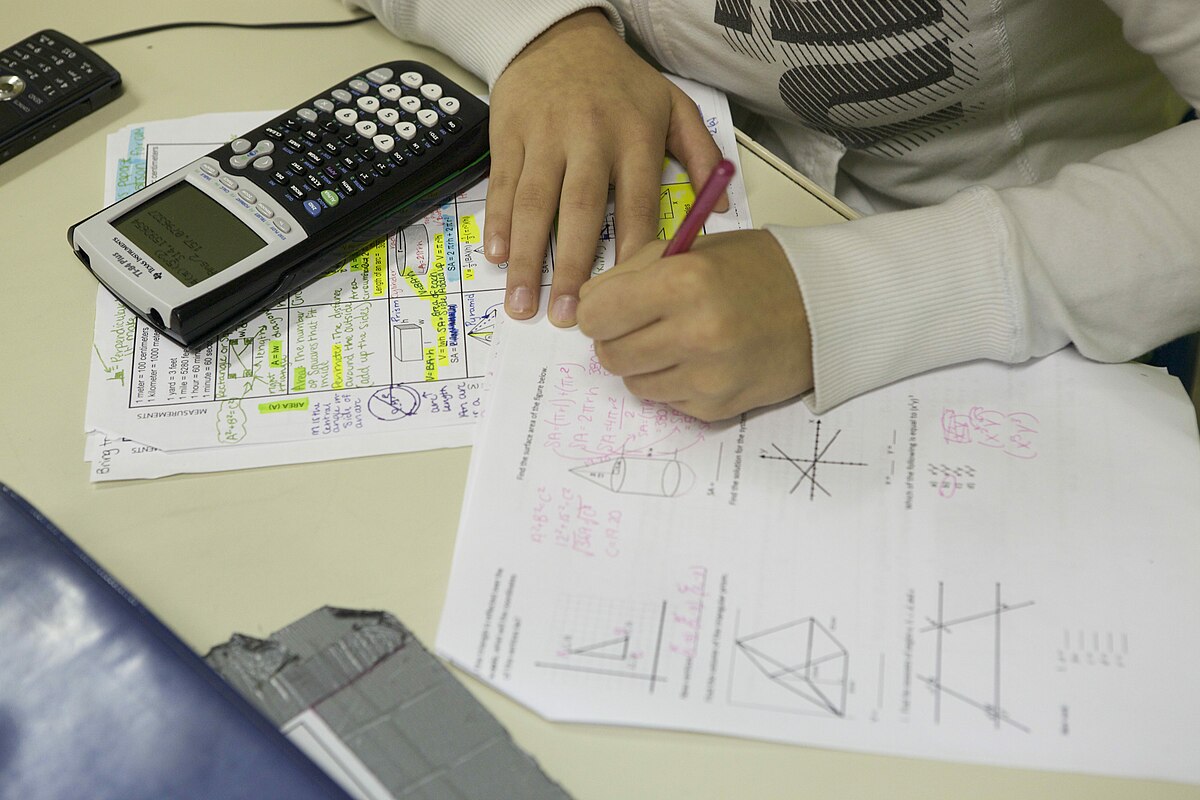
A student works on math problems with a graphing calculator and a pencil. US Department of Education, Public domain, via Wikimedia Commons
The part the blocked half skipped
In a blocked set you know the formula before you read the problem. Eight spheroids in a row, and by the third one you are not working out what kind of problem this is. You are doing the arithmetic. Shuffled, every problem starts with a question the blocked set never asked: which of the four is this one? That is most of what the test demanded, and the blocked half had never practiced it.
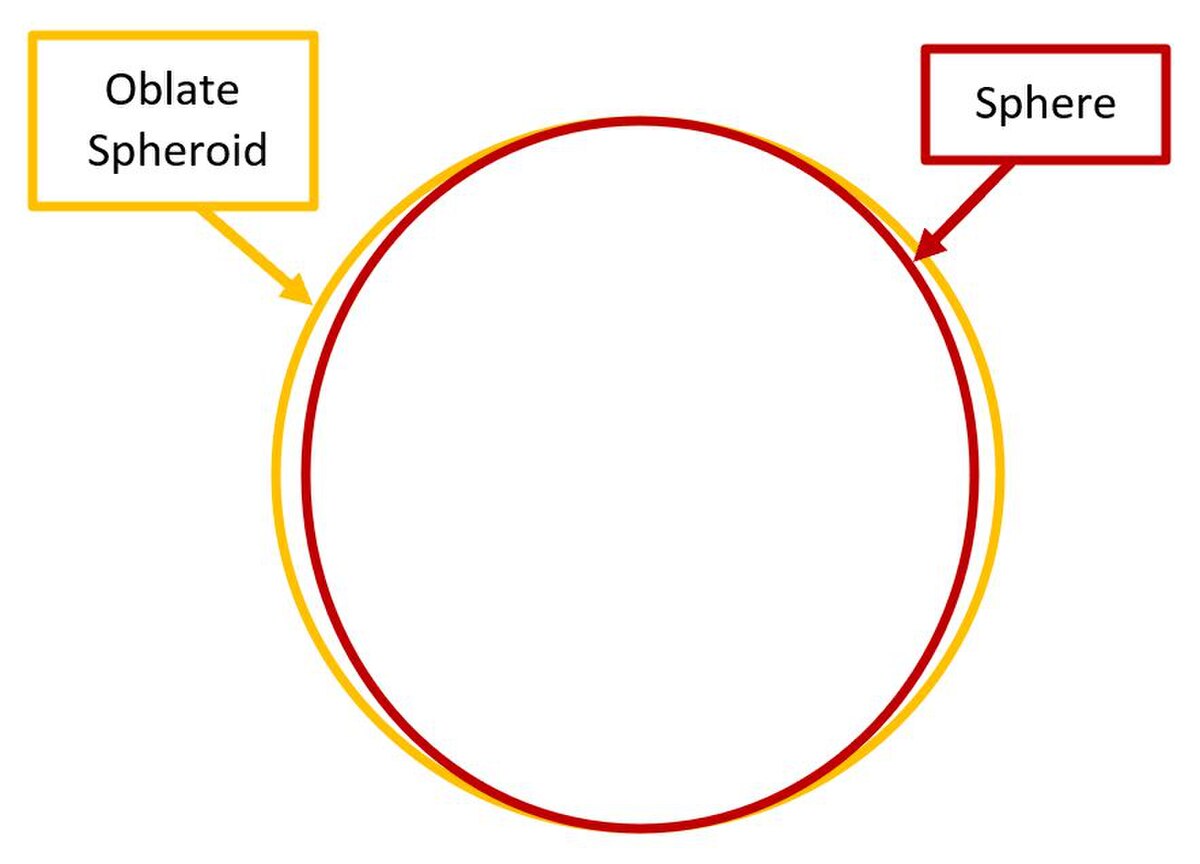
A diagram comparing an oblate spheroid and a sphere, showing the oblate spheroid (yellow outline) as slightly flattened at the poles and bulging at the equator compared to the perfect sphere (red… Metathrope, CC BY-SA 4.0, via Wikimedia Commons
The same split sits inside any skill. Practice covers both sessions: playing the scale you can already play, and starting cold on the four bars you keep fumbling. Only the second contains what you cannot do yet.
The hours are not the unit
Anders Ericsson spent forty years studying what experts do with their hours. He gave the kind of session that works a name, deliberate practice: aim at something you cannot do yet, get feedback at once, go again. The ten thousand hours attached to his name came from a 1993 study of violin students in Berlin. It was the average number of hours the best group had practiced alone by age twenty, and Ericsson said those students were nowhere near masters.
Black and white photograph of three Shimer College students engaged in a discussion around a table, likely as part of their core curriculum. Shimer College, CC BY 2.0, via Wikimedia Commons
People turned that average into a rule, and Ericsson objected to it for the rest of his life. Hours tell you how long somebody has been at something. They say nothing about whether a given hour contained the hard part.
What a hard session leaves you
Albert Bandura studied where confidence in a skill comes from. The strongest source of self-efficacy, your sense that you can do a thing, is having done it. Being told you can comes well behind. That is why a month of comfortable sessions can leave you no braver. You get fluent at the parts you already had, and the thing you were actually worried about is still untested.
A practice session where you keep getting it wrong, like the shuffled group's, is doing two jobs at once. It builds the part that transfers, and it hands you the strongest evidence there is about what you can do.
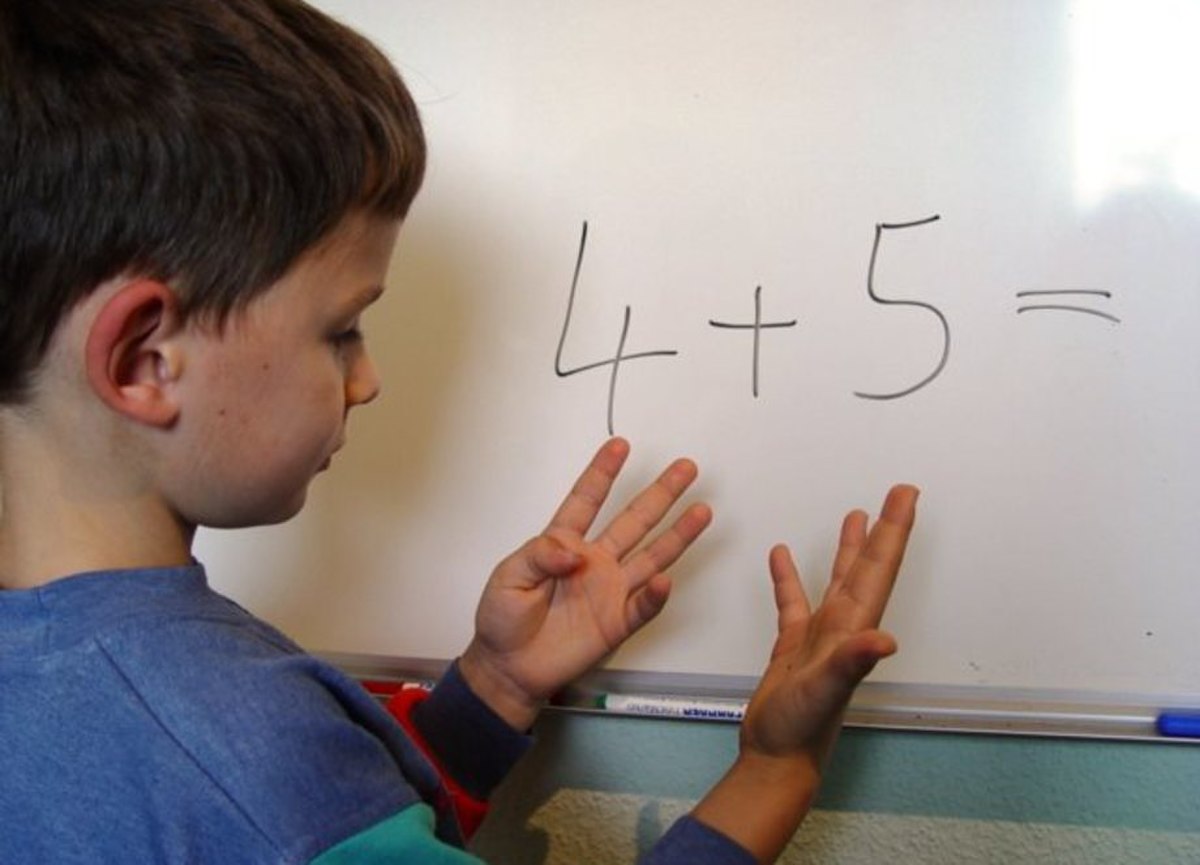
A young boy calculates with his fingers while looking at the equation "4 + 5 =" written on a whiteboard. Dr. Klaus Retzlaff at German WikipediaOriginal text: Autor des Bildes: Dr. Klaus Retzlaff, CC BY-SA 3.0, via Wikimedia Commons
What makes practice work
In a 2007 experiment by Doug Rohrer and Kelli Taylor, college students practicing geometry problems in blocked sets performed worse a week later than students whose problems were shuffled, scoring 20 percent compared to 63 percent.
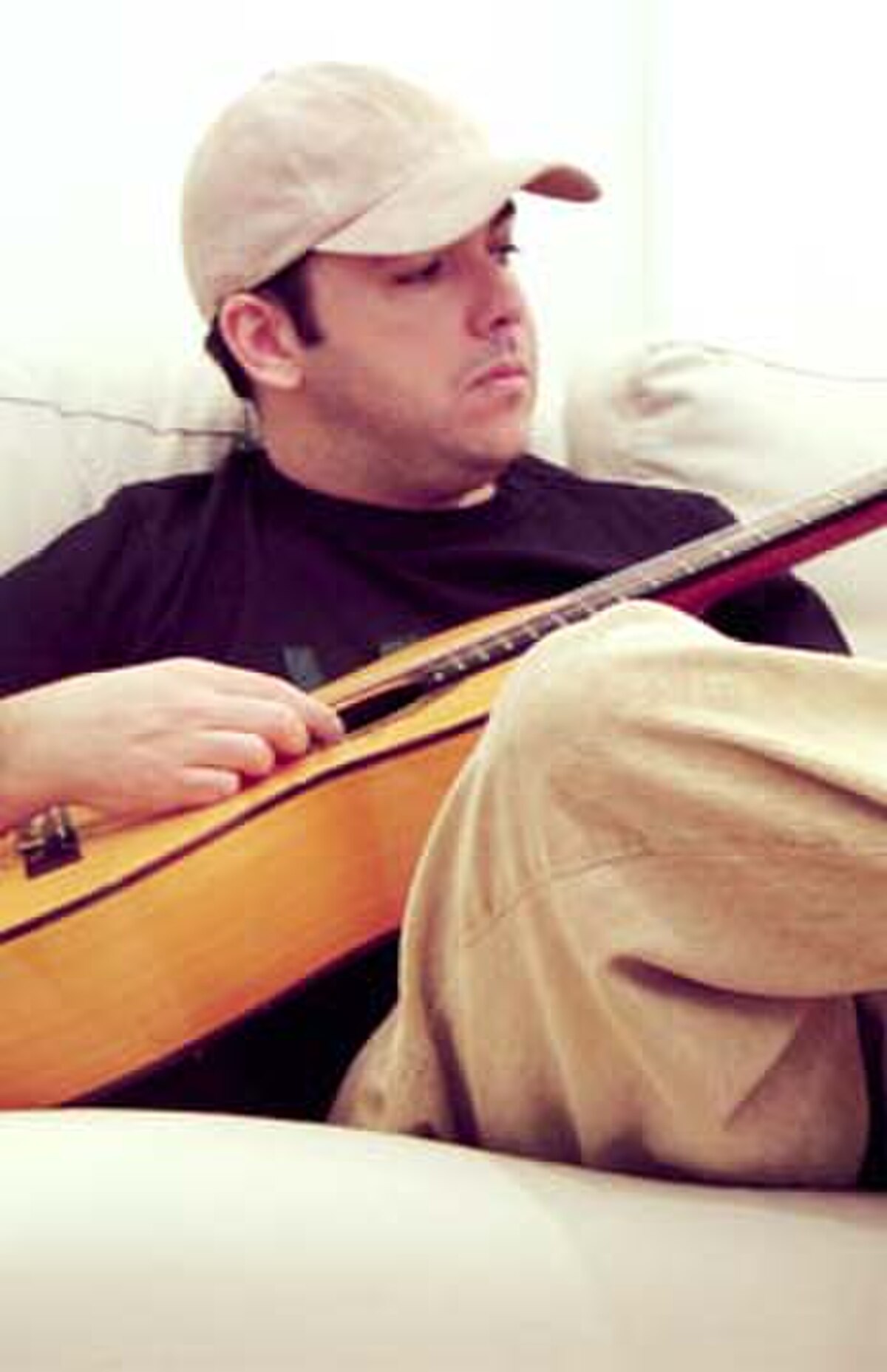
Musicians practice specific techniques repeatedly to refine skill chunks and prepare for performance. Dieznegritos, CC BY-SA 4.0, via Wikimedia Commons
Practice is common across sports, musical training, martial arts, and workplace tasks like operating a POS system. How effectively one improves depends on frequency and the type of feedback received. Inappropriate feedback makes practice ineffective or detrimental, while practicing too infrequently causes reinforcement to fade.
Simple verbal information may require only one repetition, while concepts may need three and physical routines like dance movements require many repetitions before evaluation.
What is deliberate practice?
Psychologist K. Anders Ericsson showed that expertise comes from how one practices rather than innate talent or raw hours logged. In deliberate practice, a learner breaks a domain into specific skill chunks, targets tasks they cannot do yet, and seeks immediate feedback to correct mistakes.
Ericsson argued that differences between experts and normal adults reflect a lifelong period of deliberate effort rather than fixed genetic traits, with rare exceptions such as height. Even anatomical characteristics once thought fixed can adapt to intense practice over multiple years.
Researchers like Angela Duckworth found that students who focus on material they struggle with achieve better academic outcomes, including advancing in competitions like the National Spelling Bee.
Test yourself
You have an hour to practice a piece you keep fumbling in one bar. How should you spend it?
Start on the bar you fumble, cold. Deliberate practice aims at the specific thing you cannot do yet and gets feedback on it. Playing through mostly rehearses the bars you already have.
You get nearly every practice problem right. What does that score tell you?
Mostly how easy the session was. In Rohrer and Taylor's study the half scoring 89 percent during practice scored 20 percent a week later. A high practice score mostly records how much the session handed you.
Play the lesson in edgi and the card is yours. It lands on your Map next to the ideas it connects to, and turns from matte to foil to gold as you learn more around it.
The word comes from the Greek praktike, meaning fit for or concerned with action. It derives from the verb prasso, which means to achieve, bring about, or accomplish.
What is the 10,000-hour rule?
The number comes from a 1993 study by Anders Ericsson of violin students in Berlin, where top students had practiced alone for an average of 10,000 hours by age twenty. Ericsson objected to treating this average as a rule, arguing that raw hours do not measure whether deliberate, challenging practice took place.
How does practice affect self-confidence?
According to psychologist Albert Bandura, the strongest source of self-efficacy is personal mastery, which means having successfully performed the task yourself. Rehearsing familiar material leaves harder challenges untested, while working through difficult practice provides direct evidence of capability.