Margin is the collateral (cash or securities) an investor deposits with a broker or exchange to cover the risk of borrowed money or assets. It allows traders to borrow funds to purchase more assets or short sell securities they do not own. Because these positions use borrowed capital, small market swings can trigger sudden demands for more cash or force an immediate sale.
By the edgi team We find the most surprising true thing about an idea and build a 60-second lesson around it.
When you buy stock with your own cash, you own the asset outright. When you trade on margin, you are borrowing money from your broker to buy more shares than you could afford alone.
The margin is simply your security deposit, collateral that protects the broker if your trade goes south.
The leverage trap
Leverage is the double-edged sword of margin. A 10% move in the stock price might mean a 10% gain for a cash buyer. But if you are leveraged 5-to-1, that same 10% move becomes a 50% gain, or a 50% loss.
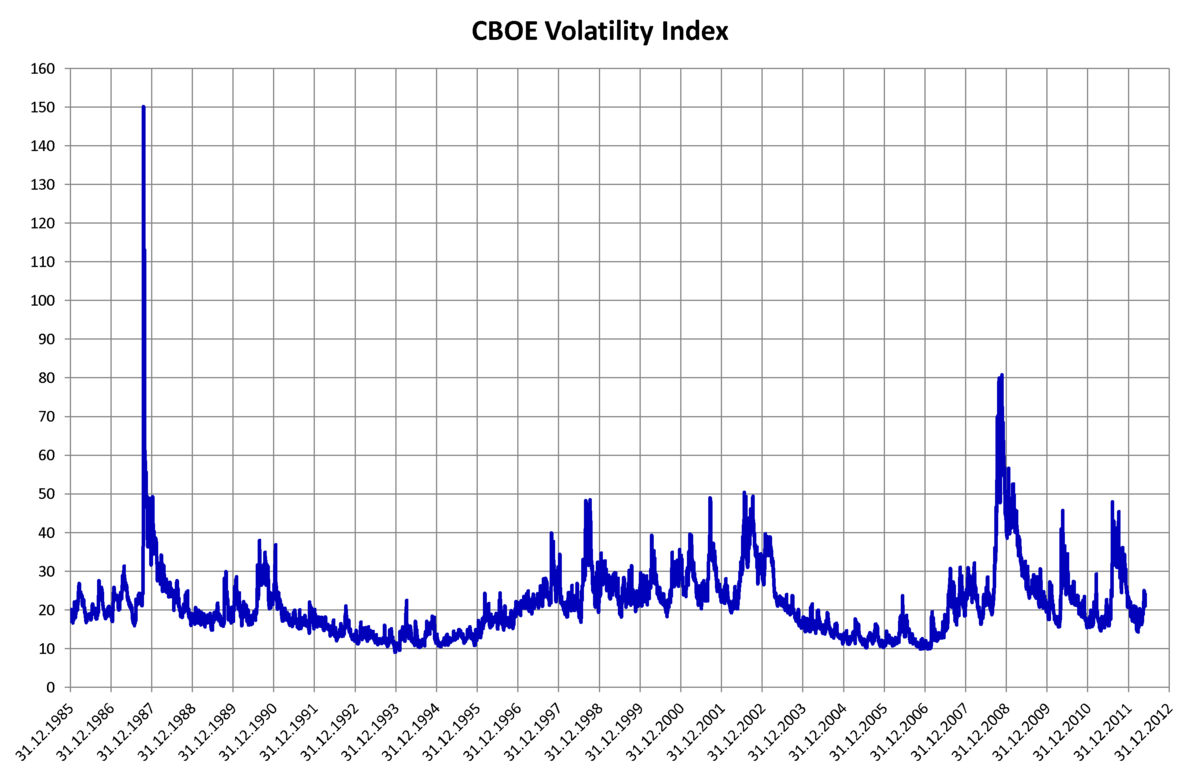
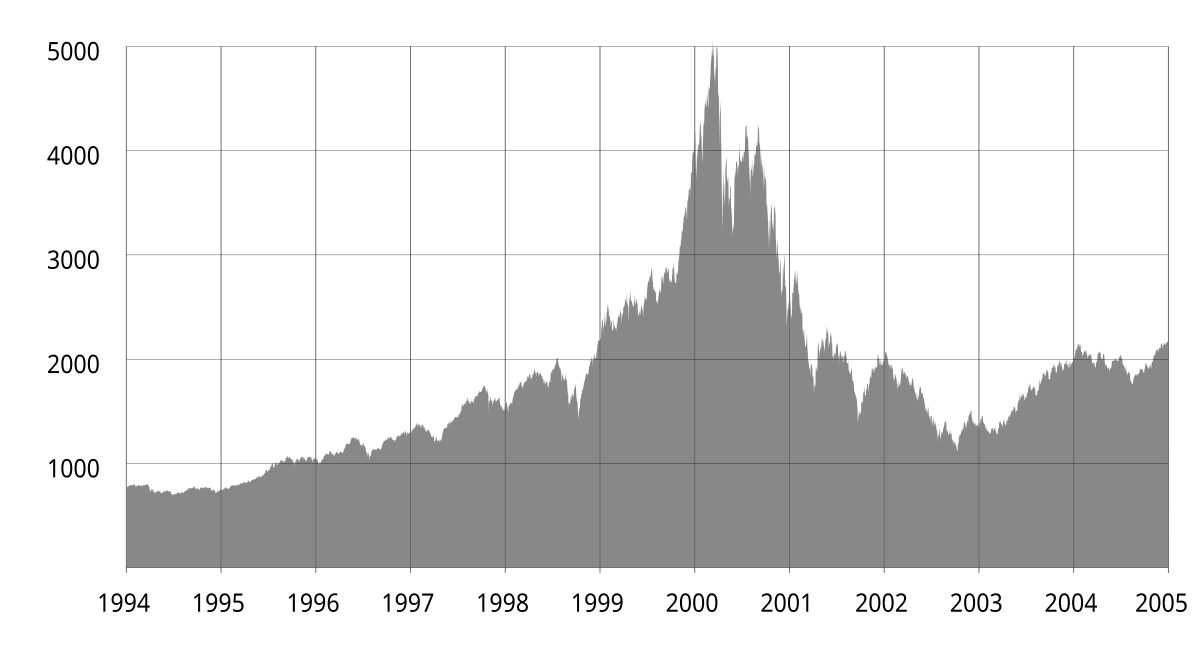
Line graph showing the CBOE Volatility Index (VIX) daily closing values from December 1985 to May 2012. Jashuah, CC BY-SA 3.0, via Wikimedia Commons
You are essentially using borrowed capital to amplify your exposure to the market's swings.
The margin call
Brokers use mark-to-market accounting to check your account value at the end of every single day. If your losses shrink your equity below a certain threshold, you get a margin call.
An open ledger book displays handwritten entries on both pages, with the left page containing columns of numbers and text, and the right page having fewer entries. RaphaelQS, CC0, via Wikimedia Commons
You must deposit more cash immediately, or the broker will sell your positions without asking to cover the loan. It is the ultimate forced exit.
How margin buying and short selling work
Margin buying allows an investor to purchase securities using cash borrowed from a broker, using the bought securities themselves as collateral. This magnifies gains and losses. If an investor buys a $100 share using $20 of their own money and $80 borrowed, the initial net equity is $20. If the price drops to $85, the net value falls to $5. If that balance dips below the broker's minimum margin requirement, the trader must deposit cash or sell shares.
Short selling works in reverse by borrowing securities from a broker to sell them immediately. The trader deposits initial cash, which combines with the sales proceeds to serve as collateral. If the borrowed asset rises in price instead of falling, the trader's equity shrinks, creating credit risk for the counterparty.
Margin calls and historical limits
Brokers track account values daily through mark-to-market calculations. When losses reduce an investor's equity below the maintenance threshold, the broker issues a margin call. If the investor fails to deliver funds immediately, the broker has the legal right to liquidate positions without asking to cover the outstanding loan.
Margin lending first gained wide popularity in the late 1800s to finance railroads. In the 1920s, loose rules allowed leverage rates of up to 90 percent debt. When stock prices dropped, waves of unmet margin calls triggered forced liquidations that accelerated the stock market crash of 1929. Modern rules under Federal Reserve Regulation T limit standard initial margin debt to 50 percent.
Play the lesson in edgi and the card is yours. It lands on your Map next to the ideas it connects to, and turns from matte to foil to gold as you learn more around it.
What happens if a margin account has a negative cash balance?
A negative cash balance means the investor owes money directly to the broker. The broker charges interest and fees on this borrowed amount until it is repaid.
What is SPAN methodology?
SPAN stands for Standard Portfolio Analysis of Risk. Developed by the Chicago Mercantile Exchange in 1988, it is a calculation system used by modern exchanges to set margin requirements for futures and options.
What is variation margin?
Variation margin is the daily settlement of profits and losses rather than collateral. In futures trading, accounts are marked-to-market each day, and the net difference in price is either paid to or debited from the trader's balance.