The fever
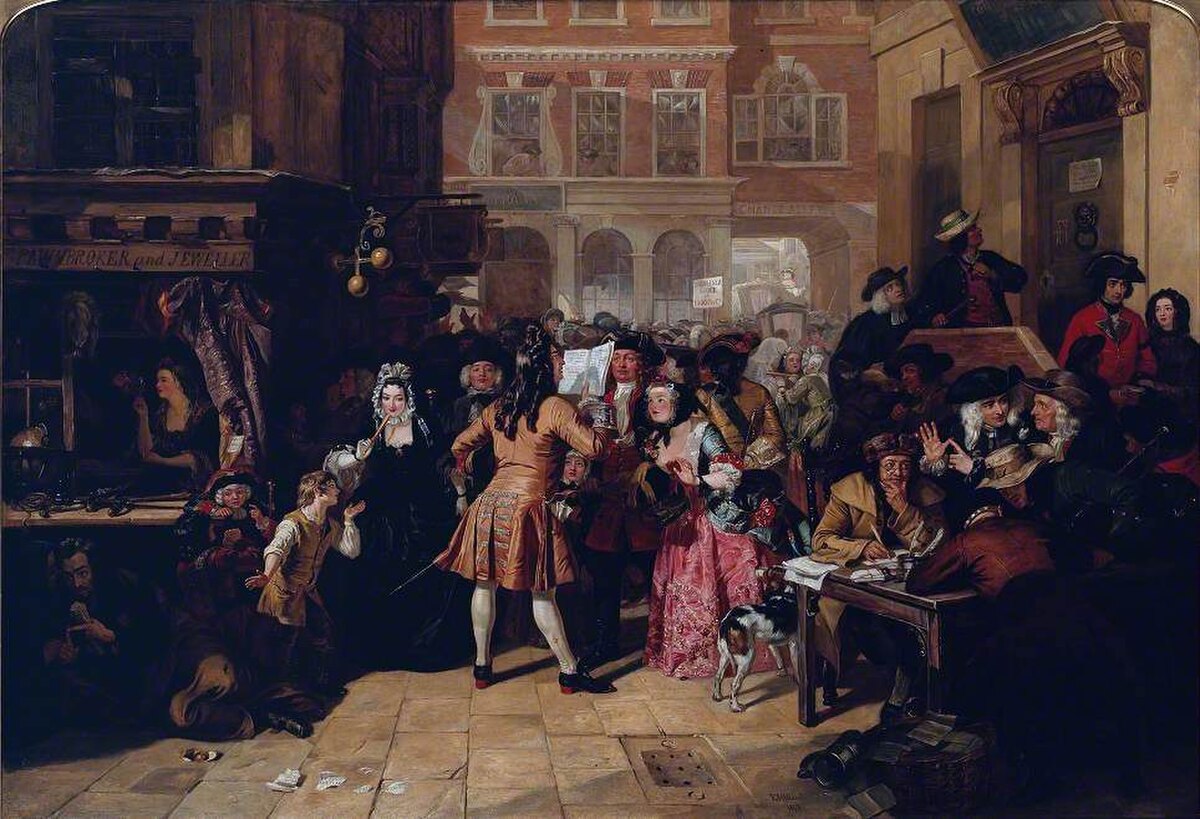
In 1630s Holland, a single tulip bulb could cost more than a luxury townhouse. Speculators traded paper contracts for bulbs still buried in the frozen ground during the height of Tulip Mania.
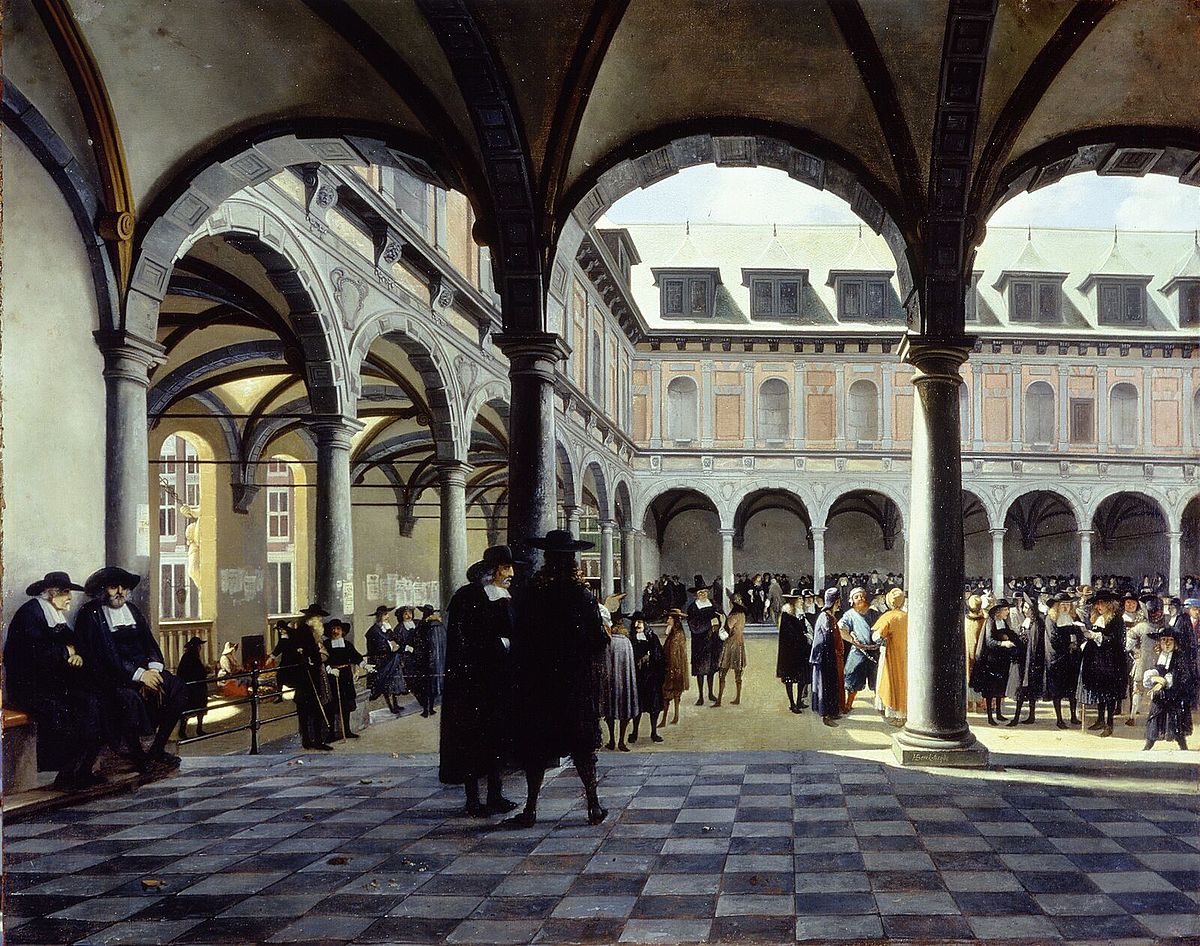
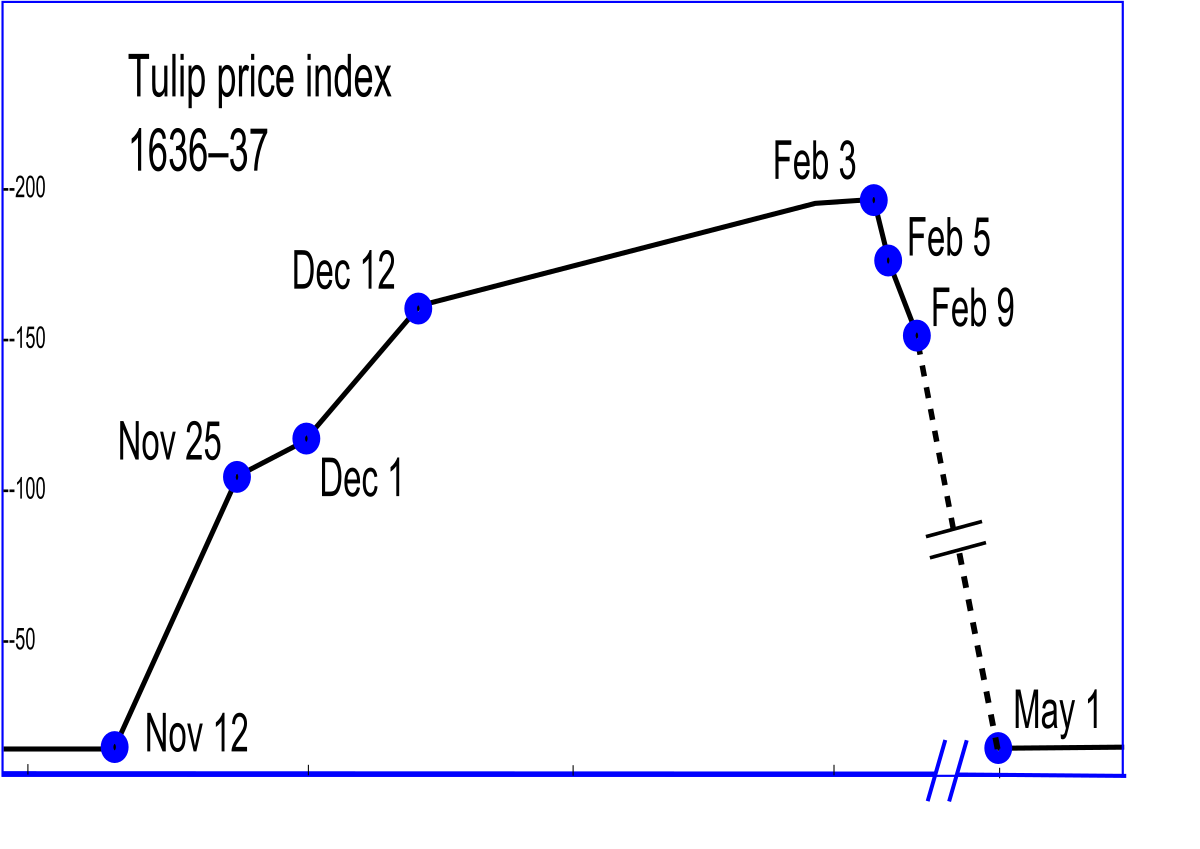
Tulip Mania was a period in the 1630s Dutch Republic when contract prices for rare tulip bulbs rose to extreme heights before collapsing abruptly in February 1637. It is widely considered history's first recorded asset bubble, a situation where market prices rise far above an item's real value. The most coveted flame-streaked petals were the work of a plant virus that also weakened the bulbs.

By the edgi team We find the most surprising true thing about an idea and build a 60-second lesson around it.
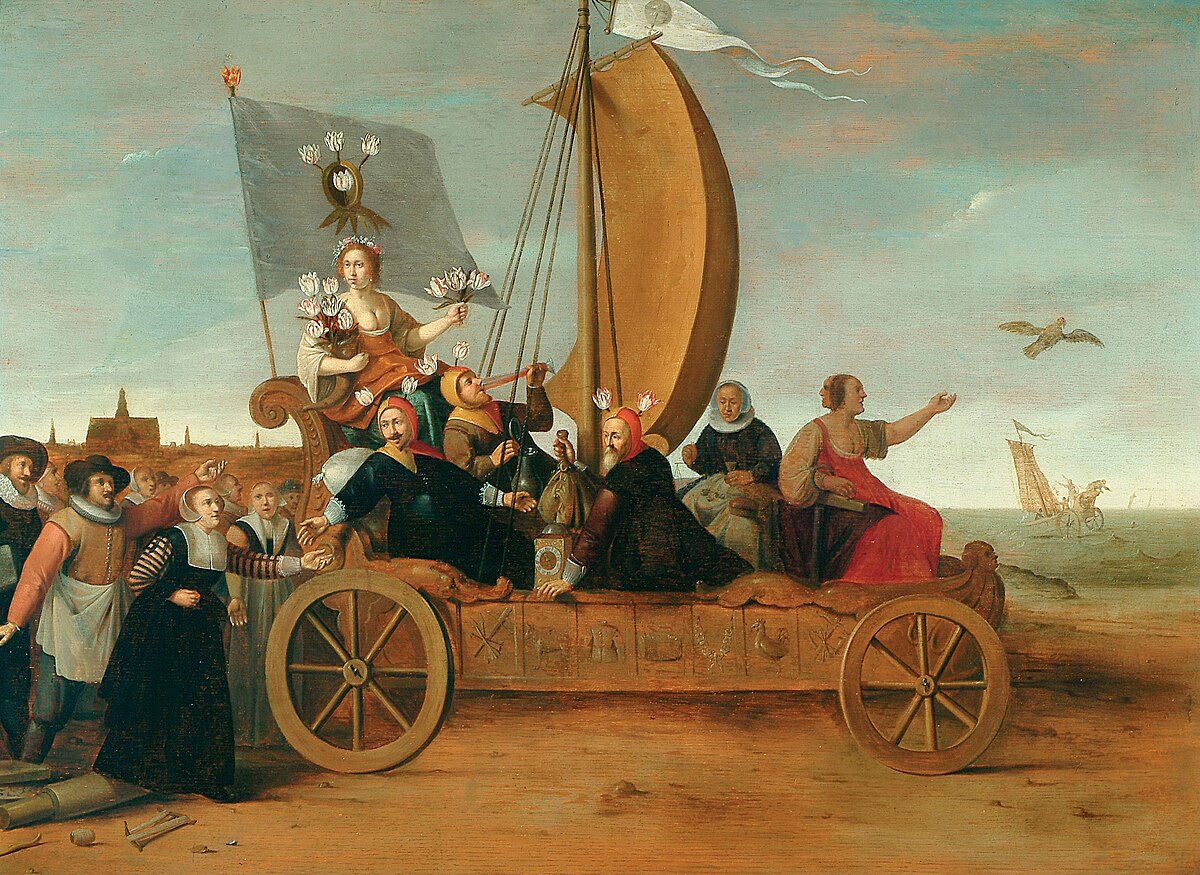
In 1630s Holland, a single tulip bulb could cost more than a luxury townhouse. Speculators traded paper contracts for bulbs still buried in the frozen ground during the height of Tulip Mania.
The most prized flowers featured jagged, flame-like streaks on their petals. Buyers didn't know those beautiful patterns were caused by the Tulip Breaking Virus, which was slowly killing the plant.
One famous story tells of a sailor who found a merchant's bulb and ate it with his herring, thinking it was an onion. He was jailed because that snack was worth enough to pay for a ship's crew for a year.

When the market collapsed in 1637, it became history's first major economic bubble. Behavioral Economics still studies the Dutch Golden Age madness to understand how humans chase speculative hype.
The tulip was introduced to Europe from the Ottoman Empire in the mid-16th century and spread to the Netherlands when botanist Carolus Clusius planted bulbs at Leiden University in 1593. With saturated petal colors unseen in other European flowers, tulips quickly became status symbols for wealthy merchants during the Dutch Golden Age.
By 1634, trading accelerated as buyers turned to forward contracts, exchanging paper promises for bulbs still buried in the ground. At the market peak in February 1637, single bulbs sold for more than 10 times the annual wage of a skilled artisan. The rarest variety, the Semper Augustus, reached 10,000 guilders, roughly 130,000 euros in 2024 money.
Buyers paid the highest prices for tulips with vivid, flame-like streaks, classified as Rosen, Violetten, or the rarest Bizarden. Nobody at the time realized that these multicoloured patterns were caused by the tulip breaking virus.
The virus broke single-color petals into multi-hued streaks, but it also impaired the bulb's ability to produce new daughter bulbs. The flowers buyers prized most were the ones least able to multiply. The market for them collapsed in February 1637.
Popular accounts, such as Charles Mackay's 1841 book Extraordinary Popular Delusions and the Madness of Crowds, claimed that the price crash devastated Dutch commerce and ruined countless investors. Modern historical research shows these claims were exaggerated.
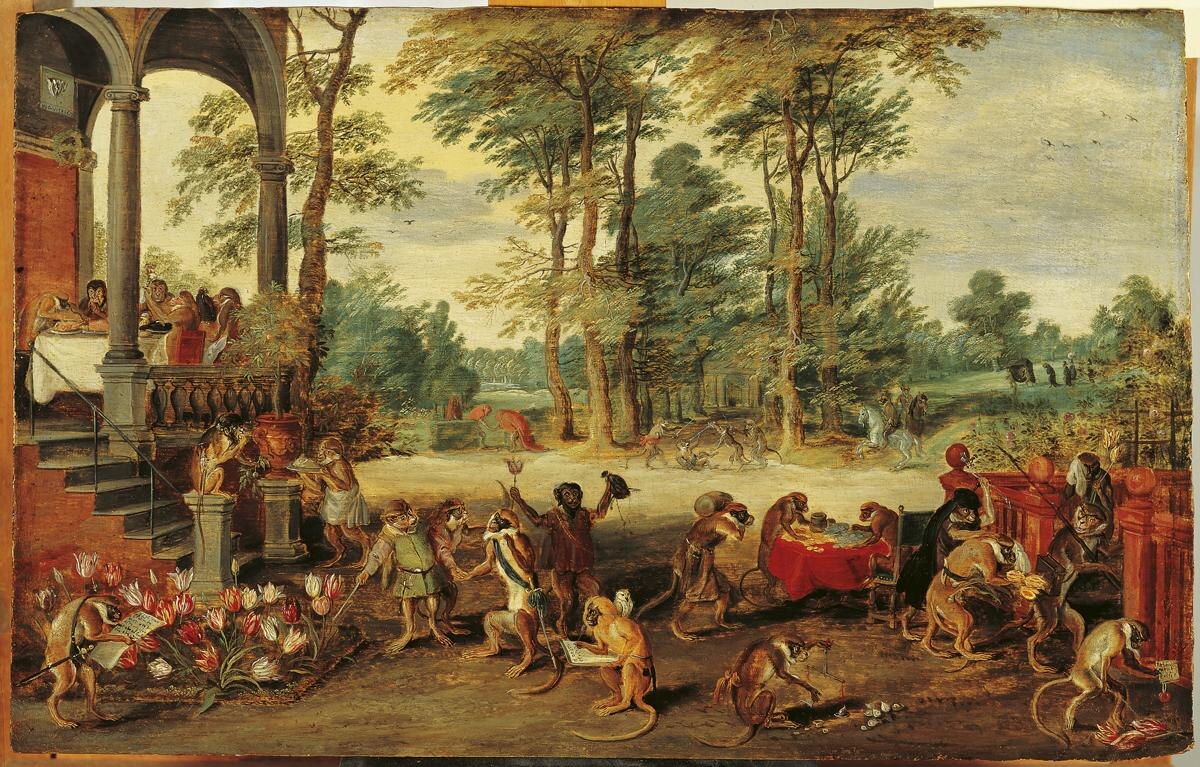
The collapse was primarily a socio-economic phenomenon rather than a nationwide financial disaster. The Dutch Republic remained one of the wealthiest global powers with the world's highest per capita income throughout the 17th century.
Why was the sailor who ate a merchant's tulip bulb jailed during Tulip Mania?
The bulb was worth a fortune equal to a crew's wages. The bulb mistaken for an onion was worth enough to feed and pay a ship's crew for a year, making its accidental consumption a severe financial loss.
What drove the extreme prices of prized tulips during Tulip Mania?
A viral infection weakening the plant. The stunning flame-like patterns were actually caused by the Tulip Breaking Virus, which was slowly killing the plant while fueling the speculative craze.
What does Tulip Mania primarily represent in behavioral economics?
History's first major economic bubble. Tulip Mania is studied as history's first major economic bubble, driven by human susceptibility to chasing speculative hype rather than fundamental value.
Collectible card
Play the lesson in edgi and the card is yours. It lands on your Map next to the ideas it connects to, and turns from matte to foil to gold as you learn more around it.
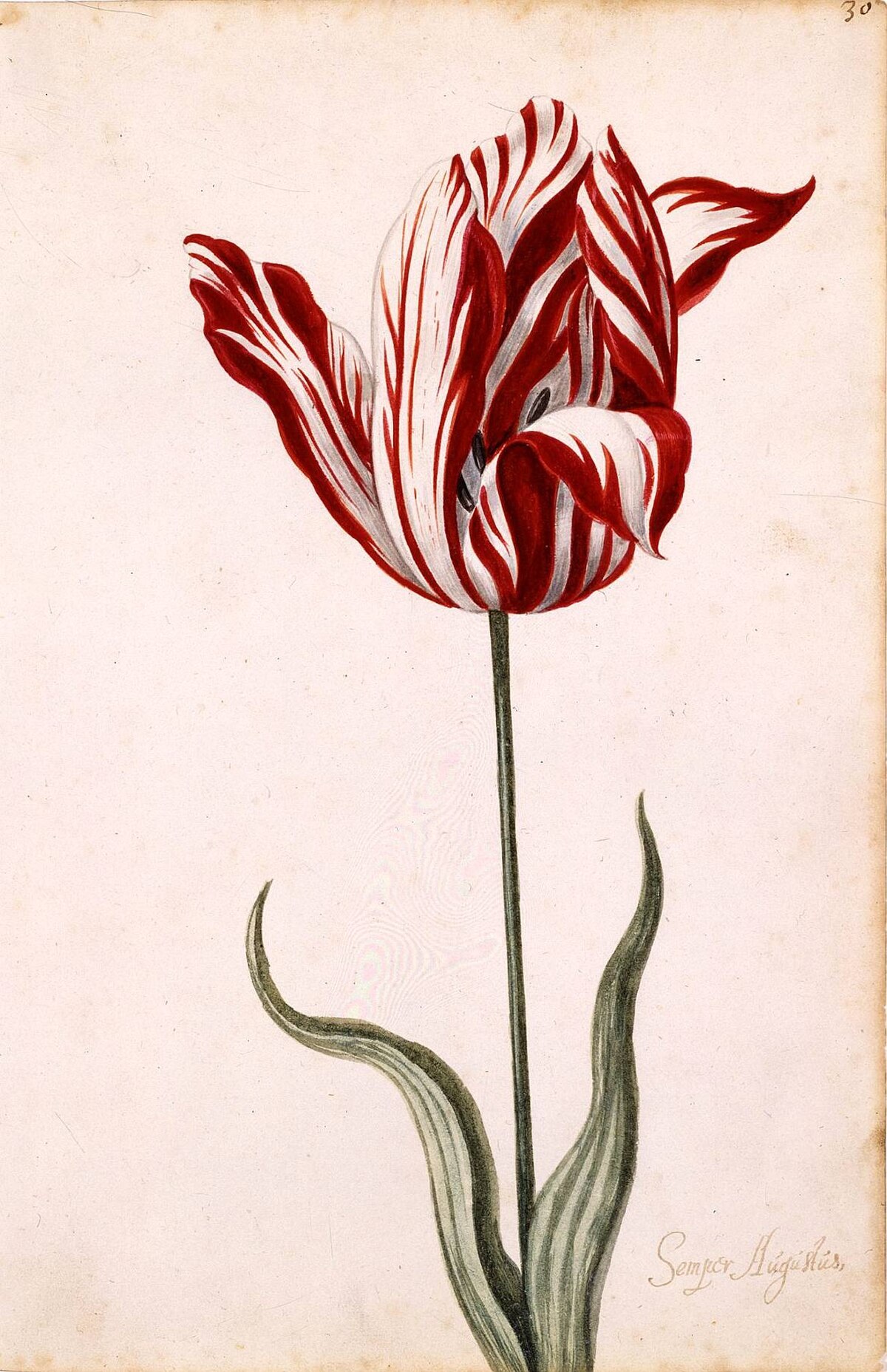
The Semper Augustus was the most famous and expensive tulip of the mania, selling for up to 10,000 guilders. Its white petals were marked with carmine flames and a blue base, a look produced by the tulip mosaic virus.
Economists and investors use the term as a metaphor for any speculative asset bubble. It describes markets where hype drives asset prices far above their actual, intrinsic values.
Part of the Set · 7 cards
Tulips, dot-coms, 1929. Every bubble swears it isn't one. It always is.
Lesson complete
You finished the lesson. In edgi, the card goes on your Map next to everything else you learn.