SpeculationProfiting from price changes over real value
Speculation is buying an asset, or betting on its decline, strictly to profit from quick price swings rather than its real-world use or underlying earnings. Many speculators pay little attention to fundamental value and focus on price movements instead. Speculation is linked to bubbles and crashes, but speculators also add liquidity and take on risks others want to shed.
By the edgi team We find the most surprising true thing about an idea and build a 60-second lesson around it.
Speculation is not about the value of what you buy. It is about the price you hope someone else will pay for it tomorrow. Investors look at business health and long-term potential. Speculators look at momentum, charts, and the 'Greater Fool Theory', the hope that a bigger fool will buy it from you at a higher price.
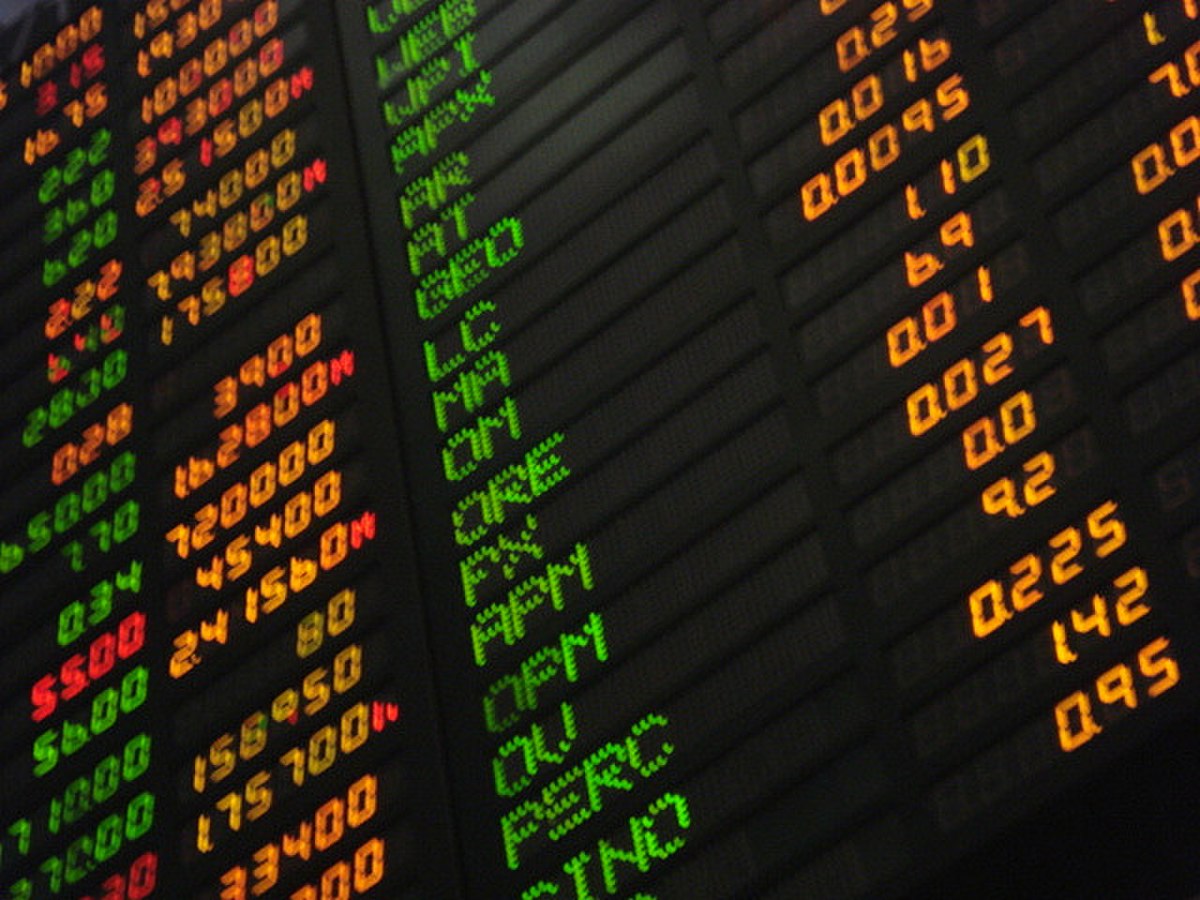
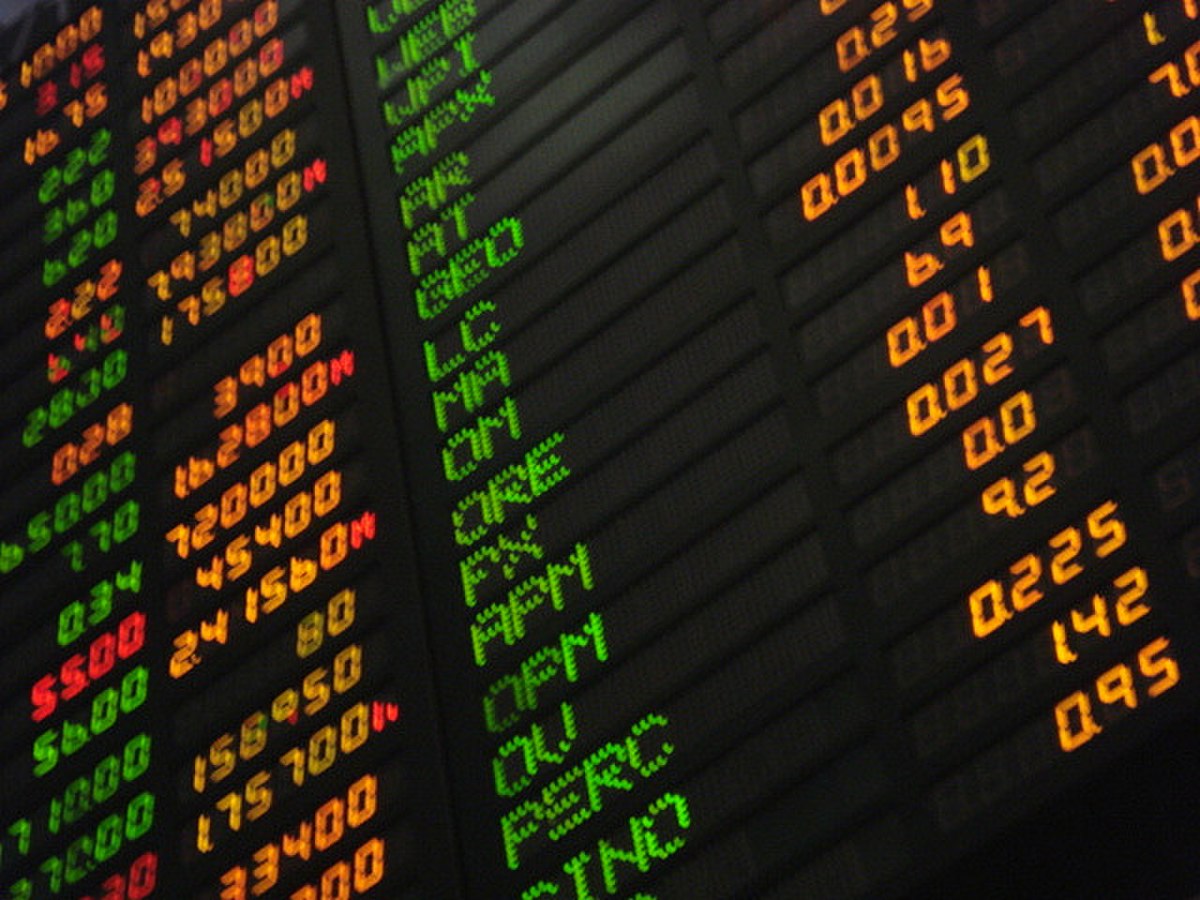
A close-up view of a Philippine stock market board displaying real-time stock data with green and orange numbers on a black background. Katrina.Tuliao, CC BY 2.0, via Wikimedia Commons
The onion man
In 1955, a farmer named Vincent Kosuga decided to manipulate the futures market for onions. He bought massive quantities of onions and thousands of futures contracts, essentially cornering the entire U.S. supply.
He then flooded the market with his stockpile, crashing the price so hard that farmers were left with rotting produce they couldn't afford to ship.
The aftermath
The chaos was so severe that Congress passed the Onion Futures Act of 1958. To this day, it remains the only agricultural commodity in the United States that is legally banned from being traded as a futures contract.
A white plate holds slices of Osseworst, a Dutch beef sausage, alongside small yellow Amsterdamse uitjes (pickled onions). Takeaway, CC BY-SA 3.0, via Wikimedia Commons
It is a permanent legislative reminder that when speculation detaches entirely from reality, the government eventually steps in to stop the game.
How does speculation differ from investment?
Where investment ends and speculation begins is disputed, but one common dividing line is the goal. An investor seeks returns through the long-term ownership of an asset and its underlying attributes, such as safety of principal and steady income. A speculator buys assets purely to anticipate price movements, hoping to sell them to someone else for a higher price within a brief window.
The U.S. Commodity Futures Trading Commission formally defines a speculator as a trader who does not hedge pre-existing risk, but instead trades to capture gains from changing prices. Speculators are especially common in markets for stocks, bonds, currencies, real estate, cryptocurrency, art, and commodity futures.
What economic role do speculators play?
Speculators add liquidity, which can narrow the gap between the buying bid and the selling ask price for everyday producers and consumers. If a market like pork bellies contained only hog farmers and butchers, trading would be slow and spreads would be wide. Speculators add trading volume that makes it easier for everyone else to find someone to trade with.
They also absorb unwanted business risk from producers. A farmer worried about falling grain prices at harvest can lock in a fixed selling price by selling futures contracts to a speculator. By taking on that price risk in pursuit of profit, the speculator enables the farmer to plant crops with certainty, supporting overall production and smoother consumption levels.
When does speculation cause market crises?
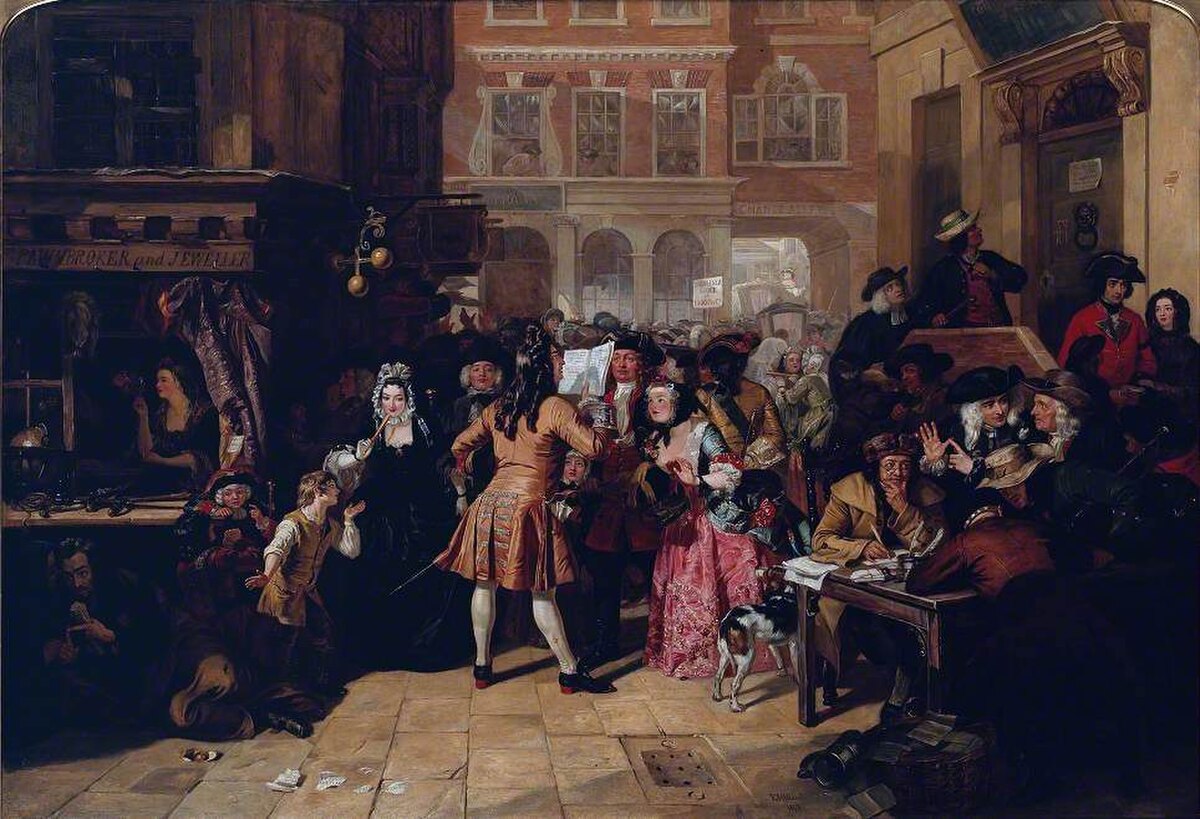
When speculative trading volume grows far beyond real supply and demand, prices can become distorted and bubbles can form. This pattern dates back centuries, including the Dutch tulip mania from 1634 to 1637, England's South Sea Bubble in 1720, and the collapse of France's Mississippi Company.
Technology accelerated this behavior. After 1867, the stock ticker machine in New York removed the need to visit the exchange floor in person, and stock speculation expanded dramatically through the 1920s. The number of US shareholders grew from perhaps 4.4 million in 1900 to 26 million in 1932.
Play the lesson in edgi and the card is yours. It lands on your Map next to the ideas it connects to, and turns from matte to foil to gold as you learn more around it.
Yes. Speculators can engage in short sales, which are trades designed to produce a profit specifically when an asset declines in value.
Who are the other main participants in financial markets?
Alongside speculators, markets rely on hedgers, who trade to reduce pre-existing business risks, arbitrageurs, who exploit price differences for the same asset in different market segments, and long-term investors.
What is price discovery in speculative markets?
Price discovery is the process where buyers and sellers determine the market price of an asset. Speculators assist this by acting on news and forecasts, rapidly adjusting prices to reflect anticipated shortages or surpluses.