Narcissistic personality disorder is a psychiatric condition where a person develops a rigid, long-term pattern of grandiosity, entitlement, and low empathy that disrupts their relationships and daily life. It is not just ordinary arrogance or high self-esteem; the behavior persists for years across work and personal domains. People with the disorder often alternate between seeing others as flawless or entirely worthless, and they rarely seek clinical help until a severe life crisis occurs.
By the edgi team We find the most surprising true thing about an idea and build a 60-second lesson around it.
Narcissistic personality disorder has a real checklist behind it, nine traits long. Grandiosity, entitlement, a hunger for admiration, envy, using people, and four more in the same vein. You need any five of the nine to qualify. Almost anyone can find one or two in themselves after a bad week, and one or two is not the diagnosis.
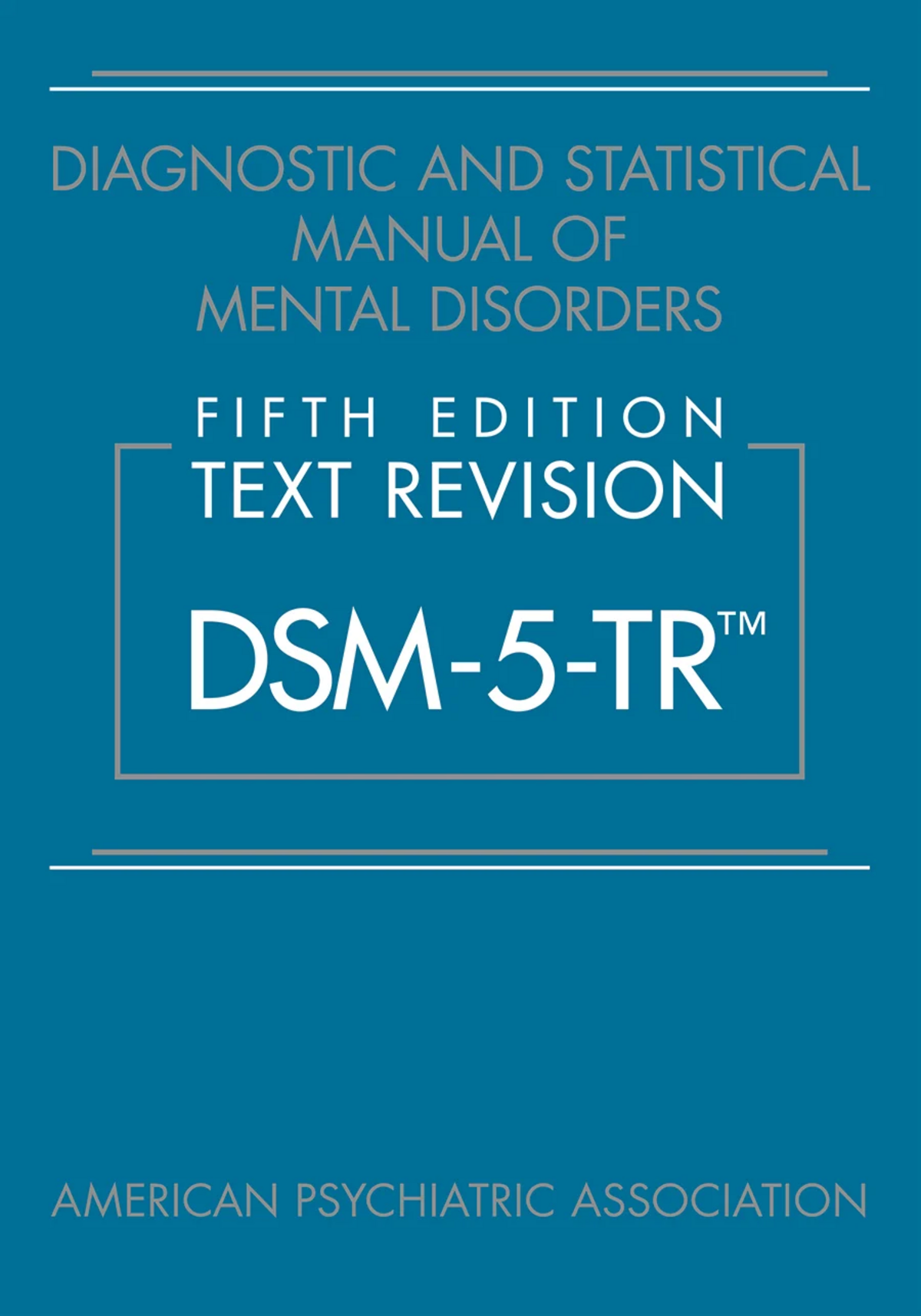
w:American Psychiatric Association, Public domain, via Wikimedia Commons
Any five of nine can be met 256 different ways. Do the counting and two diagnosed people are only guaranteed to share one trait, so the label covers a very wide spread. What makes it a disorder is reach, not size. The pattern has to run through every part of a life, hold for years, and cost the person their own work, friendships or peace.
The same two folders
From inside a relationship the disorder has a shape people recognize long before they can name it. It opens with being told you are unlike anyone they have ever met. Then something ordinary goes wrong. You disagree, or you need something, and the same person turns cold, contemptuous and bored.
The clinical name for that pair of moves is idealization and devaluation. The person keeps two folders, wonderful and worthless, and cannot hold anyone in both at once. You are not being reassessed. You are being refiled, and the folders belong to them, which is why the same thing happens to the next person and the one after.
Who actually shows up
If the pattern only cost other people it would not be in a medical manual at all. Manuals list conditions that damage the person carrying them. Almost nobody walks into a clinic asking for help with narcissism. They arrive after a divorce, a firing or a collapse, usually for depression, and the pattern is found underneath.
That is what impairment is doing on the checklist, and it is the half left off. The diagnosis is not a rating of how unpleasant somebody is. It marks a life that has stopped working.
How does the diagnosis work?
A formal diagnosis in standard psychiatric manuals requires meeting at least five traits out of a nine-trait criteria list. Because any five qualifying traits suffice, two diagnosed people can share as few as one single trait across 256 possible mathematical combinations. The disorder presents in diverse ways: individuals can be extraverted leaders, socially isolated, or unable to hold steady jobs.
The diagnostic manuals require evidence of long-term functional impairment and psychosocial disability. The pattern must actively damage the person's own vocational success, friendships, or mental stability. A person who acts self-absorbed during a bad week does not qualify, because the disorder requires deep-rooted, pervasive impairment across life domains.
What are the grandiose and vulnerable subtypes?
The disorder splits into two primary presentations: grandiose, thick-skinned narcissism and vulnerable, thin-skinned narcissism. Grandiose individuals display social dominance, arrogance, superficial charm, and exploitative behavior while feeling superior to others. They report higher personal wellbeing but create occupational conflict and harm others through manipulation.
Caravaggio's painting depicts Narcissus fixated on his own reflection, representing the extreme self-focus central to the disorder's history. Caravaggio, Public domain, via Wikimedia Commons
Vulnerable individuals present with intense shame, shyness, paranoia, and feelings of inferiority while remaining entitled and envious. They depend emotionally on validation, often showing extreme rage, vindictiveness, or hostility when rejected or criticized. Studies show vulnerable individuals occasionally experience bouts of grandiosity, whereas grandiose individuals show few or no vulnerable traits.
Why are relationships and empathy impaired?
People with the condition show a reduced capacity for emotional empathy and struggle to recognize facial expressions or mimic emotions, even though they typically overestimate their own empathic abilities. They may engage in prosocial or selfless actions primarily to enhance their social status or manage how other people perceive them.
Relationships often follow a cycle of idealization and devaluation, where partners are treated as either flawless or worthless. Because individuals with the disorder struggle to tolerate disagreement, contradiction, or criticism, cooperative work and long-term partnerships frequently break down. Ambition is high, but fear of failure often prevents them from taking necessary risks.
Test yourself
Someone calls a new friend perfect, then goes cold over a small disagreement. What changed?
Nothing real, only the category. Nothing about the friend had to change. When a person can only file others as wonderful or worthless, one ordinary disappointment moves the whole file, and the same thing will happen to the next person.
Two people both have narcissistic personality disorder. What must they share?
As little as one trait out of nine. The threshold is any five of nine, which can be met 256 ways. A diagnosis names a family of patterns, not a single fixed set of behaviors.
Play the lesson in edgi and the card is yours. It lands on your Map next to the ideas it connects to, and turns from matte to foil to gold as you learn more around it.
The cause is understood to be largely genetic and neurobiological. Brain imaging shows structural and functional differences in areas responsible for self-processing and empathy.
How is narcissistic personality disorder treated?
Therapy relies mainly on psychoanalytic, psychodynamic, and cognitive behavioral approaches, though no single standard treatment exists. Treatment success depends heavily on the person's motivation to change, and people rarely seek therapy specifically for narcissism.
Is narcissistic personality disorder included in every medical manual?
The American Psychiatric Association's DSM includes specific categorical and dimensional models for it. The latest edition of the International Classification of Diseases (ICD) uses a general personality disorder diagnosis instead of a distinct category for narcissism.