Traumatic bondingHow cycles of cruelty create loyalty
Traumatic bonding is a psychological attachment that an abused person develops toward their abuser, not toward other victims. It relies on a power imbalance and unpredictable shifts between cruelty and kindness. Because the person who causes the distress is also the one who provides relief, the victim's brain bonds tightly to the abuser instead of pulling away.
By the edgi team We find the most surprising true thing about an idea and build a 60-second lesson around it.
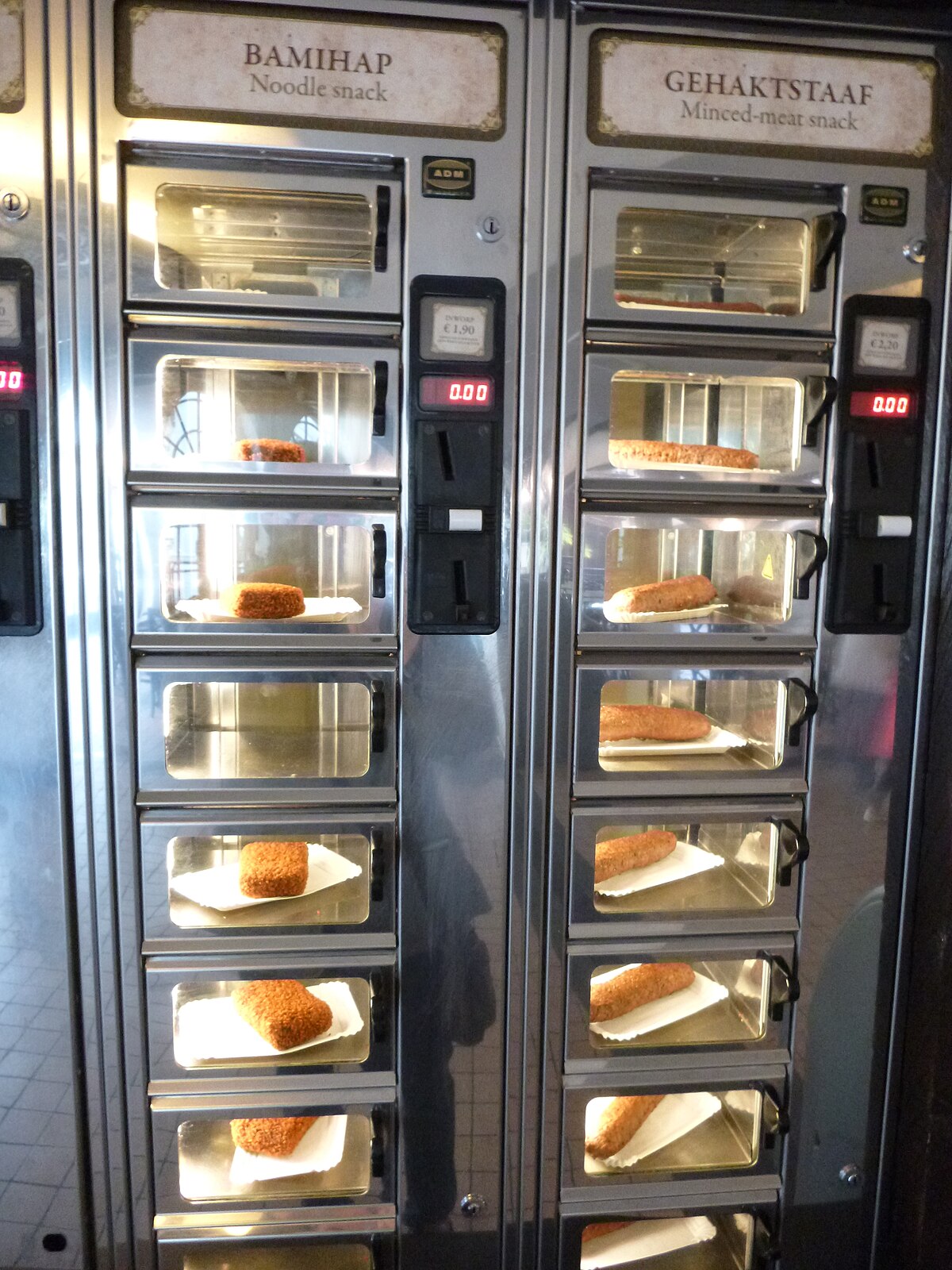
Picture two machines. One hands you a snack every single time. The other pays out sometimes, on no pattern you have ever been able to work out. When the reliable one breaks you notice at once and stop after a try or two. The unreliable one you keep feeding, because a long run of nothing is what it does when it is working perfectly.
This has been measured since the 1930s. A habit built on unpredictable reinforcement takes far longer to fade out than one built on reliable reward.
The same shape, in a person
Researchers studying women who kept returning to violent partners gave the effect a name: traumatic bonding. They argued it takes two conditions and no others. One person has to hold most of the power, and the bad treatment has to come and go rather than stay.
A partner who is cruel every day is easy to describe and easier to leave. One who is cruel on Tuesday and tender on Wednesday is the unpredictable machine, and you are still playing. The tenderness after a bad night is not a break in the pattern. It is the payout, and it arrives right after the stretch that made it feel like one.
Why it feels like love
Relief is a very strong feeling and an easy one to misread. The night it stops and they are gentle, something in you floods. That flood attaches to them because they supply both halves. The person who caused the fear is the person who ends it, so your brain links safety to that one face.
Which is why the story from inside is usually about how good it is when it is good. Those parts are real. Their force comes from what they follow. So the bond is not built out of the good days. It is built out of the gaps, and a steady, kind partner has none of them to offer.
The two conditions that build a trauma bond
In the 1980s, psychologists Donald Dutton and Susan Painter identified the two ingredients that establish a trauma bond: an imbalance of power and intermittent rewards and punishments. The dominant person holds control while the mistreatment alternates with affection on an unpredictable schedule.
The first instance of mistreatment usually looks like an isolated mistake in an otherwise caring relationship. When the abuser shows tenderness immediately after, it pacifies the victim and creates the expectation that the harm is temporary. As the cycle repeats, the victim experiences a cognitive shift, realizing they cannot prevent the abuse, by which point the emotional bond is already firmly rooted.
Why victims struggle to leave
Traumatic bonds dismantle autonomy. Victims often internalize the abuser's view of them, taking the blame for violent outbursts and developing a negative self-image. This low self-concept increases emotional dependency on the abuser, locking the person into a cycle where they feel unable or unwilling to escape.
The dynamic extends well beyond romantic partnerships. Trauma bonds appear in parent-child relationships, cults, hostage situations, sex trafficking, military hazing, and platonic friendships. Patrick Carnes described the process as the misuse of fear, excitement, and trust to entangle another person, causing victims to frequently return to relationships that harm them.
Weaponized attachment and coercive control
Recent research by Mags Lesiak frames trauma bonding as weaponized attachment rather than a victim's reaction: a deliberate strategy of coercive control. Perpetrators adopt a two-faced soulmate dynamic, pairing intense vulnerability and affection with sudden hostility or secrecy to establish psychological captivity without needing physical force.
Viewing trauma bonds through weaponized attachment shifts the responsibility from the victim's psychology to the perpetrator's calculated manipulation. This framework argues that domestic violence risk assessments and mental health professionals must treat alternating kindness and cruelty as active mechanisms of abuse.
Test yourself
Why is a notification arriving at random times harder to ignore than a scheduled one?
Unpredictable rewards are hard to drop. If you cannot tell the difference between nothing yet and nothing coming, checking never gets ruled out. That is the same reason slot machines pay on no schedule.
A machine pays out on no pattern. When does someone give up on it?
Long after a reliable machine breaks. A reliable machine failing is obvious information. An unpredictable one failing is indistinguishable from it working normally, so there is never a moment that says stop.
Play the lesson in edgi and the card is yours. It lands on your Map next to the ideas it connects to, and turns from matte to foil to gold as you learn more around it.
Is trauma bonding the same as bonding over shared trauma?
No. A trauma bond is strictly an emotional attachment formed between a victim and their abuser. It does not refer to mutual support or closeness shared between survivors of the same traumatic event.
What are the long-term effects of a trauma bond?
Trauma bonds cause lasting mental health challenges, including damaged self-esteem, depression, and an increased likelihood of bipolar disorder. They also trap victims in abusive environments and can perpetuate generational cycles of abuse.