NoradrenalineThe chemical trigger for survival mode
Noradrenaline is a chemical messenger in your body and brain that acts as both a hormone and a neurotransmitter. It mobilizes your body for action during stress, raising your heart rate and focusing attention onto immediate threats. While it sharpens alertness, excessive noradrenaline shifts neural processing into hypervigilance and anxiety.
By the edgi team We find the most surprising true thing about an idea and build a 60-second lesson around it.
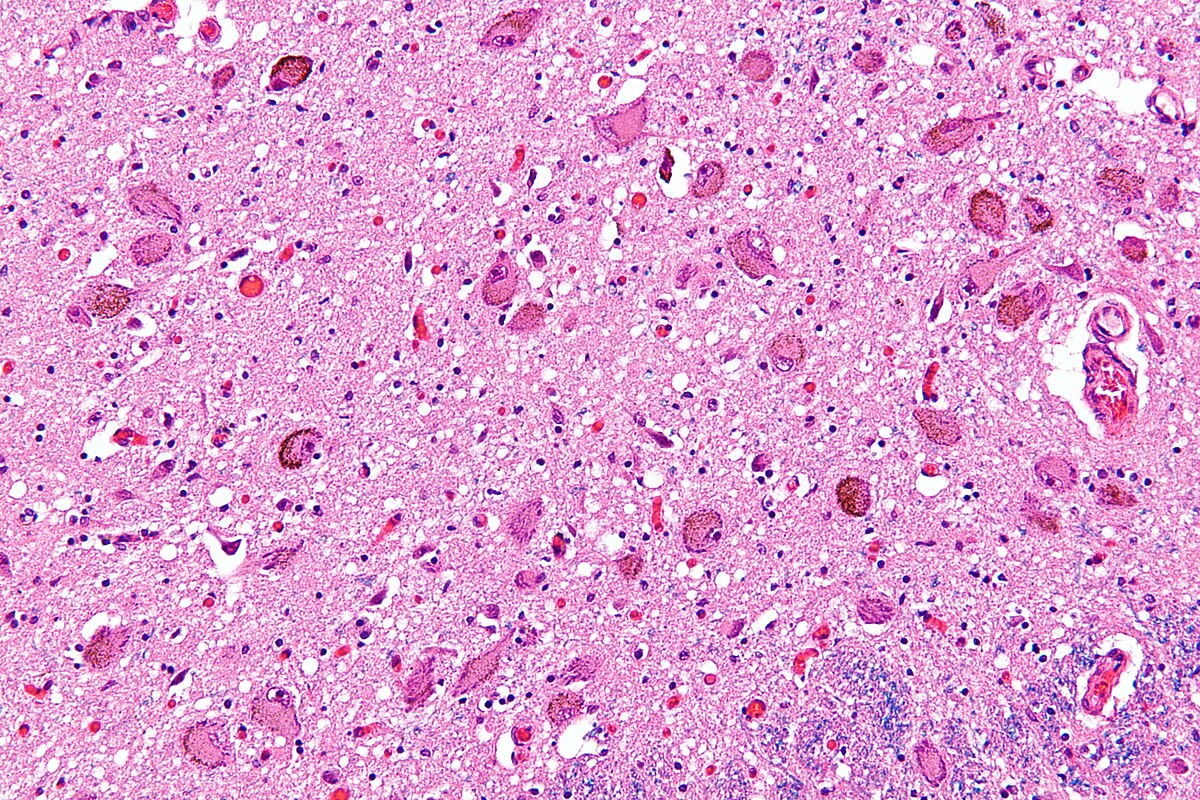
Deep in your brainstem, there is a tiny cluster of neurons called the locus coeruleus. It is named for its distinct blue hue, caused by a pigment similar to melanin.
High magnification micrograph showing the locus coeruleus, stained with HE-LFB. Nephron, CC BY-SA 3.0, via Wikimedia Commons
Despite its size, smaller than a grain of rice, this spot is the primary source of noradrenaline for your entire brain.
The chemical spotlight
Noradrenaline is the brain's "spotlight." While adrenaline prepares your body to run or fight, noradrenaline narrows your focus to the immediate threat.
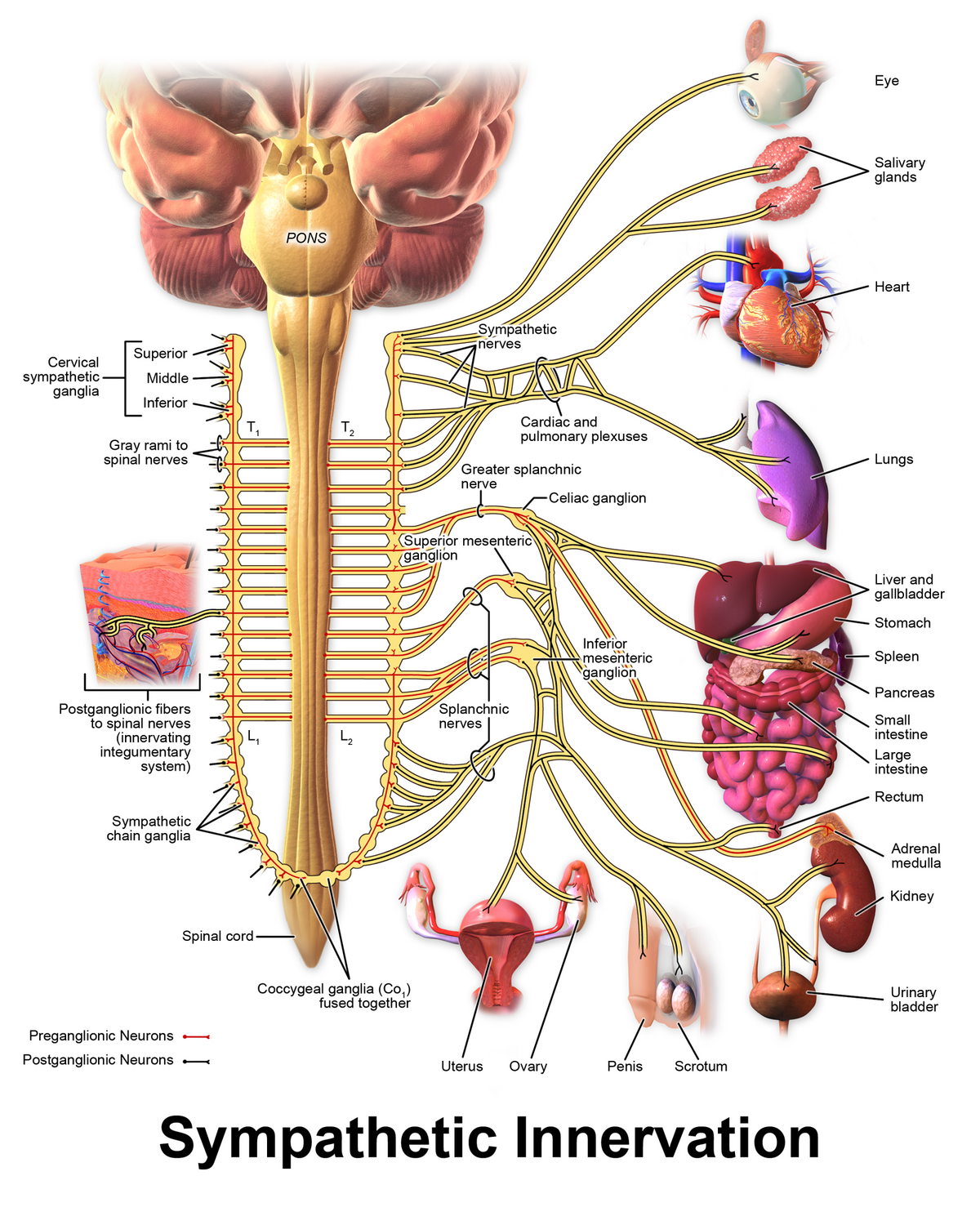
Diagram of the sympathetic nervous system, showing the brain, spinal cord, sympathetic ganglia, and their connections to various organs. BruceBlaus. When using this image in external sources it can be cited as: Blausen.com staff (2014). "Medical gallery of , CC BY 3.0, via Wikimedia Commons
It forces your brain to prioritize the present moment over long-term planning, shifting you into survival mode.
The cost of focus
This is why you can't "think" your way out of panic; your chemistry has already shifted your neural processing. When this system works, it’s the laser-sharp attention you need for a deadline.
A person is looking at and operating a white flip-style mobile phone, holding it in their hands. Serenity, CC BY-SA 4.0, via Wikimedia Commons
When it runs unchecked, it creates hypervigilance: a state where your brain treats every background noise like a potential danger.
How does noradrenaline mobilize the body?
Noradrenaline release drops to its lowest levels during sleep, climbs when you wake up, and spikes during emergencies. It drives the body into a fight-or-flight state by triggering the release of glucose from energy stores, elevating heart rate, and raising blood pressure.
To maximize immediate physical capability, it redirects blood flow toward skeletal muscles while cutting flow to digestive organs. It also stops bladder voiding and halts stomach motility. Across the body, it achieves these shifts by binding to adrenergic receptors on cell surfaces.
How is noradrenaline made in the brain?
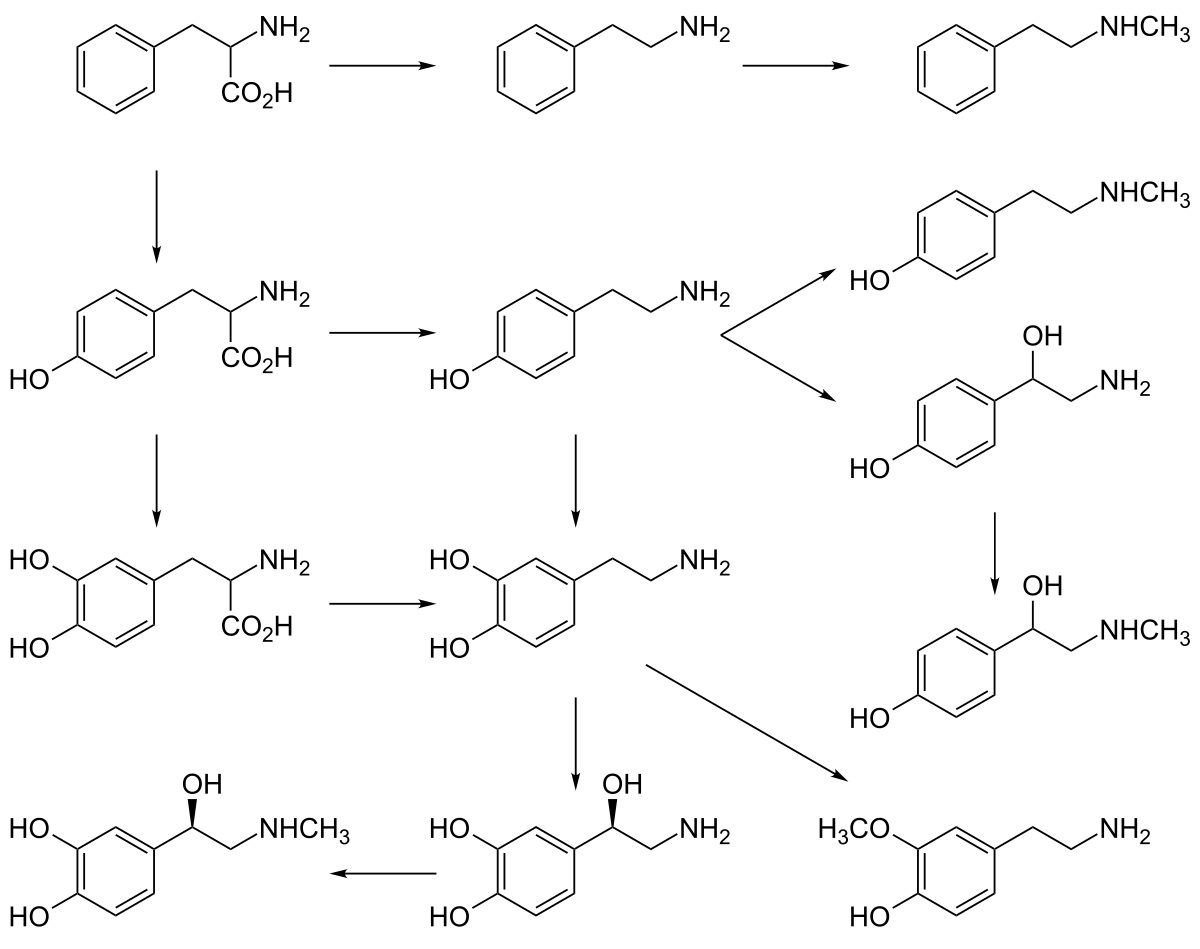
In the brain, noradrenaline is produced primarily in a tiny brainstem nucleus called the locus coeruleus, located in the pons. The chemical pathway starts with amino acids from dietary protein: phenylalanine converts to tyrosine, which becomes L-DOPA, then dopamine, and finally noradrenaline.
This chemical pathway shows how dietary amino acids are converted step-by-step into dopamine, noradrenaline, and adrenaline. Seppi333, Hbf878, CC BY-SA 3.0, via Wikimedia Commons
While early steps occur in the cell cytoplasm, the final conversion from dopamine into noradrenaline happens inside neurotransmitter storage vesicles using the enzyme dopamine beta-monooxygenase. Noradrenaline differs from adrenaline by a single detail: it lacks a methyl group on its nitrogen atom.
How do medications alter noradrenaline?
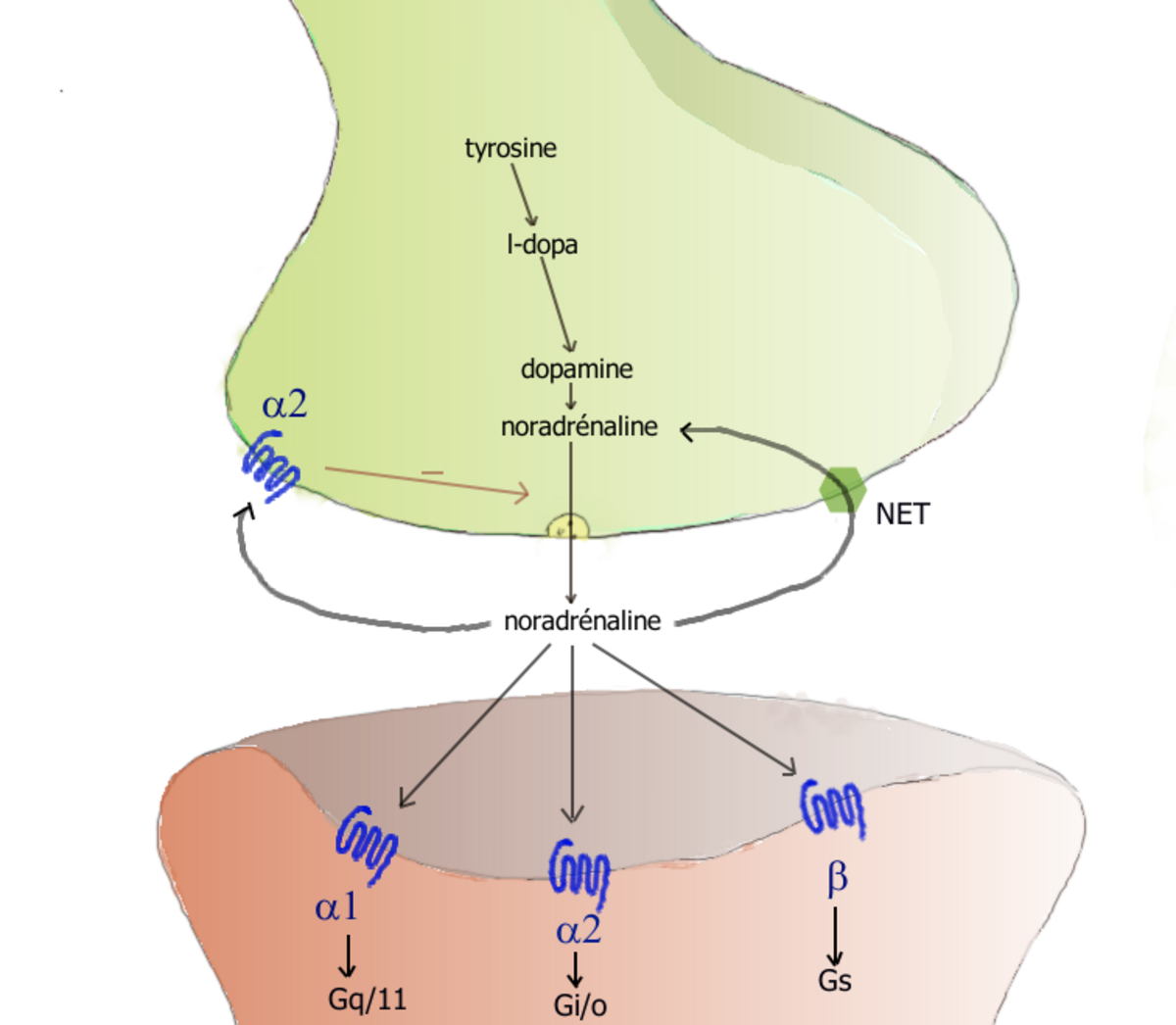
Because noradrenaline controls blood pressure and mental focus, many drugs target its pathway. Injectable noradrenaline is used directly in hospitals to treat critically low blood pressure. Stimulants like methylphenidate, cocaine, and SNRIs block the reuptake of noradrenaline, keeping it active in synapses longer.
This illustration shows how noradrenaline is released into a synapse before being reabsorbed by the presynaptic terminal or degraded by enzymes. Pancrat, CC BY-SA 3.0, via Wikimedia Commons
Other drugs intentionally dampen noradrenaline signaling. Beta blockers prevent it from binding to cardiac beta-adrenergic receptors, reducing the heart's force of contraction to protect oxygen-starved heart tissue. Alpha blockers and alpha-2 agonists such as guanfacine treat high blood pressure, anxiety disorders, and ADHD.
Test yourself
Noradrenaline can sharpen attention under pressure. What happens when its alerting system runs unchecked?
Background sounds may feel threatening. Unchecked noradrenaline can produce hypervigilance, making ordinary background noises seem like possible dangers.
Noradrenaline and adrenaline both support survival responses. Which role is linked to noradrenaline?
Sharpening attention to an immediate threat. The Spark distinguishes noradrenaline's attentional spotlight from adrenaline's role in preparing the body for action.
Does noradrenaline primarily function to expand broad long-term planning or narrow focus to immediate threats?
Narrow focus to immediate threats. Noradrenaline acts as the brain's chemical spotlight, shifting neural processing away from long-term planning to prioritize the immediate present.
Play the lesson in edgi and the card is yours. It lands on your Map next to the ideas it connects to, and turns from matte to foil to gold as you learn more around it.
What is the difference between noradrenaline and norepinephrine?
They are two names for the exact same substance. Norepinephrine is the standard term in the United States and the official medical drug name, while noradrenaline is commonly used in the United Kingdom and across the rest of the world.
Where is noradrenaline produced outside the brain?
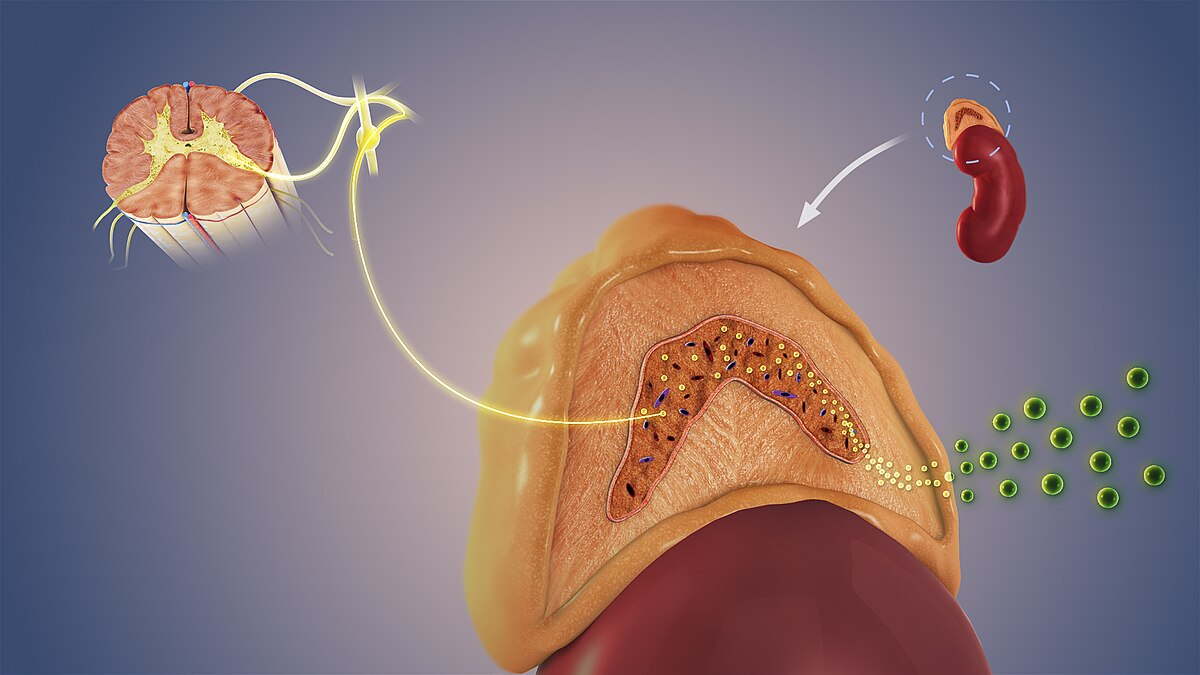
Outside the central nervous system, noradrenaline is made by sympathetic ganglia near the spinal cord and in the abdomen, as well as by Merkel cells in the skin. The adrenal glands also produce noradrenaline and secrete it directly into the bloodstream as a hormone.