Online datingHow age and education flip desirability
Online dating is a system where people use internet websites or mobile apps to find and communicate with potential romantic or sexual partners. Users create profiles displaying details like their age, location, photos, and interests to browse and contact other members. Modern platforms turn these digital interactions into data, revealing distinct demographic preferences in how people choose mates.
By the edgi team We find the most surprising true thing about an idea and build a 60-second lesson around it.
In 2000, a website called Hot or Not launched. It let users rate photos of strangers on a scale of one to ten. It wasn't just a game. It was the world's first massive, crowdsourced database of human attractiveness.
Tech founders realized this data was gold. It proved that people would instantly trade the nuance of a traditional date for the efficiency of a visual ranking.
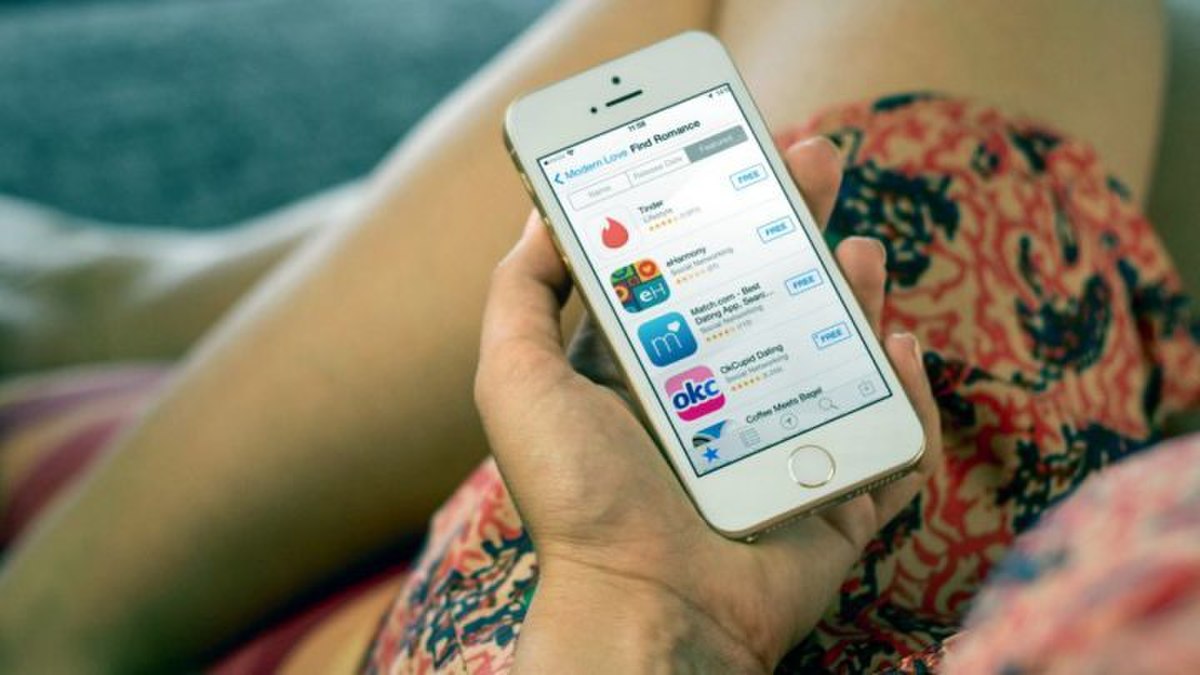
A person holds an iPhone displaying various hookup and dating applications, including Tinder and OKC. nodstrum.com, CC BY 2.0, via Wikimedia Commons
The swipe economy
Modern dating apps transformed romance into a high-speed stock market. Behind the scenes, a hidden algorithm calculates your desirability score, which determines which profiles appear in your stack.
Close-up of a Philippine stock market board displaying various stock tickers and numerical data in green, red, and orange LED lights. Katrina.Tuliao, CC BY 2.0, via Wikimedia Commons
The goal shifted from finding a partner to managing a constant, gamified stream of potential connections.
The new reality
Today, Match Group owns nearly every major platform, turning love into a study in Human–Computer Interaction. We are the first generation to navigate ghosting as a standard ritual, where a person can be deleted with the same ease as a browser tab.
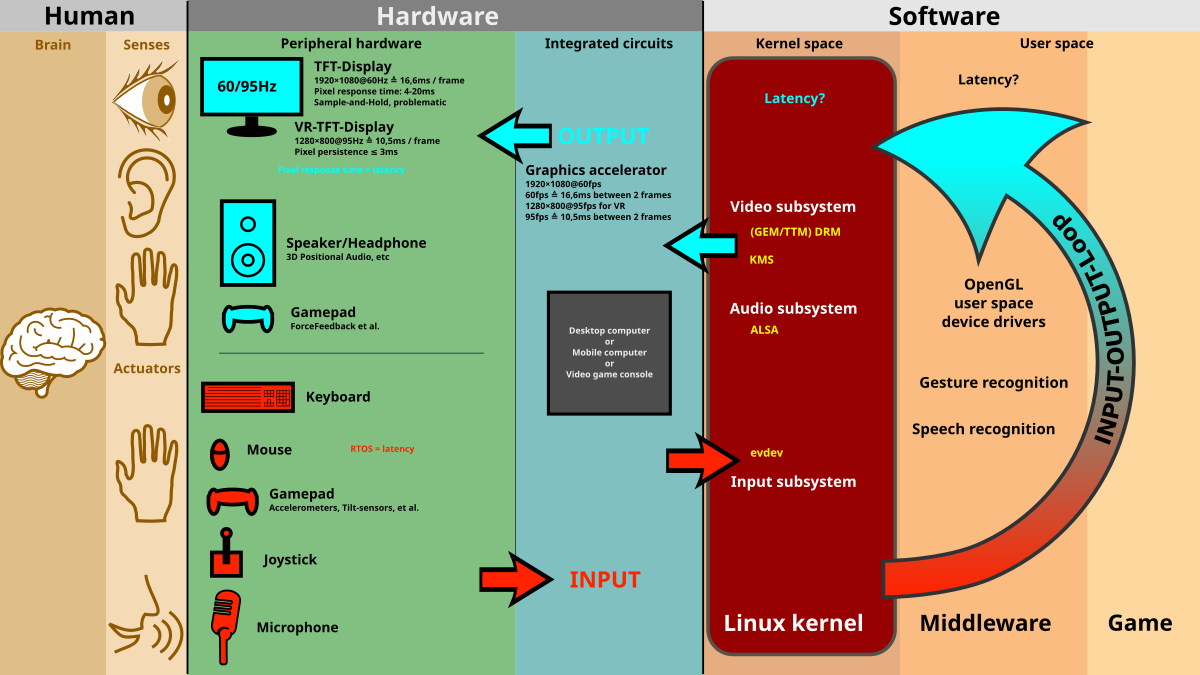
Diagram illustrating human-computer interaction, showing the flow from Human senses and actuators, through Hardware (Peripheral hardware, Integrated circuits), to Software (Kernel space, User space). ScotXW, CC BY-SA 3.0, via Wikimedia Commons
Efficiency is the new romance, but we lost the serendipity of the blind date in the process.
How online dating platforms operate
Online dating platforms run on profile-based matchmaking systems. Members register by uploading personal details including age, gender, sexual orientation, location, and photos or videos. They then browse other members' profiles to decide whether to initiate contact through digital messaging, message boards, live chat, or webcasts.
Companies organize these services around different user groups and business models. Some platforms cater to broad audiences, while niche services target specific religions, locations, or relationship types. Financially, services operate through advertising, paid subscriptions, or freemium models that offer free basic registration paired with optional paid features.
Demographic patterns and user preferences
Data from dating platforms shows sharp divides across age and gender. A 2018 study found that a man's desirability on dating apps steadily increases until age 50, whereas a woman's desirability declines sharply after age 20. Sociologists and psychologists link this pattern to perceptions of fertility, youth, and financial stability.
Educational attainment also alters user appeal differently by gender. Research shows women consistently prefer men with higher education levels. For women, higher education yields mixed results: some studies show female desirability peaks at a bachelor's degree and drops afterward, while others show educated men often favor profiles of less-educated women.
Racial preferences also appear in user choices. A 2018 study of 200,000 app users found that White men and Asian women received the highest interest. Research across several studies noted that White women were more likely to exclude non-White partners than White men were to exclude women of color.
Play the lesson in edgi and the card is yours. It lands on your Map next to the ideas it connects to, and turns from matte to foil to gold as you learn more around it.
What communication tools do dating sites offer besides text messaging?
Many platforms support direct digital messaging, online chat rooms, message boards, webcasts, and VoIP telephone chat. Members use these tools to interact entirely online or to arrange in-person meetings.
Do social and political attitudes differ among online daters?
A 2005 study found that people who use online dating services tend to hold more liberal social attitudes compared to the general United States population.