Physical attractiveness is the degree to which a person's bodily and facial features are seen as aesthetically pleasing or desirable. These visual traits trigger subconscious biases, leading people to assume an attractive individual is also smarter, kinder, and more capable. Evolutionary biology suggests these preferences developed because traits like symmetry and clear skin serve as indicators of health and genetic fitness.
By the edgi team We find the most surprising true thing about an idea and build a 60-second lesson around it.
In social psychology, the halo effect is a cognitive bias where one positive trait, like physical attractiveness, causes us to assume other positive traits exist. When we see someone we find beautiful, our brains subconsciously fill in the blanks: we assume they are funnier, more trustworthy, and even more intelligent.
This isn't just about social preference. Studies show attractive people earn higher salaries and receive more lenient treatment in courtrooms.
Evolutionary math
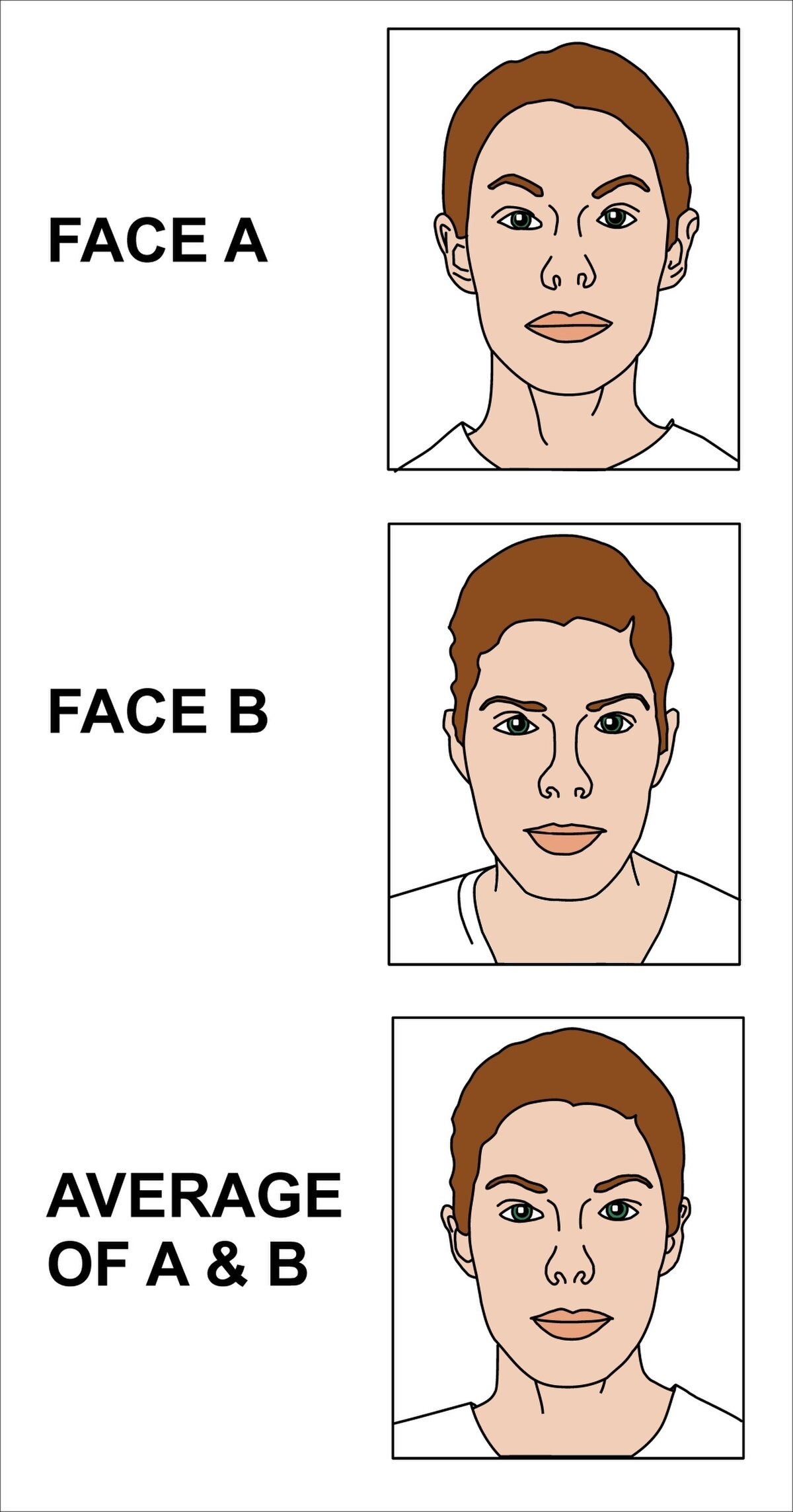
From the perspective of evolutionary psychology, this obsession may have started as a survival mechanism. Facial symmetry and averageness were historically used as mental shortcuts to judge genetic health and resistance to disease in a potential mate.
A diagram illustrating the concept of averageness in facial attractiveness, showing two distinct female faces (FACE A and FACE B) and a third face labeled "AVERAGE OF A & B". Cruithne9, CC BY-SA 4.0, via Wikimedia Commons
Our ancient ancestors were looking for biological fitness, but today, those same instincts are constantly triggered by media and societal standards.
The contradictory catch
The bias is complex and often self-defeating. Beauty standards create a double-edged sword for many people. Take the dumb blonde stereotype: extreme adherence to certain beauty ideals can paradoxically lead observers to discount a person's intelligence.
We are trapped between admiring beauty as a sign of success and using it to dismiss capability.
Why does symmetry signal health?
People can judge beauty at a subliminal level in just one-hundredth of a second. Across cultures, facial and bodily symmetry are among the most consistent markers of physical attractiveness.
Developing a symmetrical body requires billions of cell divisions to proceed without disruption. Physical asymmetry often signals past illnesses, injuries, toxins, malnutrition, or genetic mutations encountered during growth. A symmetrical appearance acts as a visible cue of developmental stability and underlying biological health.
Studies show that women find symmetrical faces more attractive when seeking long-term mental performance and healthy offspring. Male facial symmetry also correlates with higher rates of female copulatory orgasms.
What features define physical attraction?
Researchers have identified eight foundational pillars of beauty: youthfulness, symmetry, averageness, sex-hormone markers, body odor, motion, skin complexion, and hair texture. Clear skin, smooth texture, and vivid color in the eyes and hair serve as indicators of physiological health.
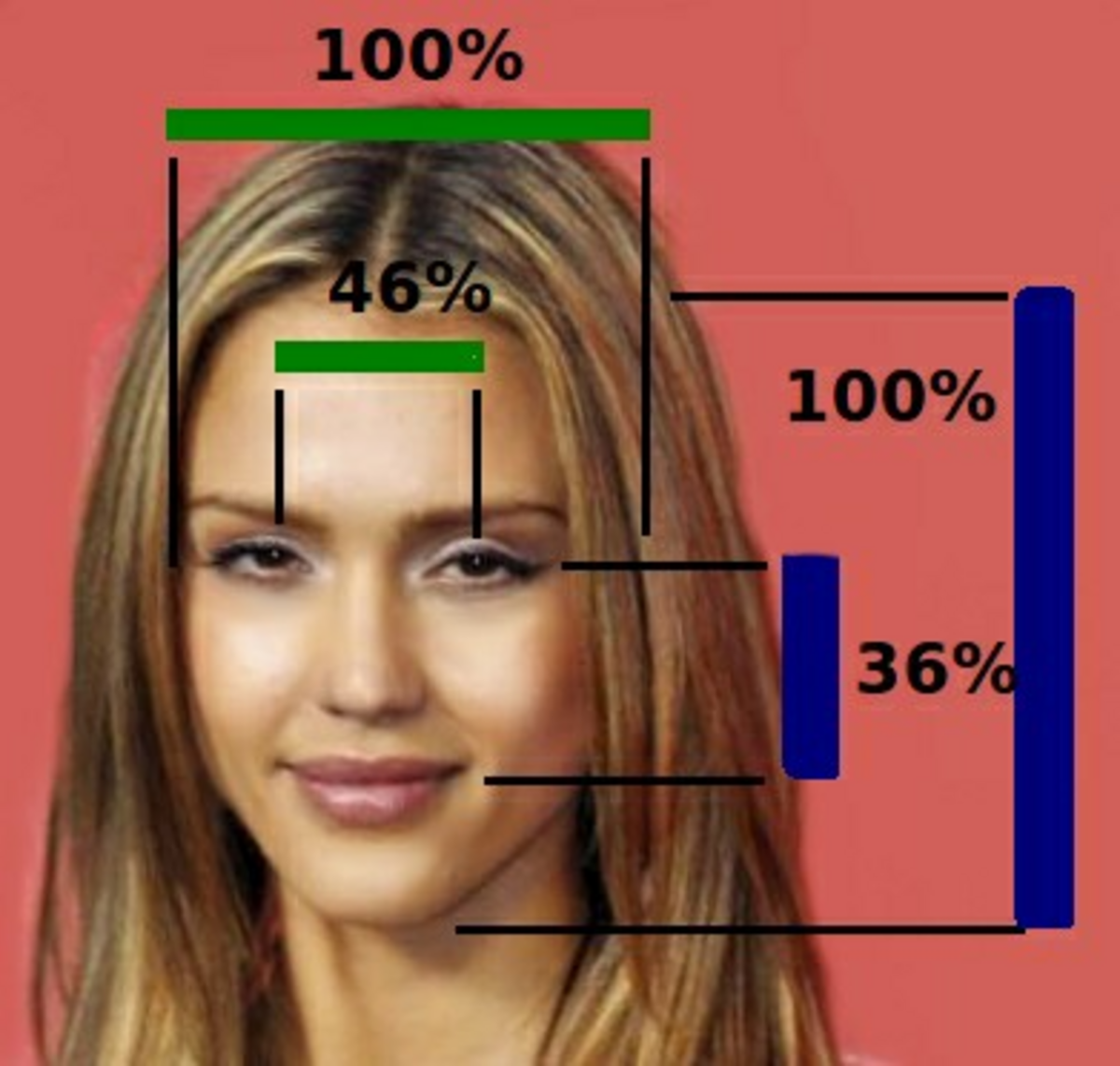
Research has linked attractiveness to facial averageness, with actress Jessica Alba possessing facial proportions close to the average female profile. Jessica_Alba_Cropped2.png: pinguino k from North Hollywood, USA derivative work: Tomwsulcer (talk), CC BY 2.0, via Wikimedia Commons
Men and women look for distinct physical markers when assessing potential partners. Heterosexual men generally prefer youthful traits, full lips, full breasts, and a low waist-to-hip ratio. Heterosexual women tend to favor men who are taller than them, possessing broad shoulders, upper body strength, and a V-shaped torso.
Preferences can also shift based on social context and culture. Non-severe facial scarring has been shown to increase male attractiveness in short-term relationships, and cultural standards vary, such as traditional Samoan preferences for higher body fat.
Play the lesson in edgi and the card is yours. It lands on your Map next to the ideas it connects to, and turns from matte to foil to gold as you learn more around it.
The halo effect is a cognitive bias where people assume an attractive person has other positive qualities, including higher intelligence and honesty. This bias influences everyday life, leading to higher salaries and more lenient courtroom sentences for attractive individuals.
Are attractiveness and intelligence connected?
Research in the United States and the United Kingdom found a positive correlation between objective measures of physical attractiveness and general intelligence. Evolutionary psychologists propose that both traits are biological indicators of overall genetic fitness, with the correlation appearing stronger in men than in women.
Can someone be too symmetrical?
While symmetry is widely preferred, absolute flawlessness can appear disturbing to observers. Natural human beauty generally balances strong symmetry with minor, natural variations.