Tinder: how the double opt-in ended cold rejection
Tinder is a geosocial dating and networking app where people browse nearby profiles by swiping right to like or left to pass. Two users can only send messages if they both swipe right on each other, a system known as double opt-in matching. This design removed the sting of direct rejection because users never know who passed on them.
By the edgi team We find the most surprising true thing about an idea and build a 60-second lesson around it.
Tinder launched in 2012, but it didn't take off until a fateful party at a USC sorority. The founders made downloading the app a requirement for entry. Suddenly, everyone in the room was swiping, and the network effect kicked in overnight.
The Gwynn Wilson Student Union on the University Park campus of the University of Southern California is shown with a fountain in the foreground. EEJCC, CC BY-SA 4.0, via Wikimedia Commons
The deck of cards
The iconic swipe wasn't in the original design. It was added later, inspired by the natural way people flick through a physical deck of cards. By turning profiles into a stack of cards, the app gamified human connection, making the process of judging others feel like a repetitive, dopamine-driven habit.
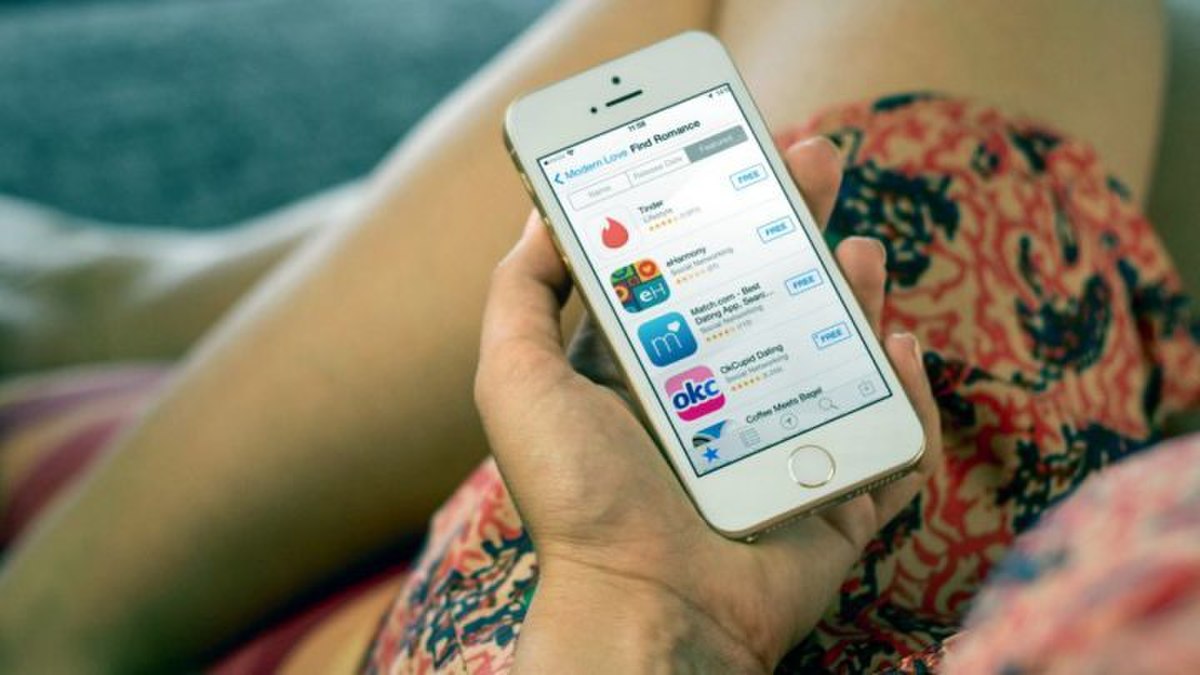
A hand holding a smartphone displaying a dating app illustration with a pink heart pierced by a blue arrow on its screen. Santeri Viinamäki, CC BY-SA 4.0, via Wikimedia Commons
The double opt-in
Before Tinder, online dating usually meant sending messages into a void and hoping for a reply. Tinder pioneered the double opt-in: you only talk to people who have already expressed interest in you.
It effectively deleted the fear of the cold approach. You never have to worry about being rejected, because you only ever hear from your matches.
How Tinder matching works
Tinder uses location data and simple profile cards containing photos, a short biography, and listed interests. When someone opens the app, they see a stack of profiles. Swiping right signals a like, while swiping left signals a dislike.
The selection stays private unless the other person also swipes right. Once a mutual like happens, the app creates a match and unlocks a shared chat window. Free accounts have a limit on the number of right swipes allowed in a 12-hour window, while paid subscription tiers offer features such as limitless matches, profile boosts, and the ability to rewind accidental swipes.
The origins and growth of the swipe
Tinder began in 2012 at the Hatch Labs startup incubator under the prototype name Matchbox. Founders Sean Rad and Jonathan Badeen turned the interface into a virtual deck of cards, modeling the swipe gesture after Badeen tested the motion on a fogged bathroom mirror. The company renamed the project Tinder to avoid confusion with Match.com, keeping its flame-themed logo.
The Tinder flame logo, which remained consistent after the app rebranded from its original prototype name, Matchbox. Tinder, Public domain, via Wikimedia Commons
By October 2014, users logged one billion swipes and 12 million matches daily, spending an average of 90 minutes per day on the service. By 2025, the platform reached 75 million monthly active users across 190 countries, generating $1.862 billion in annual revenue.
Play the lesson in edgi and the card is yours. It lands on your Map next to the ideas it connects to, and turns from matte to foil to gold as you learn more around it.