PanspermiaHow life travels between planets on rocks
Panspermia is the hypothesis that microscopic life exists throughout the universe and travels between planets aboard comets, asteroids, and space dust. Rather than beginning directly on Earth, living microbes or spores were transferred here from somewhere else in the cosmos. It shifts the question of biology from an isolated event on our planet to a widespread cosmic process.
By the edgi team We find the most surprising true thing about an idea and build a 60-second lesson around it.
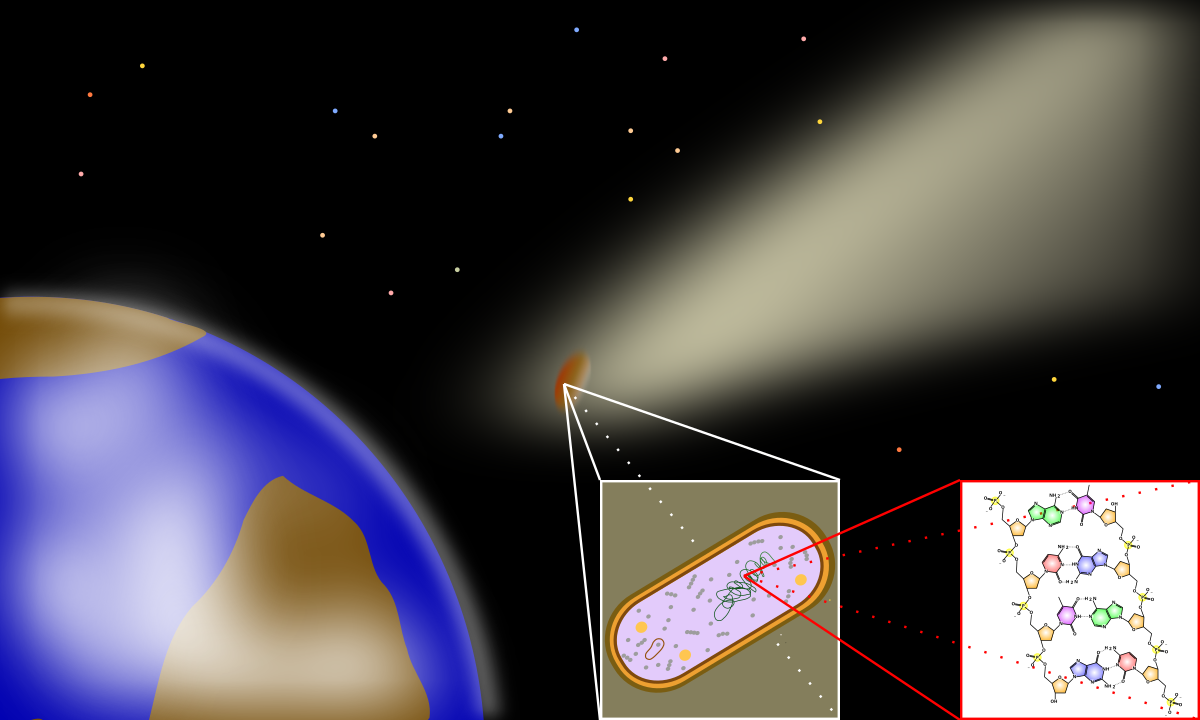
The hypothesis of panspermia argues that life isn't a local miracle, but a cosmic traveler. It posits that microorganisms can survive the vacuum of space while hitching rides on asteroids or comets.
Illustration depicting the panspermia hypothesis, where a comet travels through space carrying a bacterium, which contains DNA, towards a planet resembling Earth. Silver Spoon Sokpop, CC BY-SA 3.0, via Wikimedia Commons
Consider Deinococcus radiodurans, a bacterium that survives radiation doses that would sterilize a planet, a trait useless on Earth, but essential for a space hitchhiker.
The evidence
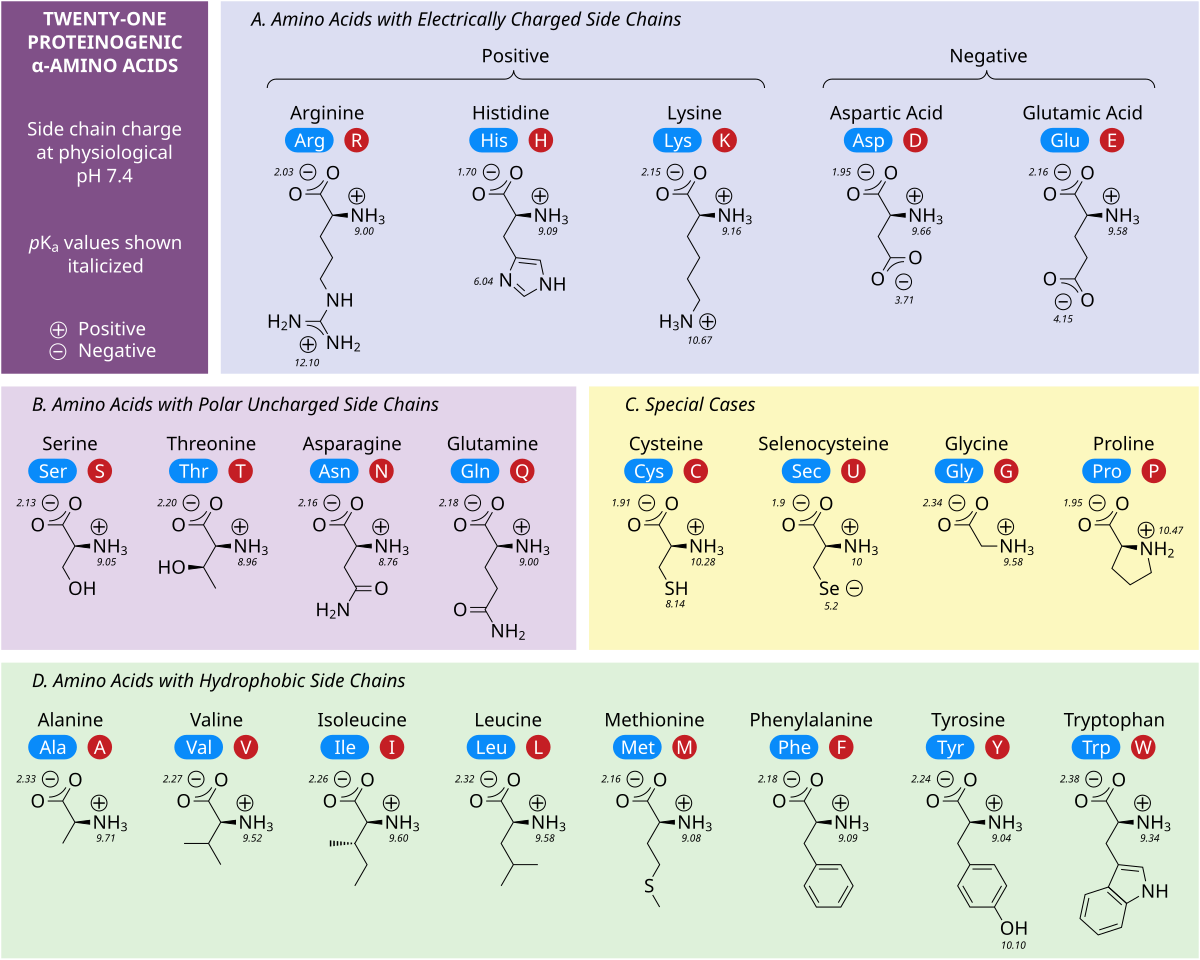
In 1969, the Murchison meteorite slammed into Australia. It wasn't just a rock; it carried dozens of amino acids, the building blocks of protein, that formed in deep space.
Chart displaying the chemical structures of twenty-one proteinogenic alpha-amino acids found in eukaryotes, grouped by their side chain properties at physiological pH 7.4. TungstenEinsteinium, CC BY-SA 4.0, via Wikimedia Commons
This proved that the fundamental chemistry of life can travel between stars, turning the universe into a delivery system for biology.
The bigger picture
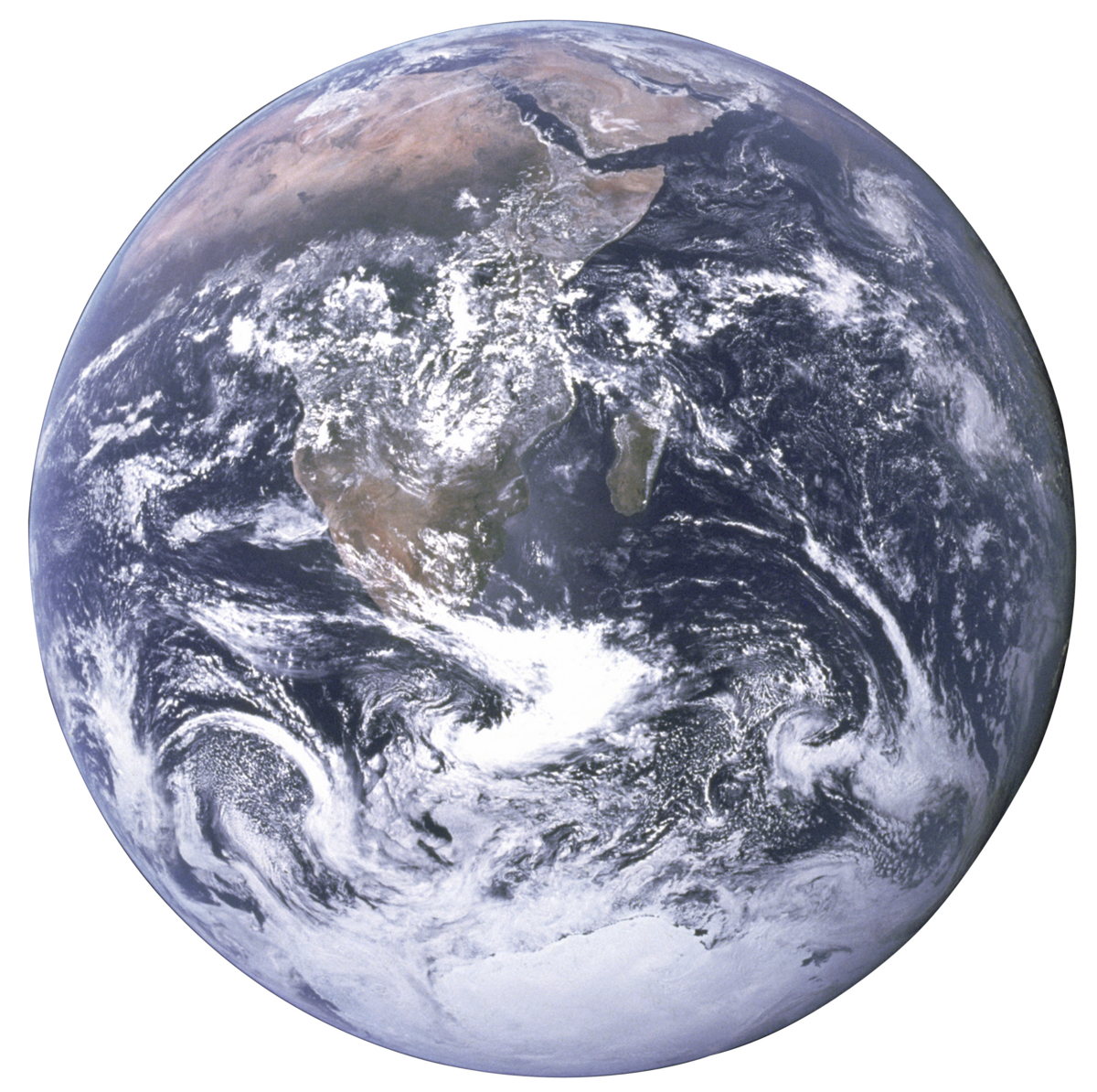
If life is distributed this way, Earth is not the center of the story. We are just one branch of a single, sprawling family tree that potentially covers the entire galaxy.
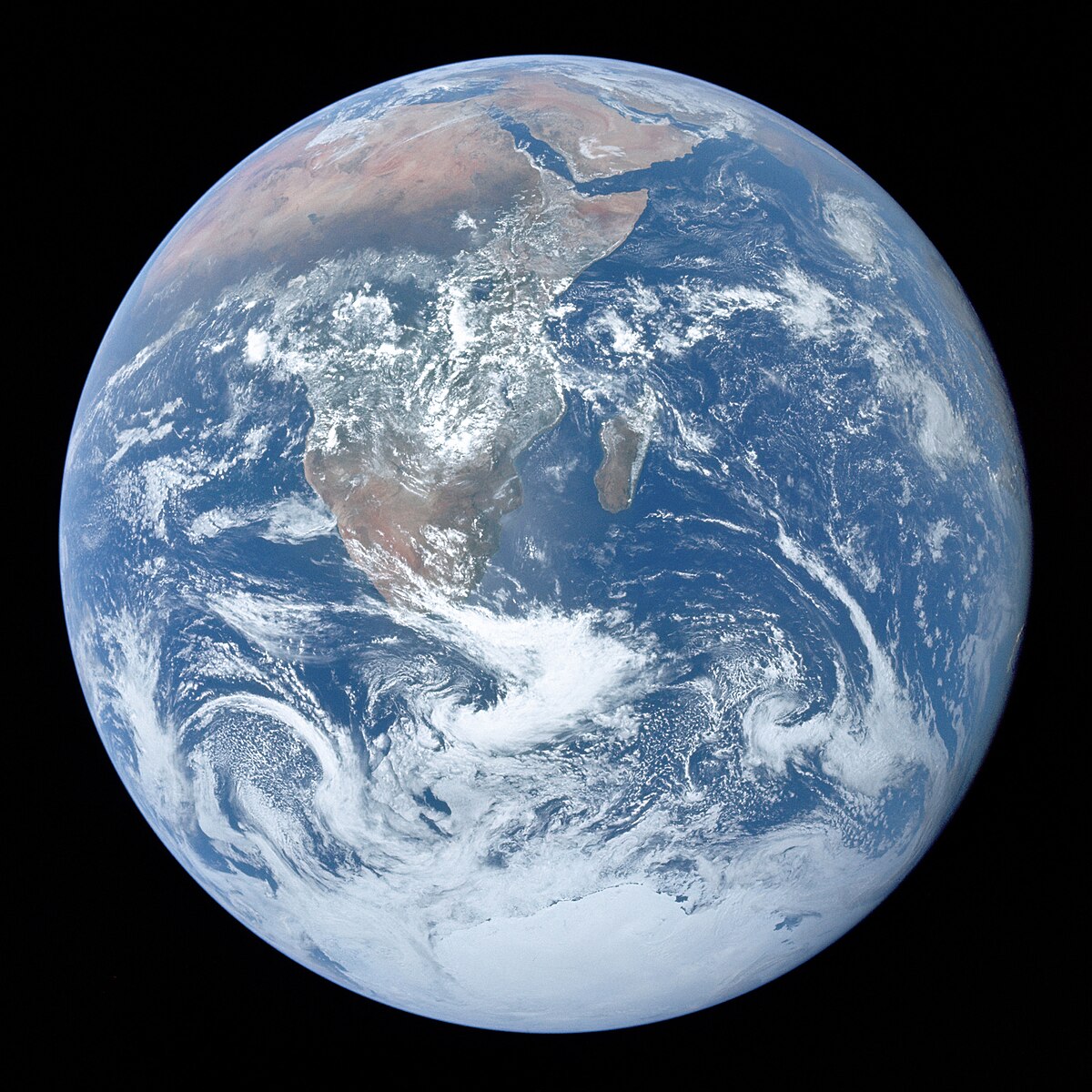
A full view of Earth as seen from space, showing continents, oceans, and cloud formations. NASA, Public domain, via Wikimedia Commons
It means the search for extraterrestrial life isn't about finding something alien, it might be about finding our long-lost cousins.
How life travels across space
Panspermia proposes that microbes become trapped in rocky debris after violent planetary collisions and drift across solar systems. Some organisms, like the bacterium Deinococcus radiodurans, can survive extreme radiation doses that would sterilize normal environments. This resilience allows hardy bacteria and spores to withstand the vacuum, cold, and radiation of space.
The hypothesis takes several forms depending on how organisms travel. Lithopanspermia involves microbes shielded inside meteorites, while radiopanspermia relies on radiation pressure from stars pushing microscopic spores across space, a mechanism proposed by Swedish scientist Svante Arrhenius in 1908. Directed panspermia involves the deliberate or accidental spread of microbes by spacecraft.
The historical debate over life's origins
In the 1860s, Louis Pasteur experimentally disproved spontaneous generation, showing that life does not simply appear from non-living matter. At the same time, planetary formation models showed that the early Earth was initially far too harsh to support living systems. This created a paradox: life existed on Earth, but non-living matter could not easily generate it.
Scientists split into two camps to solve this puzzle. Mainstream researchers pursued abiogenesis, the idea that primitive Earth conditions eventually generated life from non-living chemicals. Others, including Lord Kelvin in 1871, argued that life only comes from existing life and must have arrived via meteorite impacts. Arrhenius later argued that life is eternal across the cosmos, making searches for an absolute starting point unnecessary.
Panspermia versus pseudo-panspermia
Mainstream scientists largely treat panspermia as a fringe hypothesis because it cannot be tested experimentally and merely moves the initial origin of life to another celestial body. In contrast, pseudo-panspermia is well-supported by physical evidence.
Pseudo-panspermia proposes that the basic organic building blocks of life formed in deep space and were delivered to planetary surfaces. In 1969, the Murchison meteorite landed in Australia carrying dozens of space-formed amino acids, confirming that prebiotic chemistry travels naturally between stars even if living cells do not.
Test yourself
Why might an extremophile evolve traits useless on its home world?
It adapted for travel in another realm. Traits that seem useless locally often prepare an organism for an entirely different environment, such as the harsh vacuum of deep space.
Did life on Earth arise from unique local chemistry or cosmic distribution?
Cosmic distribution. We often assume life is a freak accident specific to Earth's origins. However, the presence of life-building blocks in space suggests we might be the product of a persistent, galaxy-wide delivery system.
Play the lesson in edgi and the card is yours. It lands on your Map next to the ideas it connects to, and turns from matte to foil to gold as you learn more around it.
The Greek natural philosopher Anaxagoras first proposed in the 5th century BCE that the cosmos was full of life seeds that fell to Earth. Modern scientific panspermia was later developed by 19th-century scientists like Lord Kelvin and formally named by Svante Arrhenius in 1908.
Can spacecraft accidentally spread panspermia?
Yes, spacecraft can carry hardy microorganisms from Earth to other planets, a process known as directed panspermia. Some bacteria can survive standard cleanroom sterilization procedures intended to protect other planetary bodies from contamination.
Why do critics reject panspermia?
Critics point out that panspermia does not explain how life first began; it only moves the starting point to another planet. It is also criticized because current technology cannot experimentally test or verify the transfer of living microbes across interstellar space.