The cosmic lottery
Most people assume that if the universe is infinite, life must be everywhere. But the Rare Earth hypothesis argues that complex life, animals, intelligence, is not a simple evolution. It is a statistical miracle.
The Rare Earth hypothesis is the proposal that the origin of complex, multicellular life and human intelligence requires an extraordinarily improbable combination of astrophysical and geological conditions. While basic life might exist elsewhere, planets capable of supporting advanced animals are exceedingly rare throughout the universe. This idea offers an explanation for why humanity has found no signs of alien civilizations across a seemingly vast cosmos.

By the edgi team We find the most surprising true thing about an idea and build a 60-second lesson around it.
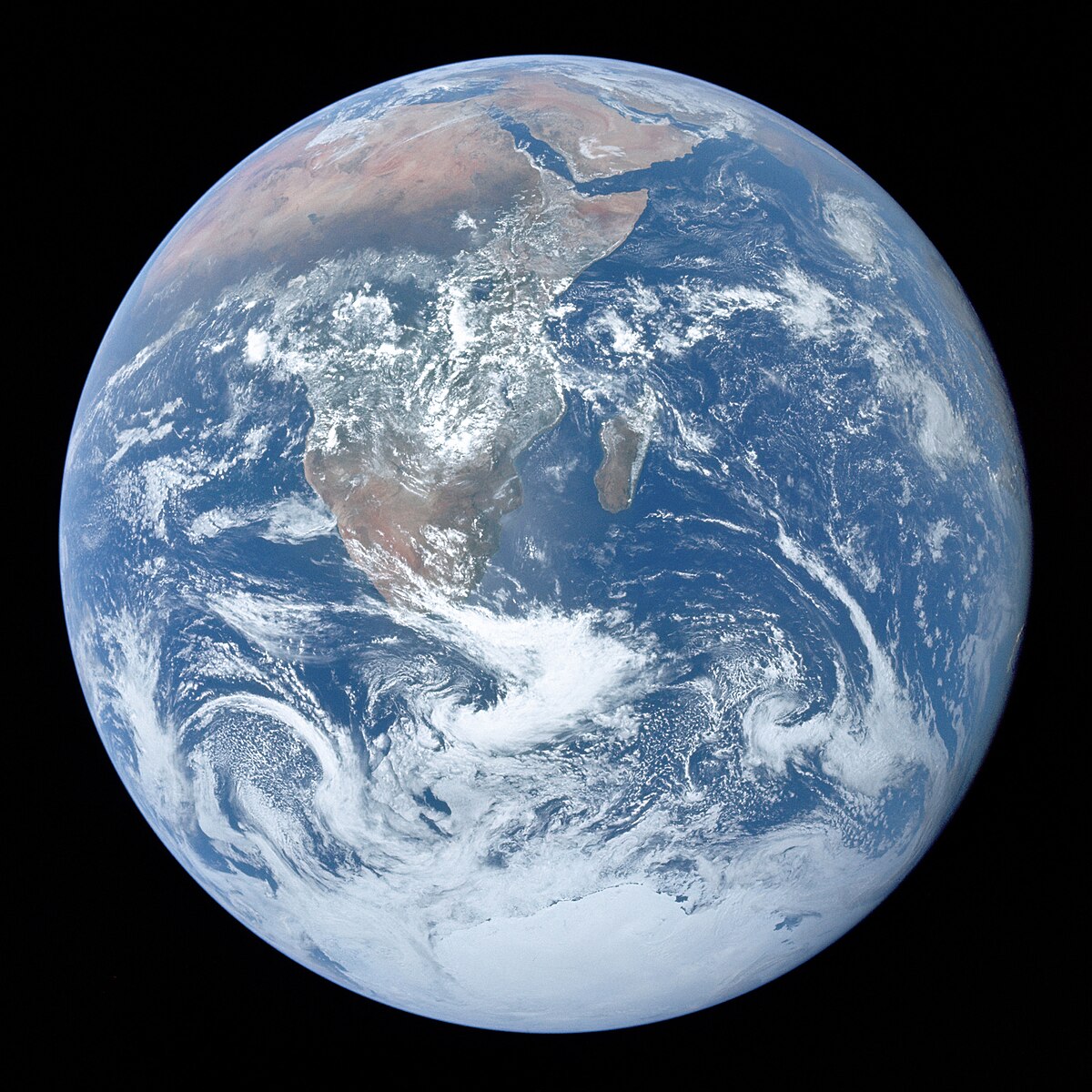
Most people assume that if the universe is infinite, life must be everywhere. But the Rare Earth hypothesis argues that complex life, animals, intelligence, is not a simple evolution. It is a statistical miracle.
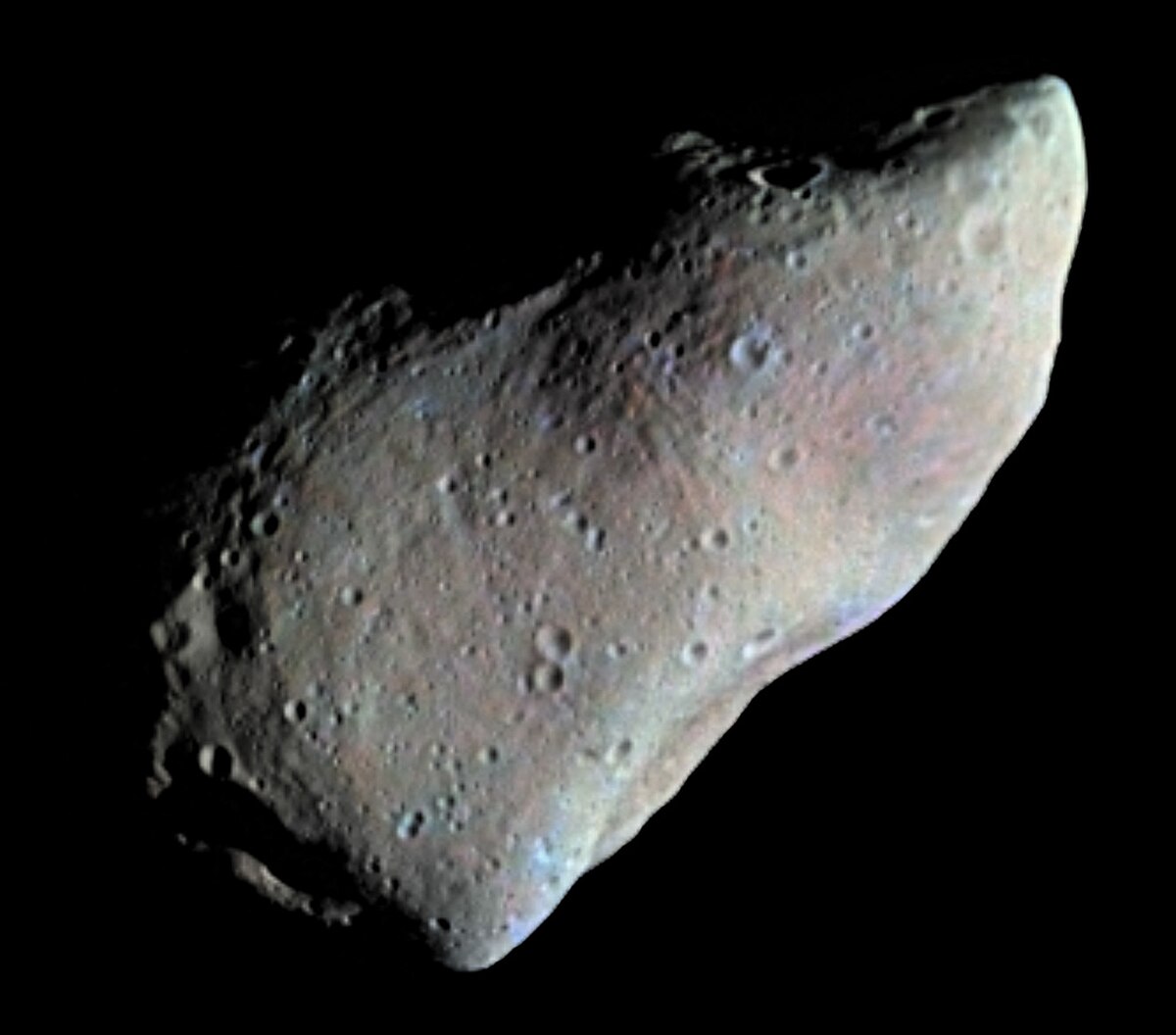
We need more than just a planet in the Goldilocks Zone. We need a cosmic bodyguard. Jupiter’s massive gravity acts as a vacuum cleaner, sucking up lethal asteroids that would otherwise sterilize our planet.
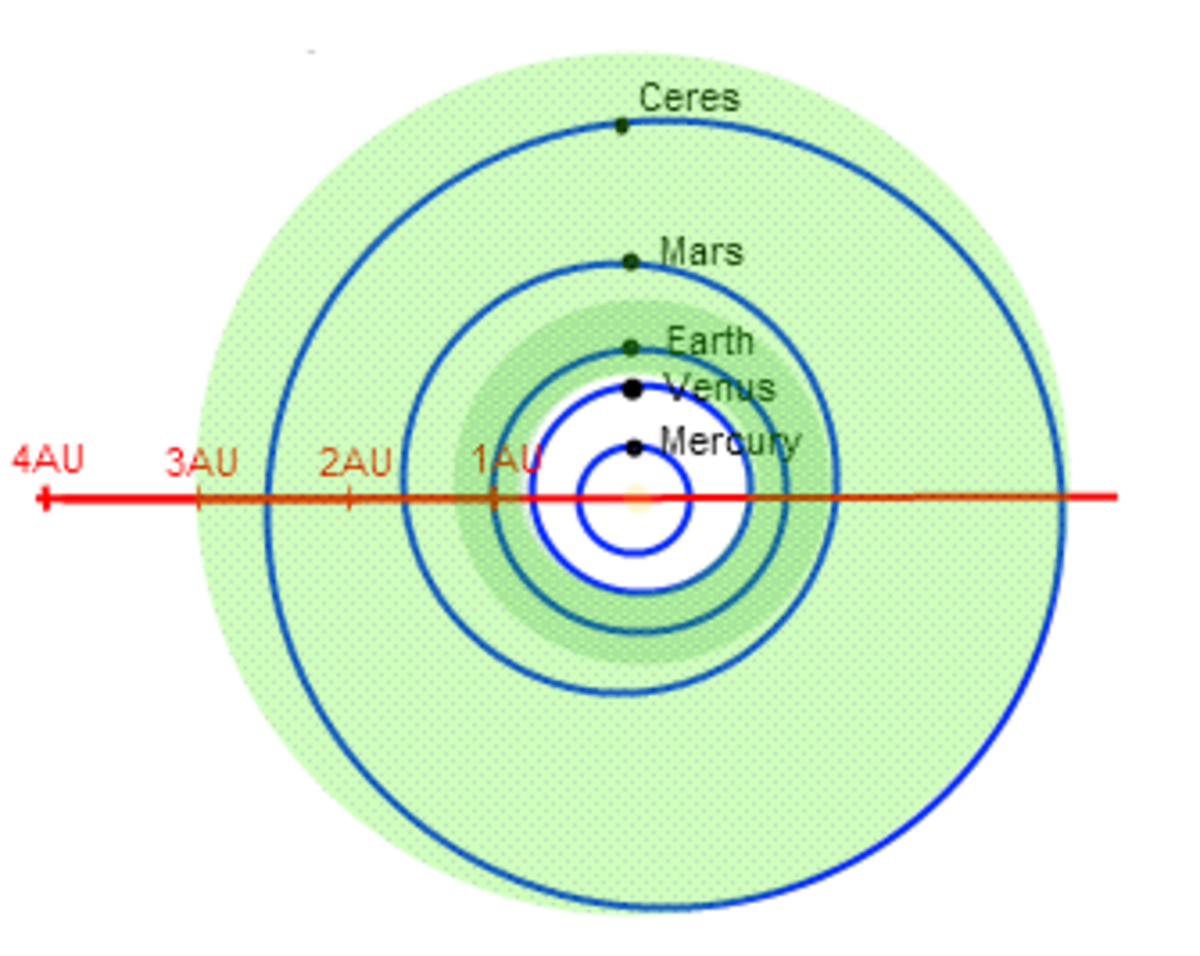
Without a giant gas neighbor, Earth would have been bombarded into a dead rock long before complex life could evolve.
We also owe our existence to our Moon, which is unusually large for a planet our size. It stabilizes Earth's tilt, preventing wild climate swings that would make evolution impossible.
Without that steady wobble, Earth would likely be a chaotic, boiling, or freezing swamp of slime.
This might explain the Fermi Paradox: the baffling silence of the universe. It’s not that we are being ignored. It’s that the Great Filter, the hurdle that stops life from becoming complex, is behind us.
We didn't just survive; we won the rarest lottery in history.

Much of the Milky Way is a dead zone for complex life. Habitable systems must sit in a narrow ring between 7 and 9 kiloparsecs from the galactic center, containing only 5 to 10 percent of the stars in our galaxy.
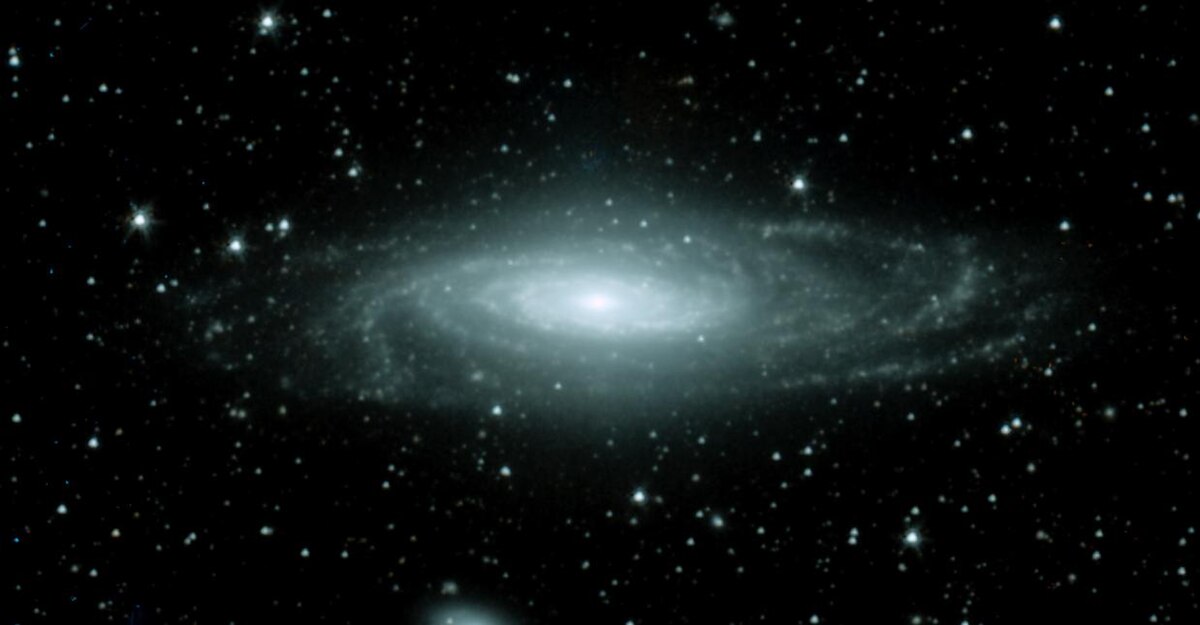
Getting closer to the center exposes planets to lethal radiation from the central black hole and dense clusters of supernovae. Moving too far out means stars lack metals, which in astronomy includes every element heavier than hydrogen and helium necessary to form rocky planets. Habitable systems also require circular orbits around the galaxy to avoid crossing crowded spiral arms.
Our own Milky Way is an unusually quiet barred spiral galaxy, a type that represents just 7 percent of its kind.
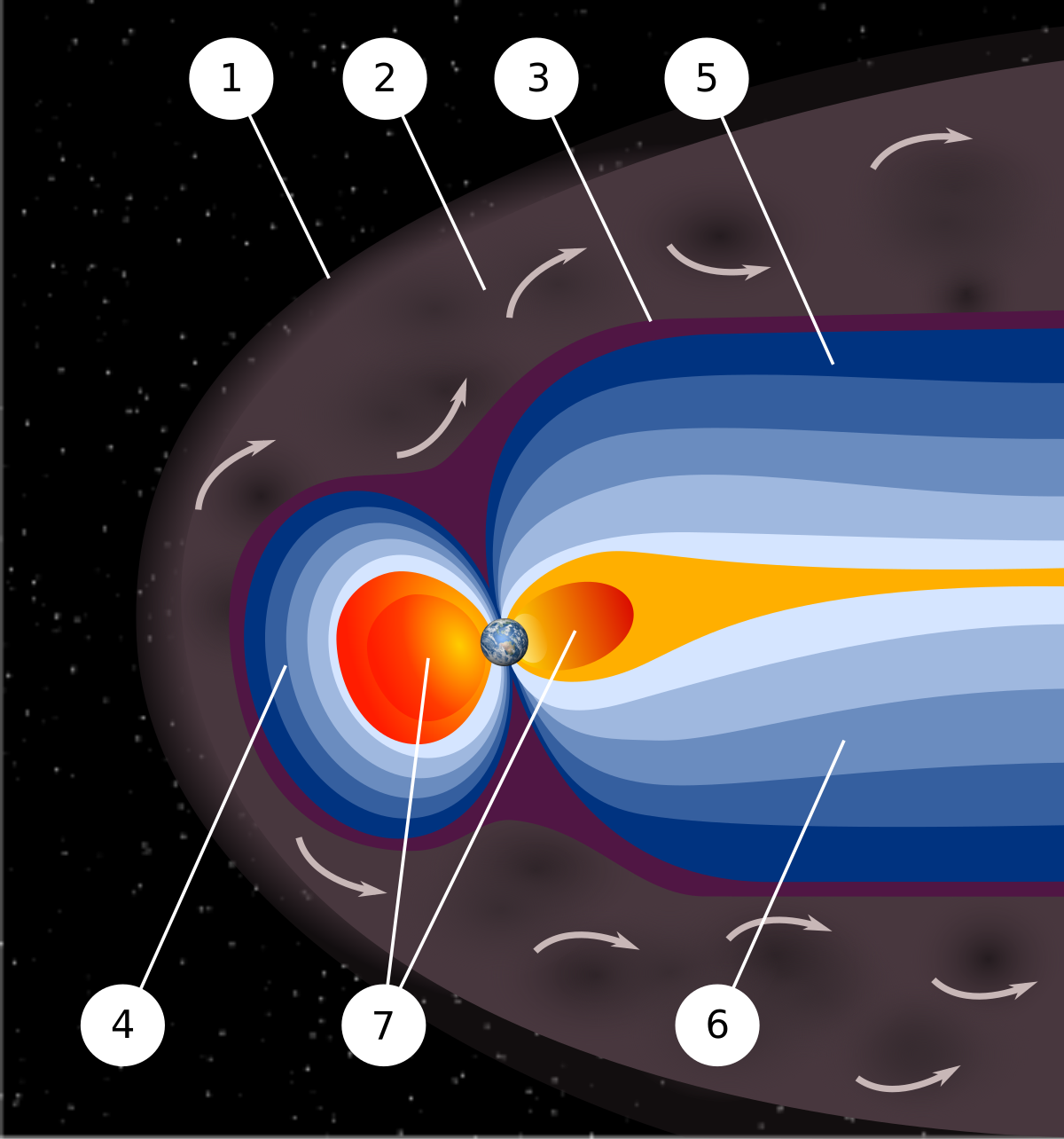
A rocky world needs a magnetosphere to shield its surface from dangerous radiation, alongside active plate tectonics to regulate its chemistry and climate. The presence of a gas giant like Jupiter helps deflect or absorb incoming impactors, while an unusually large moon stabilizes the planet's tilt.
Biological hurdles add another layer of improbability. The jump from simple single-celled life to eukaryotic cells, sexual reproduction, and the Cambrian explosion of animal phyla demanded specific environmental triggers, including glaciations and asteroid strikes. Human intelligence required further chance events, such as the extinction of the dinosaurs 66 million years ago.
Does the Rare Earth hypothesis claim complex life requires improbable conditions?
Yes, it is a statistical miracle. The Rare Earth hypothesis suggests that while simple microbes might be common, the specific planetary conditions for complex animals are extraordinarily rare.
Does the Rare Earth hypothesis imply that complex life is an inevitable outcome?
No, it is a rare anomaly. The hypothesis posits that complex life requires an improbable sequence of events, making it a statistical miracle rather than an inevitable product of the universe's scale.
Collectible card
Play the lesson in edgi and the card is yours. It lands on your Map next to the ideas it connects to, and turns from matte to foil to gold as you learn more around it.
Geologist Peter Ward and astronomer Donald E. Brownlee introduced the concept in their 2000 book, Rare Earth: Why Complex Life Is Uncommon in the Universe. Both authors were faculty members at the University of Washington.
The Fermi paradox asks why alien life is not obvious if the universe is so vast. The hypothesis suggests that Earth-like planets capable of supporting complex life are so rare and separated by thousands of light-years that communication between intelligent species becomes nearly impossible.
Carl Sagan and Frank Drake supported the principle of mediocrity, arguing that Earth is a typical planet orbiting a typical star in a normal galaxy. They believed that because Earth is ordinary, complex life and intelligent beings should be common throughout the universe.
Part of the Set · 7 cards
The math says the sky should be full of aliens. It isn't. Every explanation is worse.
Lesson complete
You finished the lesson. In edgi, the card goes on your Map next to everything else you learn.