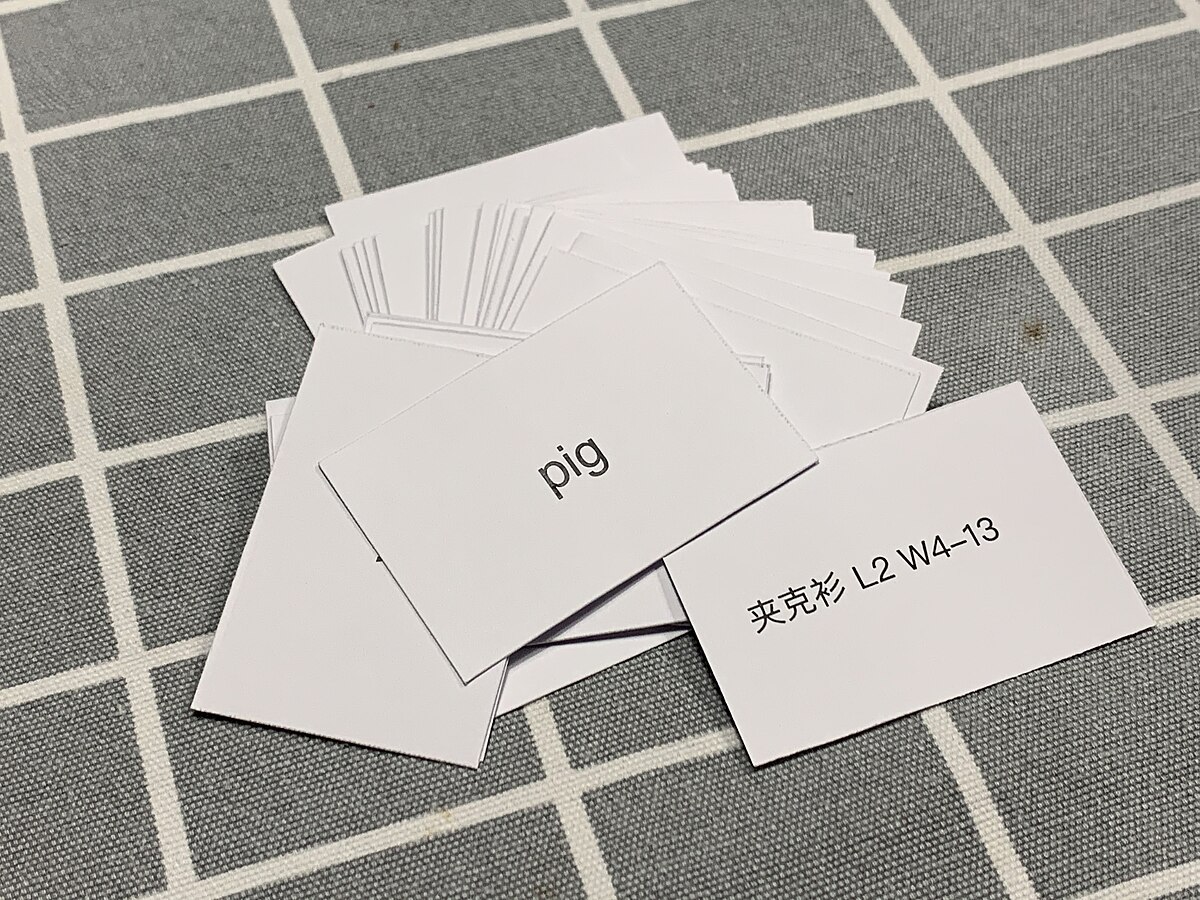
The testing effect is the boost in long-term memory that happens when you spend study time pulling information out of your own mind instead of just reviewing it. Rereading creates a temporary feeling of fluency, but actively retrieving facts cements them for days, weeks, or years. It turns tests from tools that merely measure knowledge into tools that build it.
By the edgi team We find the most surprising true thing about an idea and build a 60-second lesson around it.
In 2006 Henry Roediger and Jeffrey Karpicke gave 120 students two short science passages to learn, one on the sun and one on sea otters. Everyone read both passages once. Then each student read one of them a second time, the way most people study.
With the other passage they put it away and wrote down everything they could remember on a blank sheet. That is free recall, and it took the same number of minutes as the second read. Some sat the final test five minutes later, others a week later. At five minutes, rereading won, 81 percent to 75. A week later, writing it out won, 56 percent to 42.
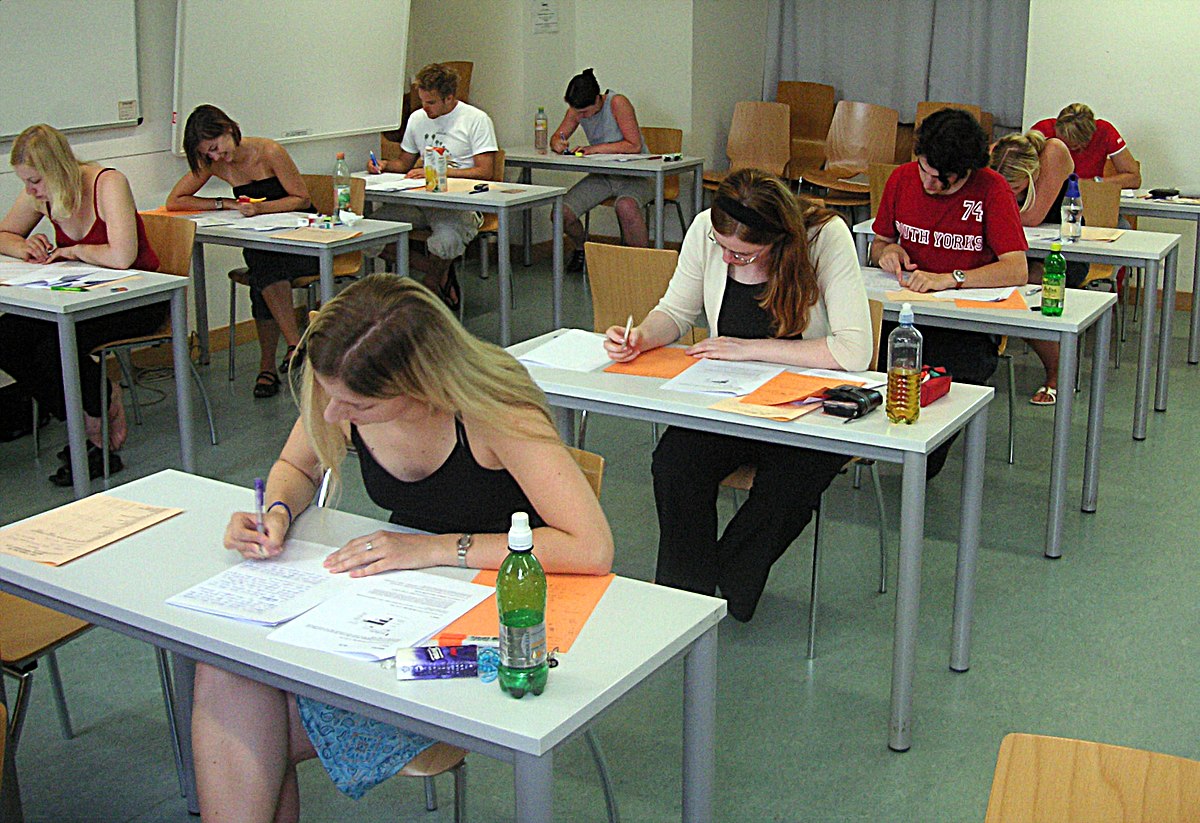
Students are taking a test in a classroom at the University of Vienna, seated individually at desks with papers and writing utensils. KF, Public domain, via Wikimedia Commons
Why rereading feels like it is working
Rereading really does work, for a while. At five minutes it was the better of the two methods, and a few minutes after studying is when you decide whether the session went well. What you can feel while rereading is processing fluency, how easily the words read. The second pass is smoother than the first whether or not you could write a word of the passage down.
The same paper ran a second experiment. Some students read a passage four times over; others read it once and then tried to recall it three times. Everyone predicted how much they would still have in a week, and the rereaders predicted the most. A week later the rereaders had 40 percent of the passage and the other group had 61.
What the blank page added
The testing effect is a plain finding about what lasts. Material you have pulled back out of your own memory holds up better a week later than material you have read a second time. Reading again never asks you to produce anything; the words are there and you follow them. A blank page asks for the thing the later test will ask for: the material with nothing in front of you.
Nobody in the experiment was told afterwards what they had got wrong. The recall attempt worked with no correction at all, so pulling the material out of memory is what did the work. So read the chapter once, then shut it and write out what you can. Whatever does not come is what you were about to lose, and now you know which parts to go back to.
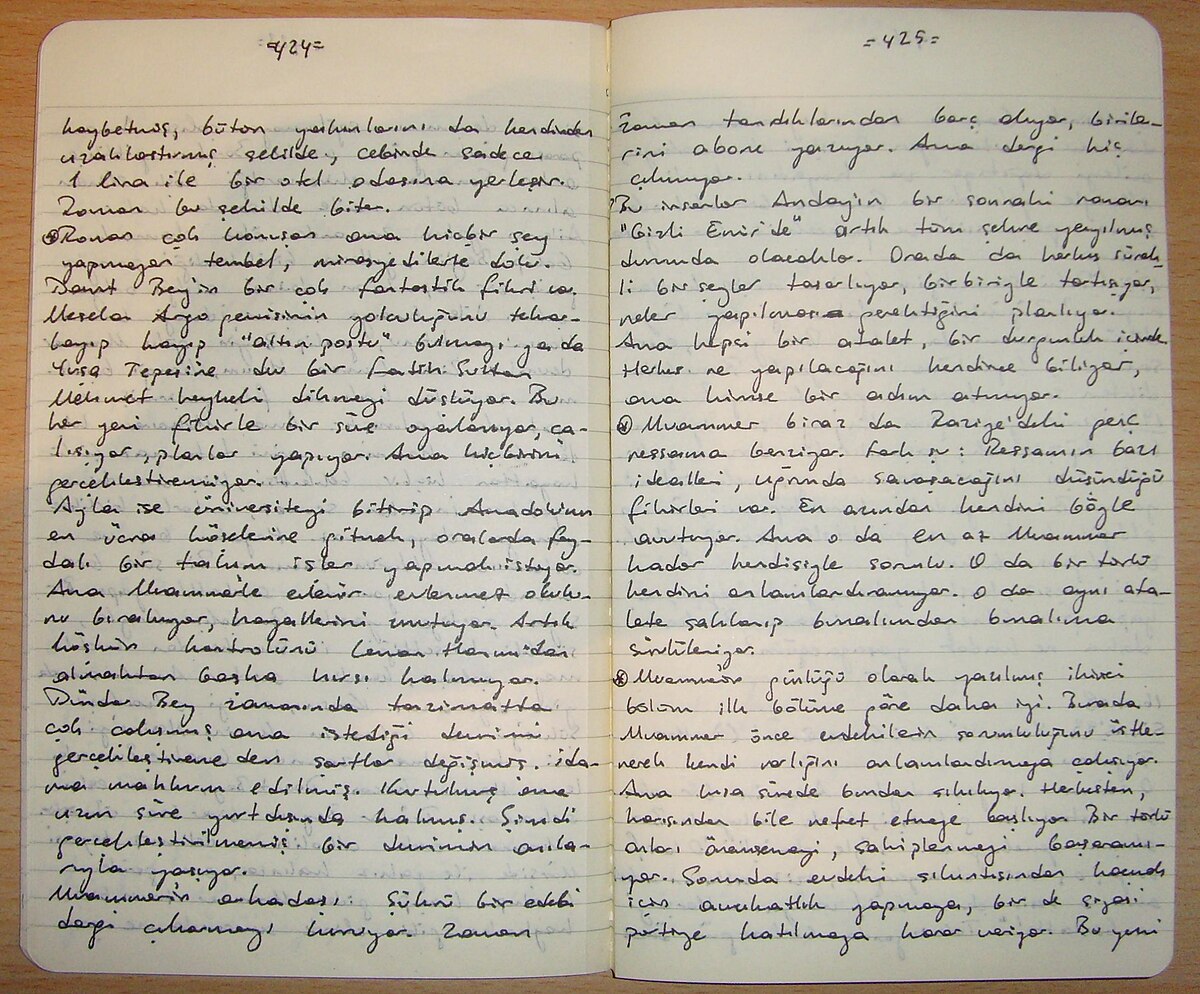
An open notebook with handwritten notes in a foreign language, likely Turkish, covering both pages. Homonihilis, Public domain, via Wikimedia Commons
How retrieval changes the brain
In 1620, Francis Bacon observed that reciting a text ten times from memory taught it better than reading it twenty times through. Later thinkers, including John Locke in 1689 and William James in 1890, noted the same pattern: actively pulling ideas to mind leaves a deeper mark than passive repetition.
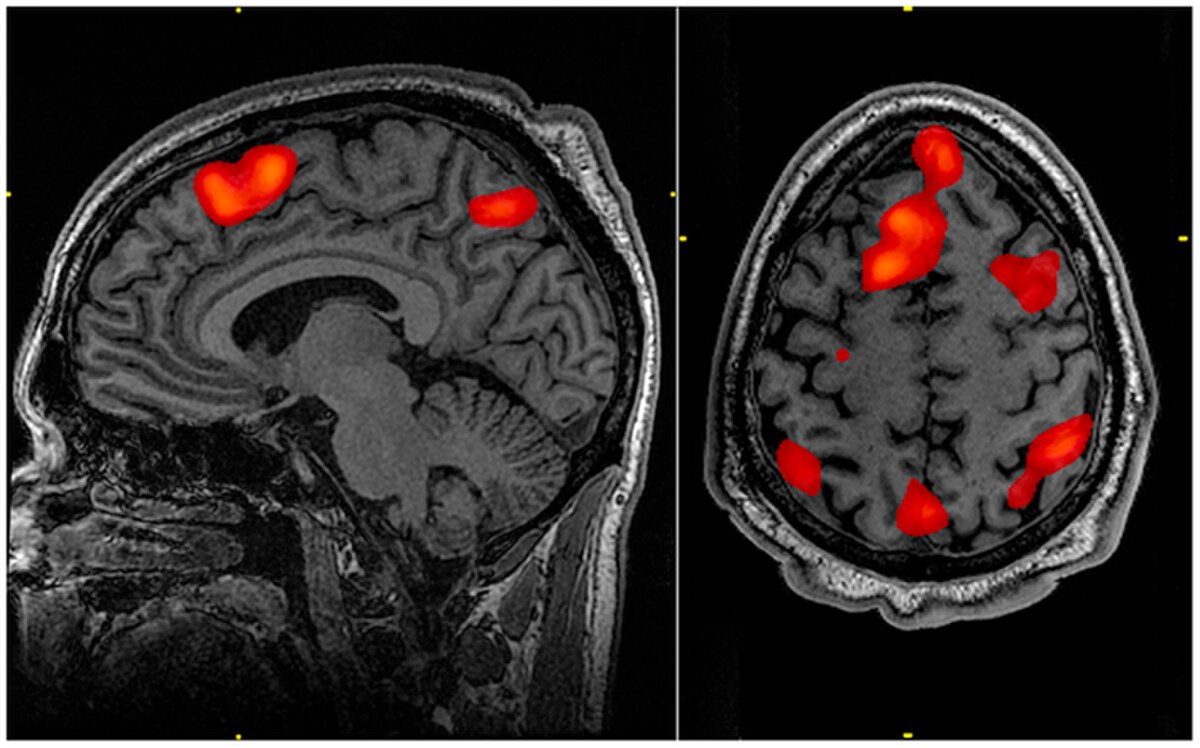
Modern research explains why. Brain imaging shows that retrieval practice works through a dual action in both the anterior and posterior regions of the hippocampus. This process creates multiple retrieval routes to the same memory, links separate ideas together, and protects against forgetting.
The benefit does not depend on innate ability. Studies show that differences in personality traits and working memory capacity do not reduce the effect, and lower-ability learners often gain the largest advantage from practice testing.
Storage strength versus retrieval strength
Researchers distinguish between storage strength, which measures how well information is anchored in long-term memory, and retrieval strength, which reflects how easily you can access that information right now. Restudying or rereading inflates retrieval strength immediately after a session, but that accessibility drops sharply over time.
Testing operates differently. Even when retrieval during practice feels difficult, that mental effort builds durable storage strength. Testing also aids knowledge transfer, helping learners apply theory to practical tasks, answer inference questions, and solve medical diagnosis problems.
Test yourself
Does the testing effect rely on receiving immediate feedback and corrections after free recall?
No. Pulling material out of memory builds retention even without correction, because the act of retrieval itself strengthens the neural trace.
Why does rereading a chapter feel like a more effective study method than active recall?
It generates high processing fluency.. Rereading feels smooth and effortless, which tricks the mind into confusing temporary familiarity with lasting retention.
You have twenty minutes left with a chapter you read once yesterday. Best use of them?
Close it and write out what you can. Producing the material with the book shut is the operation a later test demands. Reading and highlighting both leave the words in front of you.
Play the lesson in edgi and the card is yours. It lands on your Map next to the ideas it connects to, and turns from matte to foil to gold as you learn more around it.
How does the testing effect differ from the practice effect?
The practice effect refers broadly to any improvement that comes from repeating a task or activity. The testing effect specifically describes how the act of retrieving information from memory boosts long-term retention compared to passive review.
When is the best time to test yourself after studying?
If you study during the day, inserting a delay and testing yourself in the evening provides a stronger boost. If you study at night, test yourself immediately before going to sleep to lock in the material.