AssayMeasuring hidden substances and biological activity
An assay is a laboratory test that detects or measures a specific target substance, called an analyte, in a sample. It evaluates the presence, amount, or functional activity of elements like drugs, proteins, or cells. Unlike straightforward chemical testing, assays often measure complex biological materials that produce noisy, hard-to-interpret signals.

By the edgi team We find the most surprising true thing about an idea and build a 60-second lesson around it.
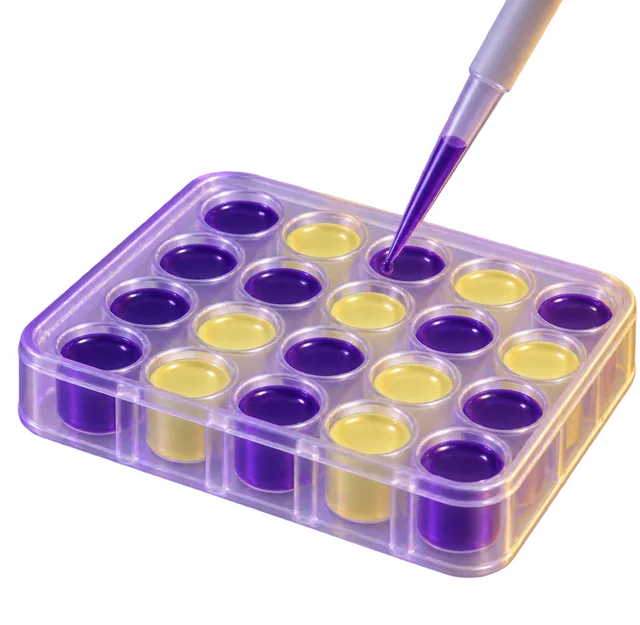
How an assay works
Every assay relies on keeping all added test chemicals (reagents) fixed or in excess. This ensures that the target substance itself is the only limiting factor affecting the test result. Scientists then measure the outcome to calculate the exact amount, concentration, or biological activity of the target.
The test itself relies on two core principles: specific identification and signal amplification. A discrimination system picks the target out from a noisy background of similar molecules, such as using specific DNA primers in a PCR assay. An amplification system then magnifies that presence into a measurable signal, such as copying a DNA sequence millions of times so instruments can detect it.
Where laboratory errors happen
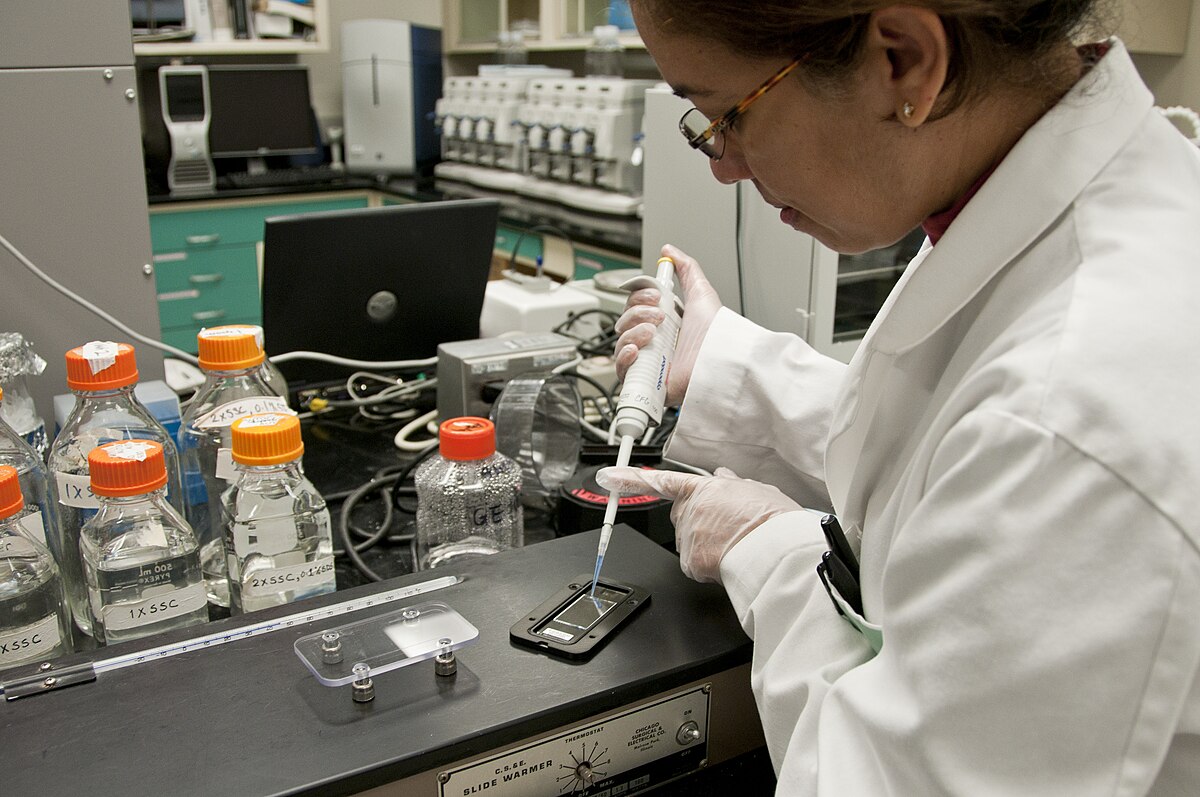
The steps that take place before a sample even enters the machine cause most testing mistakes. Pre-analytic procedures, which include sample collection, spinning for separation, storage, and pipetting, contribute between 32% and 75% of all laboratory errors.
A complete assay process requires pre-analytic preparation, the analytic test itself, and post-analytic verification. Modern commercial laboratories rely on automated high-throughput autoanalyzers and informatics systems to handle these steps, moving results directly from instruments to end-users with minimal manual handling.

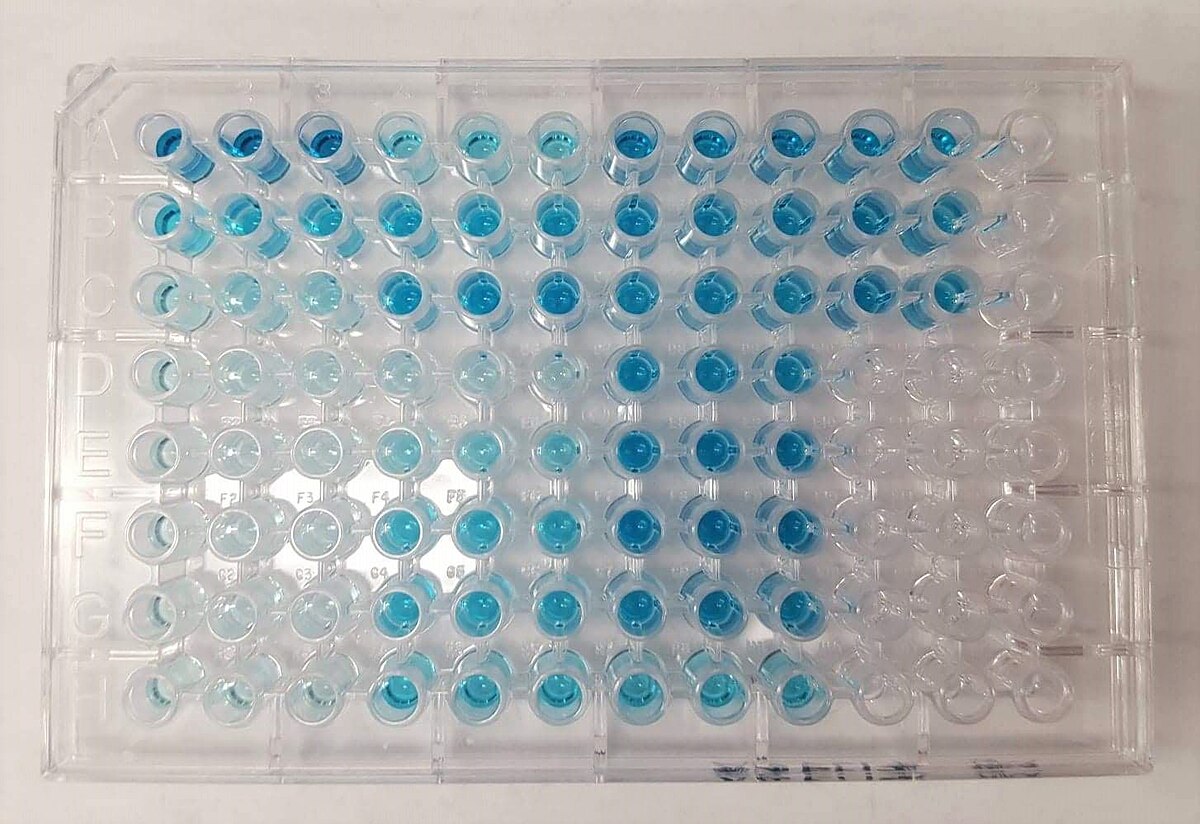
Collectible card
Claim the Assay card
Play the lesson in edgi and the card is yours. It lands on your Map next to the ideas it connects to, and turns from matte to foil to gold as you learn more around it.
Questions people ask
What is the difference between an assay and chemical titration?
Chemical titration generally deals with pure or predictable chemical reactions. Assays typically involve biological materials that are far more complex in composition and behavior, resulting in noisier data that is harder to interpret.
Where did the word assay come from?
The word comes from the Old French term essai, meaning trial or test of quality. In the late 14th century, it was used to describe testing the purity of gold and silver in currency coins.
What is an analyte?
An analyte is the specific target entity measured during an assay. It can be a drug, a biochemical substance, an element, or a cell inside an organic sample.


Part of the Set · 9 cards
How Scientists Test What Kills Cells
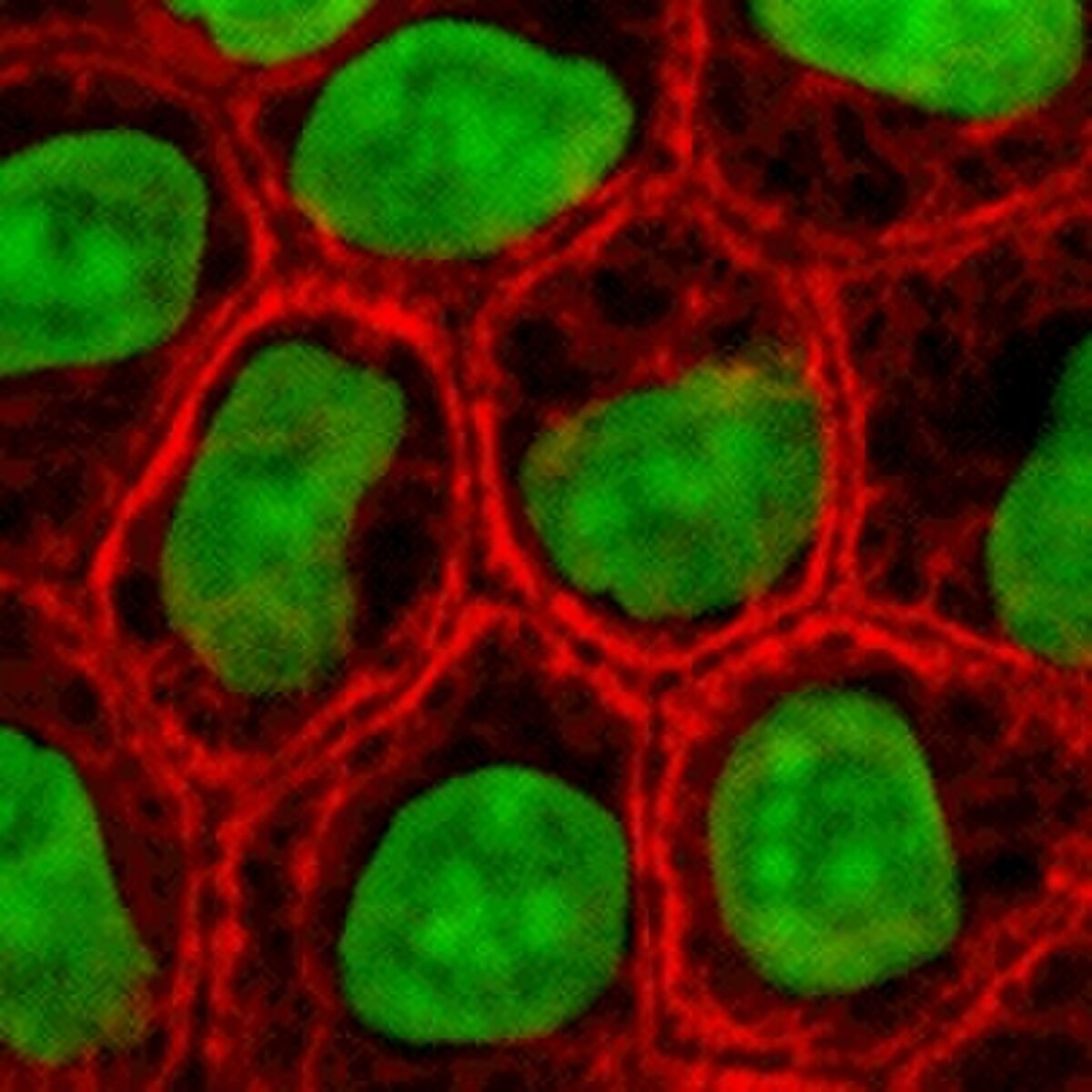
Before a cancer drug reaches a patient, it has already killed cells in a dish, and someone counted exactly how many.
Learn the whole SetWhere this leads
- Polymerase Chain ReactionPolymerase Chain Reaction (PCR) exponentially copies specific DNA sequences using thermal cycles and heat-resistant enzymes.
- ChemotherapyChemotherapy uses systemic drugs to disrupt cell division, stopping rapid cancer growth while balancing toxicity to healthy tissues.
- CytotoxicityLearn what cytotoxicity is, how cells die through apoptosis and necrosis, and how scientists measure cellular toxicity.
- Cell CultureCell culture is the process of growing and maintaining living cells in controlled laboratory environments outside their natural host organism.