The core idea
Cytotoxicity is the capacity of a substance to damage or outright kill living cells. It is the heavy hammer of biomedicine, distinct from drugs that merely pause cell division.
Cytotoxicity is the ability of a substance to damage or kill living cells. It is distinct from cytostatic effects, which merely freeze cell growth without causing death. Understanding this killing power allows scientists to design cancer drugs that destroy tumors and screen out dangerous chemicals before they reach patients.

By the edgi team We find the most surprising true thing about an idea and build a 60-second lesson around it.
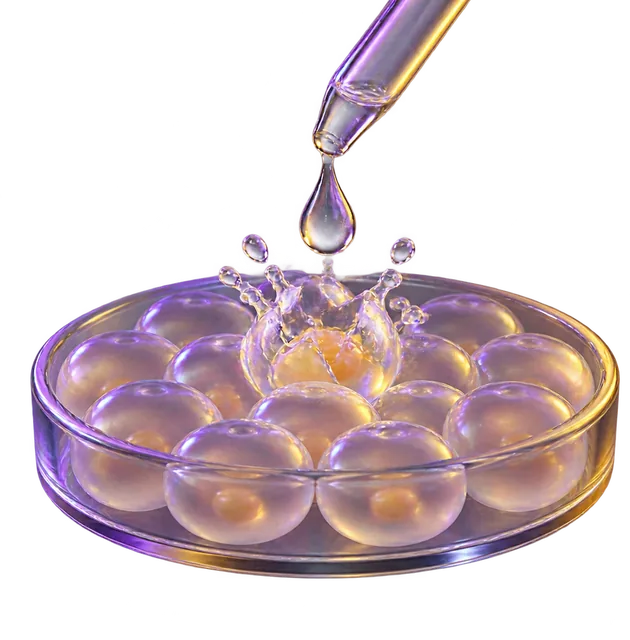
Cytotoxicity is the capacity of a substance to damage or outright kill living cells. It is the heavy hammer of biomedicine, distinct from drugs that merely pause cell division.
Cytotoxic agents typically trigger one of two grim pathways: apoptosis or necrosis. Apoptosis is a clean, programmed cellular suicide where the cell neatly packages its remains.
Necrosis is violent cell death caused by acute injury, causing the cell to burst and spill its contents.
Toxicology relies heavily on measuring cytotoxicity to figure out safe dosages for humans. Meanwhile, chemotherapy uses these exact cell-killing mechanisms to hunt down and destroy fast-spreading cancer cells.
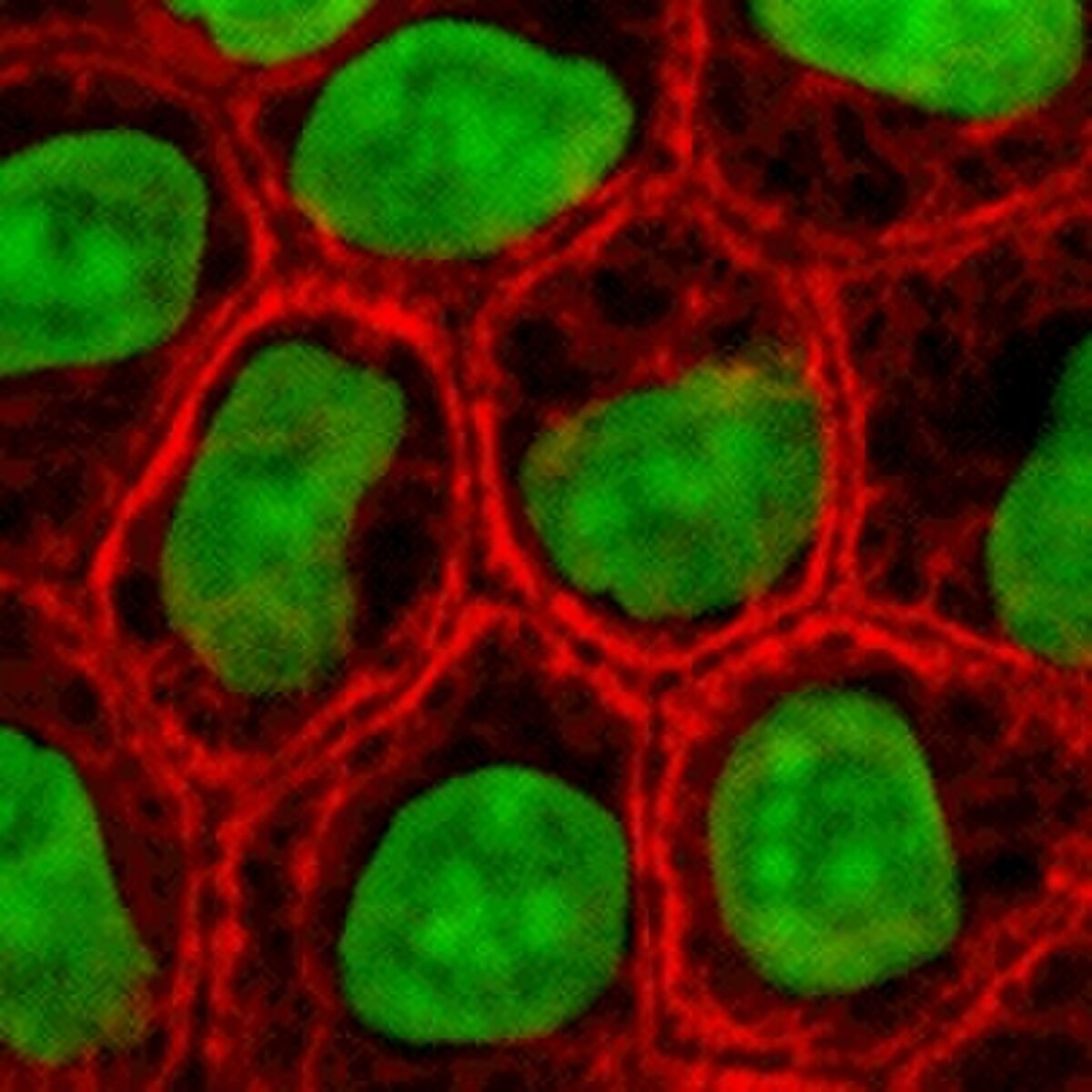
Cell death from cytotoxic agents primarily follows three distinct morphological pathways: apoptosis, autophagy, and necrosis. Apoptosis, or type I cell death, is an orderly, programmed suicide. The cell shrinks, condenses its nucleus, breaks its DNA into fragments, and forms small packages called apoptotic bodies that scavenger cells clean up cleanly without causing inflammation.
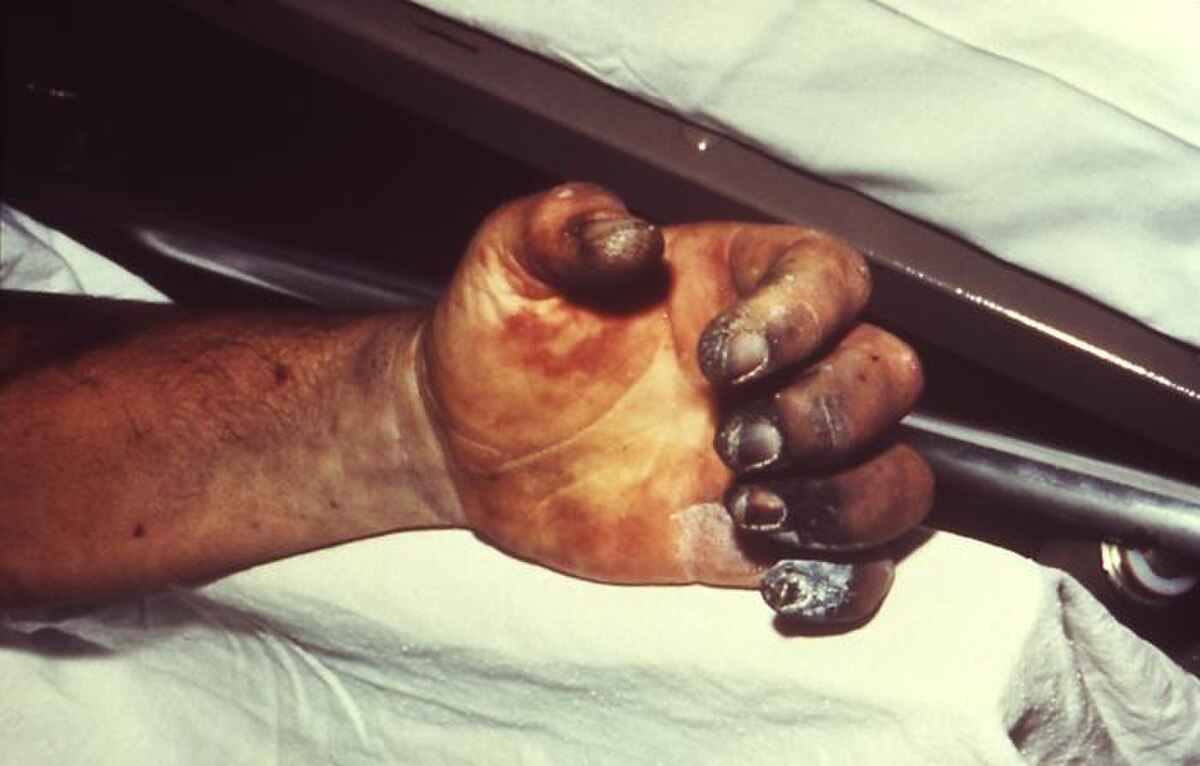
Necrosis, or type III cell death, is an uncontrolled, violent collapse caused by acute physical or energetic injury. Cells lose ATP, swell rapidly along with their internal compartments, and burst. This uncontrolled rupture spills cellular contents into the surroundings, frequently triggering tissue inflammation. Newer classifications also include specialized forms like necroptosis, pyroptosis, and ferroptosis.
Autophagy-dependent cell death, classified as type II, involves the formation of abundant autophagosomes. The cell degrades its own internal parts through lysosomal digestion pathways, displaying heavy cytoplasmic vacuolization while leaving the nucleus mostly intact.
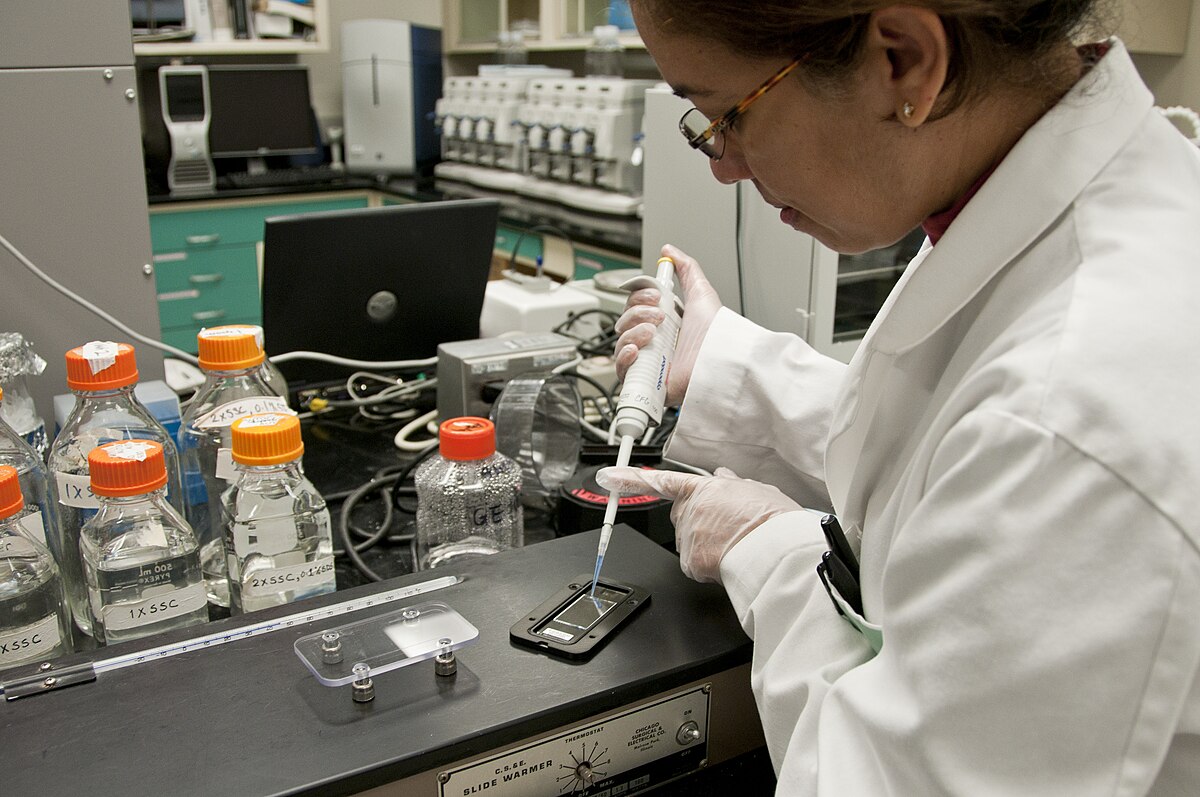
Researchers rely on specific laboratory assays to track cell viability and measure the damage compounds cause. One classic method tests cell membrane integrity using vital dyes like trypan blue or propidium iodide. Healthy membranes keep these dyes out, while ruptured cells absorb them. Similarly, the lactate dehydrogenase assay detects cellular leakage by measuring enzymes that escape into the surrounding liquid.
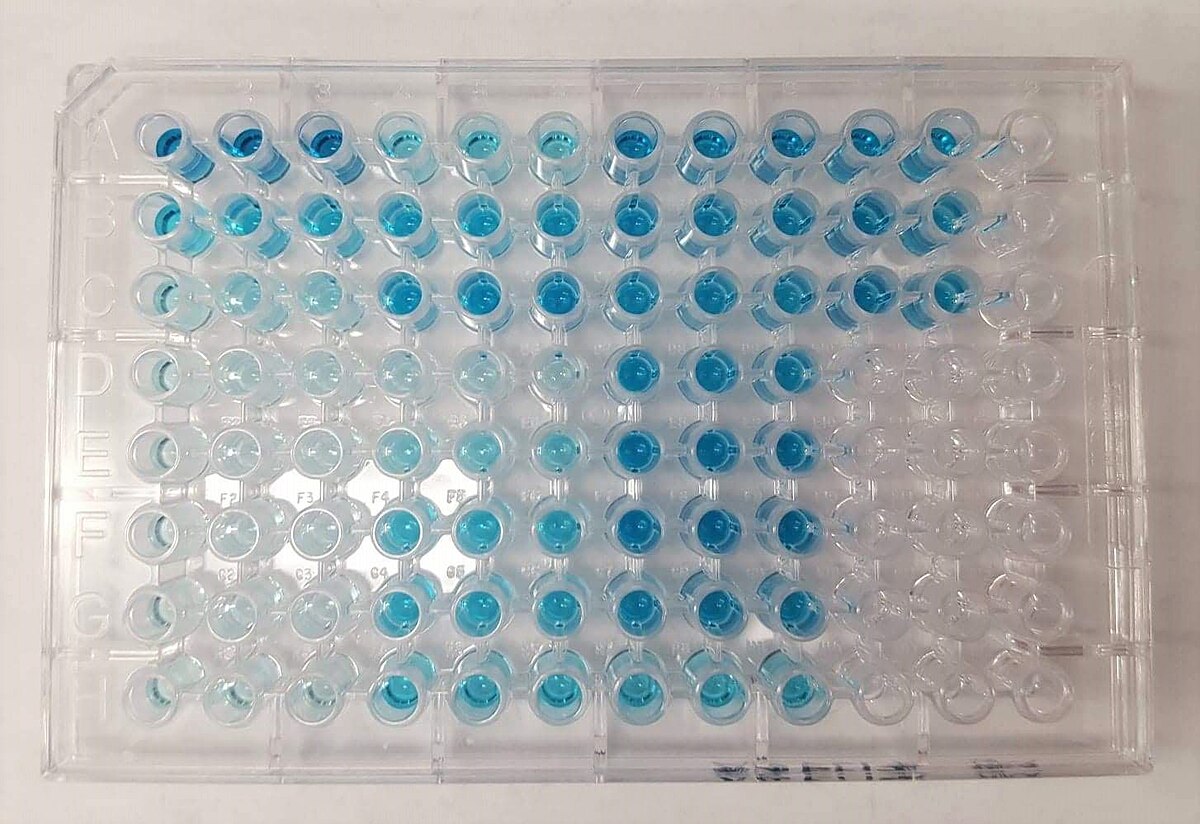
Metabolic assays track the chemical activity of living cells instead of physical membrane tears. The MTT, MTS, and XTT assays measure cellular redox activity, where active enzymes turn reagents into colored formazan products. Bioluminescent tests use cellular ATP to drive light-producing luciferase reactions, revealing exactly how much energy a cell population retains.
Modern drug development also uses label-free electric cell-substrate impedance sensing. Cells grow directly on gold-film electrodes, allowing researchers to track changes in electrical resistance and gather real-time data on cell health over time.
Collectible card
Play the lesson in edgi and the card is yours. It lands on your Map next to the ideas it connects to, and turns from matte to foil to gold as you learn more around it.
A cytostatic substance stops cells from growing and dividing, but it leaves them alive. A cytotoxic substance causes direct structural or metabolic damage that results in cell death.
Chemotherapy uses cytotoxic drugs to disrupt the cell division machinery of rapidly multiplying cancer cells. Because these drugs cannot tell normal cells from malignant ones, treatments aim to eliminate the fast-growing tumor before causing irreversible damage to the host.
It is an immune response where specific white blood cells destroy a target cell that has been coated with antibodies. The antibody acts as a physical marker directing the immune cell to trigger cytotoxicity.
Part of the Set · 9 cards
Before a cancer drug reaches a patient, it has already killed cells in a dish, and someone counted exactly how many.
Lesson complete
You finished the lesson. In edgi, the card goes on your Map next to everything else you learn.