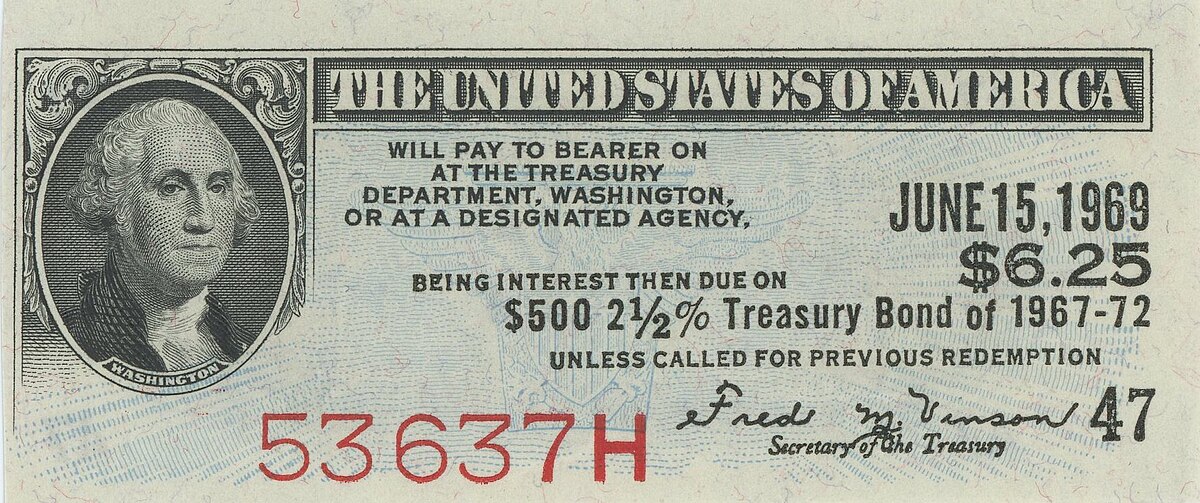
An auction is a process of buying or selling goods and services through bids, which are offers of a specific price or terms. It lets the market determine what something is worth rather than relying on a fixed price tag set by a single seller. In some auctions, the highest bidder wins the item, while in others, such as government debt sales or procurement, the lowest price or yield wins.
By the edgi team We find the most surprising true thing about an idea and build a 60-second lesson around it.
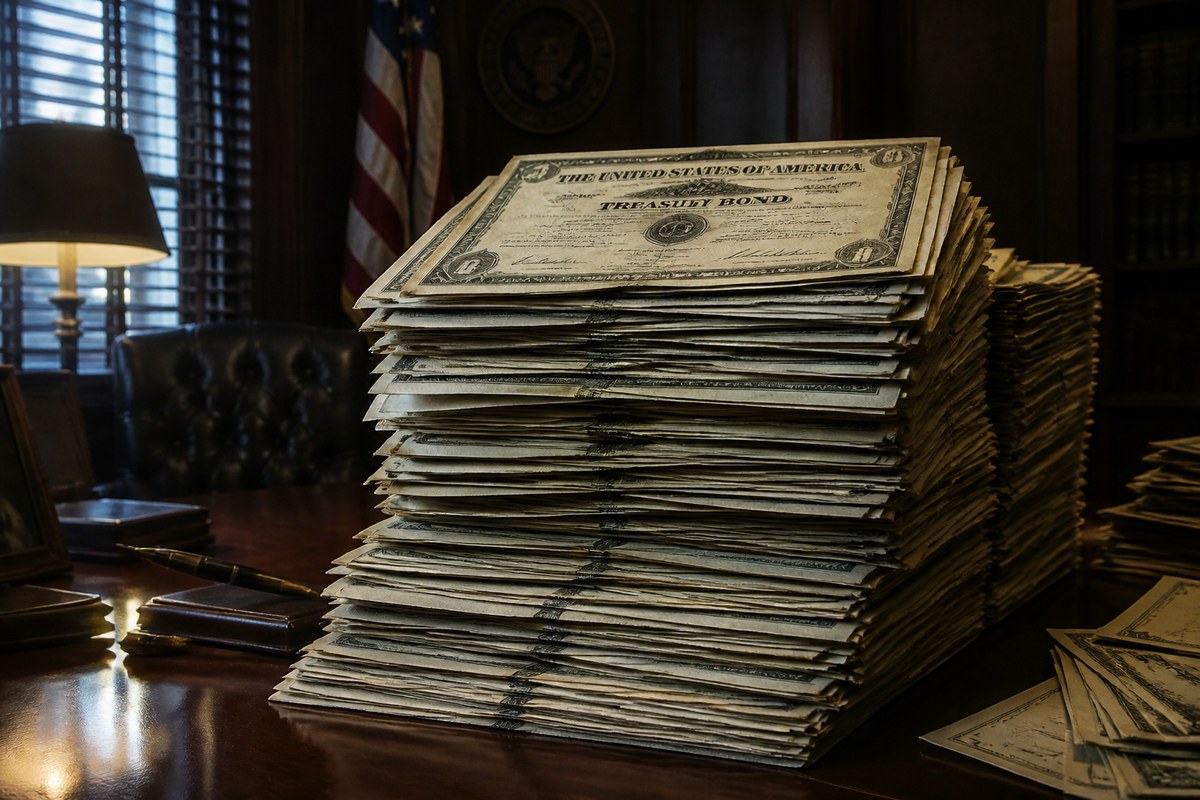
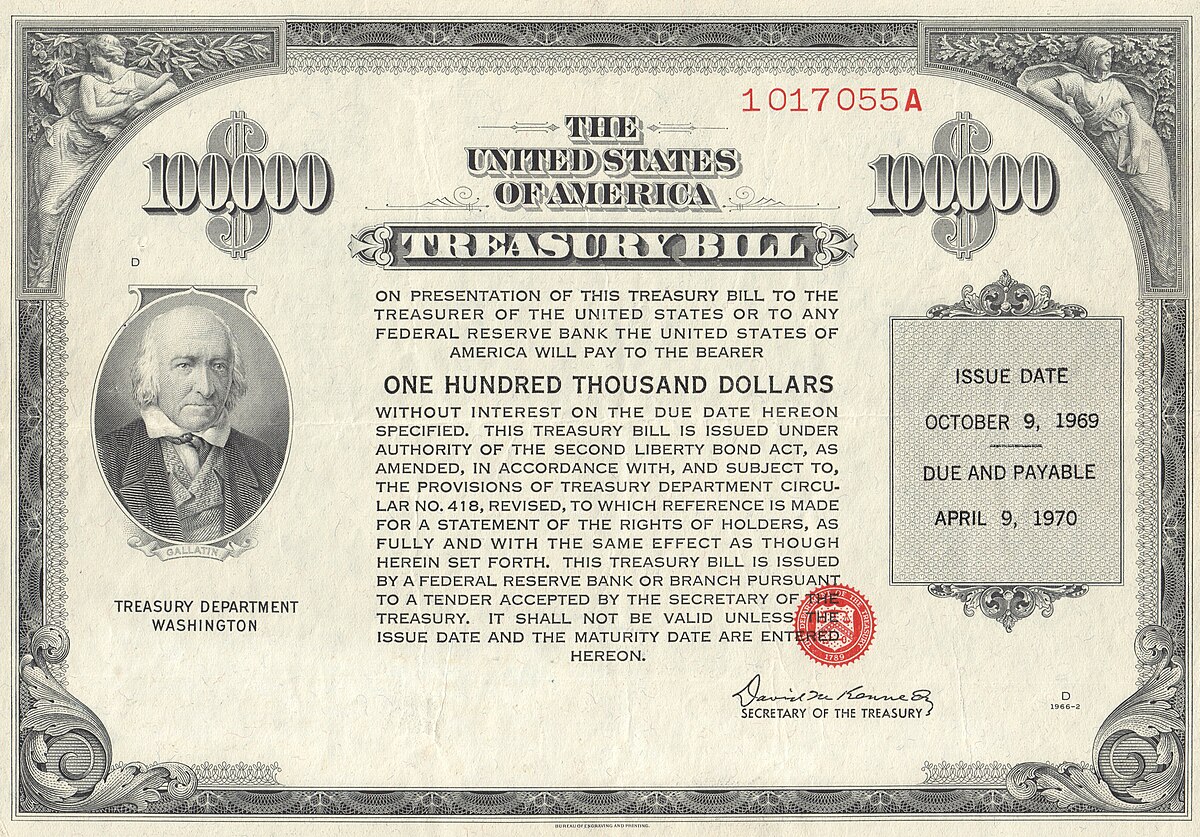
An auction is a sale that uses bids to decide who gets a fixed amount of something and on what terms. Treasury uses auctions to sell new Treasury securities. Before the auction, Treasury announces the security, amount offered, issue date, maturity date, and bid deadlines. Investors know what is being sold before they bid.
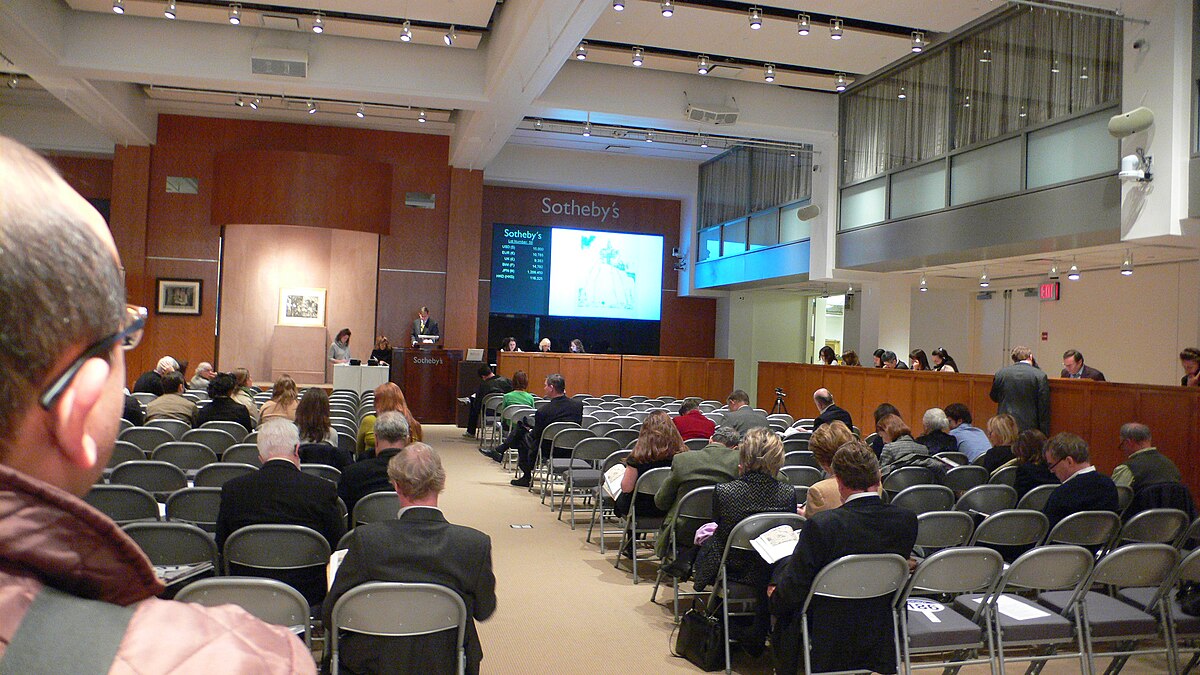
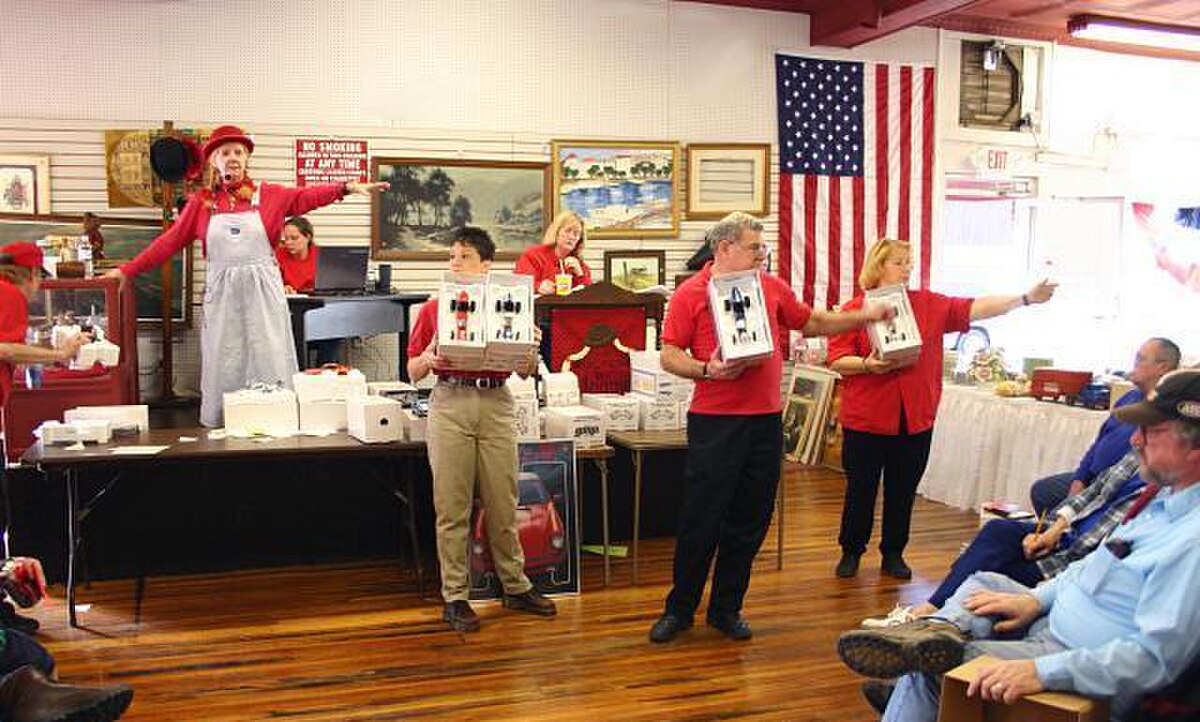
An auction in progress, with an auctioneer and several assistants scanning the crowd for bidders. No machine-readable author provided. Che assumed (based on copyright claims)., CC BY-SA 3.0, via Wikimedia Commons
Treasury sets the size and basic terms of the sale. Investors' bids determine the return needed to sell the offering.
Two ways to bid
A noncompetitive bidder asks for an amount and agrees to accept the auction result. This lets a small investor buy without naming a price or yield. A competitive bidder asks for an amount and names the return it will accept. For Treasury notes and bonds, that bid is expressed as a yield.
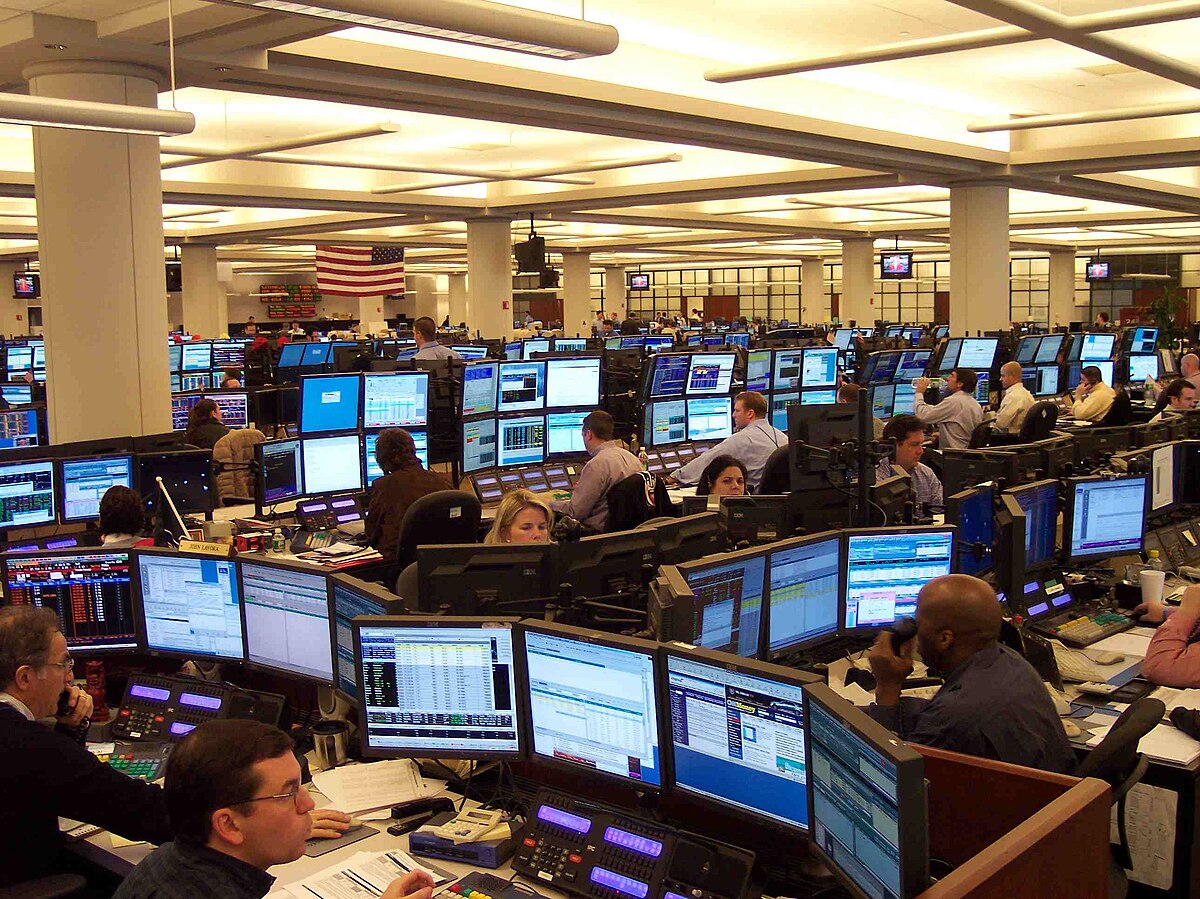
A busy trading floor in Houston in 2009, filled with numerous oil traders seated at desks, each monitoring multiple computer screens. Own Oil Industry News, Public domain, via Wikimedia Commons
Treasury accepts noncompetitive bids first, then competitive bids from the lowest requested return upward until the offering is filled.
One accepted price for winners
Treasury uses a single-price auction. For a note or bond, every successful bidder receives the yield set by the highest accepted competitive bid. Strong demand can produce a lower accepted yield; investors asking for more return can push it higher. The auction lets the market set the borrowing terms.
How bidding works
The open ascending price auction is the most common auction format in history. In this setup, participants place bids openly, and each new bid must be higher than the last one until only the highest offer remains.
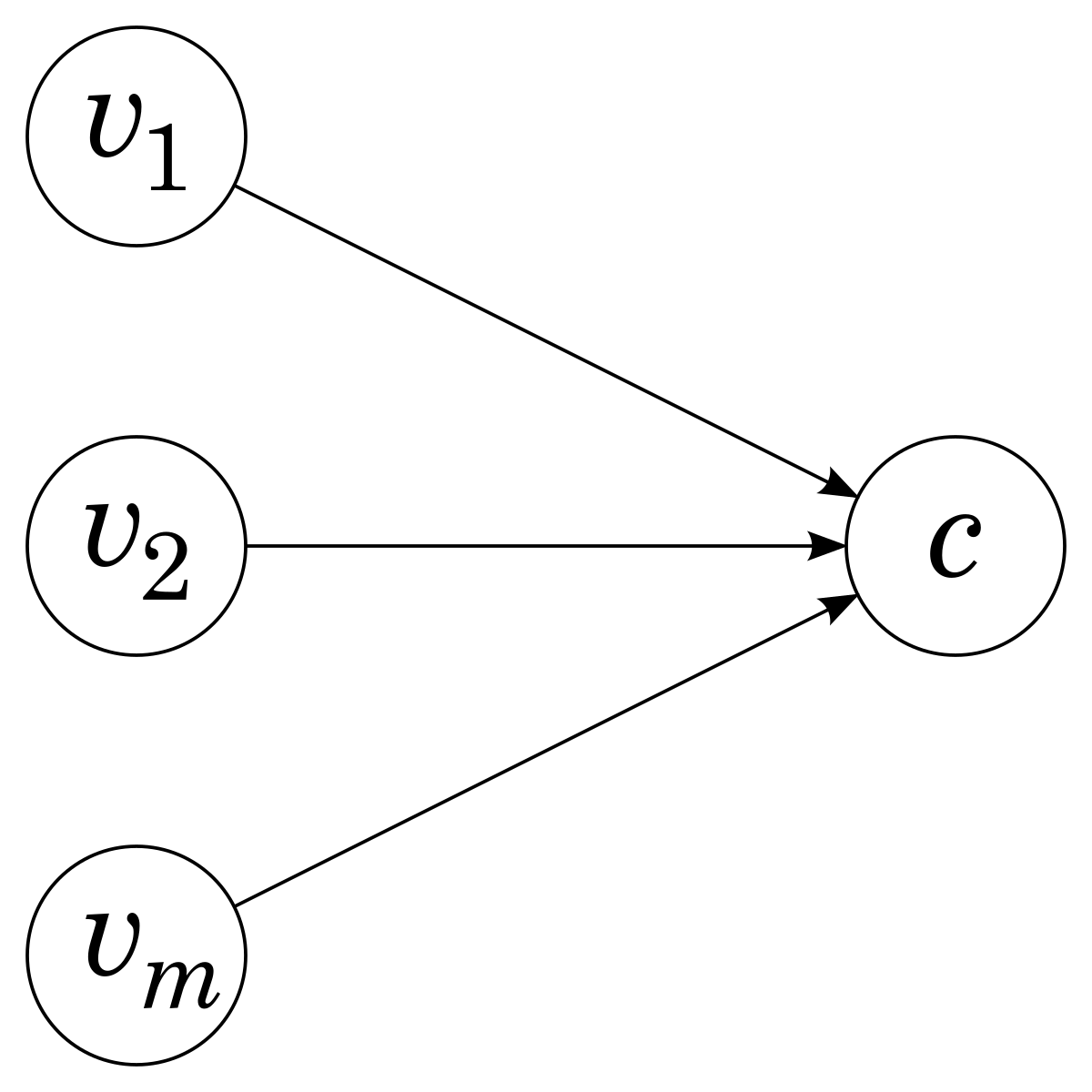
A supply auction features a single seller accepting bids from multiple competing buyers. CC BY-SA 3.0, via Wikimedia Commons
Not all auctions require buyers to shout higher numbers. Some organizations, such as the US Treasury, sell securities by taking competitive bids that ask for a specific yield alongside noncompetitive bids that simply accept whatever price the auction creates. Under a single-price model, every winning competitive bidder gets the same return, set by the highest accepted yield needed to sell the entire offering.
History of auctions
In 193 AD, the Praetorian Guard killed emperor Pertinax and auctioned off the entire Roman Empire to Didius Julianus for 6,250 drachmas per guard. Roman soldiers also drove spears into the ground to auction captured spoils and enslaved people after military victories.
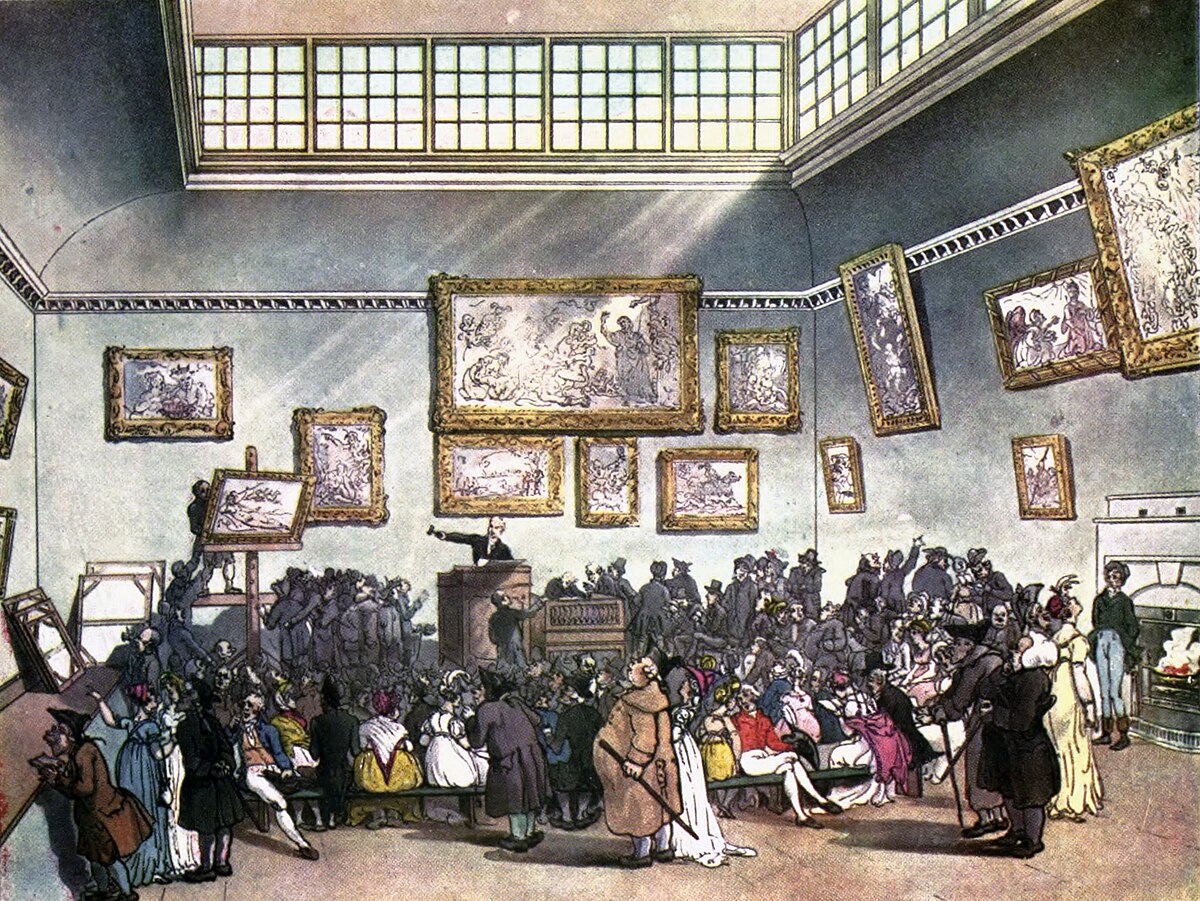
An 18th-century auction room at Christie's, which was founded in London in 1766. Thomas Rowlandson (1756–1827) and Augustus Charles Pugin (1762–1832) (after) John Bluck (fl. 1791–1819), Joseph Constant, Public domain, via Wikimedia Commons
During the 17th and 18th centuries in England, sellers used candle auctions to prevent last-second bids: the sale ended the instant a candle flame burned out. The oldest surviving auction house, the Stockholm Auction House, was founded in Sweden in 1674, followed by Sotheby's in 1744 and Christie's in 1766.
Test yourself
In a Treasury note or bond auction, does a competitive bidder name an acceptable yield?
Yes, along with the amount it wants. For a note or bond, competitive bidders name an amount and the yield they will accept. Noncompetitive bidders accept the auction result.
A Treasury note auction clears at 4.3%. What do successful bidders receive?
The same 4.3% auction yield. Treasury uses a single-price auction. Every successful bidder in that note auction receives the yield set by the highest accepted competitive bid.
Play the lesson in edgi and the card is yours. It lands on your Map next to the ideas it connects to, and turns from matte to foil to gold as you learn more around it.
The word comes from the Latin verb augeo, meaning to increase, via its past participle auctus.
Why do some American auctioneers carry the title of colonel?
During the American Civil War, goods seized by military units were sold at auction by the division's Colonel. This historical military practice led some modern US auctioneers to adopt the unofficial title.
What is auction theory?
Auction theory is the branch of economic theory that studies how different auction designs work and how bidders behave within them.