Market liquidityWhy safe assets can still be costly to sell
Market liquidity is a market feature that lets you buy or sell an asset quickly without forcing a major change in its price. Cash is the most liquid asset because you can exchange it instantly at full face value. An investment can carry zero risk of default but still cost you money if there are not enough buyers ready to trade when you need to sell.
By the edgi team We find the most surprising true thing about an idea and build a 60-second lesson around it.
A bond can be safe to hold and expensive to sell. Safety asks whether the borrower will pay; liquidity asks whether you can turn the bond into cash quickly without accepting a worse price. Market liquidity is high when many buyers and sellers are ready to trade near the current price. Even a large sale does not push the price down much.
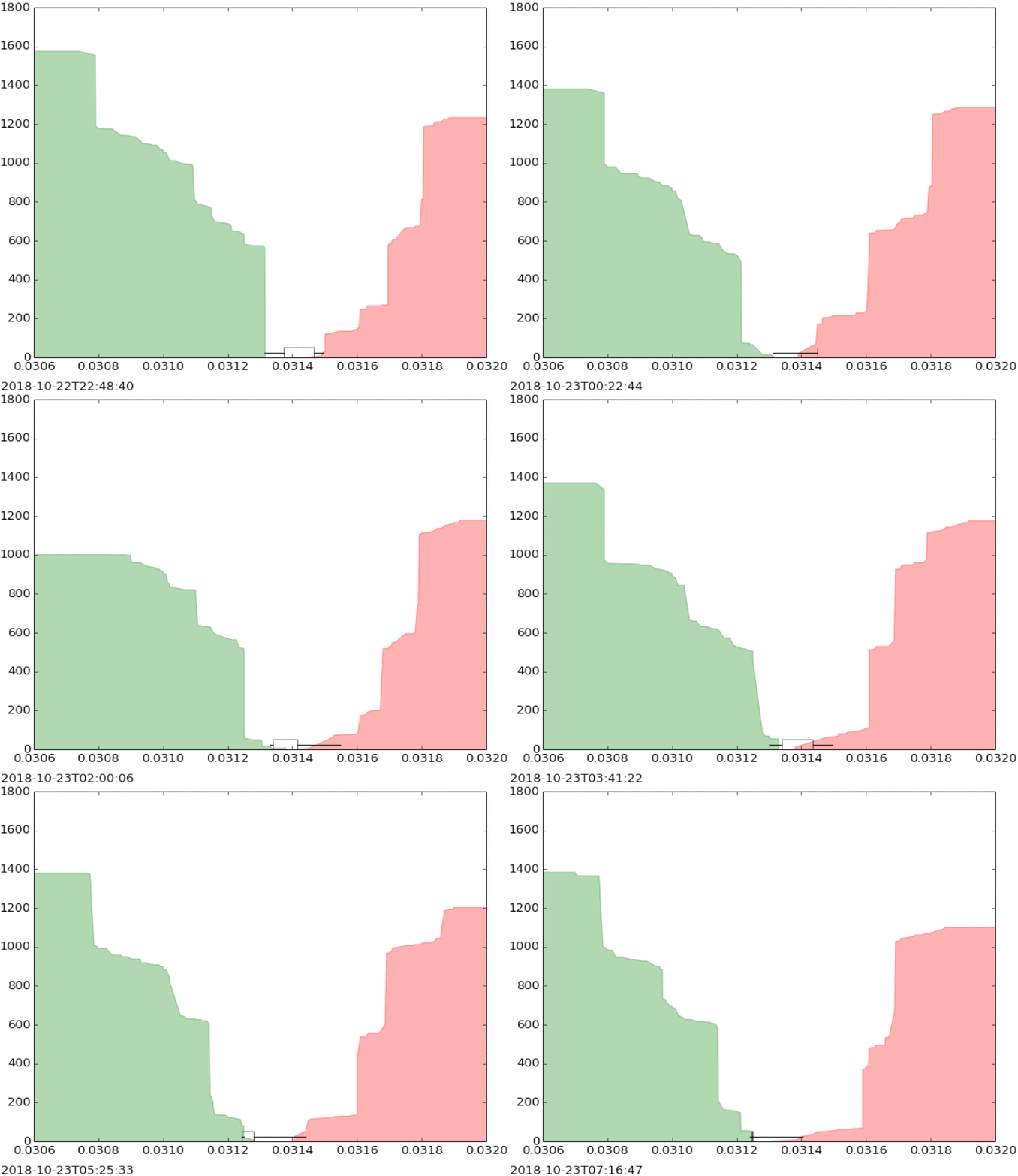
An animated order book depth chart from a currency exchange, plotting cumulative order depth on the Y-axis against unit price on the X-axis. Kjerish, CC BY-SA 4.0, via Wikimedia Commons
In a thin market, a seller may have to wait or accept less. The bid–ask spread, the gap between what buyers offer and sellers demand, usually widens.
New bonds get more traffic
Newly issued Treasury notes and bonds usually trade more heavily than older issues that come due around the same time. Traders call the newest issues on-the-run and older ones off-the-run. Both are promises from the same government, but the older bond may have fewer ready buyers.
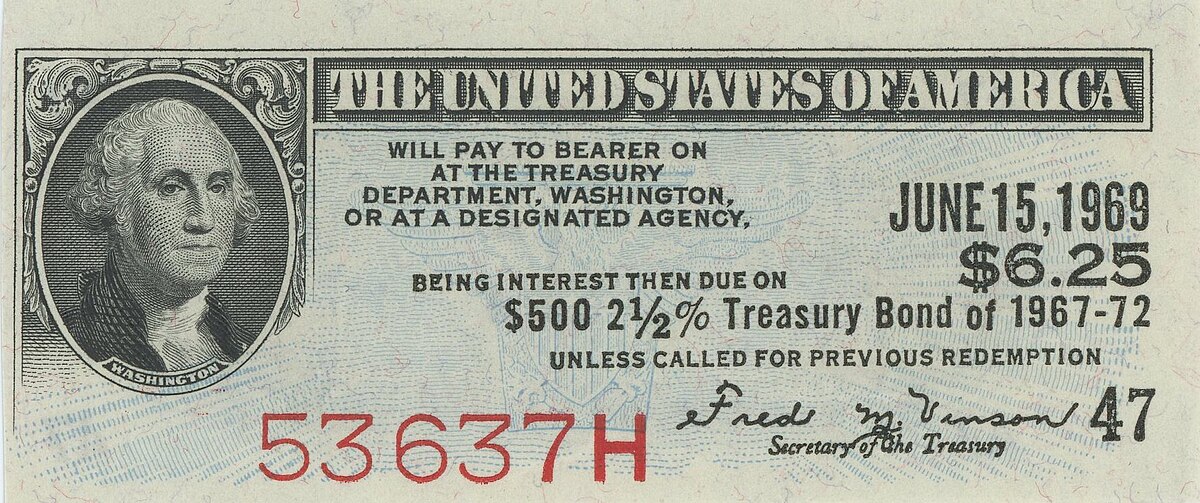
A 1945 2.5% $500 Treasury Bond coupon, featuring a portrait of George Washington on the left and details of the bond on the right. JHerbstman, Public domain, via Wikimedia Commons
The older bond has not necessarily become less likely to pay. It has become harder to sell without cutting the price.
What a treasury buyback does
Treasury restarted regular buybacks in 2024. Its liquidity-support operations give investors scheduled chances to sell certain older Treasury securities, which Treasury then retires. Treasury still has to raise the cash used for a buyback through its wider issuance plan. That is why a buyback does not automatically reduce the debt, and Treasury says this program is not meant to make the debt shorter or longer overall.
Seal of the United States Department of the Treasury, featuring a blue circular border with the text "THE DEPARTMENT OF THE TREASURY" at the top and "1789" at the bottom. U.S. Government. The original 1780s seal is believed to have been designed by Francis Hopkinson., Public domain, via Wikimedia Commons
The New York Fed runs the transaction for Treasury as its fiscal agent. In a separate role, it buys securities when the FOMC directs an operation for monetary policy.
How market liquidity works
A liquid market has ready and willing buyers and sellers available at all times during trading hours. In this environment, the trade-off between execution speed and price is mild. A seller can convert an asset into cash almost immediately without accepting a steep discount. In an illiquid market, trading volume drops, the bid-ask spread widens, and a seller must lower the price significantly to attract a buyer.
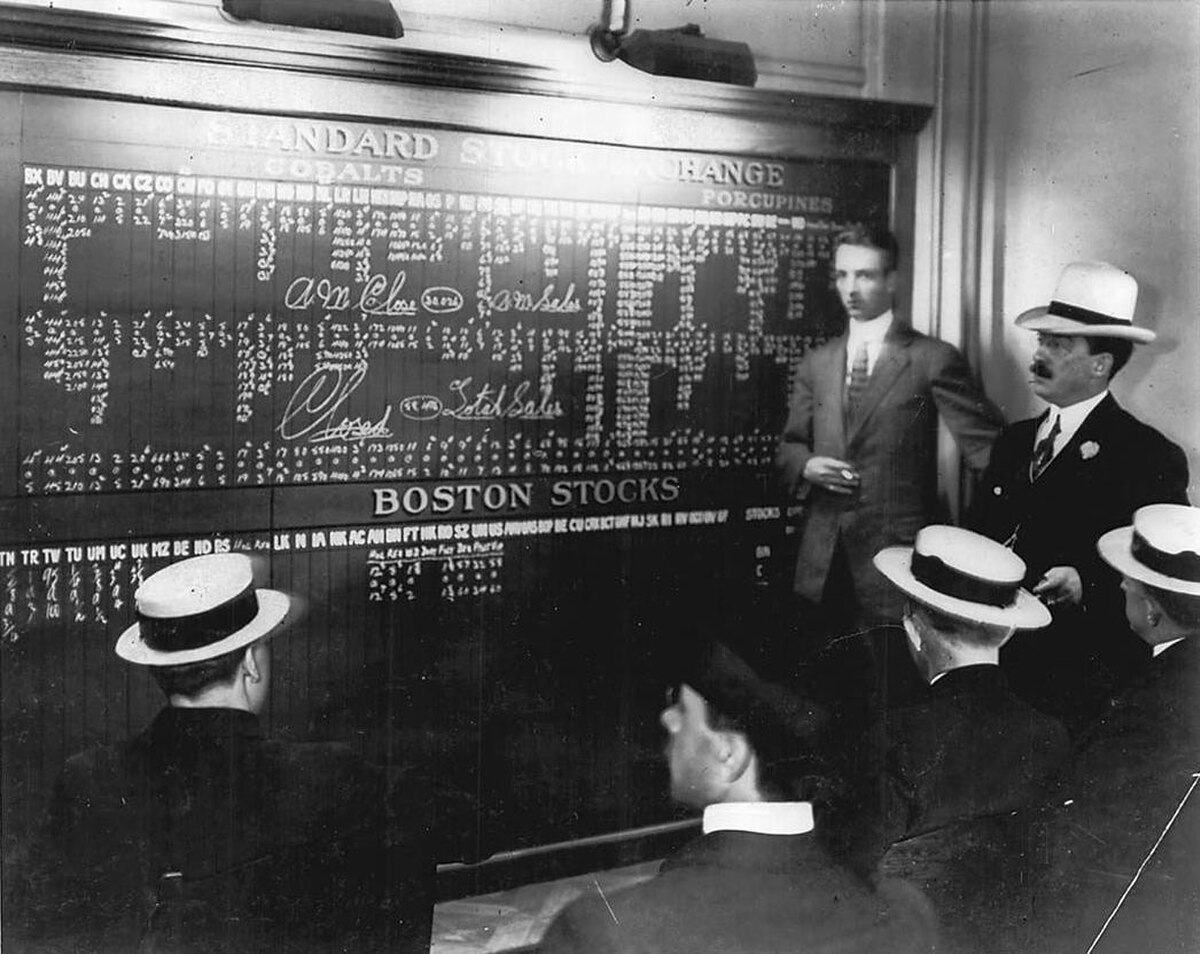
Traders gathered on an exchange floor generate market liquidity by submitting continuous bids and offers to match buyers with sellers. William James, Public domain, via Wikimedia Commons
Market makers and speculators provide the capital that keeps markets liquid. Speculators trade to profit from price movements, while market makers quote prices on both sides of a trade. Market makers earn their return either through explicit commissions or through the bid-ask spread, which is the gap between what buyers offer and what sellers demand. By constantly standing ready to trade, they supply the immediacy that other participants rely on.
Why liquidity changes the price of an asset
Investors demand higher returns on assets that are hard to sell. When two investments offer identical cash flows and credit risk, the one with lower liquidity trades at a lower price and a higher yield. Traders call this difference a liquidity discount.
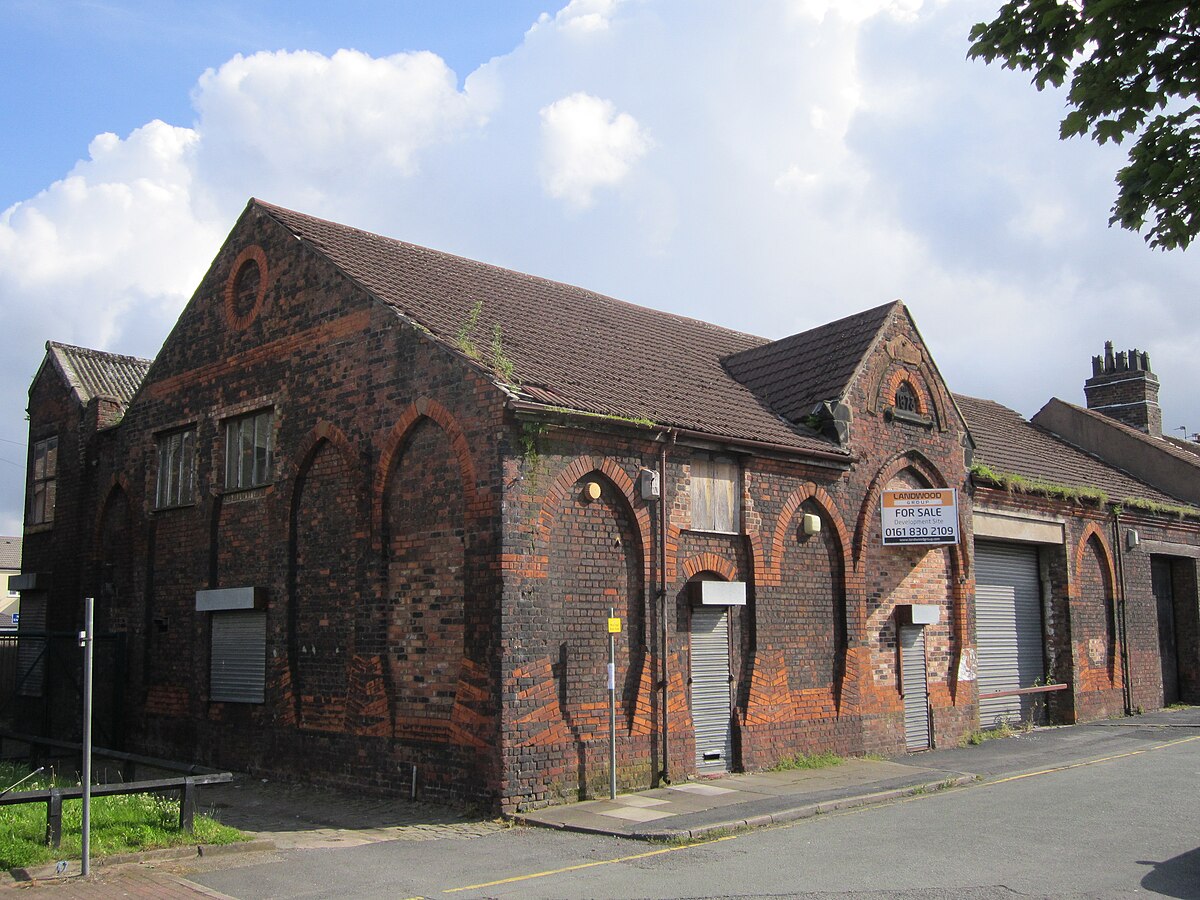
Physical real estate illustrates low liquidity because selling quickly requires accepting a deep price cut, whereas finding a full-value buyer can take years. Rept0n1x, CC BY-SA 3.0, via Wikimedia Commons
This dynamic appears directly in the United States Treasury market. Newly issued government bonds, known as on-the-run issues, trade heavily and command higher prices. Older bonds with matching maturities, known as off-the-run issues, trade less often and carry lower prices. To support trading in older issues, the U.S. Treasury launched regular buyback operations in 2024, using the Federal Reserve Bank of New York as its fiscal agent to purchase and retire specific off-the-run securities.
Test yourself
Does market liquidity measure how quickly an asset turns into cash without price impact?
Yes. Market liquidity focuses on execution speed and price stability, separating the ease of selling from the issuer's credit safety.
In market liquidity, why might an older Treasury bond trade at a worse price than a newer identical issue?
Fewer ready buyers are active in older issues.. Even with identical credit safety, older bonds often see less trading volume and thinner markets, forcing sellers to accept lower prices.
Does low credit risk guarantee high market liquidity?
No, a safe bond can still be costly to sell. Credit risk asks whether the borrower will pay. Market liquidity asks how easily the bond can be sold near its current price.
Play the lesson in edgi and the card is yours. It lands on your Map next to the ideas it connects to, and turns from matte to foil to gold as you learn more around it.
What is the difference between market liquidity and market depth?
Market liquidity focuses on the trade-off between the speed of a sale and the price received. Market depth measures the volume of trades an asset can absorb at the current price without moving the market.
What is dark liquidity?
Dark liquidity refers to trading volume that takes place on off-exchange venues rather than public order books. These private transactions are hidden from the broader market until after execution, meaning they do not contribute to public price discovery.
How do banks handle liquidity risk?
Banks maintain liquid investment portfolios that can be sold if depositors withdraw cash or loan demand rises. If those reserves fall short, banks can raise deposit rates, borrow from other institutions, or access emergency loans from a central bank.