Bankruptcy is a legal court process that allows people or businesses that cannot repay their debts to seek relief from some or all of what they owe. Being insolvent simply means you lack the money to pay bills, but bankruptcy is the formal legal mechanism that alters those obligations. It transforms financial failure from a permanent trap into an orderly path to reorganize or start over.
By the edgi team We find the most surprising true thing about an idea and build a 60-second lesson around it.
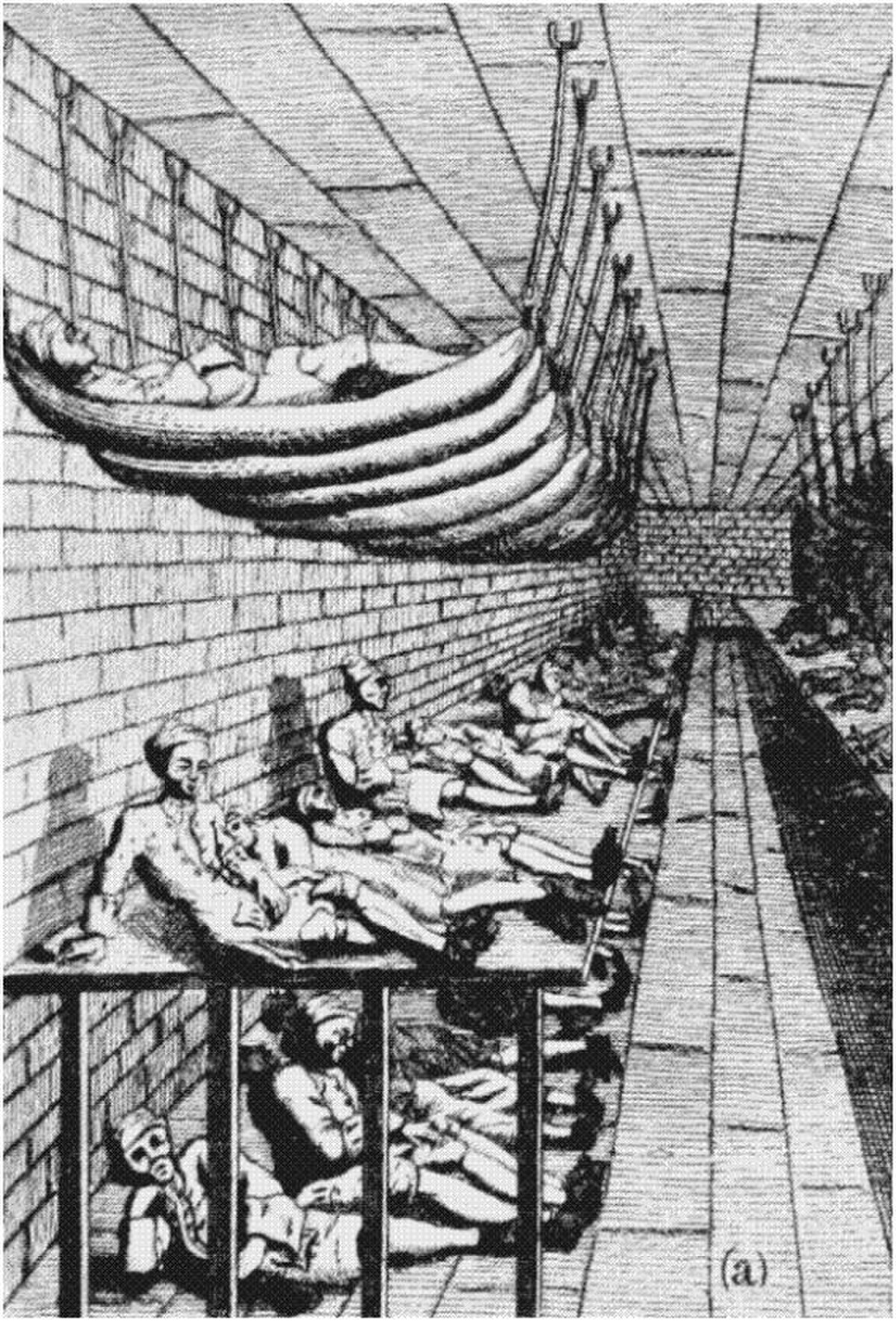
For centuries, if you could not pay your debts, the law did not just take your money. It took your body. You were thrown into a debtors' prison, where you stayed until your family could scrape together enough cash to bail you out.
An illustration depicts the sick men's ward at Marshalsea debtors' prison, showing several men lying in hammocks suspended from the ceiling and on beds on the floor. Gaols Committee, Public domain, via Wikimedia Commons
It was a cycle of misery that served no one, the creditor got no money, and the debtor lost their life.
The modern reset
Modern bankruptcy laws flipped the script. They treat financial failure as a systemic risk, not a moral failing. It is a legal process, not a state of being. You can be insolvent, unable to pay debts, without ever declaring bankruptcy.
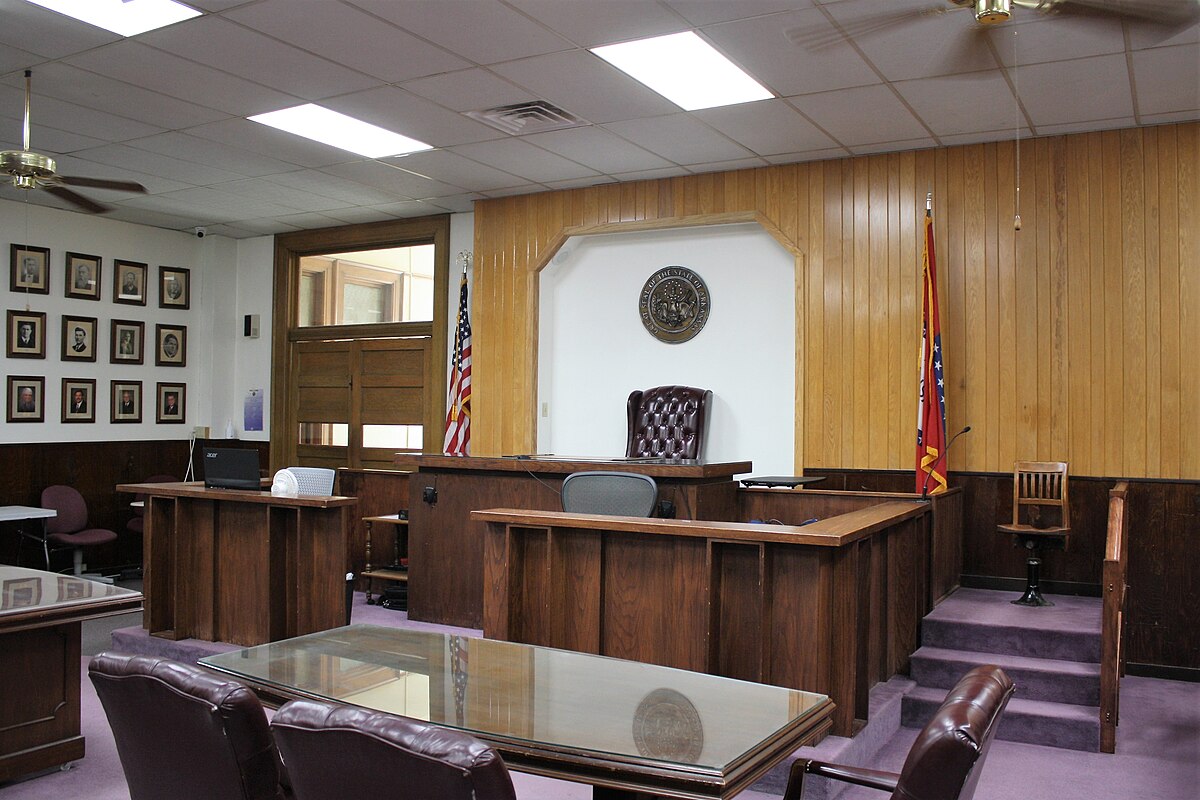
A courtroom inside the Boone County Courthouse in Boone County, Arkansas, featuring dark wood paneling, a judge's bench, and jury box. Brandonrush, CC0, via Wikimedia Commons
Bankruptcy is the court-sanctioned escape hatch that clears the slate, allowing individuals or companies to restart their economic lives.
The room to innovate
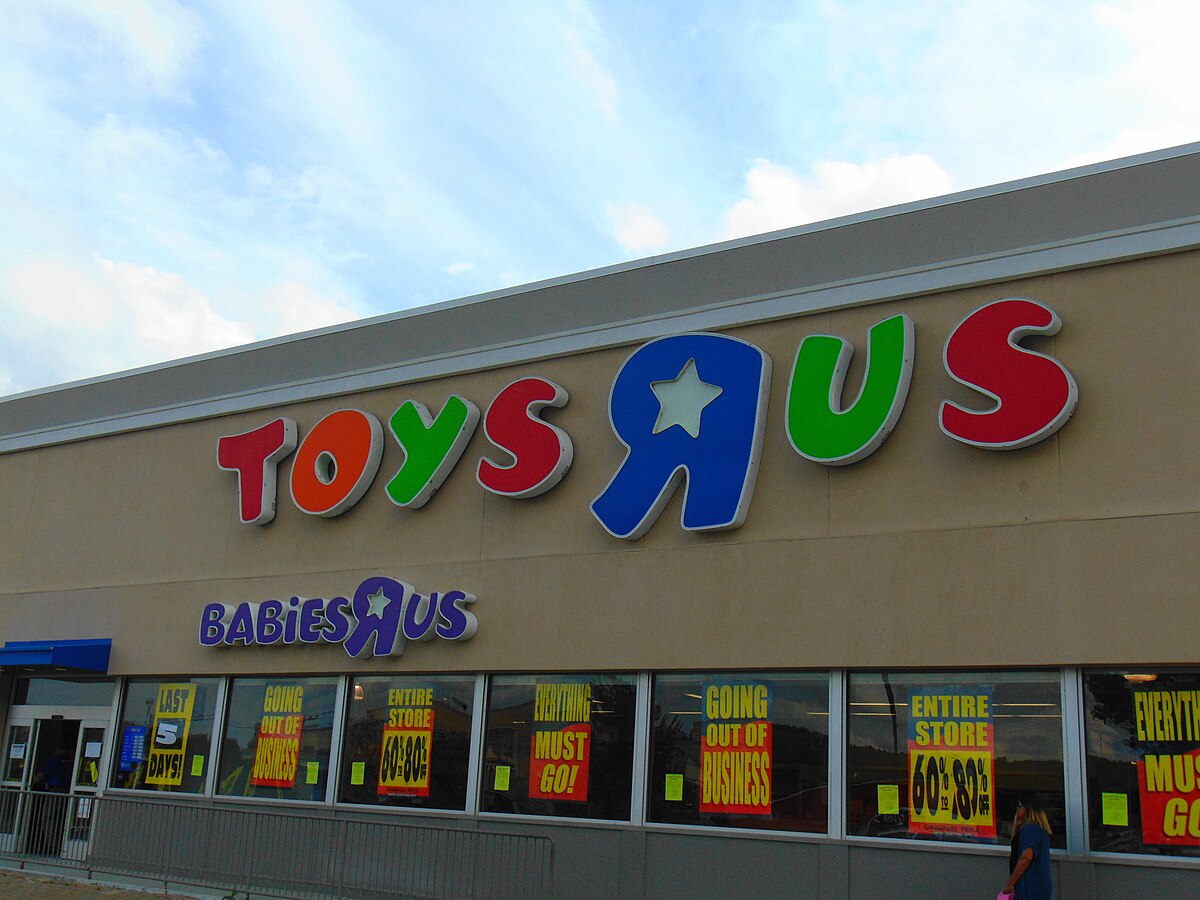
This isn't just for individuals. Even massive corporations like Toys 'R' Us have used these laws to restructure and survive. The logic is simple: a society that traps its entrepreneurs in permanent debt stifles innovation.
The exterior of a Toys "R" Us and Babies "R" Us store in Auburn, Massachusetts, is shown on June 24, 2018, during its closing sale. JJBers, CC BY-SA 4.0, via Wikimedia Commons
When Almon Strowger faced ruin due to a rigged telephone system, he didn't just go bankrupt, he invented the automatic switchboard. The system creates room for the next act.
How does modern debt relief work?
In modern law, business bankruptcy focuses on remodeling financial and organizational structures rather than wiping out struggling companies. This restructuring allows distressed businesses to continue operating. For private households, the process often pairs debt discharge or structured payment plans with financial education, debt advice, and supervised rehabilitation periods to stop financial distress from recurring.
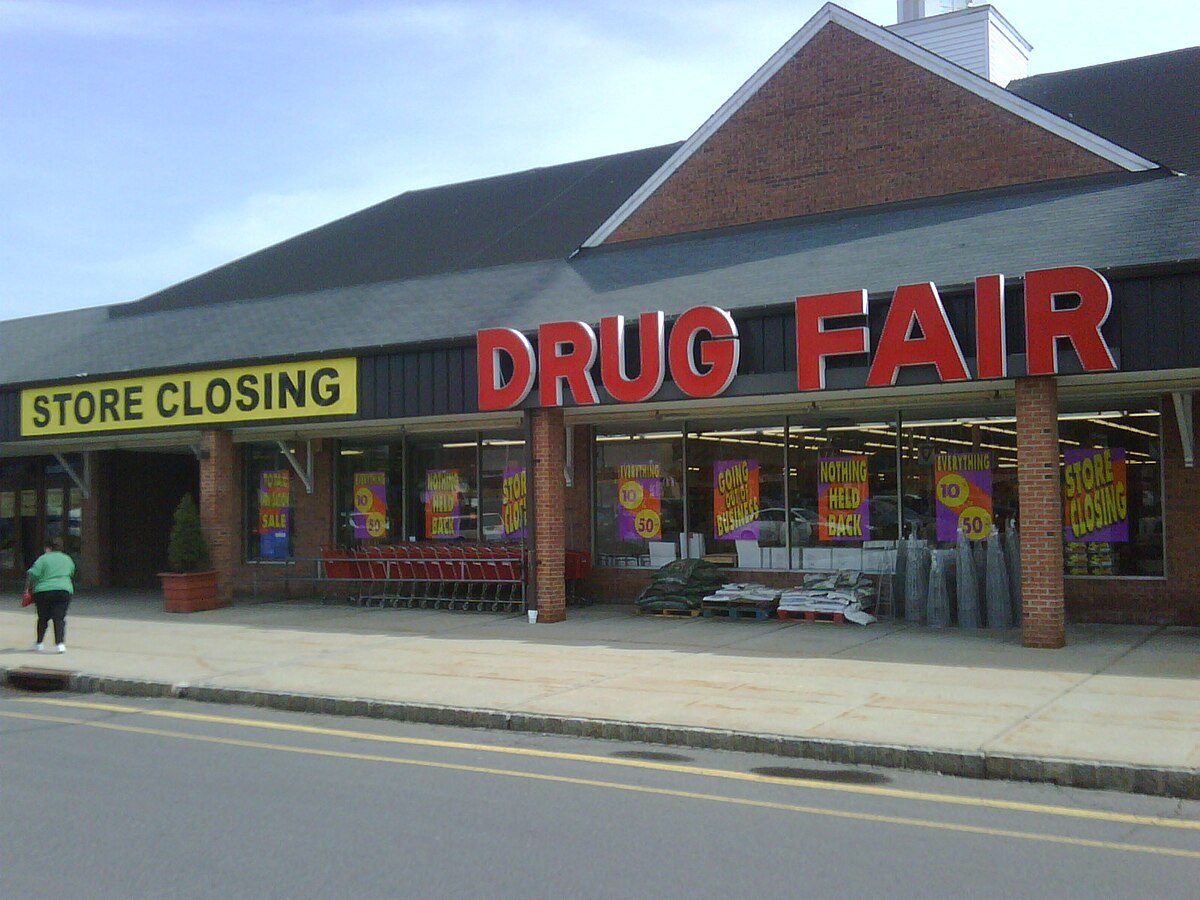
Liquidating stock through store closing sales is one way bankrupt businesses deal with assets during restructuring or closure. Shawn Collins from Austin, TX, United States, CC BY 2.0, via Wikimedia Commons
Rules vary significantly between countries. In the United States, discharging debts involves fewer conditions, while many European Union member states attach behavior requirements and partial payment duties. Spain's 2003 bankruptcy law allows payment extensions of up to five years or debt reductions of up to half, but it does not offer complete debt discharge.
From debt slavery to sovereign defaults
Ancient legal systems offered debtors zero relief. In Ancient Greece, failing to repay debts resulted in debt slavery, forcing a person, their spouse, children, or servants into physical labor to recoup the creditor's losses. Solon's laws later banned debt slavery in Athens, though other city-states maintained five-year limits for debtors while keeping their servants enslaved for life.
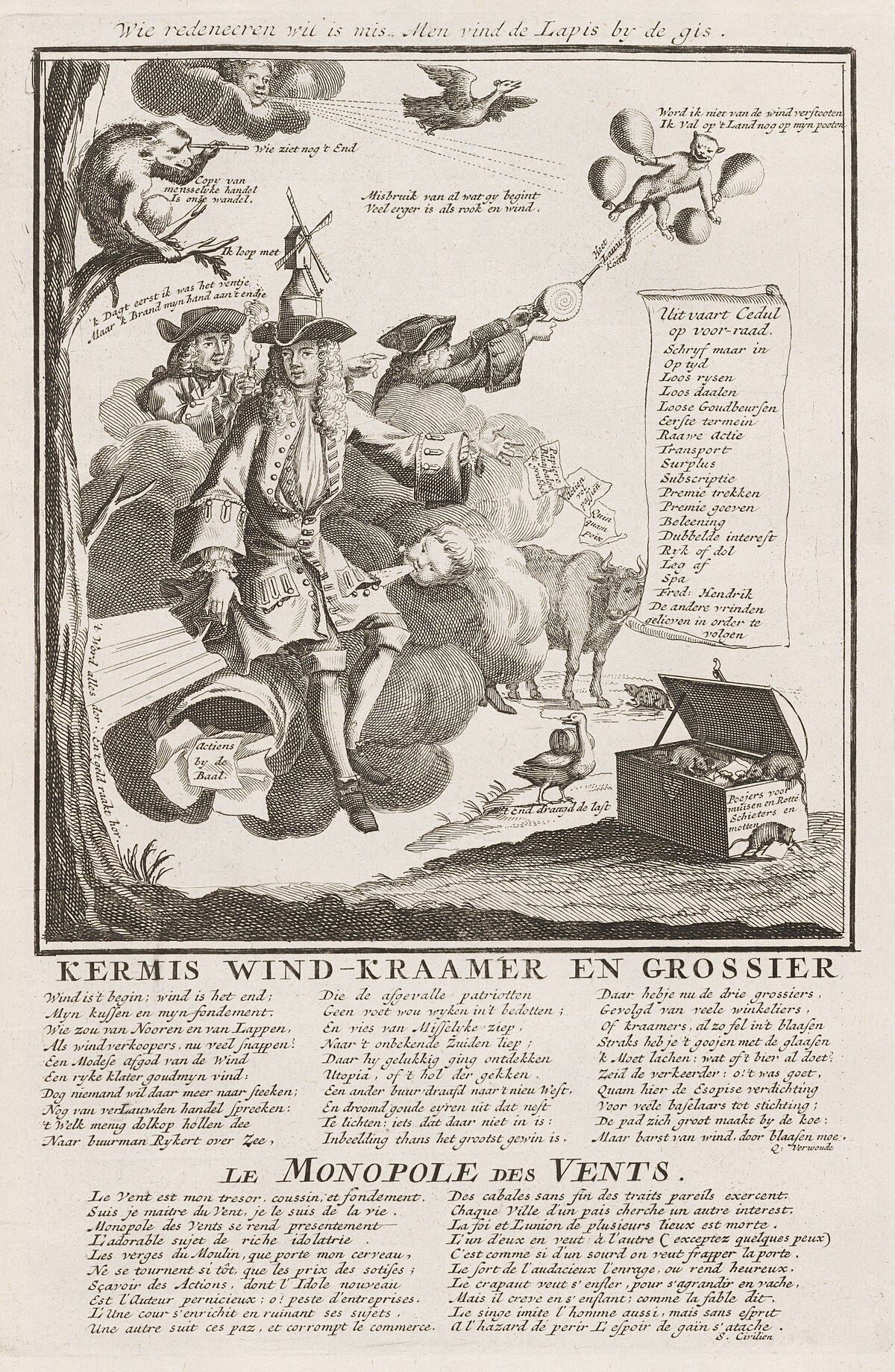
National bankruptcies have occurred throughout history, such as the 1720 French state financial collapse caused by John Law's Mississippi Company. AnonymousUnknown author Dutch author, Public domain, via Wikimedia Commons
England created its first formal legal framework with the Statute of Bankrupts of 1542, while the Yassa of Genghis Khan imposed the death penalty on anyone who went bankrupt three times. Even entire nations have gone broke. Philip II of Spain declared four separate state bankruptcies between 1557 and 1596, part of a long history of chronic sovereign defaults across France, Portugal, Prussia, Russia, and Egypt.
What counts as bankruptcy fraud?
Hiding assets from the court is a federal crime in the United States. Debtor petitions must disclose all property regardless of perceived value, because creditors hold the legal right to decide whether an asset is worth selling. Omissions count as perjury and can cause closed bankruptcies to be reopened years later by a trustee to seize and liquidate the hidden wealth.
Bankruptcy fraud is distinct from strategic bankruptcy, which remains legal because it produces a real rather than falsified state of financial distress. Common criminal acts include bribing officials, destroying records, filing false statements, or filing across multiple jurisdictions to game the system.
Play the lesson in edgi and the card is yours. It lands on your Map next to the ideas it connects to, and turns from matte to foil to gold as you learn more around it.
The word comes from the Italian term banca rotta, which translates literally to broken bank. Legend claimed that Renaissance Italian merchants smashed the bench of any banker who defaulted on payments, though historians doubt this ritual actually happened.
Can you wipe out student loan debt in U.S. bankruptcy?
Discharging federal or federally guaranteed student loans is very difficult in the United States. Borrowers must prove undue hardship under the three-part Brunner test, showing an inability to maintain a minimal standard of living, persistent financial distress, and prior good-faith repayment efforts.
What is the difference between insolvency and bankruptcy?
Insolvency is the raw financial state of being unable to pay your debts as they come due. Bankruptcy is the official court-ordered legal process used to manage or resolve that insolvency.