Interest is an extra fee a borrower pays to a lender on top of returning the original amount borrowed. It compensates lenders for giving up their money's immediate utility and taking on the risk of not getting paid back. Over time, calculating interest on top of past interest turns simple loans into exponential growth.
By the edgi team We find the most surprising true thing about an idea and build a 60-second lesson around it.
Money is a claim on resources. Having it now is almost always more valuable than having it later, because you can use it to build, trade, or invest. When you borrow, you take that utility away from the lender. Interest is the compensation for that lost opportunity, often called the Time Value of money.
It is also a premium for risk. The lender is betting that you will be able to pay them back, and interest is the reward for taking that gamble.
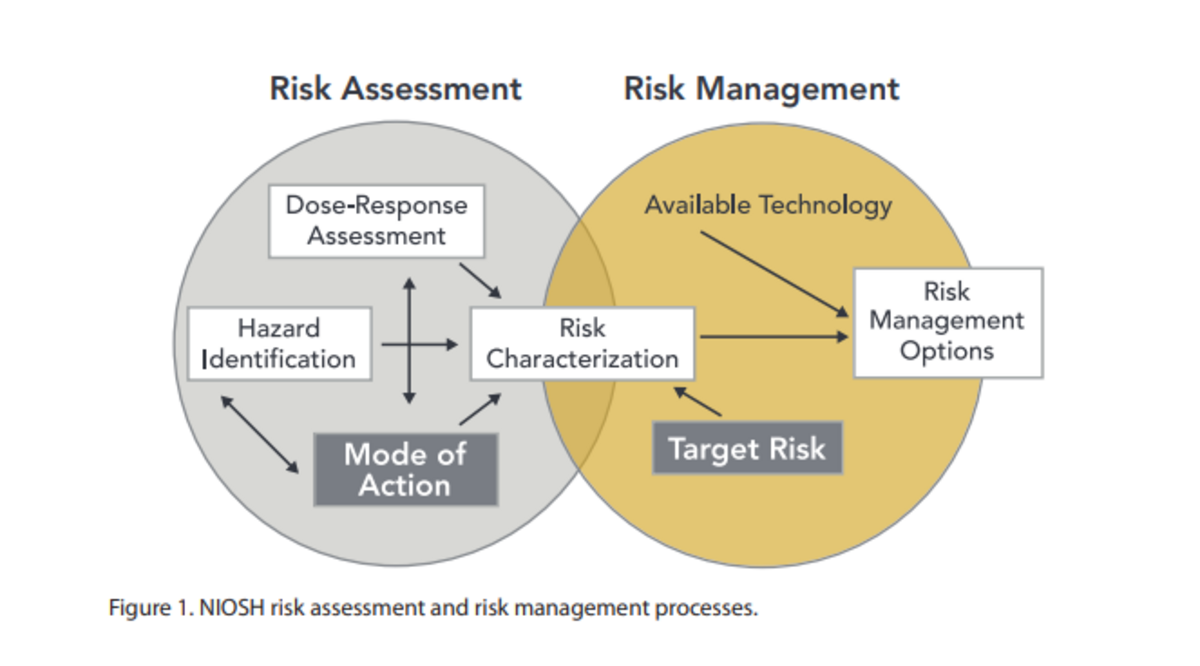
Venn diagram illustrating the relationship between Risk Assessment and Risk Management processes, as described in Figure 1: NIOSH risk assessment and risk management processes. National Institute for Occupational Safety and Health, Public domain, via Wikimedia Commons
The cattle origin
Ancient Sumerians understood interest long before banks existed. They measured it using the biological growth of livestock. If you borrowed a cow, you didn't just owe a cow back; you owed the 'offspring' of that cow. Interest was literally the baby animal born during the loan period.
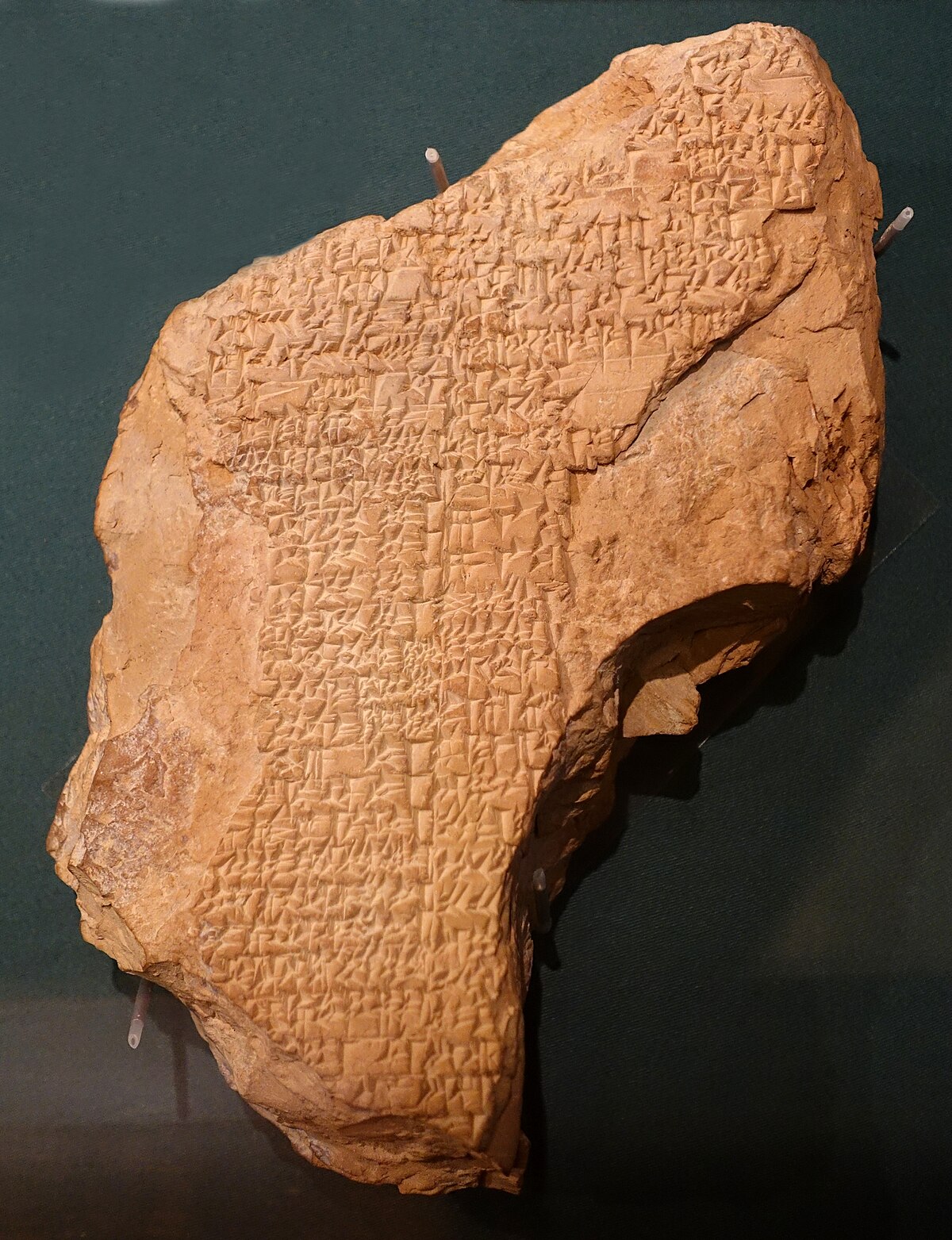
A Sumerian clay tablet inscribed with cuneiform script, housed in the Oriental Institute Museum at the University of Chicago. Daderot, CC0, via Wikimedia Commons
This is why the word for interest in many ancient languages is synonymous with the word for 'offspring' or 'calves'.
The engine of growth
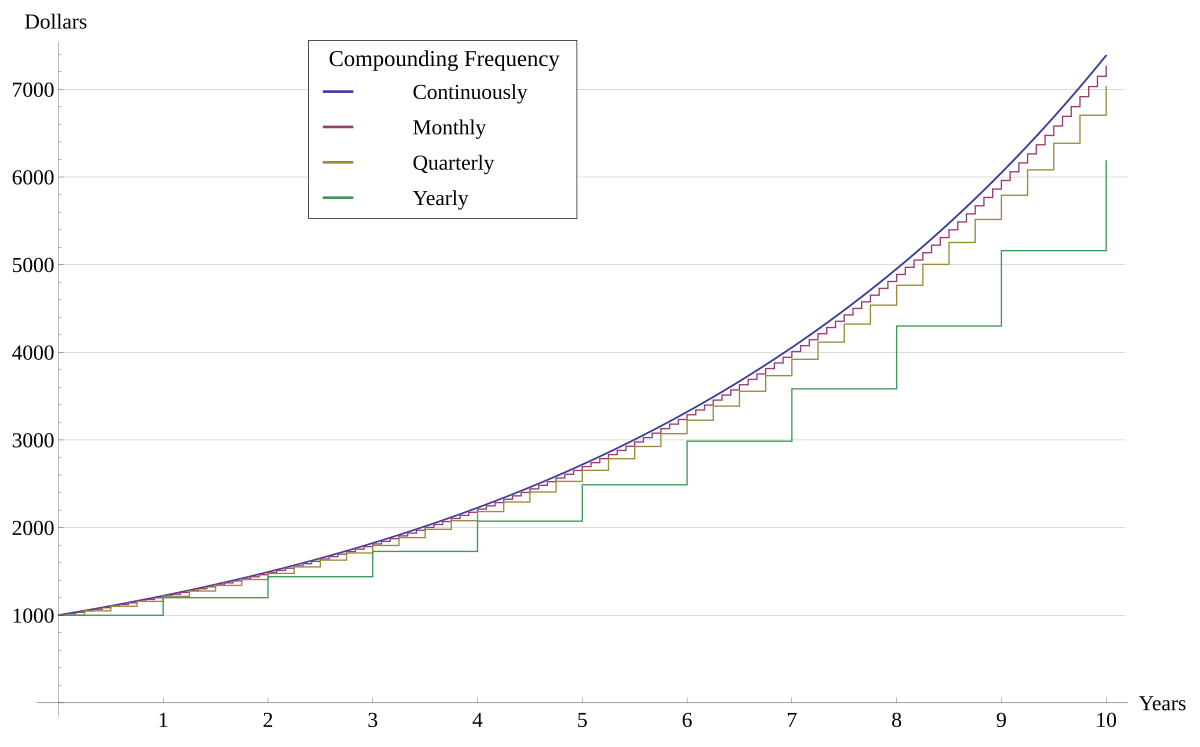
When interest is calculated only on the original Debt, it is simple interest. When it is calculated on the principal plus previously earned interest, it is Compound Interest. This creates an exponential curve. It is the mathematical reason why small savings can turn into massive fortunes if given enough time.
Graph illustrating the effect of earning 20% annual interest on an initial $1,000 investment at various compounding frequencies over 10 years. Jelson25, CC BY-SA 3.0, via Wikimedia Commons
But it works against you when you are the borrower. High interest rates can trap a debtor, making the cost of the original loan balloon uncontrollably.
The invisible tug-of-war
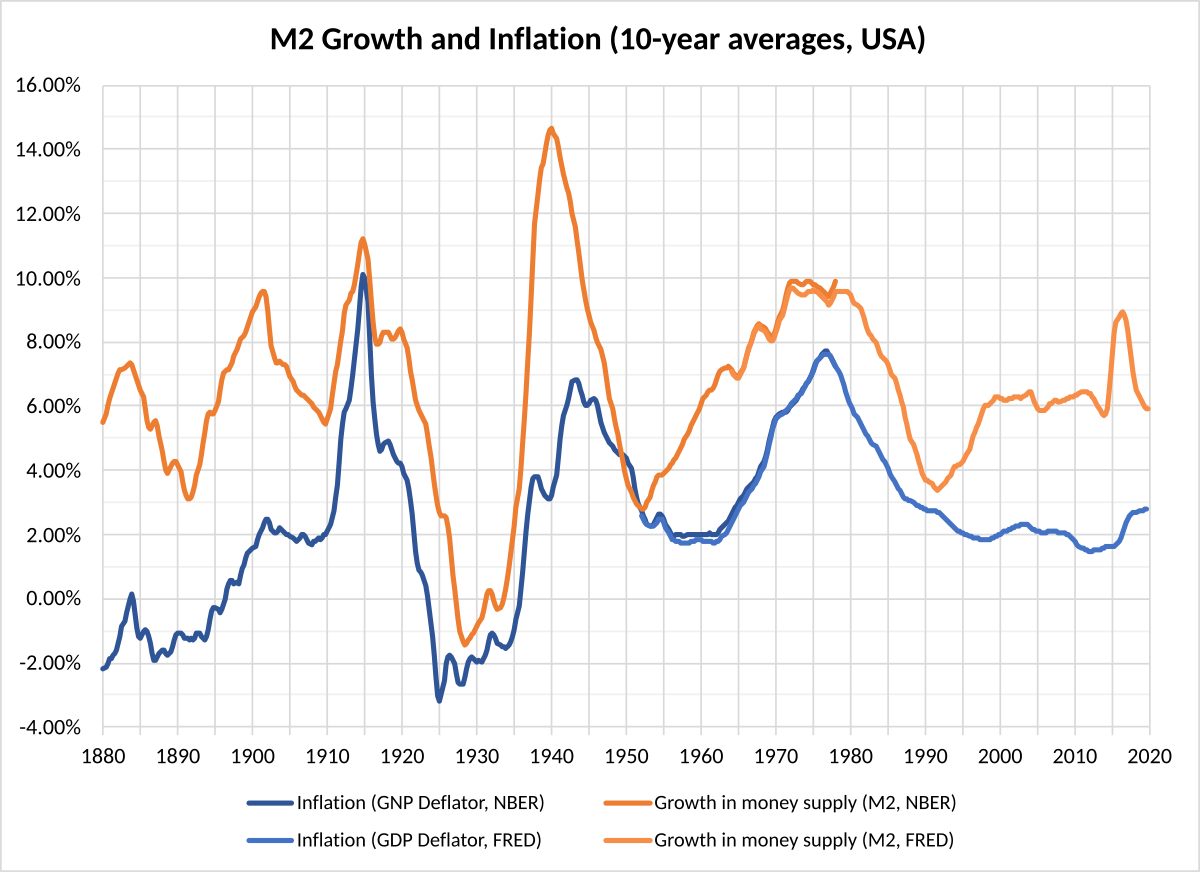
Interest doesn't exist in a vacuum. It competes with Inflation, which erodes the purchasing power of money over time. If the inflation rate is higher than your interest rate, your money is losing value faster than it is earning it.
Line graph showing M2 Growth and Inflation (10-year averages) for the USA. AlphaMikeOmega, CC0, via Wikimedia Commons
A smart lender, or a smart saver, always looks at the real rate of return, which is the interest rate minus the rate of inflation.
How interest works as the price of time
Money represents an immediate claim on resources. Having money today is worth more than having it tomorrow because you can instantly invest, trade, or build with it.
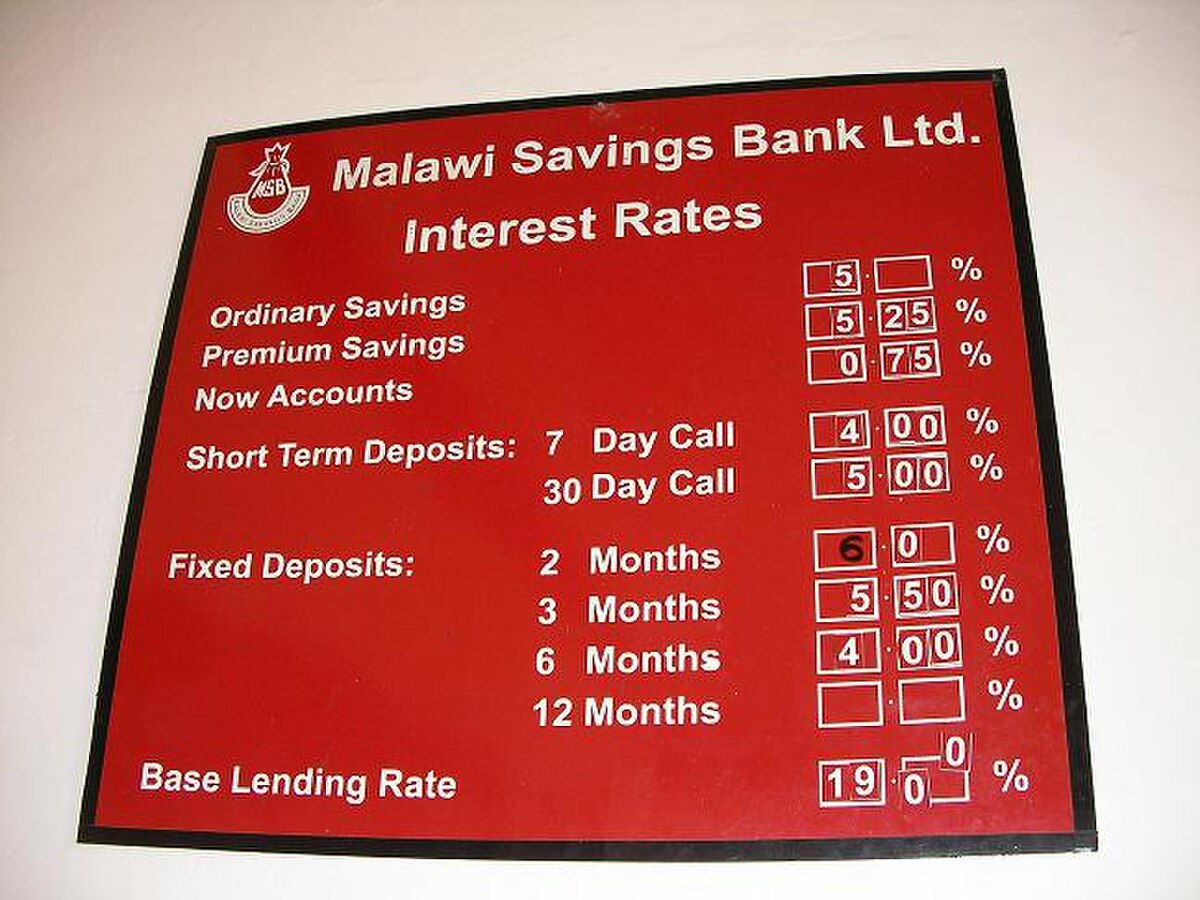
Notice how the bank lists distinct rates for customer deposits versus lending money to account for the cost of capital and risk. Brian Dell Bdell555, Public domain, via Wikimedia Commons
When a borrower takes money, the lender loses that opportunity. Interest serves as direct payment for this lost time value of money. It also functions as a risk premium to reward the lender for betting that the borrower will actually return the funds.
Ancient Sumerians measured this concept through livestock. Borrowing a cow meant returning the cow plus any calves born during the loan period, which is why the word for interest in several ancient languages directly translates to offspring.
Simple versus compound interest
Simple interest applies solely to the original principal amount borrowed. Compound interest calculates payments on the principal plus all accumulated interest from previous cycles.
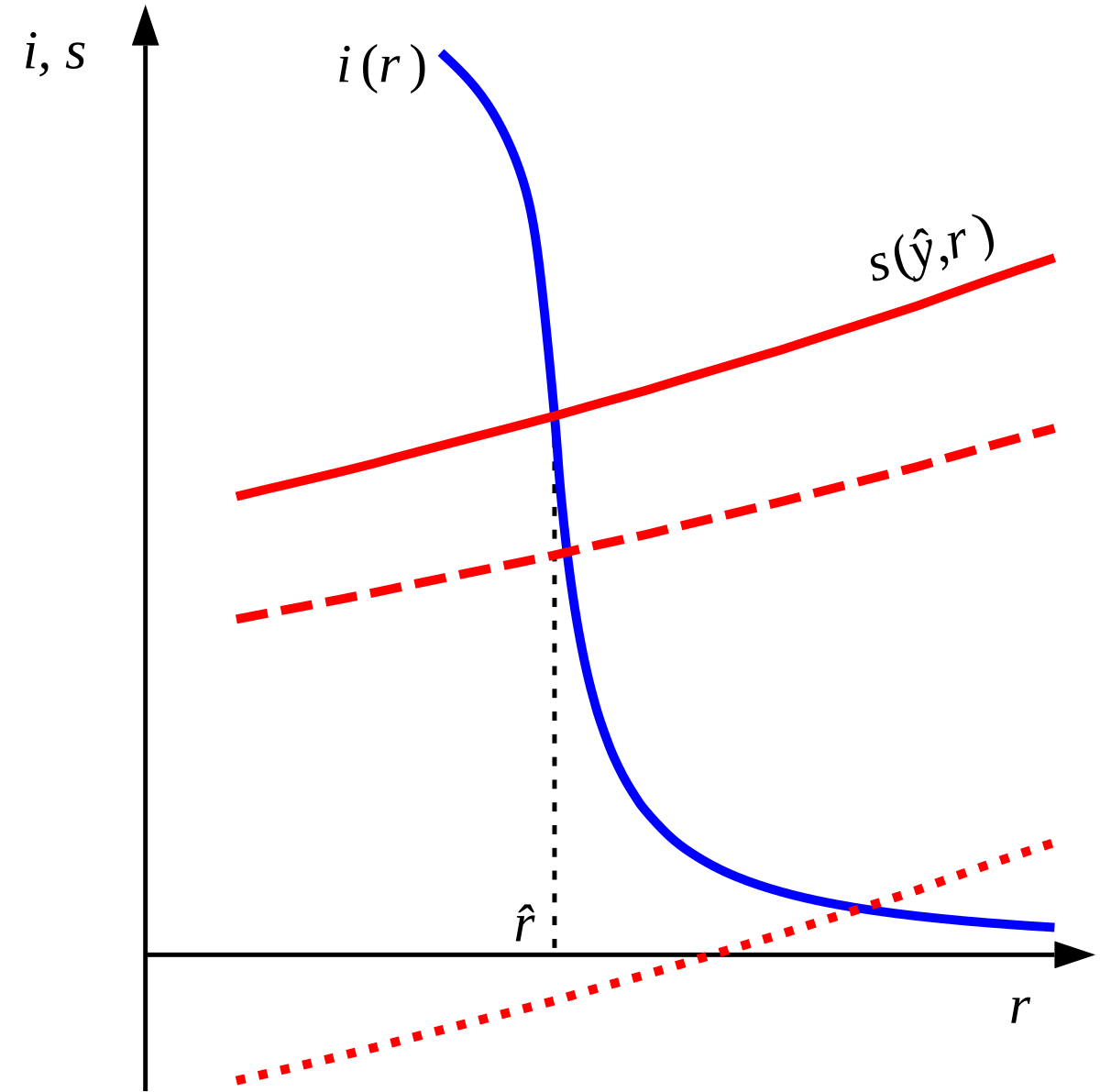
The chart illustrates the classical relationship between desired levels of saving and the prevailing interest rate. Colin.champion, CC BY-SA 4.0, via Wikimedia Commons
Compounding produces an exponential curve. For savers, this mathematical compounding grows small balances into massive sums over long horizons. For borrowers, high interest rates cause debt to balloon uncontrollably as unpaid interest generates even more debt.
How inflation affects interest rates
Interest constantly competes against inflation, which erodes the purchasing power of money over time.
If inflation outpaces an interest rate, the money loses real value faster than it grows. Calculating the real rate of return requires subtracting the inflation rate from the nominal interest rate.
Test yourself
Why does a lender charge interest on a loan?
To earn a fee set by government policy.. Interest compensates the lender for giving up the use of money and for the risk of not being repaid.
What does interest primarily represent in an economic exchange?
Compensation for the lender's time and risk.. Interest represents the cost of the lender giving up the use of their money, covering both the time value of that capital and the risk that it may not be returned.
Play the lesson in edgi and the card is yours. It lands on your Map next to the ideas it connects to, and turns from matte to foil to gold as you learn more around it.
The real rate of return is the actual growth of your purchasing power after accounting for inflation. You calculate it by taking the stated interest rate and subtracting the inflation rate.
Why did ancient people link interest to livestock?
Ancient Sumerians used the natural biological reproduction of livestock to measure interest. A borrower owed the original animal plus the baby animals born during the borrowing period.